Artwork
Group Portrait of an unidentified Board of Governors
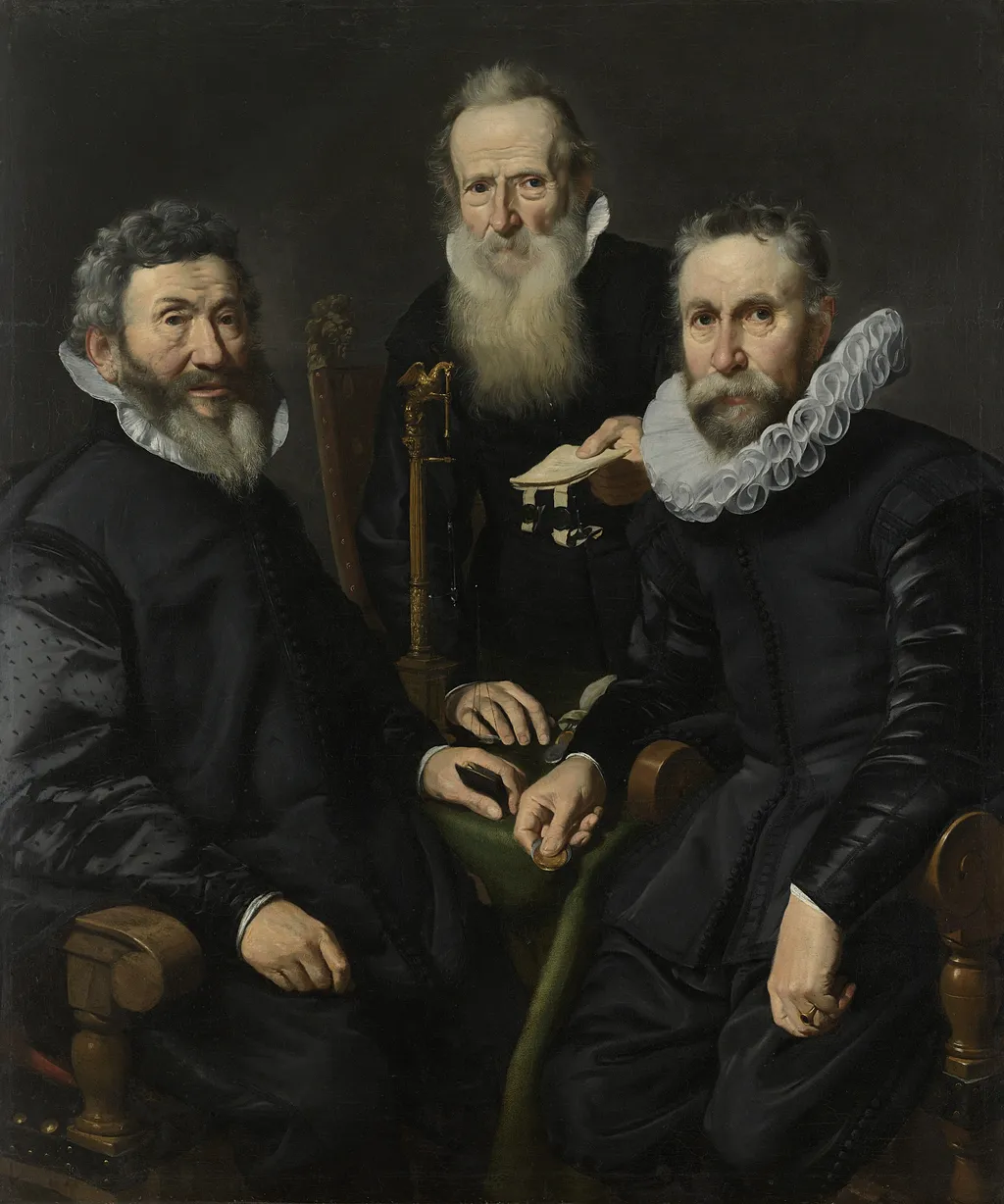
Group Portrait of an unidentified Board of Governors is an oil painting by Thomas de Keyser. It dates from 1627 and is held in the collection of the Rijksmuseum.
About this work
Subject & Meaning
As the subjects remain unnamed in available records, the specific identities and individual roles within the board are not defined by the source material.
The work depicts an unidentified board of governors, presented as a group portrait of human figures. Created by Thomas de Keyser in 1627, the painting captures these individuals in a formal arrangement characteristic of the genre. As the subjects remain unnamed in available records, the specific identities and individual roles within the board are not defined by the source material.
The composition serves as a collective representation of the institution's leadership rather than a study of individual personalities or specific symbolic allegories.
Technique & Style
The work is an oil painting on canvas executed in 1627 by Thomas de Keyser. Its dimensions are 126 cm in height by 105.8 cm in width. De Keyser’s handling emphasizes clear, linear definition of individual figures and restrained modeling, aligning with the Dutch portrait conventions of the 1620s.
The composition arranges the governors in a shallow, stage-like space, with each figure rendered in sharp focus and differentiated by posture and gesture to convey status and role. The palette remains subdued, relying on earth tones and dark backgrounds to focus attention on the sitters’ faces and hands.
History & Provenance
Thomas de Keyser created the oil painting Group Portrait of an unidentified Board of Governors in 1627. Executed on canvas, the work measures 126 cm in height and 105.8 cm in width. The painting has been held in the collection of the Rijksmuseum since at least the time of the recorded data, where it remains part of the museum's holdings.
Legacy
Thomas de Keyser's 1627 group portrait of a Board of Governors has shaped Dutch portraiture through its formal precision and psychological depth, influencing later civic guard and regent group compositions. Its compositional strategies informed 17th-century Amsterdam workshop practices and contributed to the development of collective portraiture traditions. The work's provenance at the Rijksmuseum has cemented its status as a benchmark for Dutch Golden Age group portraiture.
Overview
Created in 1627 by Dutch painter Thomas de Keyser, this oil on canvas depicts a small group of formally dressed men assembled in a restrained composition. The work is held by the Rijksmuseum and exemplifies the early‑seventeenth‑century Dutch tradition of group portraiture, where civic or institutional figures are presented together without a narrative backdrop.
Context
During the early 1600s, Dutch civic institutions frequently commissioned group portraits to record their leadership. De Keyser’s work fits within this practice, offering a visual record of governance while also reflecting contemporary ideals of order, modesty, and collective responsibility that were central to Dutch urban culture.
Own this work as a print
Artist & collection
Artist
Thomas de Keyser (c. 1596 – 1667) was a Dutch portrait painter and a dealer in Belgium bluestone and stone mason. He was the most in-demand portrait painter in the Netherlands until the 1630s, when Rembrandt eclipsed…

 Portrait of a Gentleman Wearing a Fancy Ruff
 A Musician and His Daughter
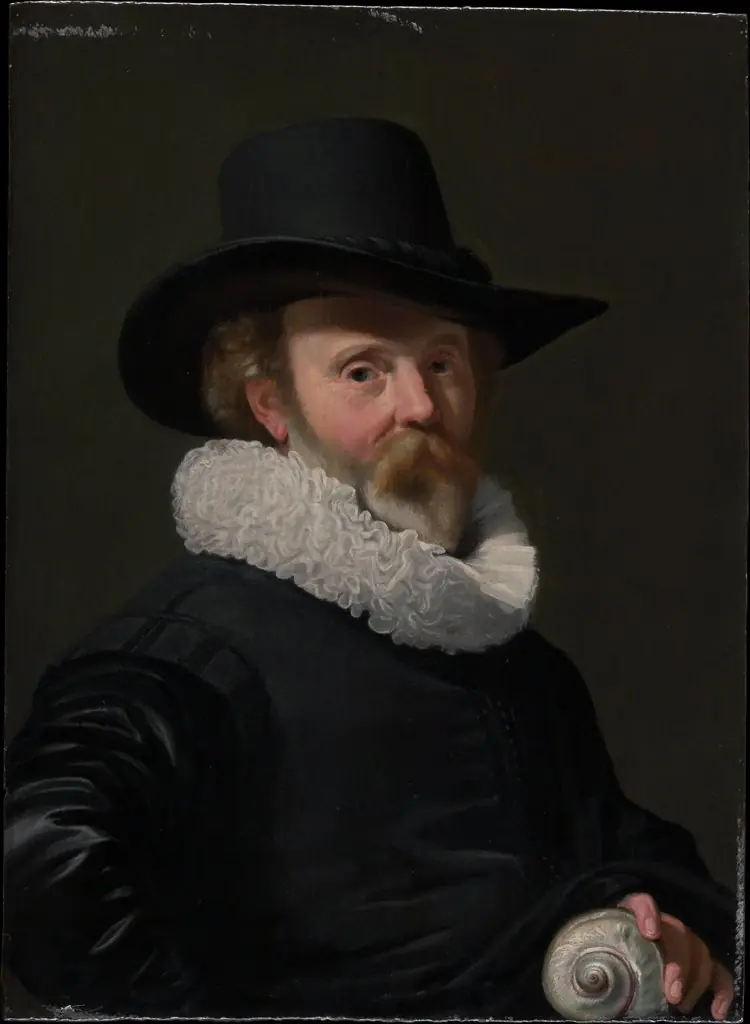 Portrait of a Man with a Shell
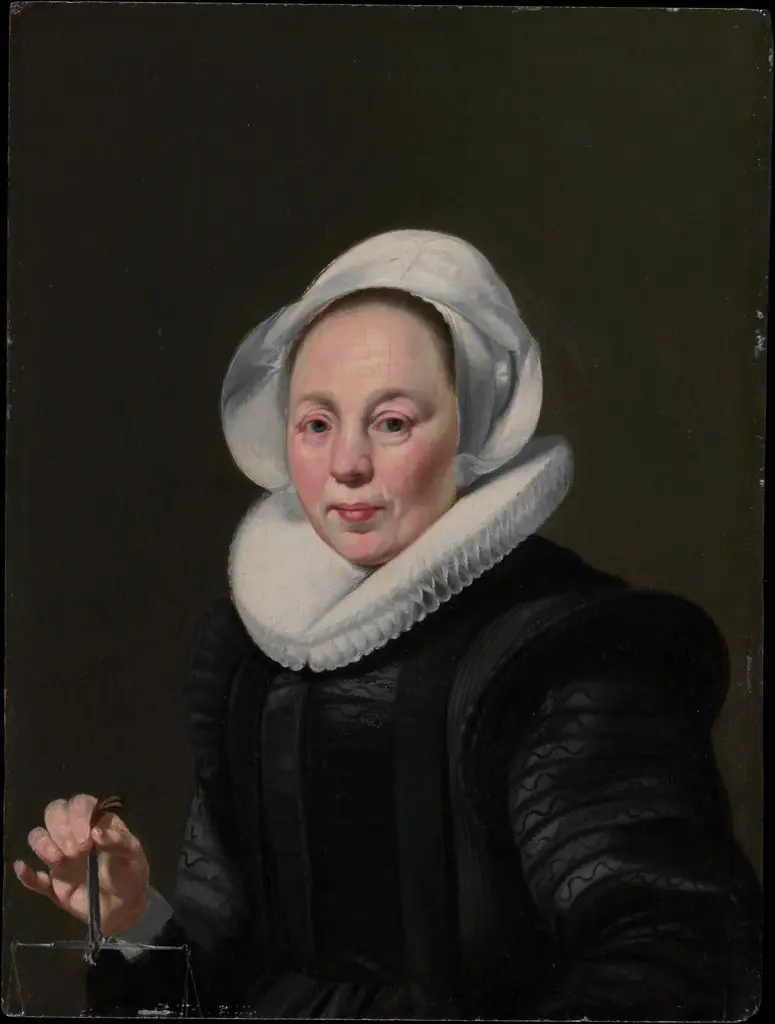 Portrait of a Woman with a Balance
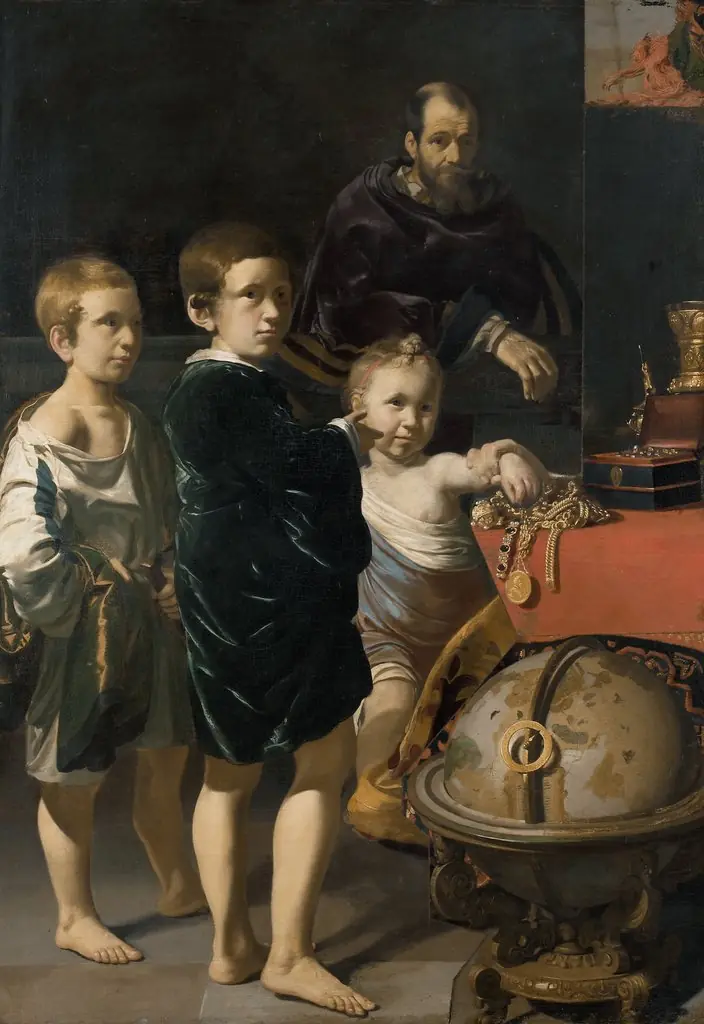 Portrait of three children and a man
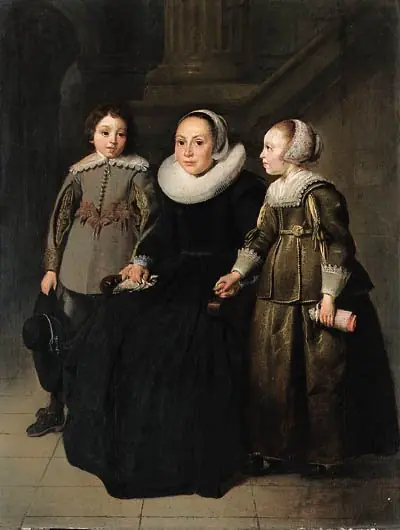 Portrait of a seated woman and two children
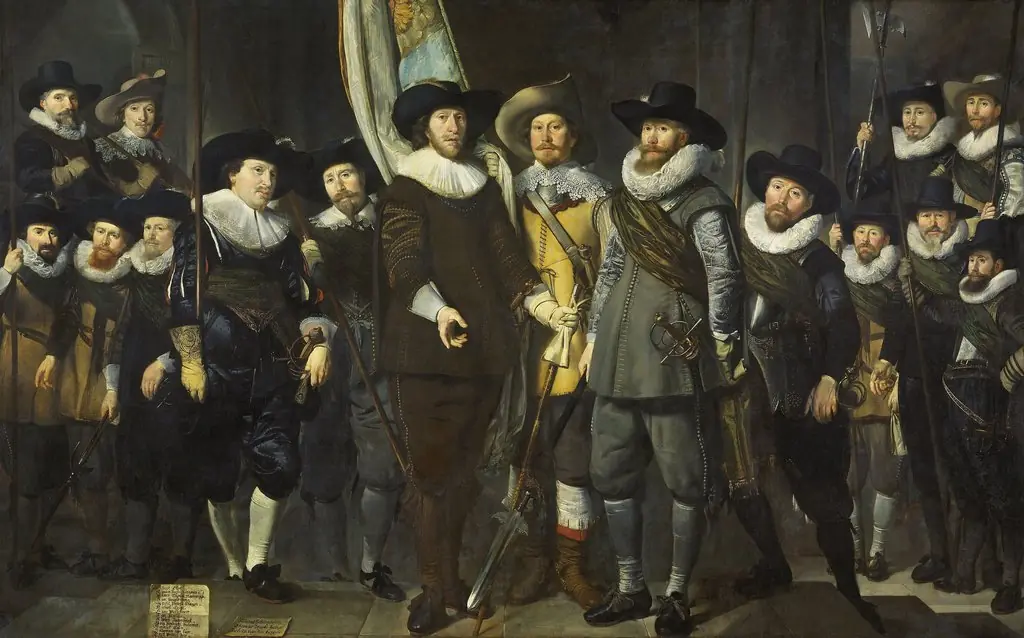 Officers and other civic guardsmen of the IIIrd District of Amsterdam, under the command of Captain Allaert Cloeck and Lieutenant Lucas Jacobsz Rotgans
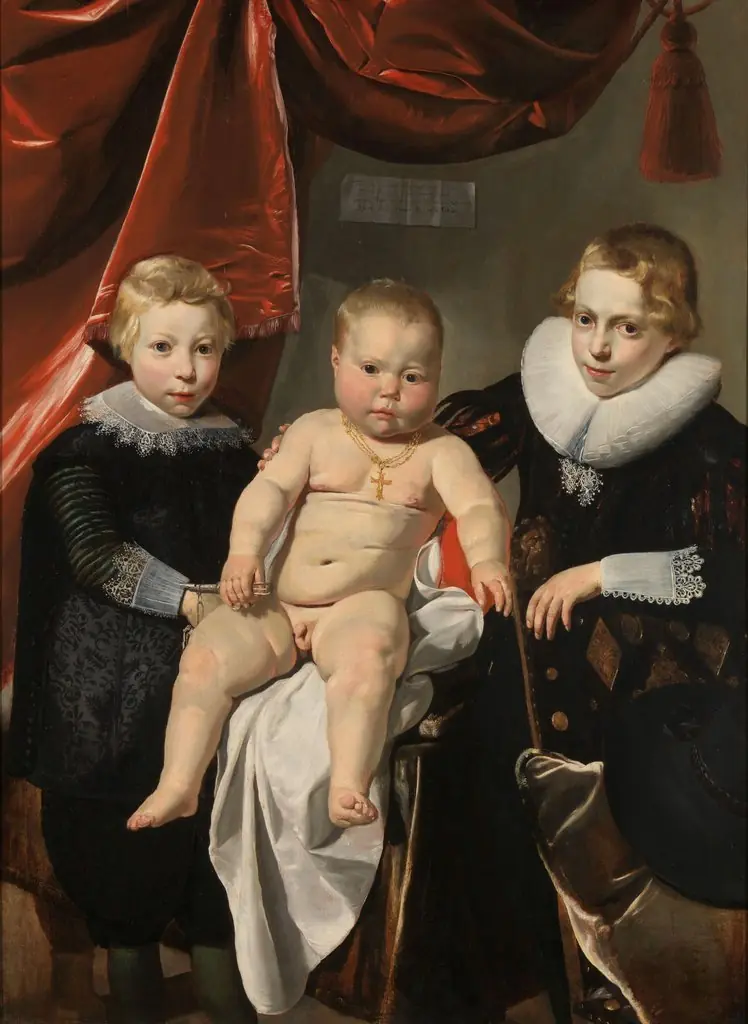 Group Portrait of Three Brothers
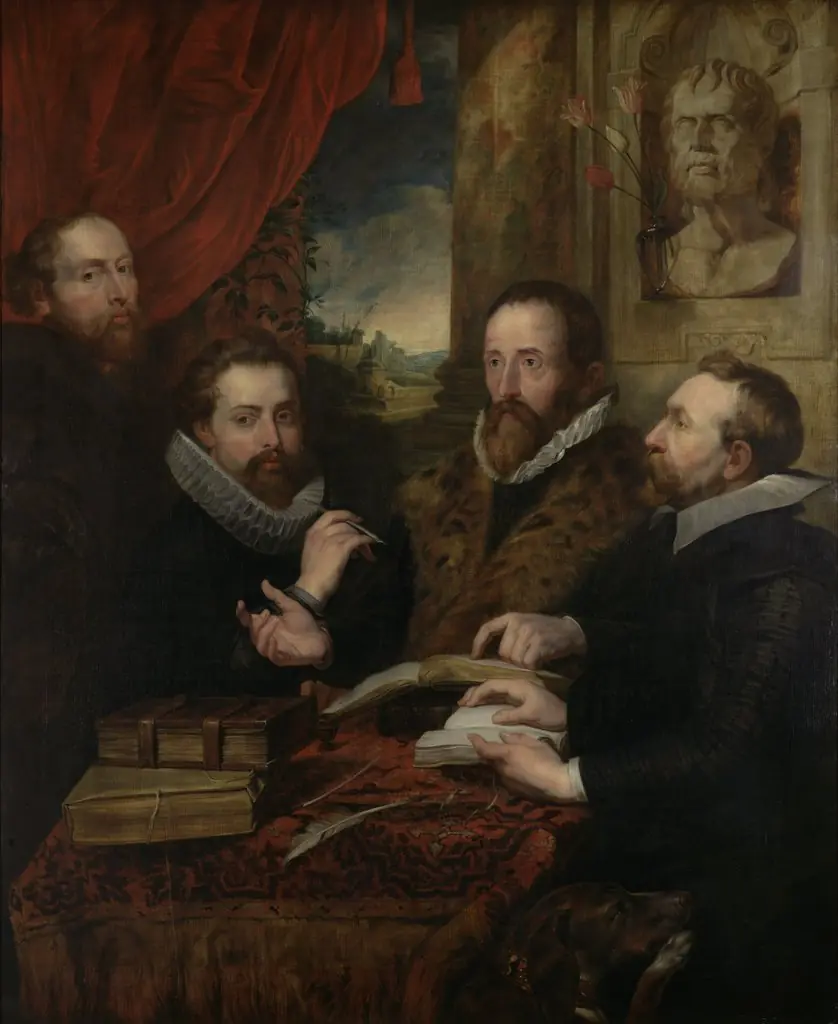 Four Philosophers
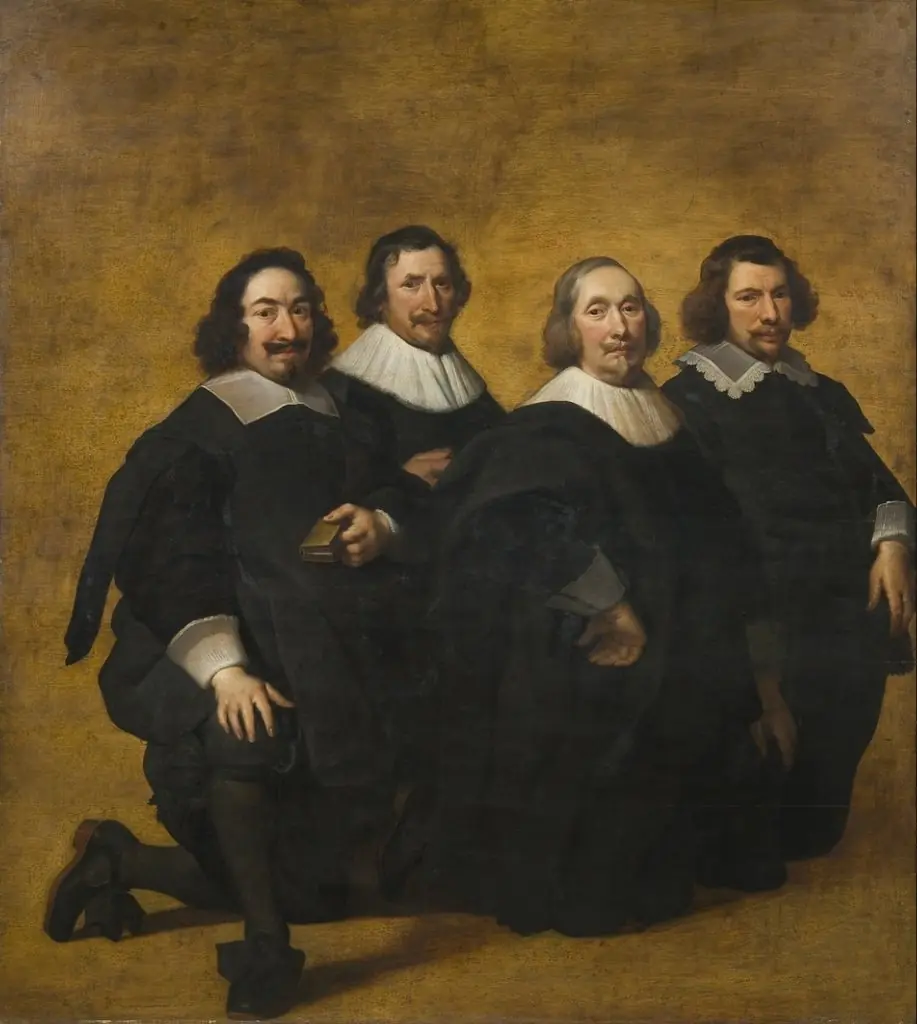 Portrait of four kneeling men
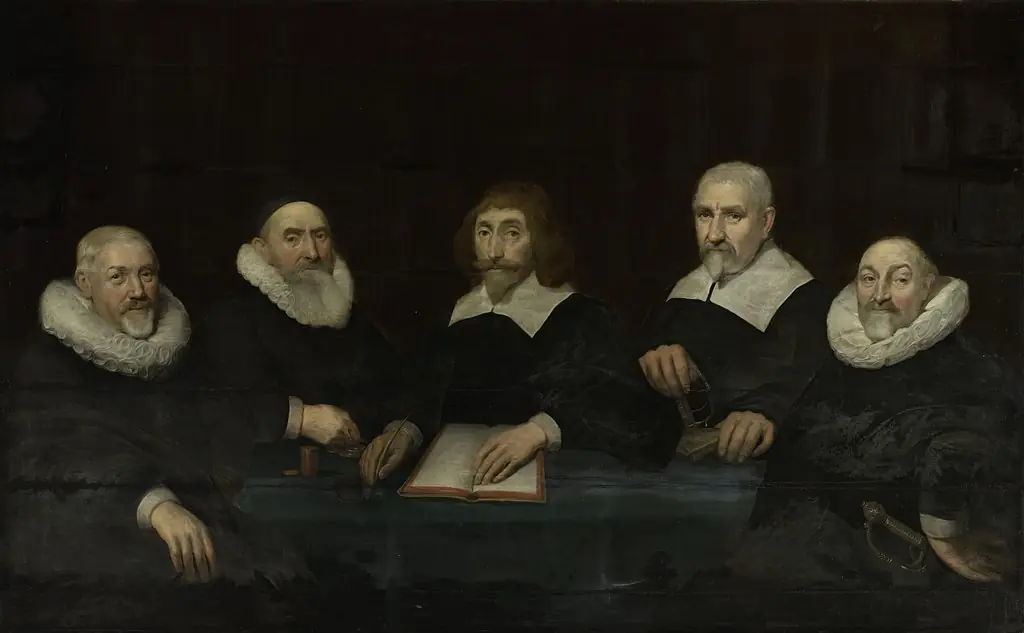 The regents of the Tuchthuis (house of correction) in Middelburg, 1643
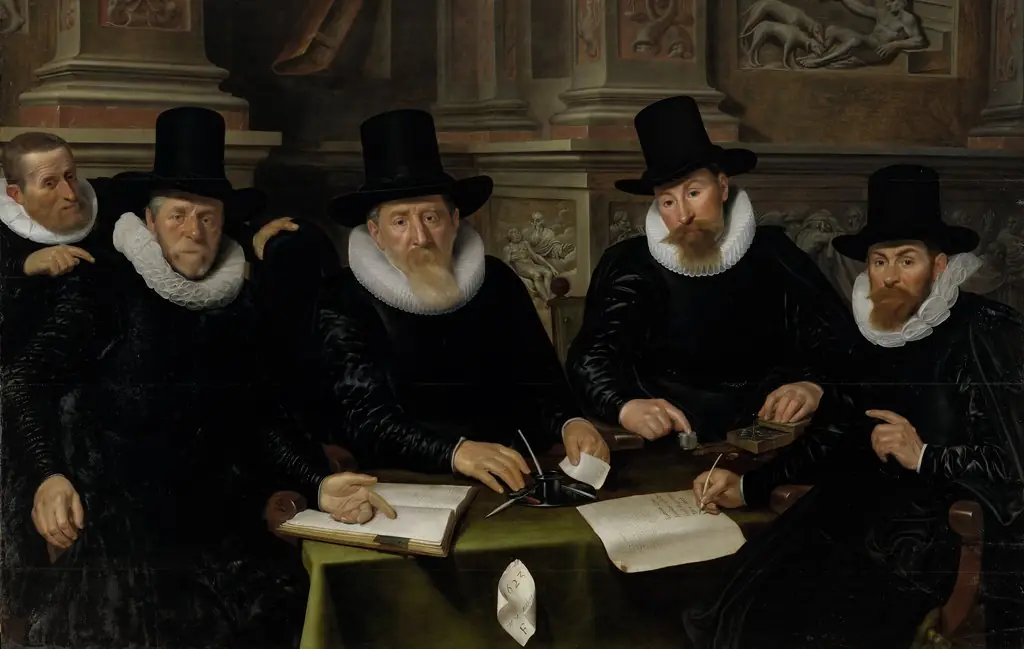 Four Regents and the ‘House Father’ of the Amsterdam Lepers’ Asylum
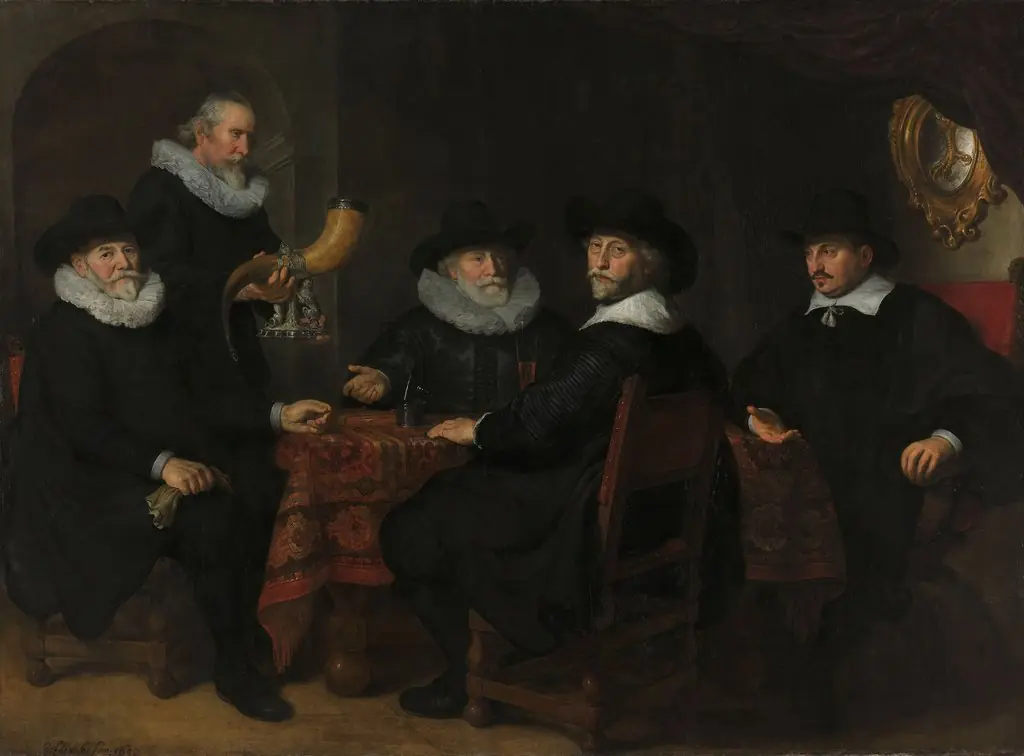 Four directors of the arquebusier's guild, Amsterdam, 1642
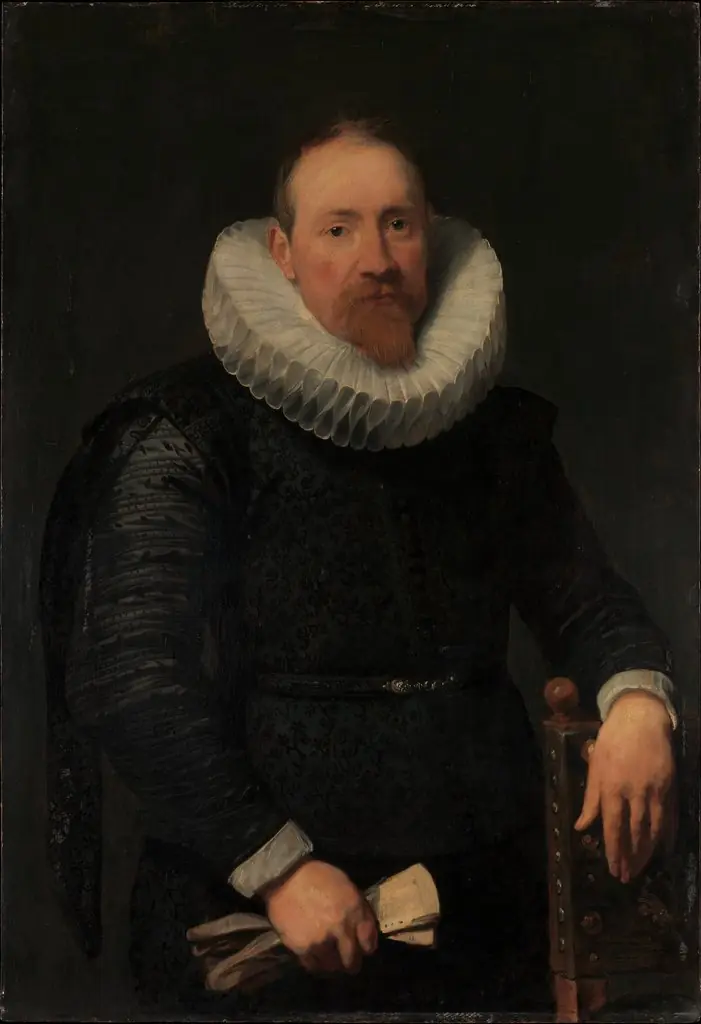 Portrait of a Man
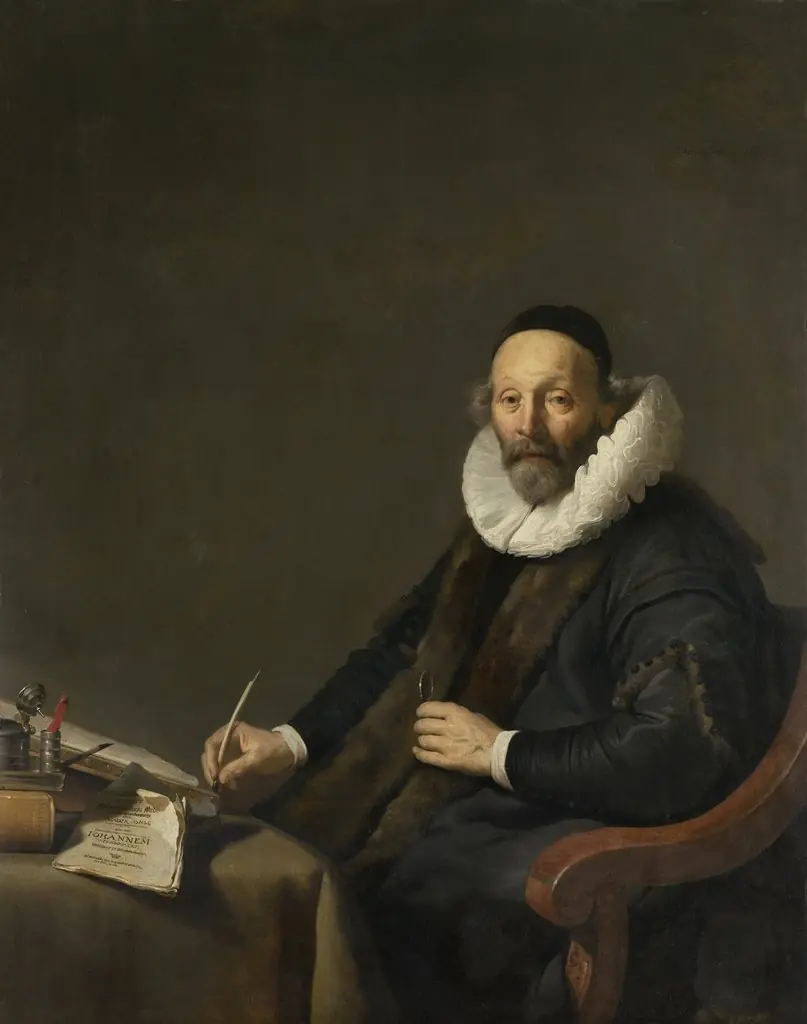 Johannes Uyttenbogaert (1557-1644). Remonstrant minister in The Hague
 Portrait of the Family of Dirck Jacobsz Bas (1569-1637), Burgomaster of Amsterdam, and Margriet Snoeck (1588-1645)
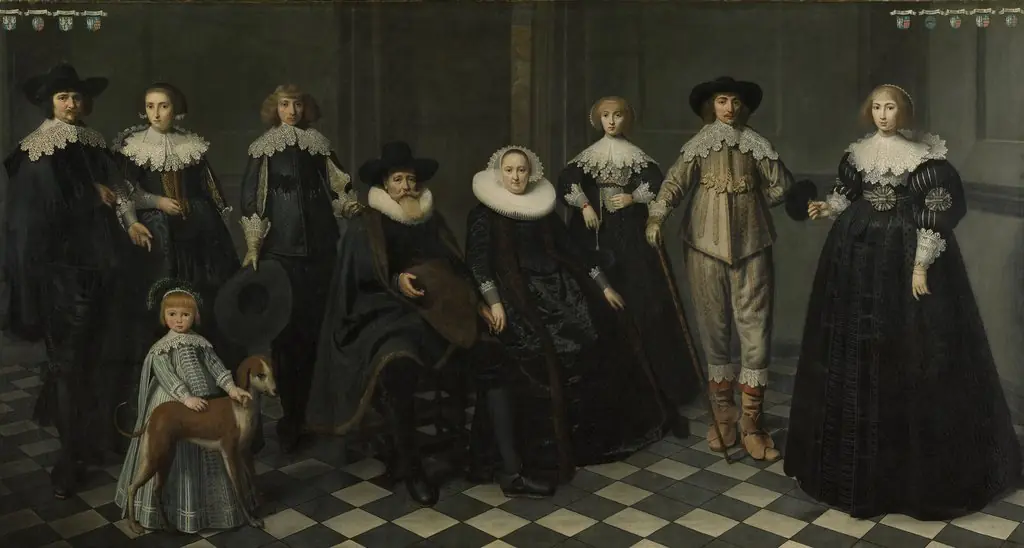 The family of Dirck Bas Jacobsz, burgomaster of Amsterdam
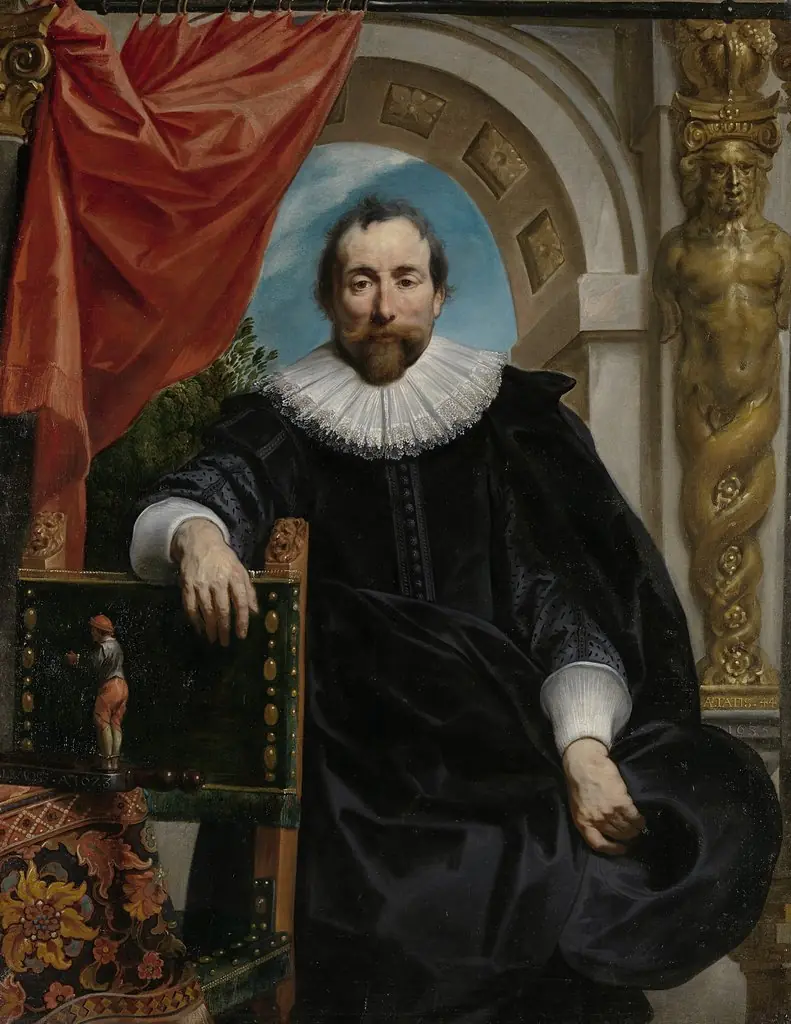 Portrait of Rogier Le Witer (1591-1678), Merchant in Antwerp
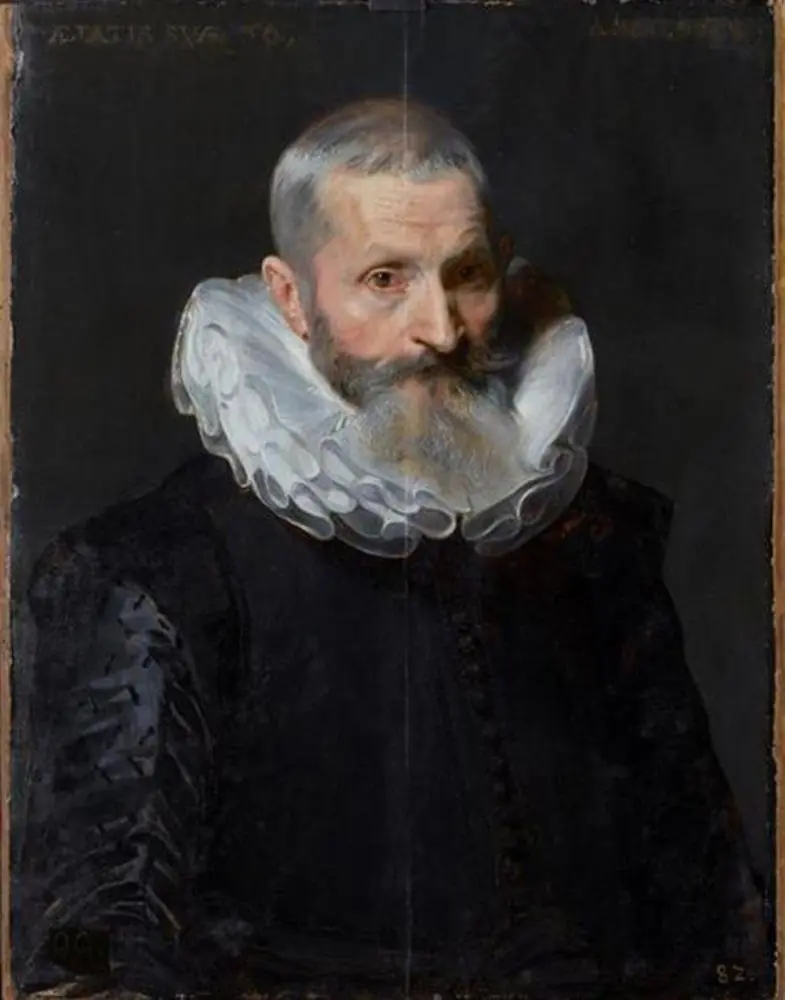 Portrait of a 60-year-old Man
- Group Portrait of Three Members of the Paris Council (fragment of the lost painting)