Artwork
Portrait of Jàcome Ratton
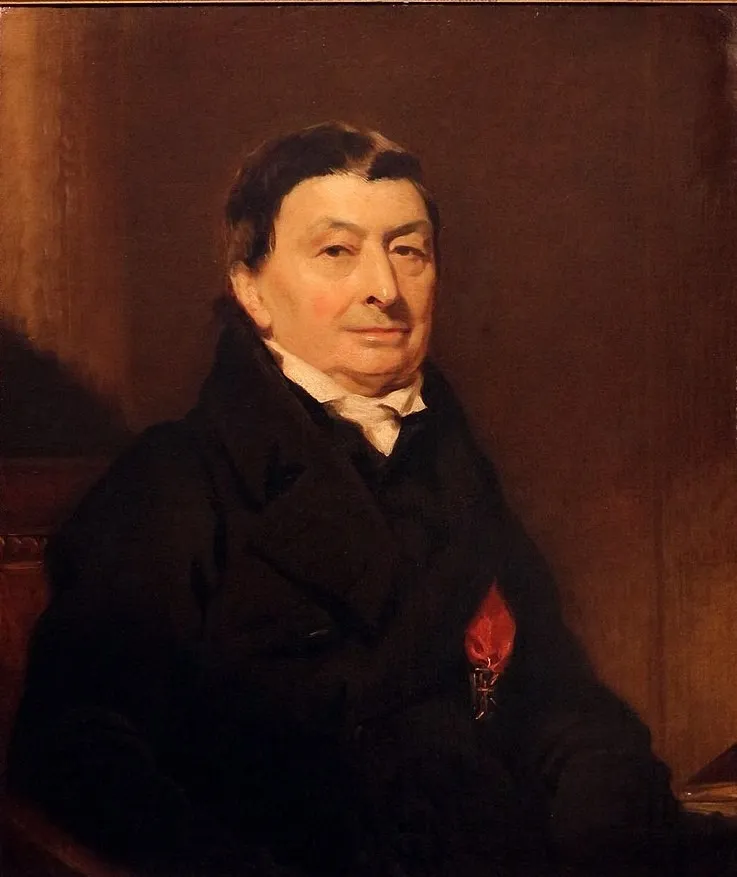
Portrait of Jàcome Ratton is an unspecified painting by Thomas Lawrence. It dates from 1810 and is held in the collection of the National Museum of Ancient Art.
About this work
Overview
Thomas Lawrence’s 1810 oil portrait presents the Portuguese merchant Jácome Ratton in a restrained, three‑quarter view. The sitter is rendered against a muted brown backdrop, his dark hair and solemn expression framed by a black coat, white shirt and a red sash that adds a subtle accent. The composition focuses on the upper body, emphasizing Ratton’s dignified bearing.
Subject & Meaning
Jácome Ratton, a prominent figure in early‑19th‑century trade, is portrayed in formal attire that signals his professional status. The restrained palette and the sitter’s direct gaze convey a sense of seriousness and confidence, typical of portraiture intended to affirm the subject’s social position and personal integrity.
Technique & Style
Lawrence employs a smooth, refined brushwork characteristic of his London portraiture, allowing subtle modeling of flesh tones while maintaining crisp delineation of clothing. The contrast between the dark coat and the bright white shirt, punctuated by the red sash, guides the viewer’s eye to the face, where delicate glazing creates a luminous complexion.
History & Provenance
Completed in 1810, the portrait entered the collection of Portugal’s National Museum of Ancient Art, where it remains on display. Lawrence, who later presided over the Royal Academy, was already an established portraitist by this date, having secured royal commissions and a reputation for capturing the elite of his era.
Context
The work reflects the early‑19th‑century practice of commissioning portraits to record commercial success and personal prestige. Lawrence’s clientele included diplomats, aristocrats and merchants, situating Ratton’s portrait within a broader network of transnational trade and cultural exchange between Britain and Portugal.
Artist & collection
Artist
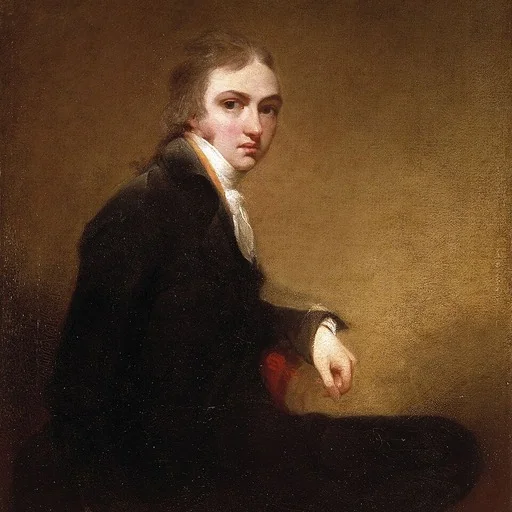
Sir Thomas Lawrence (13 April 1769 – 7 January 1830) was an English painter who served as the fourth president of the Royal Academy.

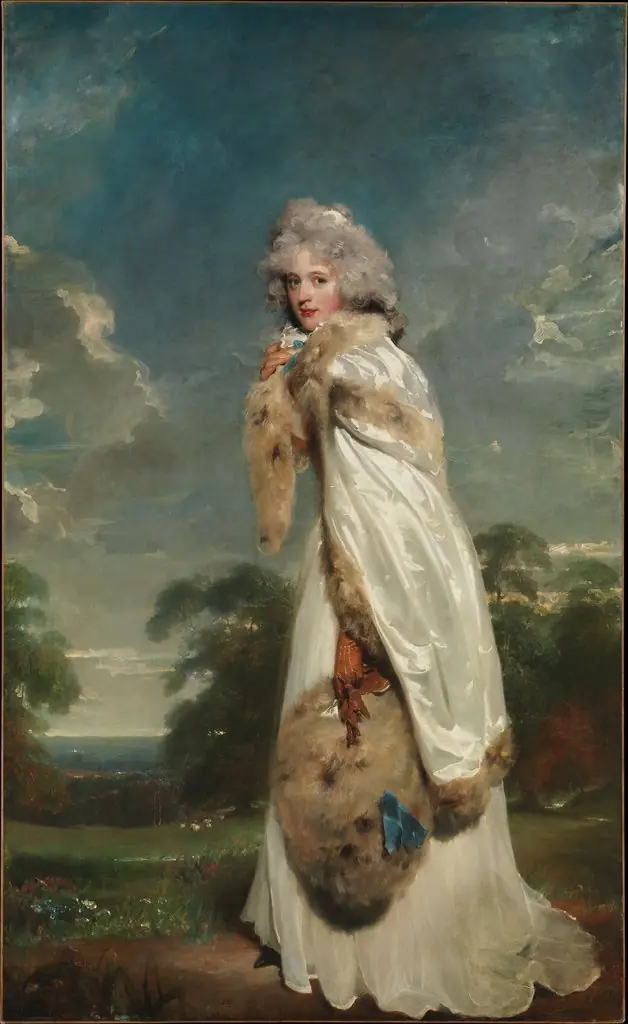 Elizabeth Farren (born about 1759, died 1829), Later Countess of Derby
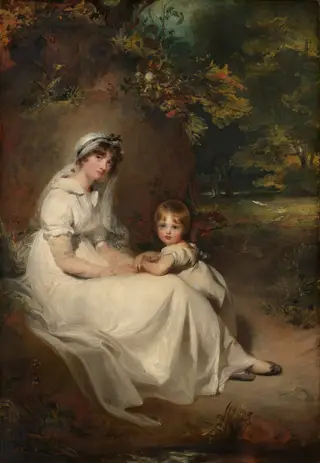 Lady Mary Templetown and Her Eldest Son
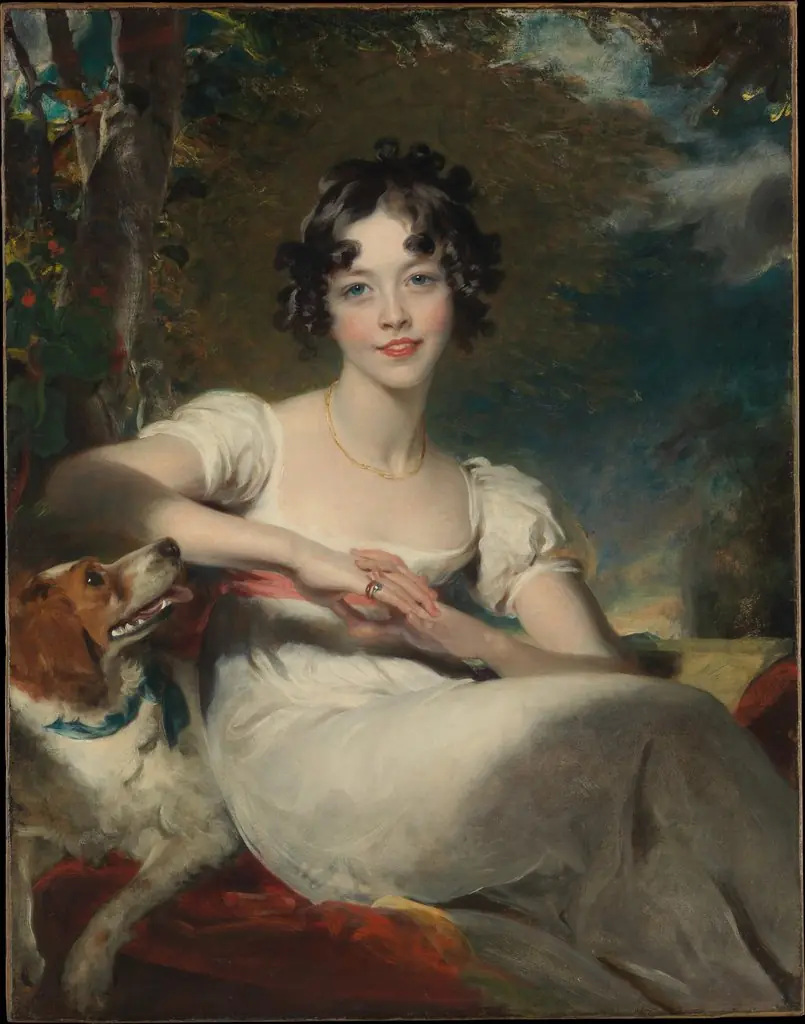 Lady Maria Conyngham (died 1843)
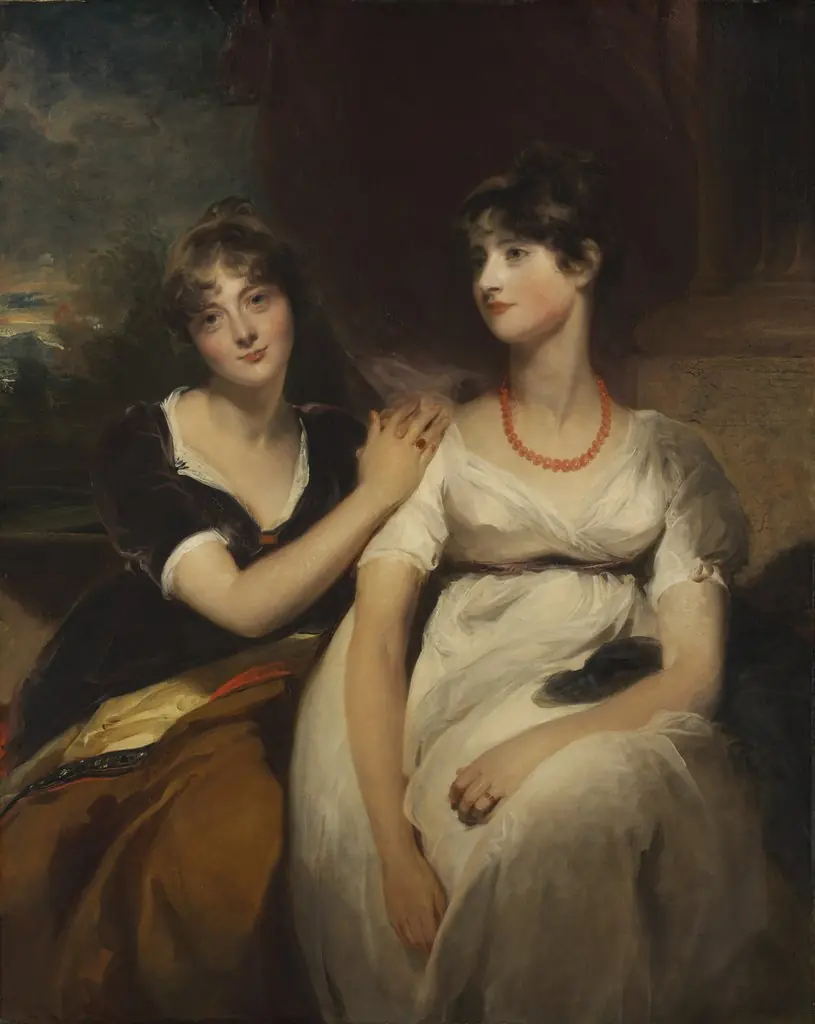 Portrait of Charlotte and Sarah Carteret-Hardy
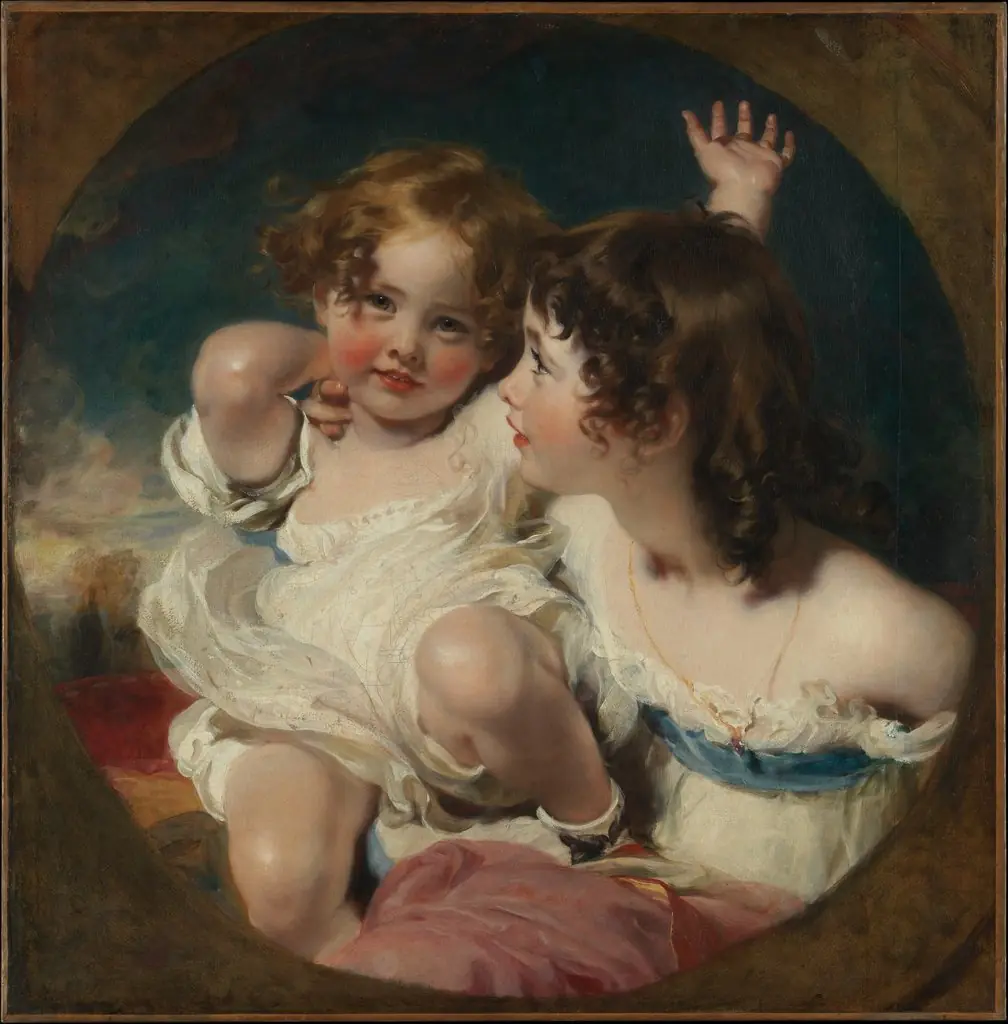 The Calmady Children (Emily, 1818–?1906, and Laura Anne, 1820–1894)
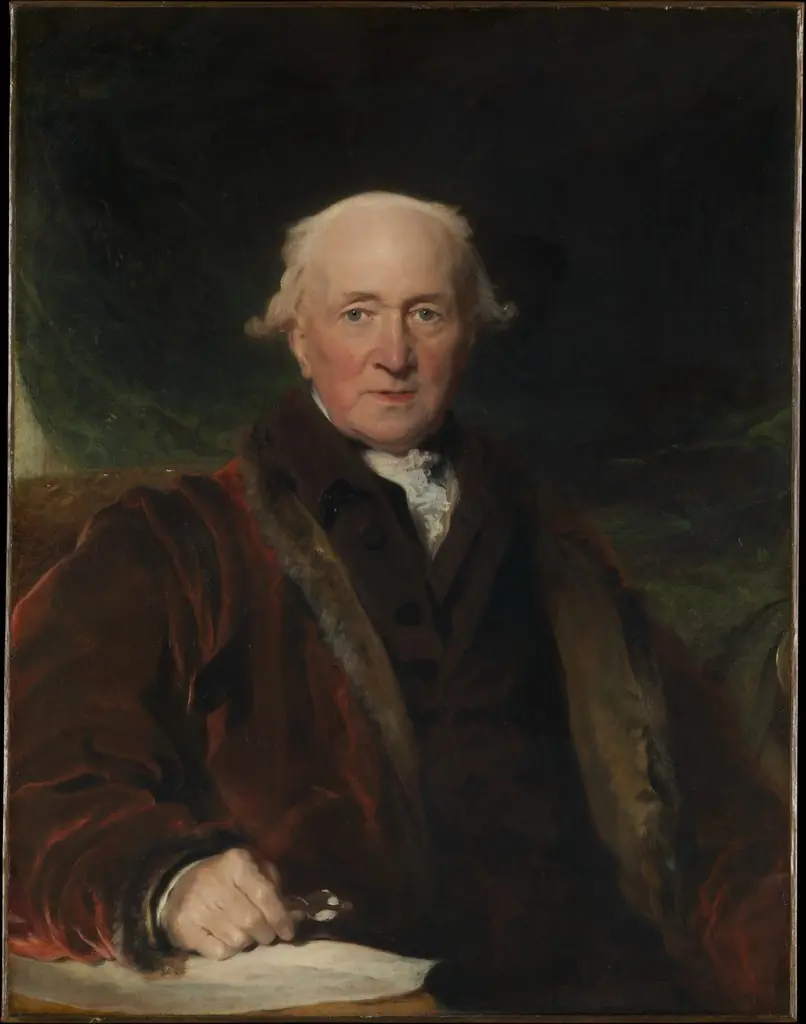 John Julius Angerstein (1736–1823)
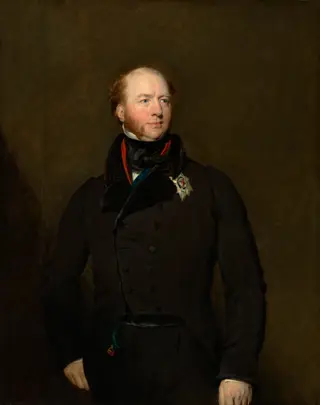 Francis Charles Seymour-Conway, 3rd Marquess of Hertford
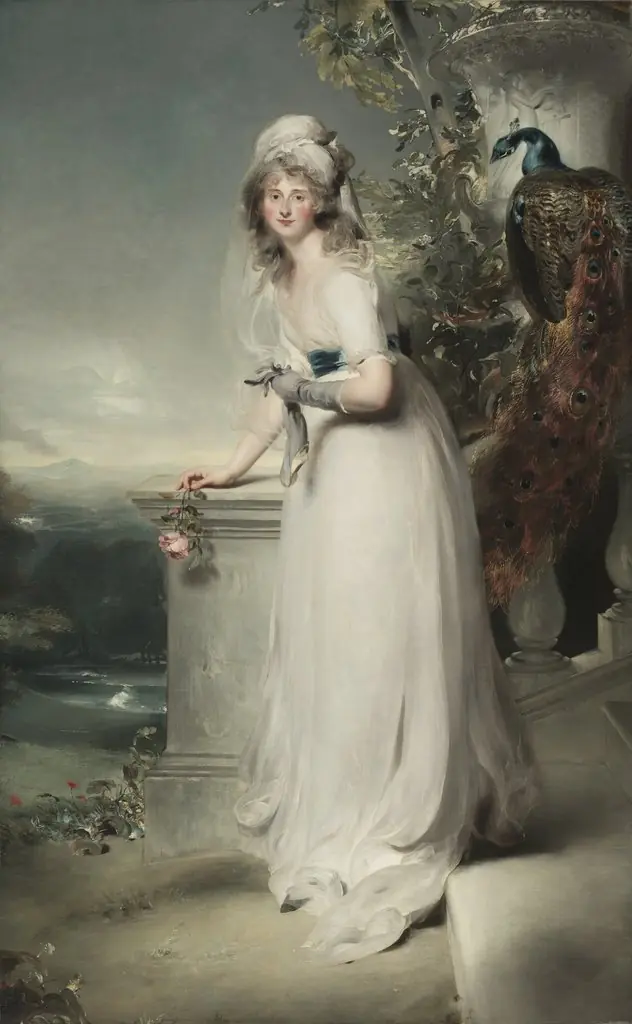 Portrait of Catherine Grey, Lady Manners
- Portrait of Jakub Simmler, artist’s father
 Professor dr. med. J.D. Herholdt
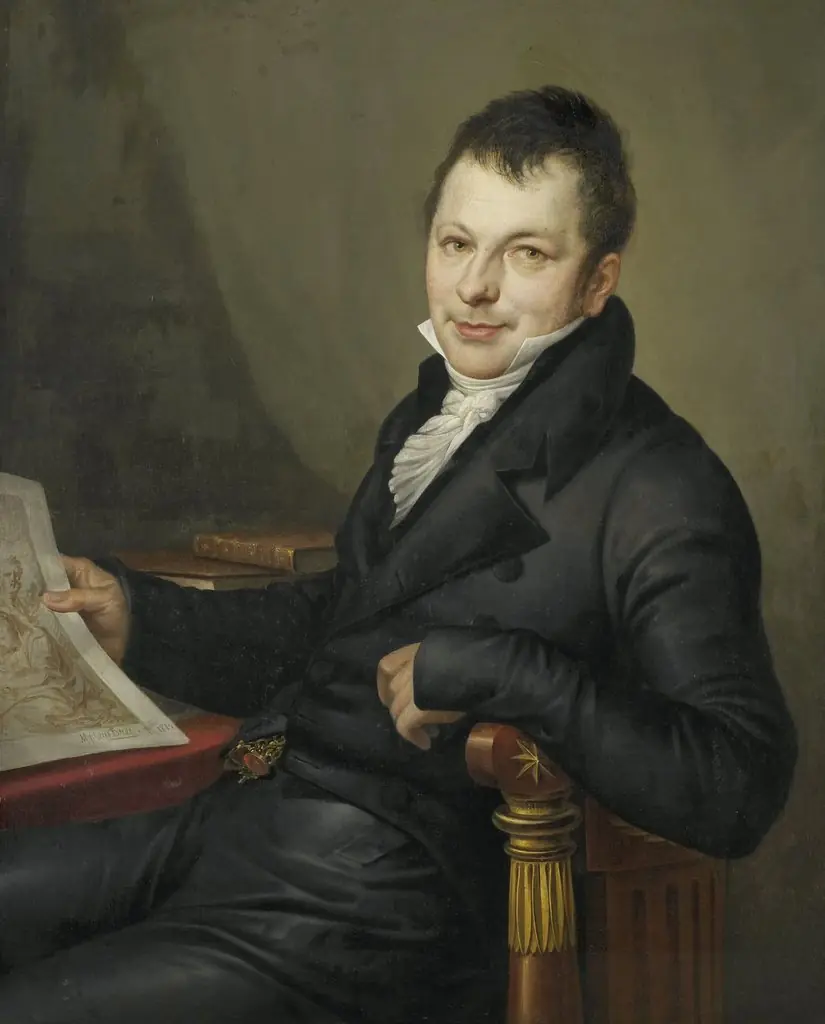 Johannes Hermanus Molkenboer(1773-1834). Art Collector
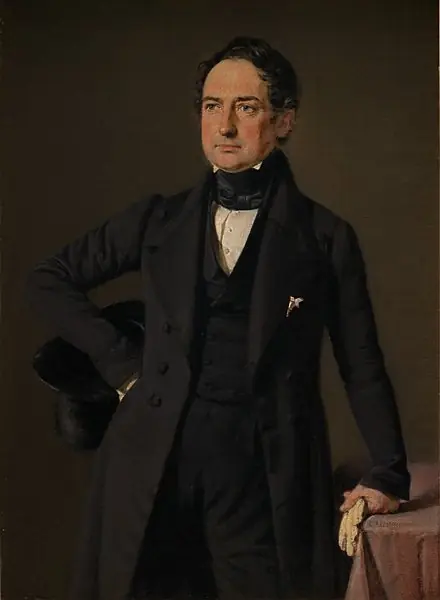 Fabriksdirektør Ole Jørgen Rawert
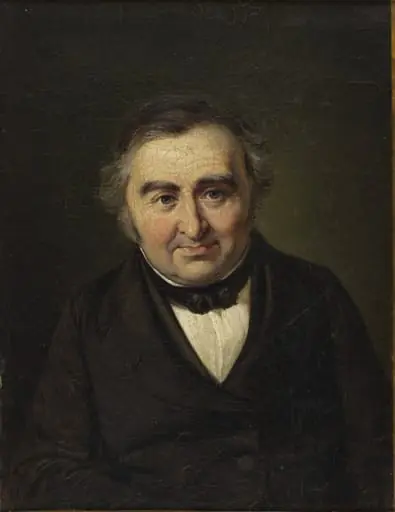 Etatsråd M.L. Nathanson
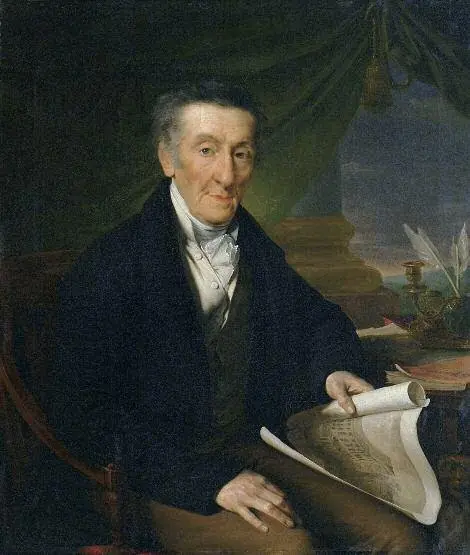 Ekim Lazarev
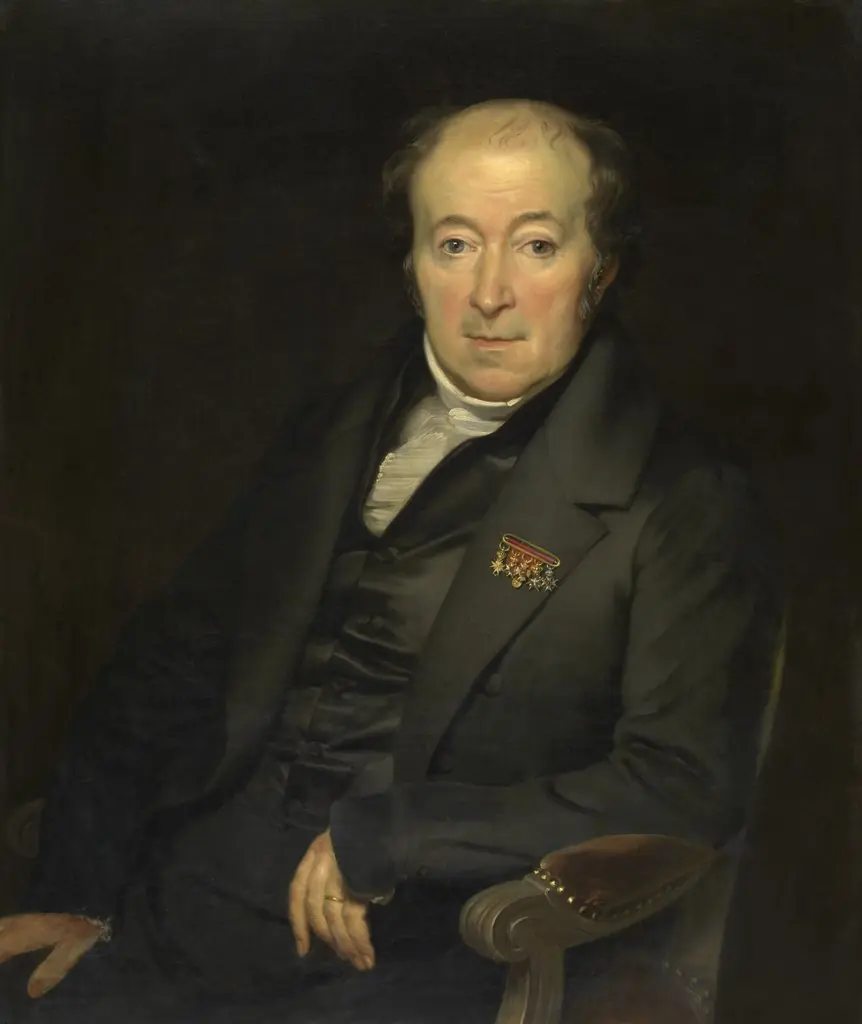 The Painter Mattheus Ignatius van Bree
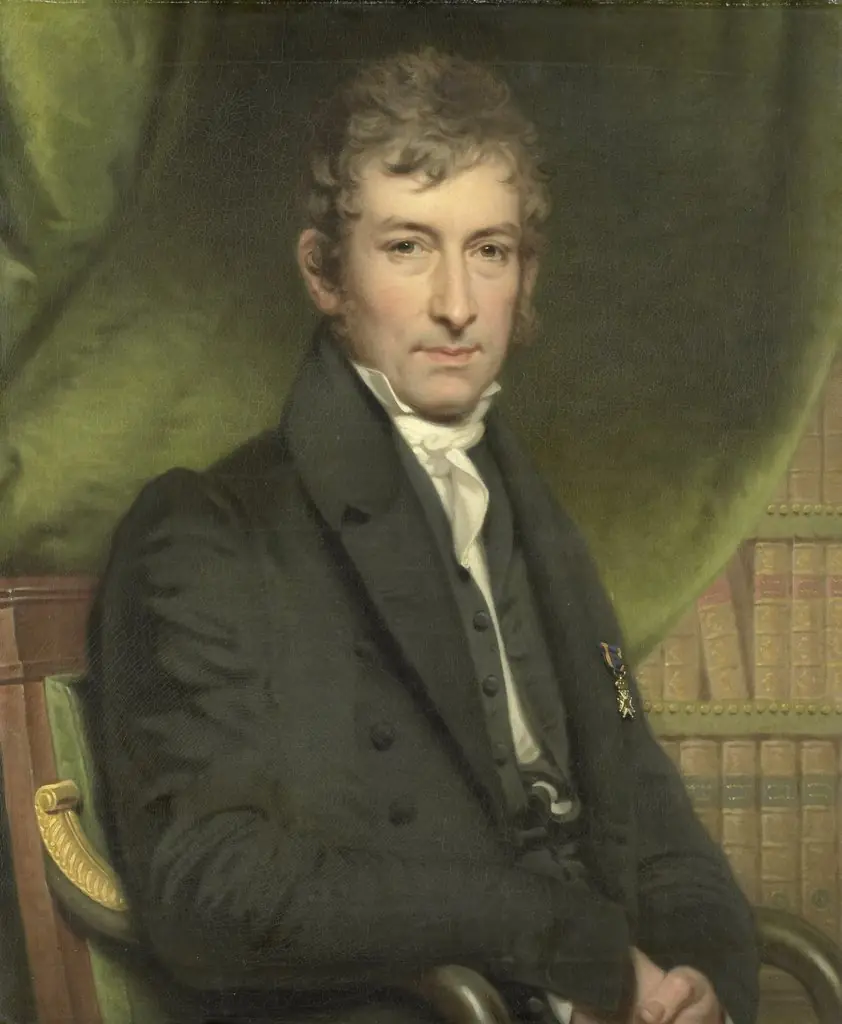 Portrait of Johan Fraser
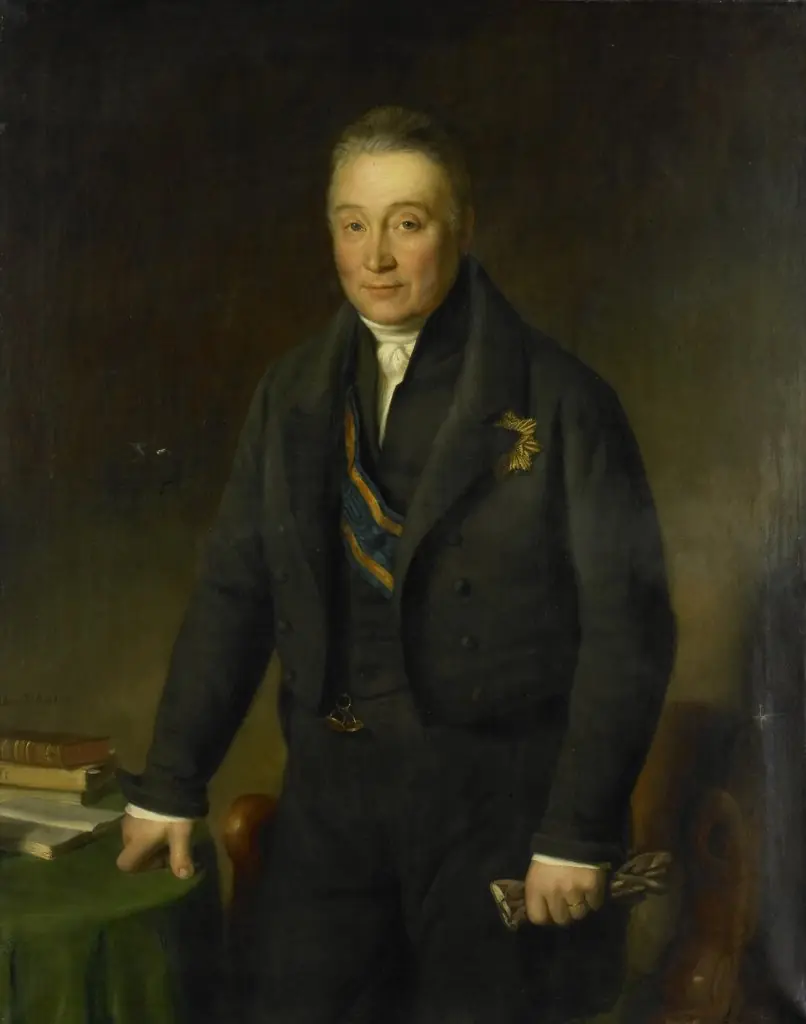 Portrait of Count Adam-François-Jules-Armand van der Duyn van Maasdam
 Portret
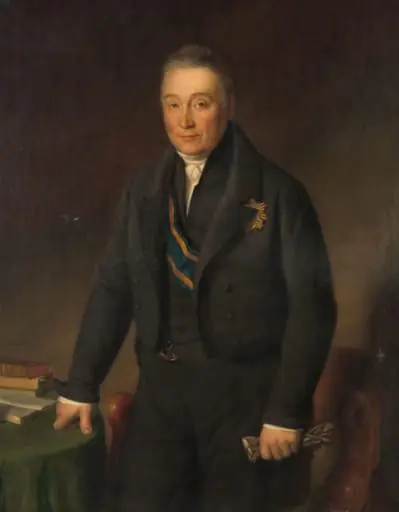 Adam-François-Jules-Armand (1771-1848), Count van der Duyn van Maasdam
 Untitled