Artwork
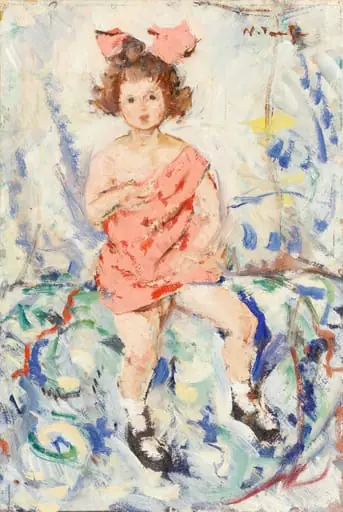
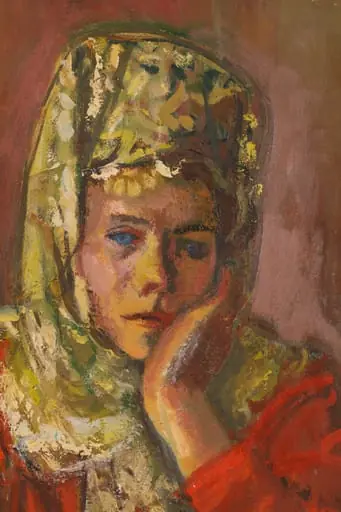
Portret de fată (Studiu din Balcic)
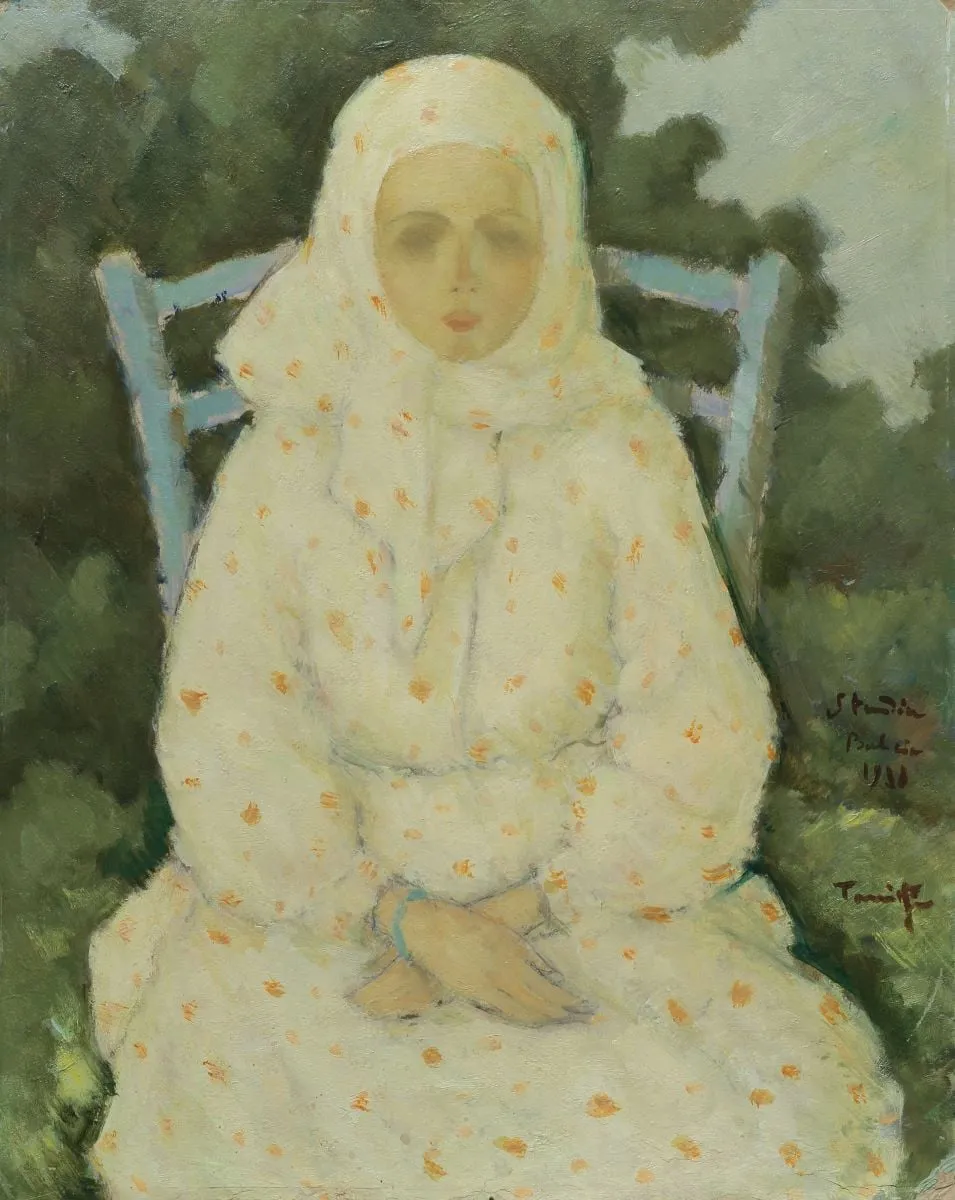
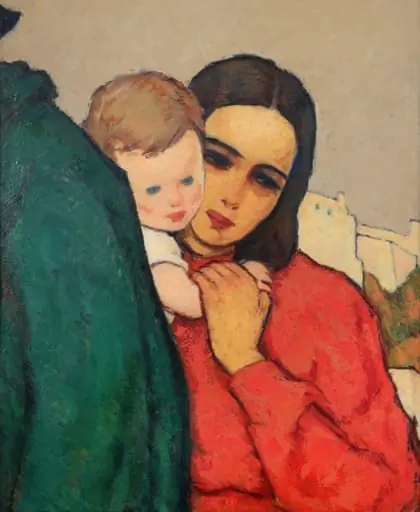
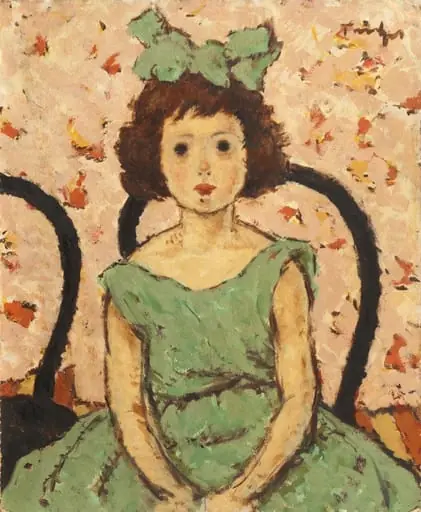
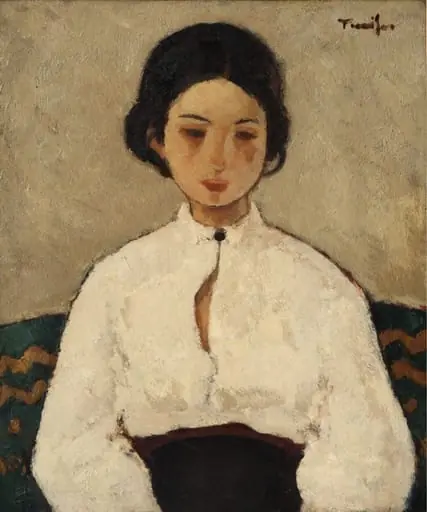
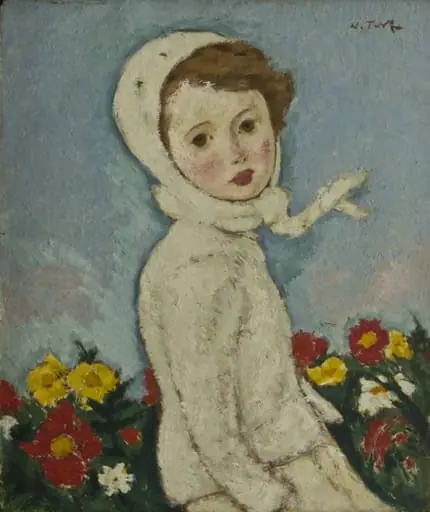
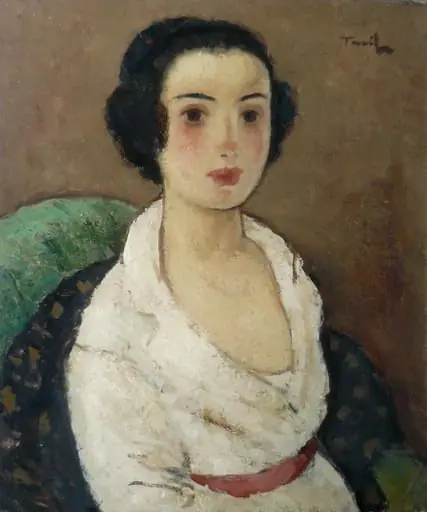
Portret de fată (Studiu din Balcic) is a print by Nicolae Tonitza. It dates from 1923 and is held in the collection of the Museum of Art Cluj-Napoca.
About this work
Overview
Painted around 1923 by Romanian artist Nicolae Tonitza, this portrait captures a seated girl in Balcic, a Black Sea coastal town. The work is part of the Museum of Ethnography’s collection and reflects Tonitza’s interest in rural and regional life during the early 20th century. Its informal composition and tactile brushwork distinguish it from formal portraiture of the era.
Subject & Meaning
The subject is a young girl, dressed in modest, locally worn garments, seated quietly in a wooden chair. Her hooded head and folded hands suggest introspection or stillness, common in Tonitza’s depictions of everyday figures. The absence of narrative detail invites focus on her presence rather than identity, emphasizing quiet dignity over individual story.
Technique & Style
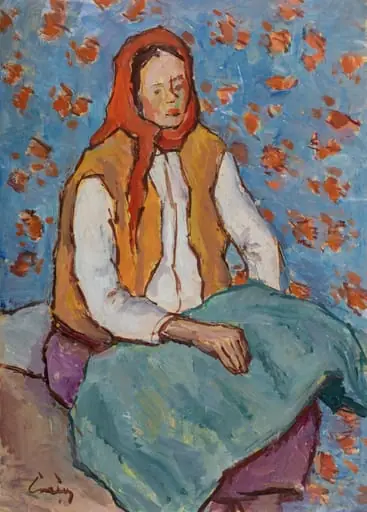
Tonitza employed thick, uneven brushstrokes to build texture, particularly in the fabric’s patterned surface, using impasto to give the cloth a tactile presence. The background is loosely rendered in muted greens and blues, blurring into abstraction. Color is restrained except for the warm orange-brown dots on the garment, which draw the eye without dominating the composition.
History & Provenance
The painting was created during Tonitza’s stays in Balcic, where he often painted local residents. It entered the Museum of Ethnography’s collection in the decades following its creation, likely through donation or acquisition tied to Romania’s interwar cultural preservation efforts. Its documentation remains modest, consistent with works of its type from that period.
Context
In the early 1920s, Romanian artists increasingly turned to rural subjects as part of a broader national identity project. Tonitza, influenced by Post-Impressionism and local traditions, sought to elevate ordinary life through expressive form. This portrait aligns with that movement, rejecting academic idealism in favor of emotional authenticity and regional specificity.
Legacy
Though not widely exhibited, the painting contributes to understanding Tonitza’s evolution as a painter of quiet, unidealized figures. Its emphasis on texture and subdued color influenced later Romanian modernists who valued emotional resonance over formal polish. It remains a quiet example of interwar Romanian art’s engagement with everyday life.
Artist & collection

Artist
Nicolae Tonitza was a Romanian painter, engraver, lithographer, journalist and art critic. Drawing inspiration from Post-Impressionism and Expressionism, he had a major role in introducing modernist guidelines to local art.