Artwork
“The Oak Tree” (Kashiwagi)
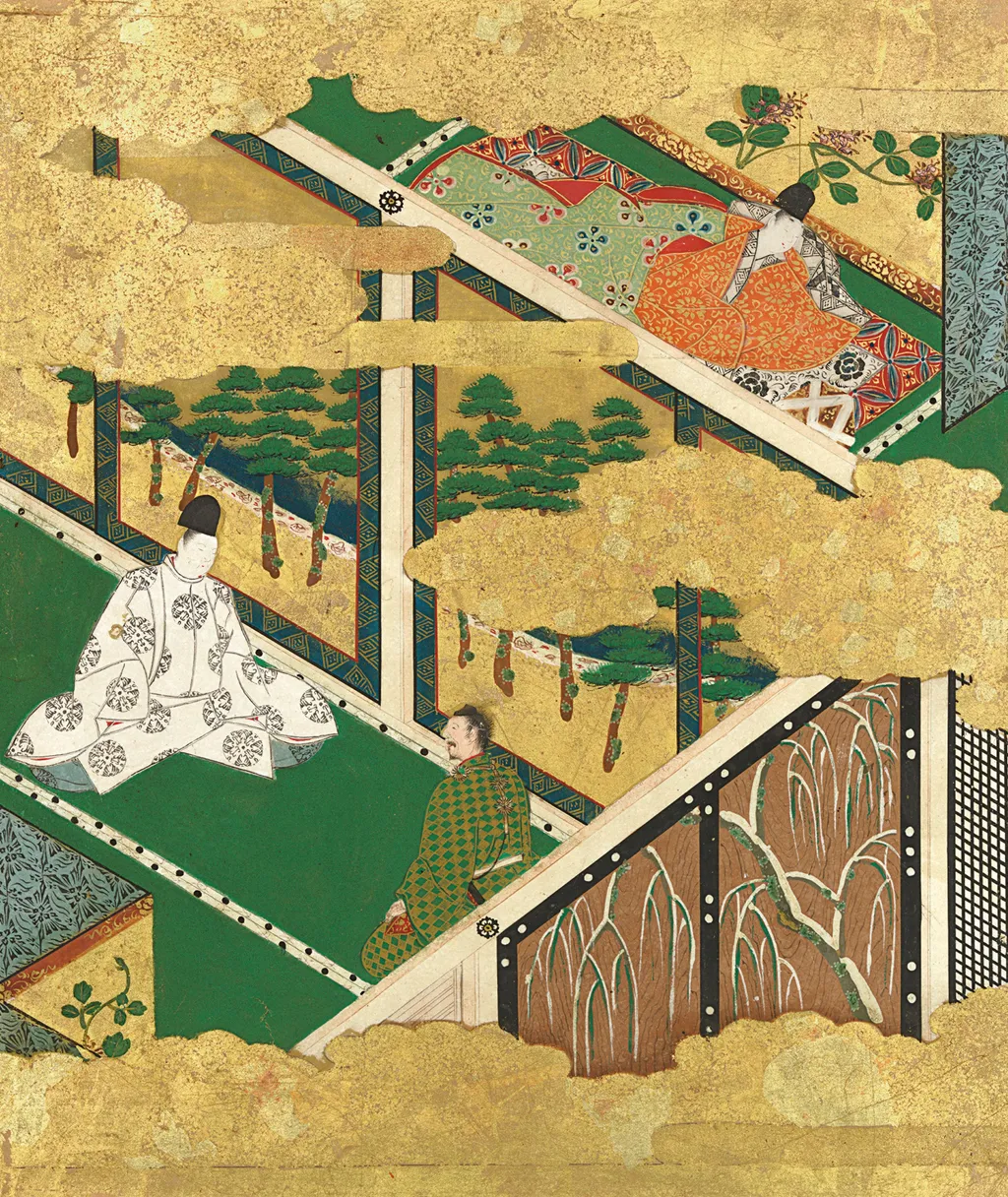
“The Oak Tree” (Kashiwagi) is an unspecified painting by the Tosa School artist Tosa Mitsuyoshi. It dates from 1596 and is held in the collection of the Metropolitan Museum of Art.
About this work
Subject & Meaning
The work portrays a solitary oak rendered in delicate brushwork, a motif traditionally associated with endurance and scholarly contemplation in Japanese aesthetics. The depiction reflects the Tosa school's emphasis on naturalistic detail while invoking the tree as a symbol of stability and continuity within the cultural imagination. Executed in 1590, the painting is housed in the Metropolitan Museum of Art, where it functions as a visual meditation on the enduring qualities of the natural world.
History & Provenance
The artwork’s provenance traces its ownership to the Metropolitan Museum of Art, which acquired it as part of its holdings of Japanese paintings.
The painting known as “The Oak Tree” (Kashiwagi) was created by Tosa Mitsuyoshi in 1590. It entered the collection of the Metropolitan Museum of Art, where it remains on display. The work was produced in Japan and depicts a man.
The artwork’s provenance traces its ownership to the Metropolitan Museum of Art, which acquired it as part of its holdings of Japanese paintings. Its creation history is documented through dated records that place its execution in the late 16th century.
The painting known as "The Oak Tree" (Kashiwagi) by Tosa Mitsuyoshi, dated to 1590, is held in the collection of the Metropolitan Museum of Art. The work, which depicts a man and was created in Japan, forms part of the museum's holdings of Edo-period art. While the specific inventory or accession number is not provided in the available records, the piece is confirmed to be located at the Metropolitan Museum of Art in New York. No further details regarding its exhibition history or specific accession date are recorded in the provided sources.
Overview
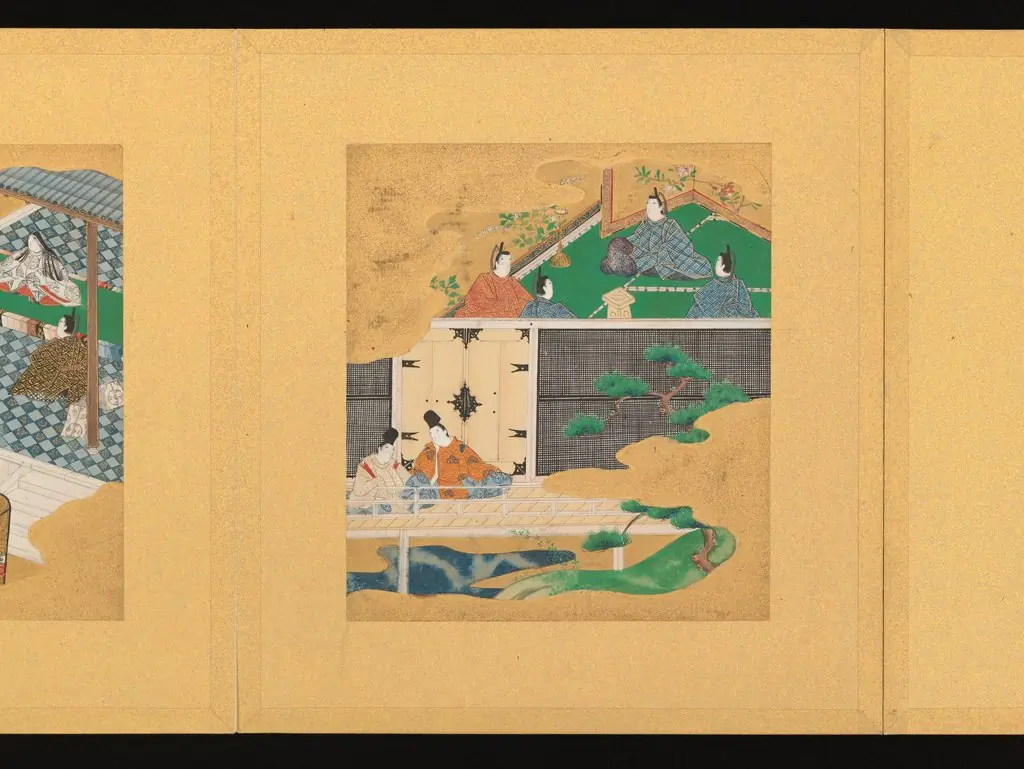
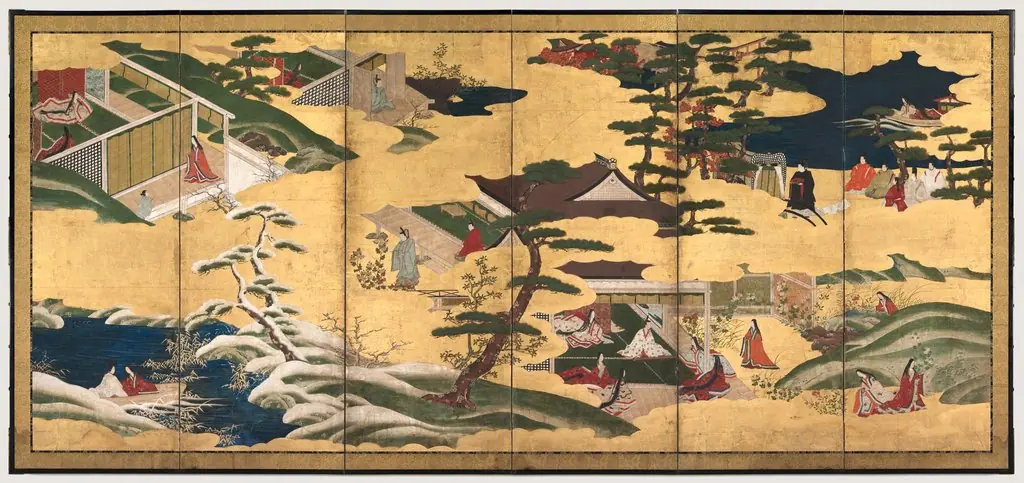
“The Oak Tree” (Kashiwagi) is a Japanese painting executed in 1596 by Tosa Mitsuyoshi. The work, now part of the Metropolitan Museum of Art’s collection, presents a multi‑figure scene arranged on a tiered landscape that includes a bridge, a fence, and a stylised grove of trees. Its composition is organized into distinct color zones that emphasize the figures against a gold‑toned ground.
Technique & Style
Mitsuyoshi employs the flat, decorative approach typical of the Tosa school, using bold, saturated pigments and sharply delineated outlines. The gold background functions both as a decorative surface and as a unifying element, while the layered perspective creates depth without realistic shading, reflecting the courtly aesthetic of late‑Muromachi painting.
Context
The work belongs to a tradition of narrative panels that decorated folding screens and sliding doors in aristocratic residences. Its subject matter, attire, and stylised landscape align with courtly visual culture, where allegorical scenes often conveyed moral or poetic themes linked to seasonal motifs such as the oak.
Own this work as a print
Artist & collection