Artwork
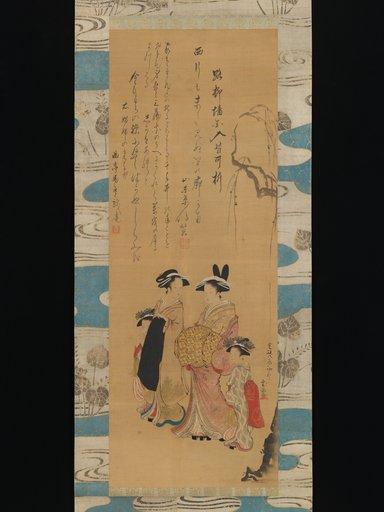
柳下美人図|Courtesan and her Attendants under a Willow Tree
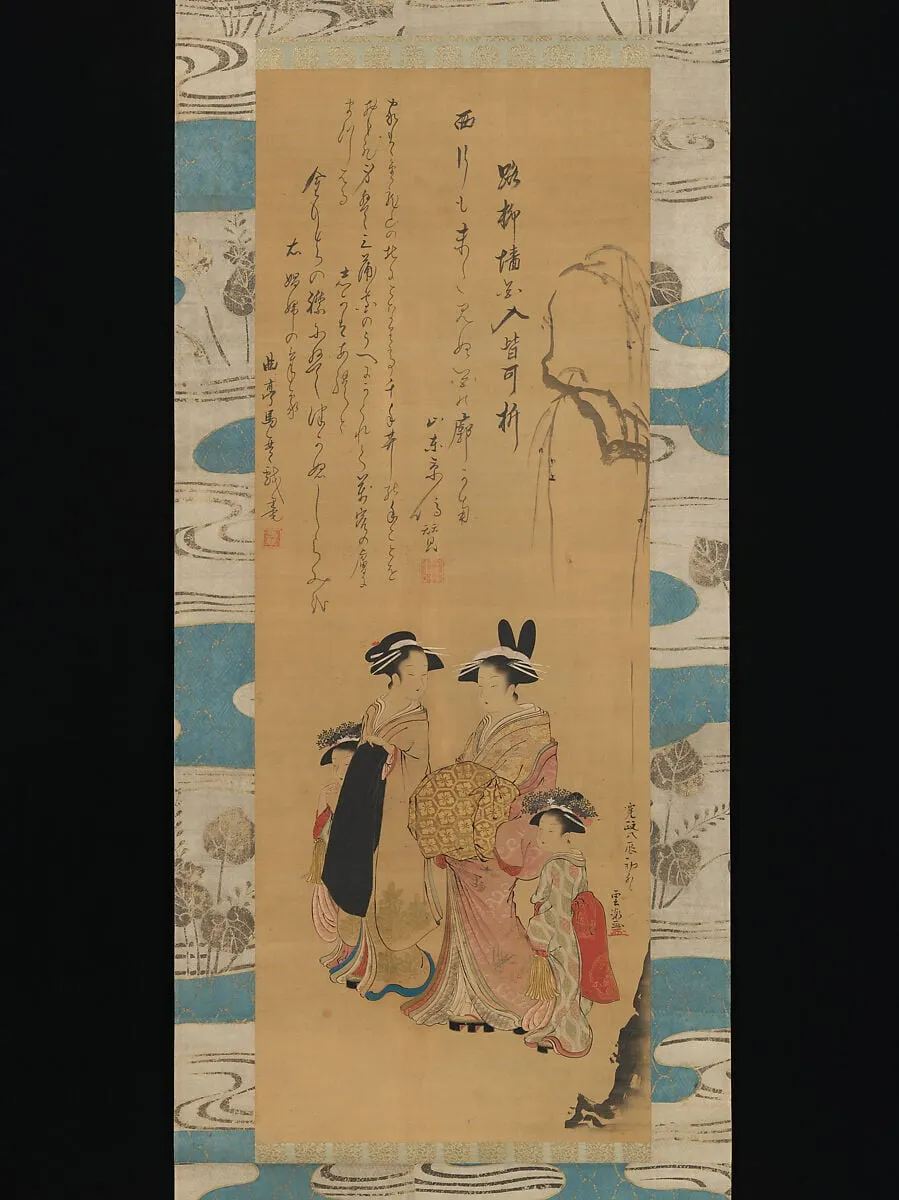
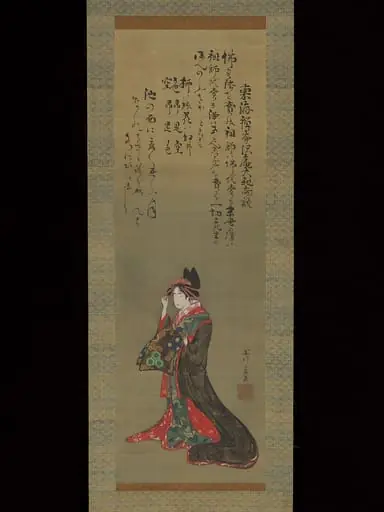
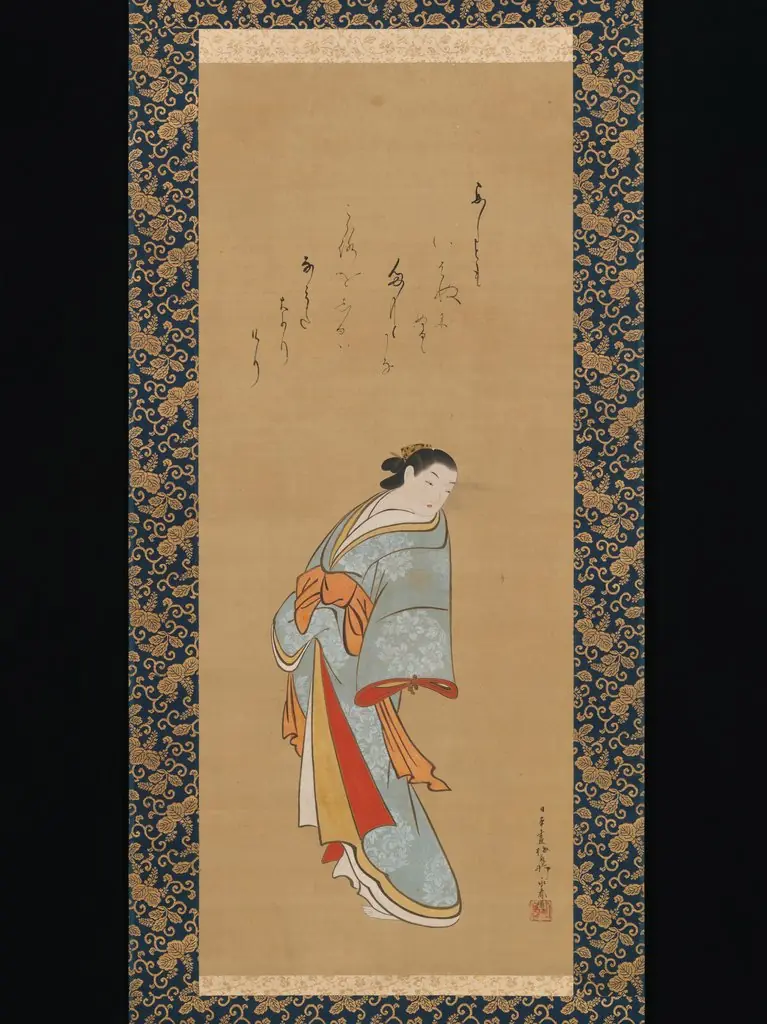
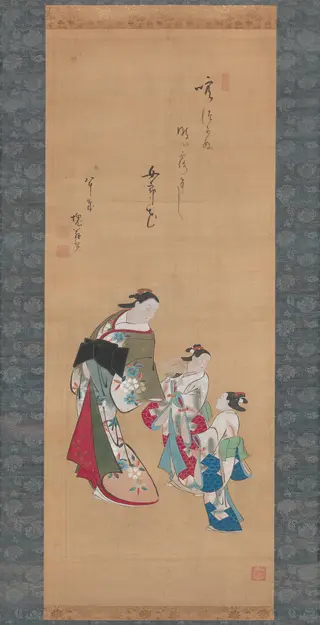
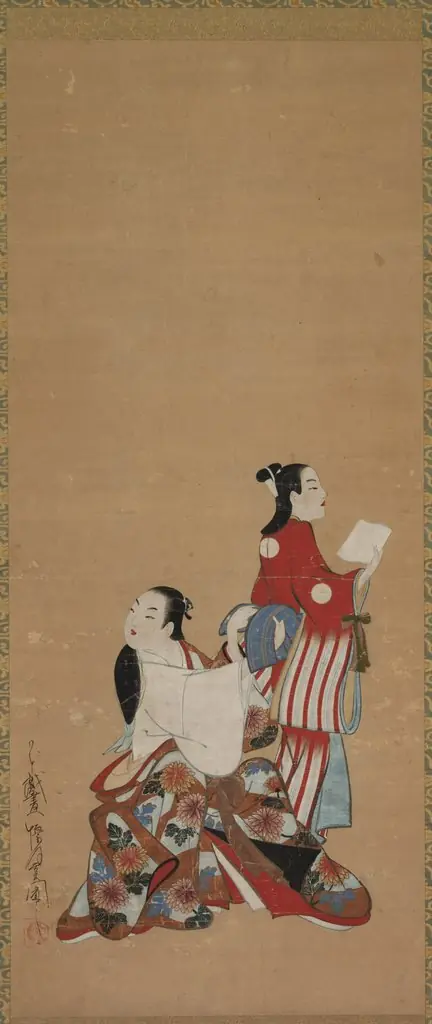
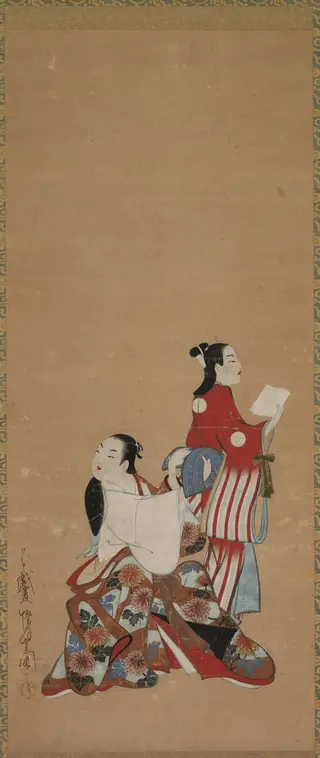
柳下美人図|Courtesan and her Attendants under a Willow Tree is an ink painting by the Baroque artist Unchō 雲潮. It dates from 1796 and is held in the collection of the Metropolitan Museum of Art. Unchō's "Courtesan and her Attendants under a Willow Tree," created in 1796, is a hanging scroll rendered in ink, color, and gold on silk.
About this work
Subject & Meaning
The work is recorded in the Metropolitan Museum of Art’s collection and was made in Japan, underscoring its cultural context.
The painting shows a courtesan accompanied by attendants standing beneath a willow tree, a scene identified as an allegory. The composition was produced in 1735 by the collaborative workshop of Unchō, Kyokutei Bakin, and Santō Kyōden, using ink, color and gold on silk as a hanging scroll.
Its subject matter centers on a young woman and her companions, reflecting contemporary literary motifs. The work is recorded in the Metropolitan Museum of Art’s collection and was made in Japan, underscoring its cultural context.
Technique & Style
Executed in 1735, this work is a hanging scroll painted on silk. The artist employed ink and color, incorporating gold to enhance the visual richness of the composition. The piece depicts a courtesan and her attendants situated beneath a willow tree, rendered in a style characteristic of allegorical painting from the period.
The integration of metallic gold with traditional ink and pigment on a silk support demonstrates the material sophistication typical of Japanese painting from this era.
History & Provenance
Courtesan and her Attendants under a Willow Tree is dated to 1735, a date recorded both in the work's cataloguing data and in its Wikidata entry, which specifies an inception of 1735-01-01. The painting is attributed to Unchō, with Santō Kyōden listed as a creator associated with the work. It is held in the collection of the Metropolitan Museum of Art, where it is located, and no earlier ownership, commission, or chain of custody is documented in the available sources.
The hanging scroll titled 柳下美人図 (Courtesan and her Attendants under a Willow Tree) is part of the Metropolitan Museum of Art’s collection and is housed there in New York. The work is attributed to the circle of Unchō, with collaboration noted from Santō Kyōden and other artists, and was created in 1735 in Japan. The available documentation does not specify an accession or inventory number for the piece, nor does it record any exhibition history in the cited references.
Consequently, the only confirmed provenance detail is its presence in the museum’s holdings as of the sources consulted.
Overview
Unchō's "Courtesan and her Attendants under a Willow Tree," created in 1796, is a hanging scroll rendered in ink, color, and gold on silk. This painting presents a central female figure, likely a courtesan, accompanied by two attendants, all positioned beneath the flowing branches of a willow. The work serves as an allegory, offering insight into Edo-period society.
Context
This painting was originally conceived as an illustration for a kibyōshi, a popular genre of Japanese picture books aimed at adult audiences during the Edo period. Unchō himself was a prolific writer, known for narratives that skillfully combined satirical humor with astute observations on contemporary social issues. This dual role informed his visual art, allowing him to embed deeper meanings within seemingly straightforward depictions.
Legacy
Unchō's artistic and literary endeavors align with the broader cultural trends of his era, particularly within the realm of kibyōshi and satirical art. For those interested in comparable works that blend visual storytelling with social critique from the same period, the oeuvre of Santō Kyōden offers a significant point of reference, showcasing similar thematic and stylistic approaches to Edo-period life.
Artist & collection
Artist
Unchō was a Japanese ukiyo-e painter of the Edo period whose identity remains unknown.