Artwork
明 佚名 游仙圖 卷|Daoist Immortals in a Landscape
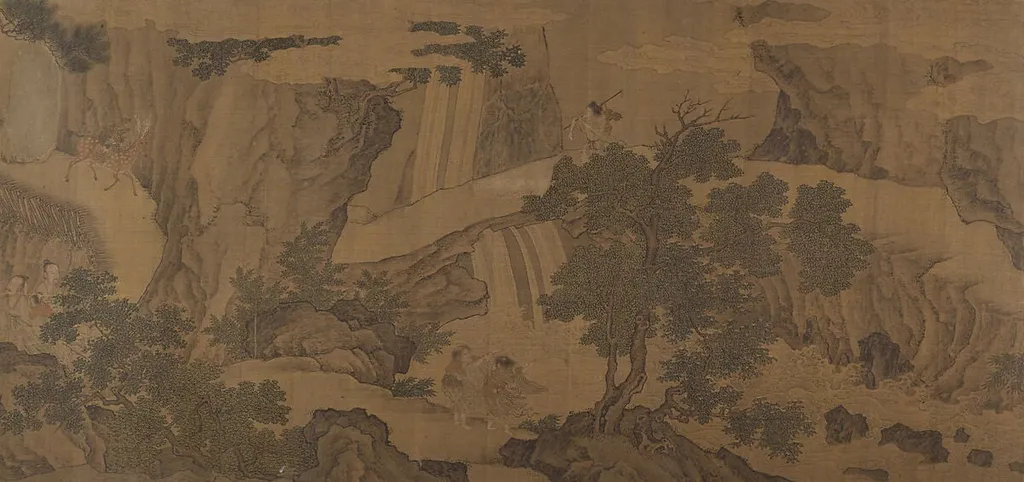
明 佚名 游仙圖 卷|Daoist Immortals in a Landscape is an ink painting. It dates from 1549 and is held in the collection of the Metropolitan Museum of Art.
About this work
History & Provenance
The work is attributed to an anonymous artist from the Ming dynasty, as no specific painter is identified in the historical record.
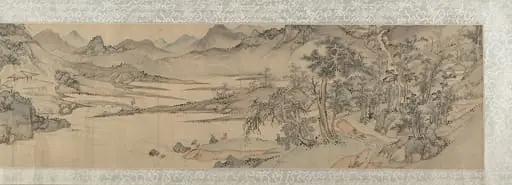
The handscroll titled Daoist Immortals in a Landscape, also known as Youxian tu, was created in 1549 in China. The work is attributed to an anonymous artist from the Ming dynasty, as no specific painter is identified in the historical record. Executed in ink and color on silk, the piece belongs to the landscape genre and depicts figures within a natural setting.
Since its creation, the scroll has entered the collection of the Metropolitan Museum of Art, where it is currently held. The precise circumstances regarding its original commission or the identity of the initial patron remain undocumented, reflecting the common practice of attributing works of this period to unknown masters when specific biographical data is absent. The artifact serves as a significant example of mid-sixteenth-century Chinese landscape painting.
Context
The work is a handscroll from 1549, attributed to an anonymous Ming dynasty painter, depicting Daoist immortals in a landscape. It is housed in the Metropolitan Museum of Art. Scholarship identifies it as part of Daoist thematic trends in mid-Ming painting, reflecting religious syncretism and literati interest in spiritual narratives.
Critical reception notes its delicate brushwork and use of color to convey ethereal atmosphere, positioning it within the evolution of Chinese landscape painting toward more symbolic content. Its anonymity underscores workshop practices and the transmission of Daoist iconography in elite circles.
Legacy
The handscroll, dated 1549 and attributed to an anonymous Ming-era painter, is housed in the Metropolitan Museum of Art, where its depiction of Daoist immortals within a lyrical landscape has become a touchstone for studies of religious imagery in Chinese painting. Because the work is anonymously created yet meticulously rendered, scholars cite it when examining the transmission of Daoist motifs in later centuries, noting that its composition influenced subsequent depictions of celestial beings in Chinese art. Its presence in a major public collection has reinforced its reputation as a representative example of 16th-century landscape painting that blends spiritual narrative with naturalistic detail.
Overview
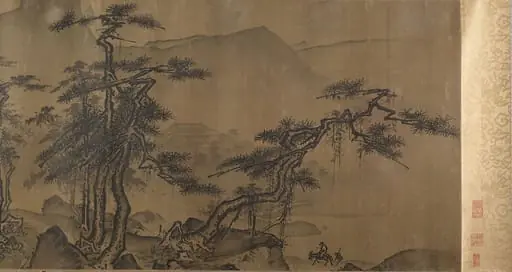
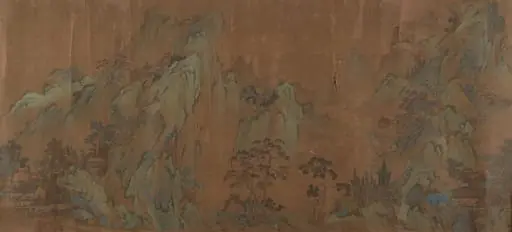
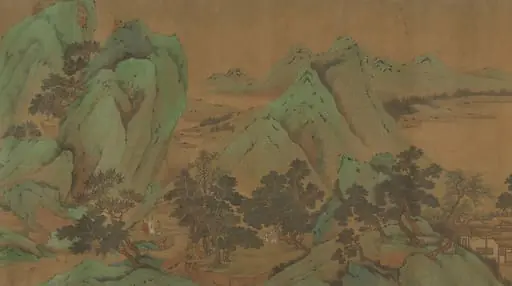
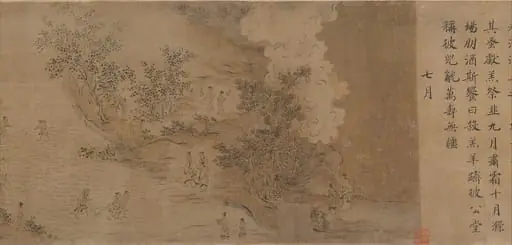
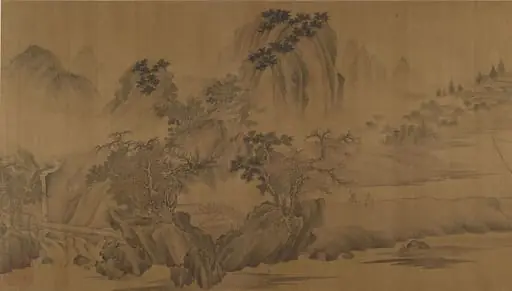
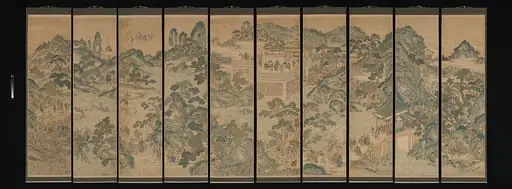
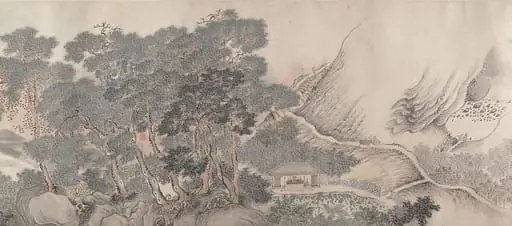
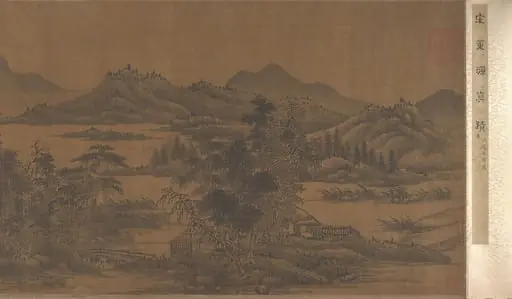
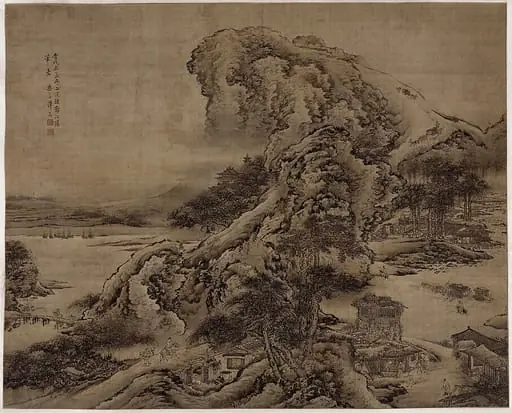
This anonymous Ming dynasty handscroll, "Daoist Immortals in a Landscape," depicts a serene gathering of figures amidst a misty, mountainous terrain. Executed with ink and delicate colors on silk, the painting invites viewers to slowly unroll its length, revealing a continuous narrative or scene. The artwork exemplifies the traditional Chinese handscroll format, designed for intimate contemplation rather than public display.
Subject & Meaning
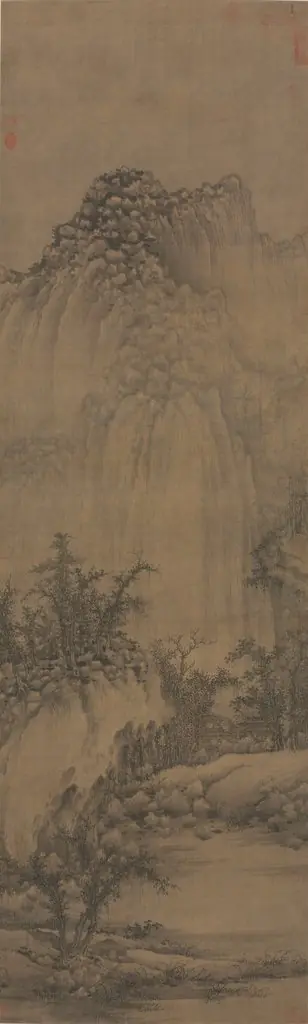
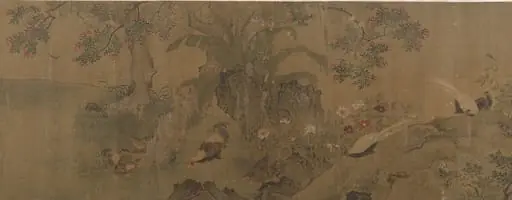
The scroll features Daoist immortals, identifiable by their tranquil expressions, flowing garments, and staffs. They are situated within an ethereal mountain landscape, characterized by towering pine trees and rugged peaks partially obscured by mist. The presence of small birds and clouds further animates the scene, suggesting a realm of spiritual tranquility and natural harmony, central tenets of Daoist philosophy.
Technique & Style
Rendered in ink and soft pigments on silk, the painting demonstrates a refined approach to landscape and figure representation. The artist utilized the luxurious silk medium to achieve subtle gradations of color and texture, particularly evident in the blending of mist and the depiction of natural forms. The handscroll format dictates a horizontal progression, with each segment designed to unfold new visual information as it is viewed.
Artist & collection