Artwork
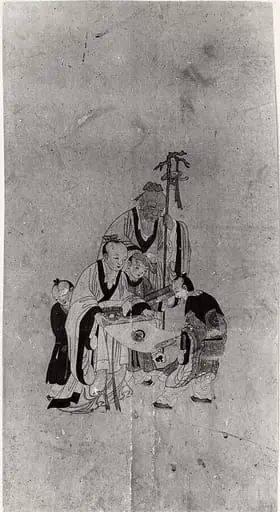
明/清 佚名 舊傳方從義 三學士圖 軸|The Three Scholars
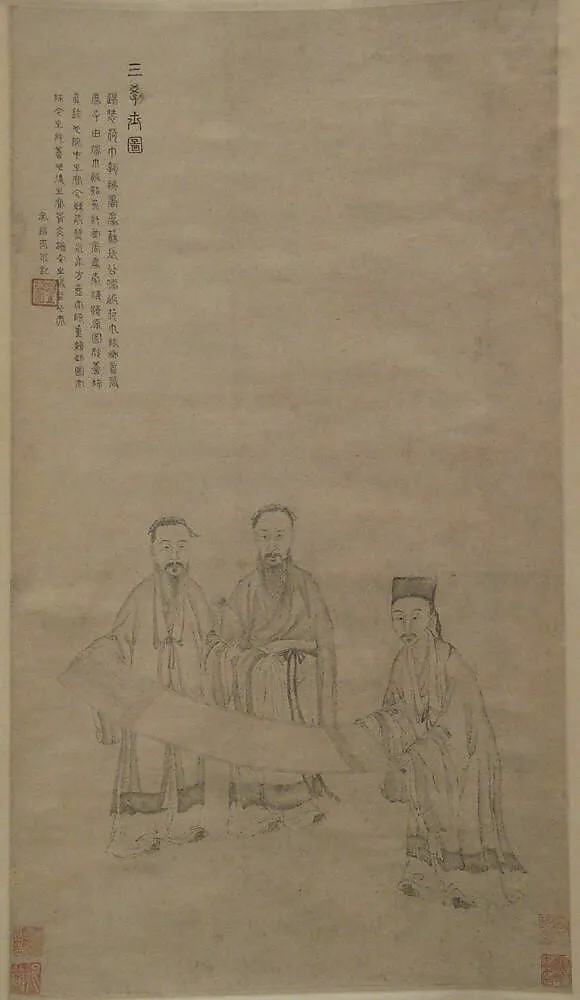
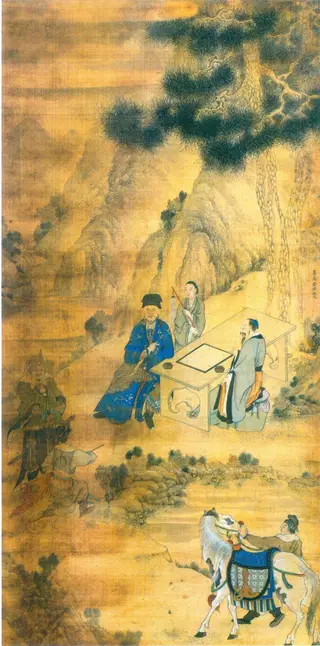
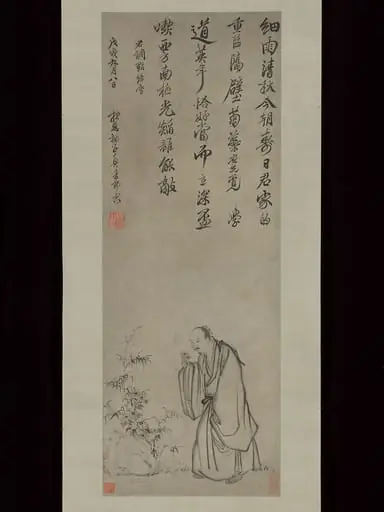
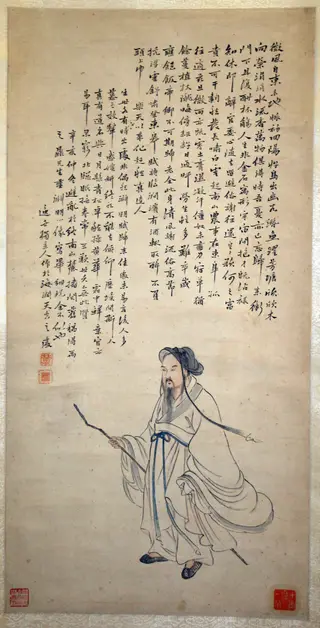
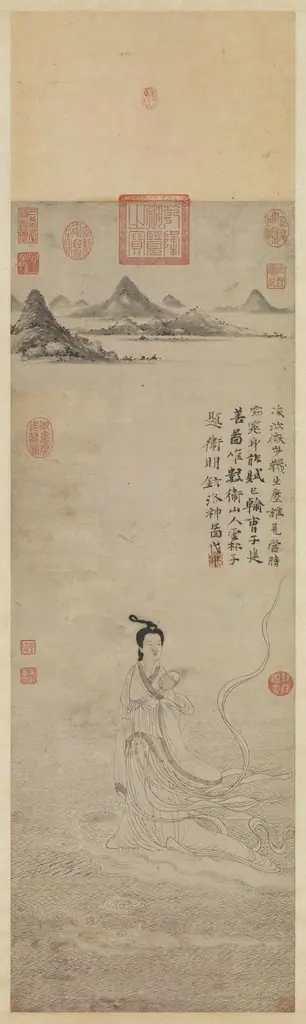
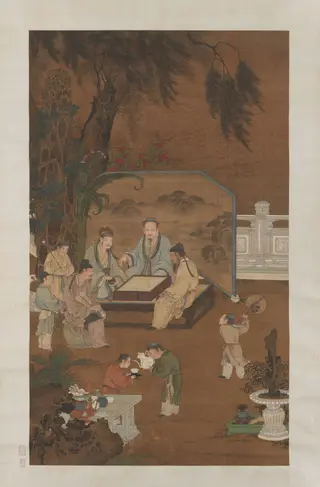
明/清 佚名 舊傳方從義 三學士圖 軸|The Three Scholars is an ink painting by the Baroque artist After Fang-hu. It dates from 1777 and is held in the collection of the Metropolitan Museum of Art. The hanging scroll, executed in ink on paper, presents a quiet gathering of three scholarly figures seated beneath a pine tree.
About this work
Technique & Style
As a portrait genre painting, it depicts a male figure, adhering to the stylistic conventions of anonymous Chinese painters from the late eighteenth century.
The work is a hanging scroll executed in ink on paper, a traditional medium for Chinese portraiture. Created in 1777, the piece measures 84.1 cm in height and 47.3 cm in width. As a portrait genre painting, it depicts a male figure, adhering to the stylistic conventions of anonymous Chinese painters from the late eighteenth century. The support material and ink application reflect standard techniques of the period for this classification of artwork.
History & Provenance
Created in 1777 in China, this hanging scroll executed in ink on paper was historically attributed to Fang-hu but is now recognized as the work of an anonymous artist. The piece, titled The Three Scholars, depicts male figures and entered the collection of the Metropolitan Museum of Art, where it remains housed. While specific details regarding its original commission or intermediate ownership history are not provided in the available records, the work's inception date and physical dimensions of 84.1 by 47.3 units are documented.
The hanging scroll known as The Three Scholars, traditionally attributed to Fang Congyi but executed by an anonymous artist in 1777, is held in the collection of the Metropolitan Museum of Art. The work, rendered in ink on paper, measures 84.1 cm in height and 47.3 cm in width. While the piece is cataloged within the museum's paintings department as a portrait depicting men, the available records do not specify a unique accession number or detail any past exhibition history for this specific object.
Context
The hanging scroll dated 1777, executed in ink on paper, exemplifies Qing‑era portraiture through its depiction of an unidentified scholar‑official, reflecting the era’s emphasis on literati representation. As an anonymous work attributed to a follower of Fang‑hu, it illustrates the continuation of court‑linked artistic circles in late 18th‑century China. Scholars studying the piece note its role in documenting elite masculine identity within the Qing visual culture, and its inclusion in the Metropolitan Museum of Art’s collection has facilitated comparative analyses of anonymous portraiture across the dynasty.
Overview
The hanging scroll, executed in ink on paper, presents a quiet gathering of three scholarly figures seated beneath a pine tree. Rendered in monochrome tones, the composition captures a moment of informal conversation, with each man holding a scroll and dressed in traditional long robes.
Subject & Meaning
The work portrays the ideal of the cultivated gentleman, emphasizing friendship and literary exchange. The pine, a symbol of longevity and steadfastness, frames the scholars, reinforcing themes of moral endurance and the shared pursuit of knowledge.
Artist & collection