Artwork
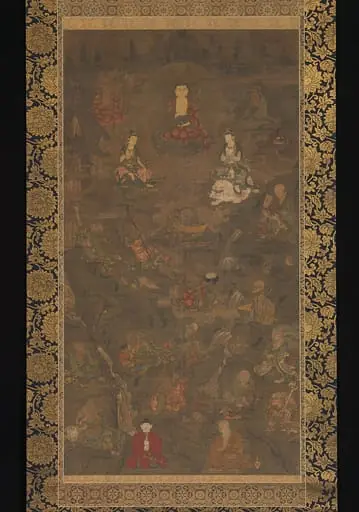
清 陳字 洗象圖 軸|Washing the White Elephant
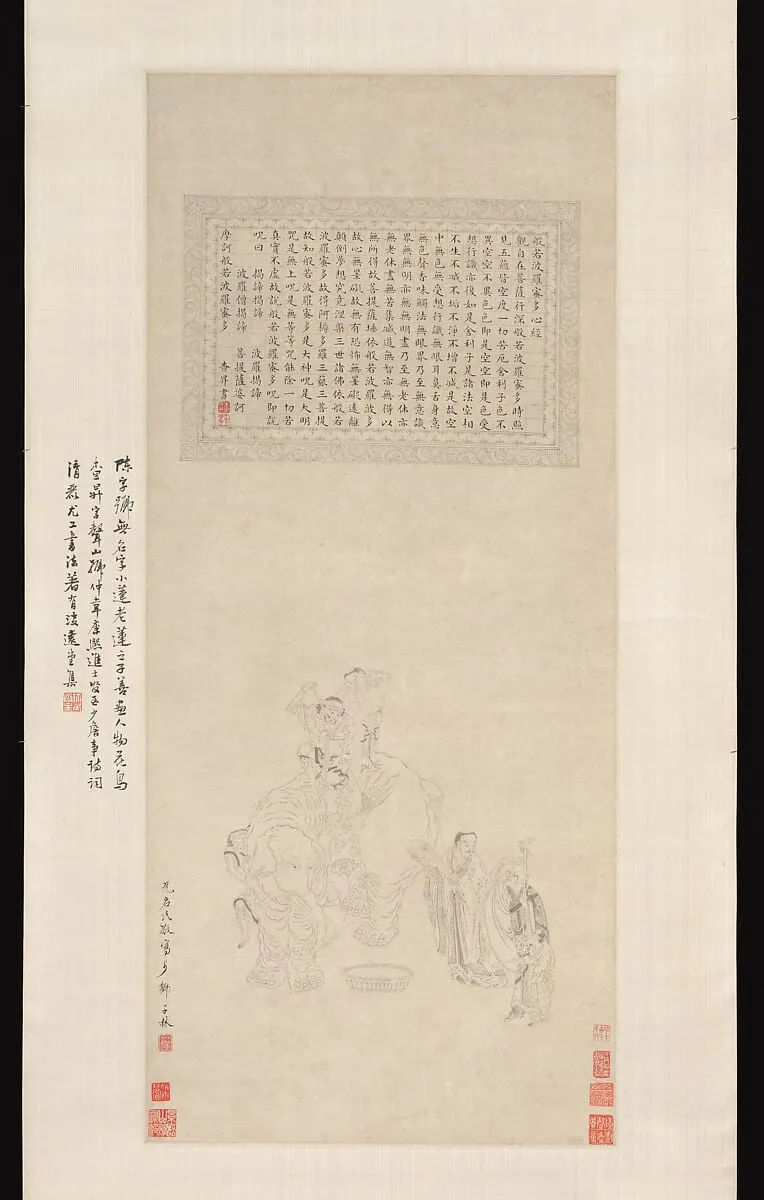
清 陳字 洗象圖 軸|Washing the White Elephant is an ink painting by the Baroque artist Chen Zi. It dates from 1677 and is held in the collection of the Metropolitan Museum of Art.
About this work
Technique & Style
The composition arranges the white elephant centrally, its bulk framed by a minimal setting that focuses attention on the ritual act of washing.
Painted in 1677 as a hanging scroll, the work employs ink on paper, exploiting the medium's tonal range to model the elephant's form and the attendant's gestures.
The handling emphasizes fluid, descriptive outlines for the animal's musculature and folds of skin, while diluted washes suggest volume and texture without sacrificing line. The composition arranges the white elephant centrally, its bulk framed by a minimal setting that focuses attention on the ritual act of washing.
History & Provenance
The hanging scroll titled Washing the White Elephant was created by the artist Chen Zi in 1677. Executed in ink on paper, this religious work depicts a human figure washing an elephant and originates from China. It is held in the collection of the Metropolitan Museum of Art as part of its holdings of Chinese painting. The source material does not provide a specific accession number or details regarding the work's exhibition history.
Context
Chen Zi's 1677 hanging scroll Washing the White Elephant, executed in ink on paper, is held by the Metropolitan Museum of Art and exemplifies Qing-period painting through its depiction of a human figure washing an elephant. The motif of washing the white elephant carries Buddhist associations with the cleansing of delusion. Its inclusion in the museum's collection situates the piece within the broader trajectory of Chinese Buddhist-themed art during the late Ming to early Qing transition.
Overview
Washing the White Elephant is a hanging scroll executed in ink on paper by the Chinese artist Chen Zi in 1677. The work depicts a ritual purification scene where a robed figure attends to a large white elephant, a sacred animal often associated with Buddhist iconography and imperial symbolism. The composition relies on the expressive potential of ink wash and brushwork to define the massive, calm form of the elephant against the spare background.
Chen Zi renders the animal's skin with textured strokes that suggest volume and weight, while the attendant figure is portrayed with deliberate, respectful gestures, emphasizing the ceremonial nature of the act rather than a mundane bathing scene. Created during the early Qing dynasty, this piece exemplifies Chen Zi's skill in religious narrative painting, blending traditional subject matter with a dynamic, calligraphic approach to form. The work stands as a significant example of 17th-century Chinese ink painting, illustrating the intersection of religious devotion and courtly symbolism through a restrained yet powerful visual language.
Subject & Meaning
The painting depicts a significant ritual rather than a mundane act of cleaning. The white elephant is understood as a sacred offering from the emperor, imbuing the act of washing with spiritual importance. Chen Zi captures the animal's inherent tranquility and power, alongside the human figure's respectful engagement. This scene conveys a sense of reverence for the creature and the ceremonial nature of its care.
Artist & collection

- Layered Peaks and Splashing Waterfall: Portrait of Hua Yan as a Young Man
 元王振鵬龍舟圖 卷
 Three Visits to a Thatched Cottage
 The Chinese Poet Pan Lang on a Donkey
 元 王蒙 丹崖翠壑圖 軸|Red Cliffs and Green Valleys
 清 佚名 仿張風 摘菊圖 軸|Plucking Chrysanthemums
 Shuyadō (Studio of Lofty Rusticity)
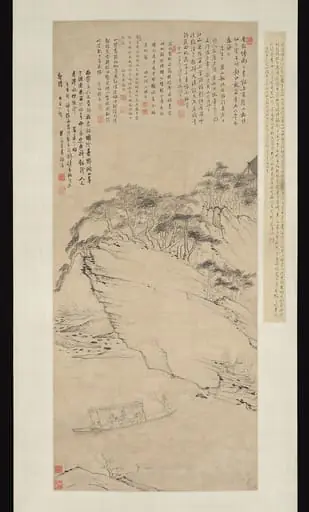 清 倣梅清 響山泛舟圖 軸|Boating beneath Echo Hill
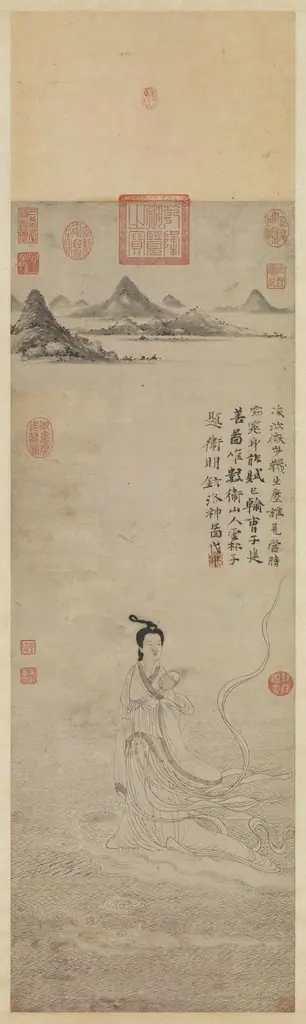 Nymph of the Luo River
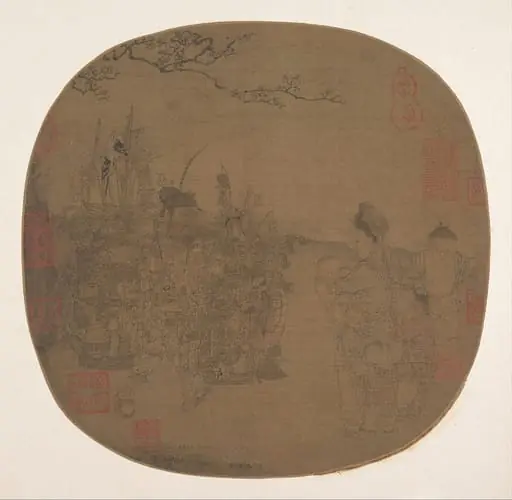 元/明 佚名 絹本設色 貨郎嬰戲圖 扇頁|Knickknack Peddler
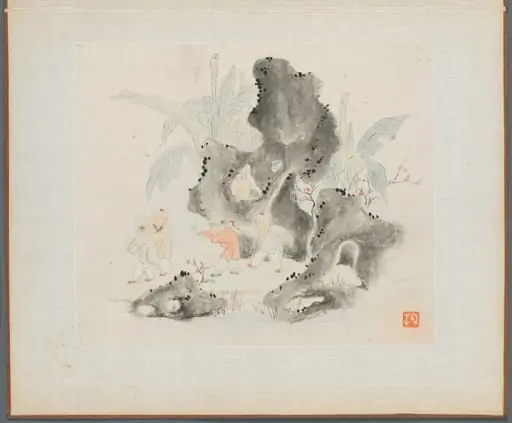 Album of Landscape Paintings Illustrating Old Poems: Children Playing Blindman's Buff in a Garden
 鄭旼 黃山八景 水墨紙本 九開冊|Eight views of the Yellow Mountains