Artwork
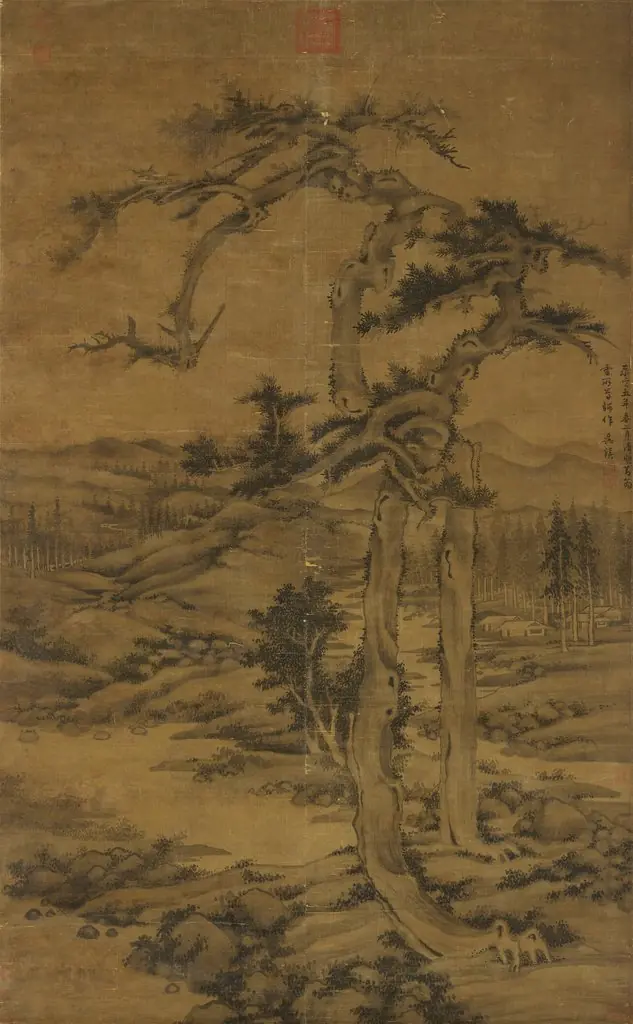
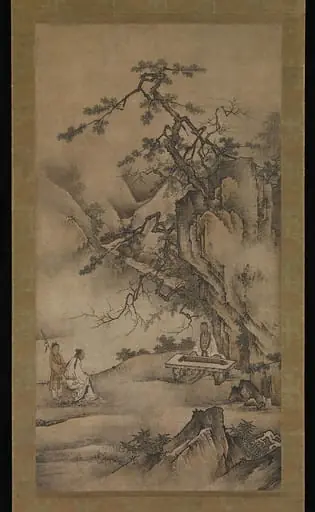
明 佚名 松鶴圖 軸|Scholar and Attendant in Mountain Retreat
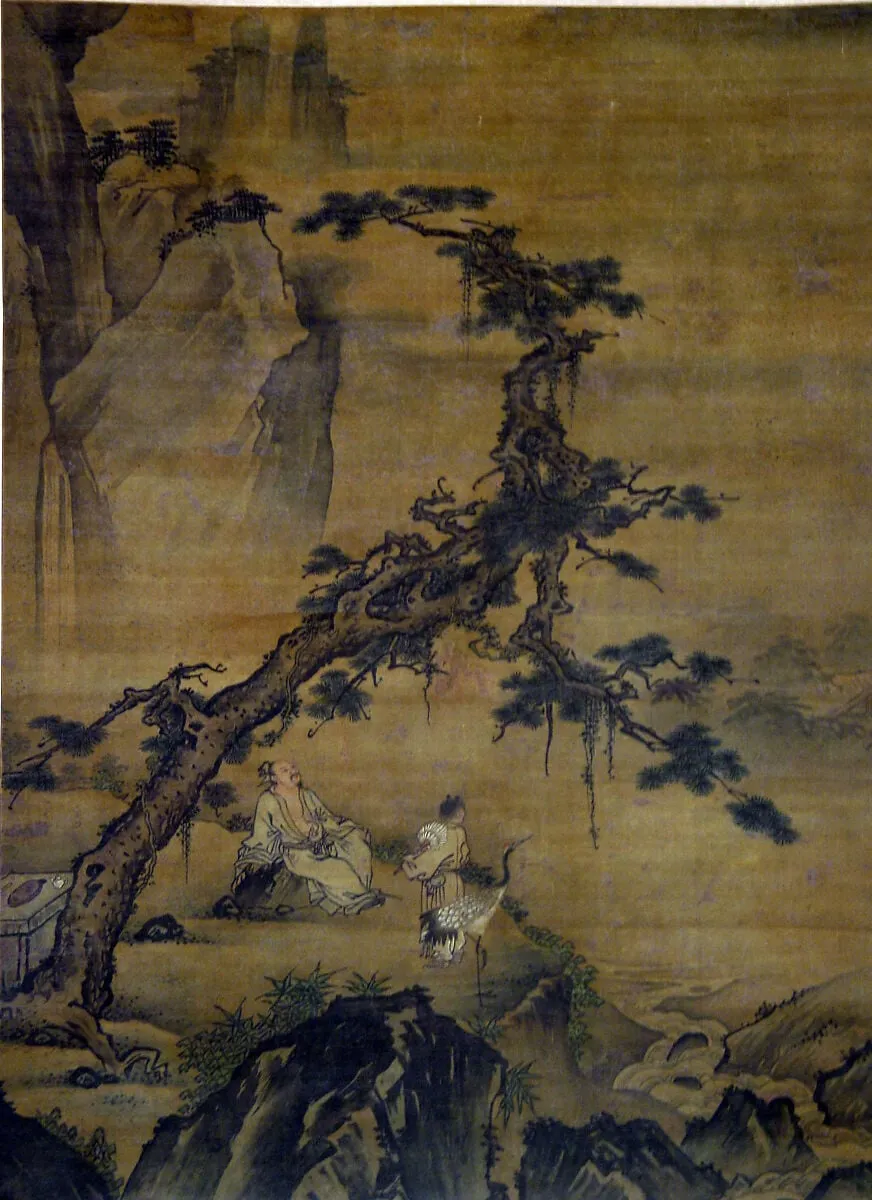
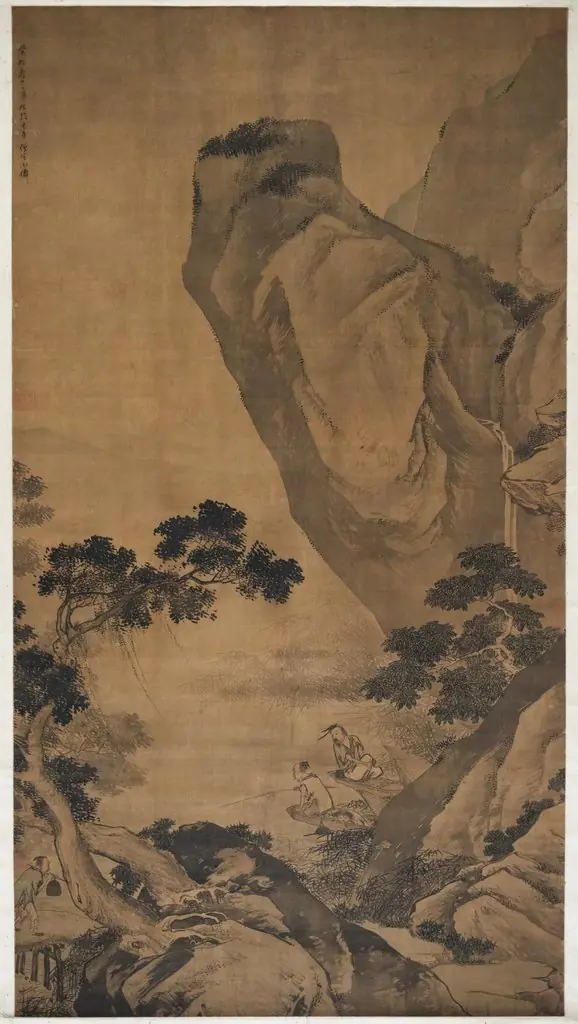
明 佚名 松鶴圖 軸|Scholar and Attendant in Mountain Retreat is an ink painting. It dates from 1639 and is held in the collection of the Metropolitan Museum of Art. This hanging scroll, titled Scholar and Attendant in Mountain Retreat, is an anonymous work from the Ming dynasty.
About this work
Subject & Meaning
The pine tree, another key element, represents endurance and resilience, often associated with the virtuous scholar-official who withstands adversity.
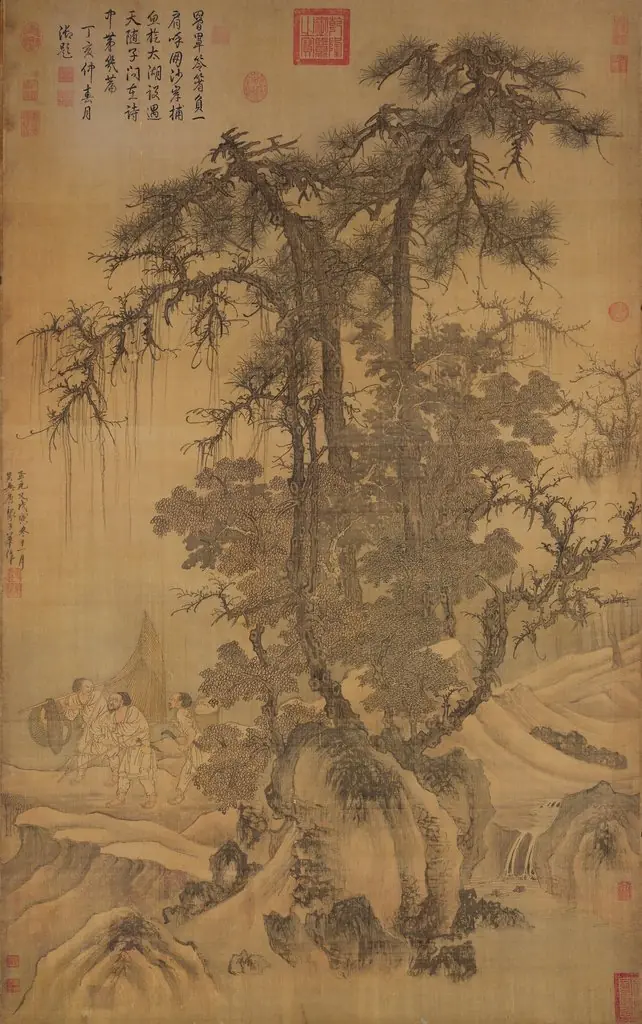
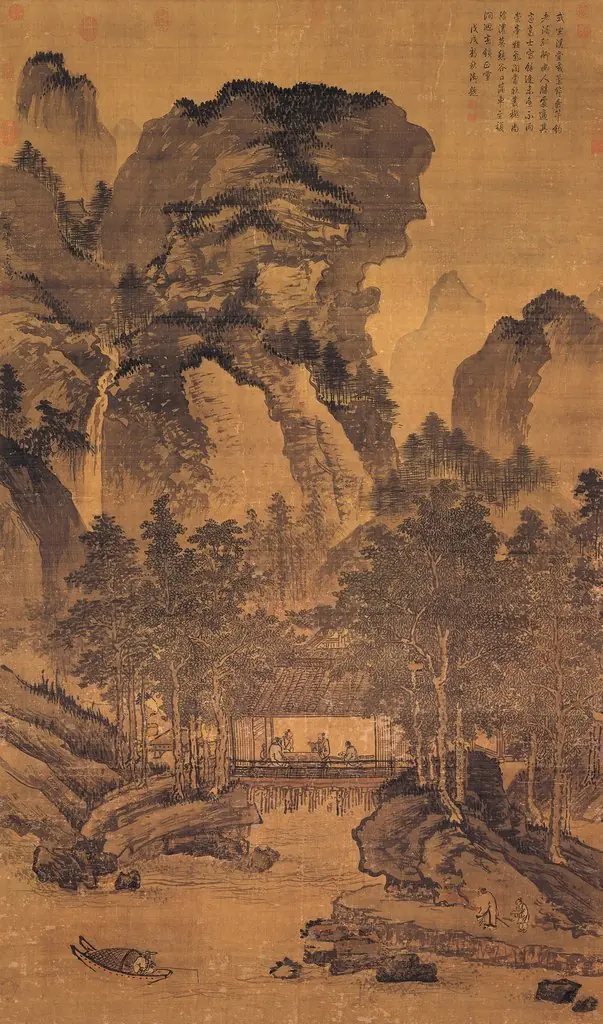
The hanging scroll Scholar and Attendant in Mountain Retreat (1639) depicts a tranquil scene of a scholar and his attendant amidst a mountainous landscape, featuring pine trees and cranes. The crane, a recurring motif in Chinese art, symbolizes longevity, nobility, and immortality, reflecting Confucian and Daoist ideals of harmony with nature and scholarly retreat. The pine tree, another key element, represents endurance and resilience, often associated with the virtuous scholar-official who withstands adversity.
The mountainous setting evokes seclusion and spiritual elevation, emphasizing the scholar’s withdrawal from worldly concerns to pursue intellectual and moral cultivation. Together, these elements convey themes of wisdom, transcendence, and the idealized life of the literati.
Technique & Style
Executed on silk, the work employs ink and mineral- or plant-based pigments typical of Ming painting, with dense, layered mineral blues and greens over a fine ink wash underdrawing. Compositionally, the painter uses a diagonal recession into layered, jagged peaks that frame a central pine, its gnarled trunk articulated by wet brush texture strokes and fine ink lines for bark and needles. The scholar and attendant are rendered with diluted ink and delicate color washes, their figures subordinated to the monumental landscape. The handling shows careful control of brush pressure for both linear definition and atmospheric recession.
History & Provenance
The hanging scroll titled Scholar and Attendant in Mountain Retreat, also cataloged as Pine and Crane, was created in China in 1639. The work is attributed to an unknown artist of the Ming dynasty tradition. Executed in ink and color on silk, the painting measures 133.4 cm in height and 97.8 cm in width, and depicts a scholar accompanied by an attendant amidst a mountainous landscape featuring cranes and pine trees.
The work is held in the collection of the Metropolitan Museum of Art in New York. The available records do not provide a specific accession number, nor do they document exhibition history or provenance details regarding its transfer to the museum.
Overview
This hanging scroll, titled Scholar and Attendant in Mountain Retreat, is an anonymous work from the Ming dynasty. Executed with ink and color on silk, the painting depicts two figures within a serene natural setting. It encapsulates a common theme in Chinese art: the pursuit of tranquility and intellectual contemplation amidst the beauty of the natural world, away from urban life.
Artist & collection