Artwork
Untitled
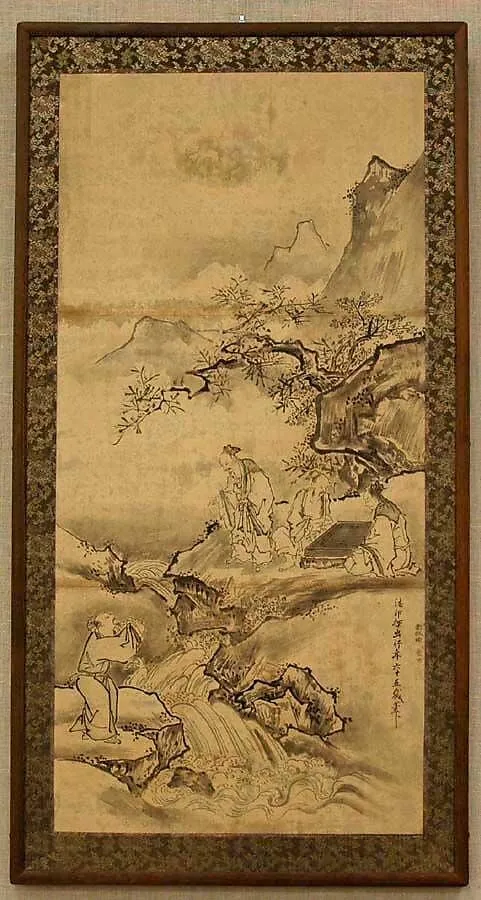
Untitled is an ink painting by the Baroque artist Kano Tan'yū. It dates from 1666 and is held in the collection of the Metropolitan Museum of Art.
About this work
Subject & Meaning
Created by Kano Tan'yū in 1666, this work is classified as a landscape painting that depicts a specific narrative scene rather than a purely abstract view.
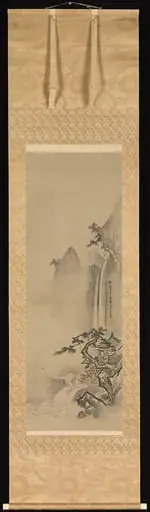
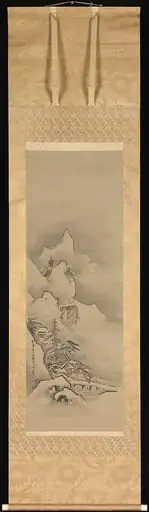
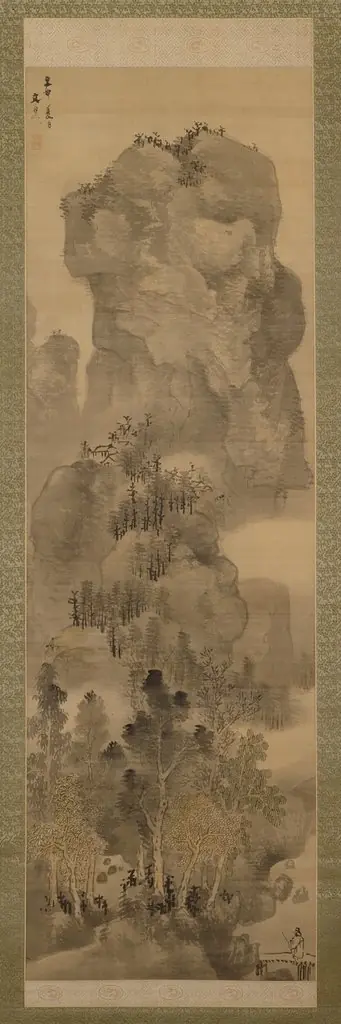
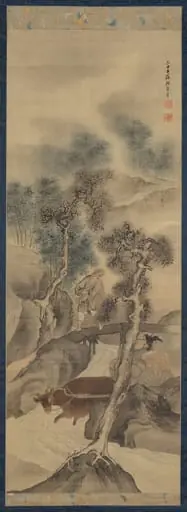
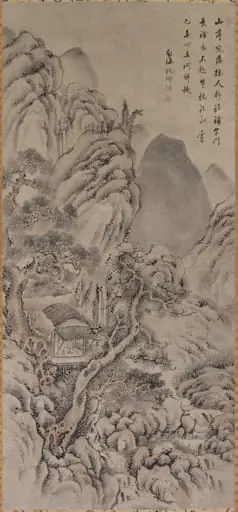
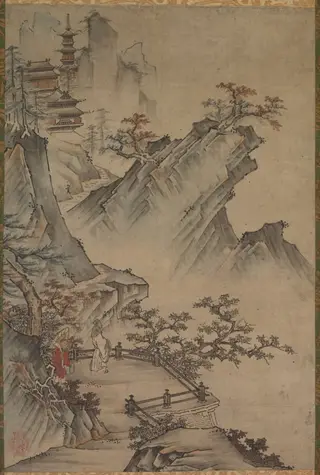
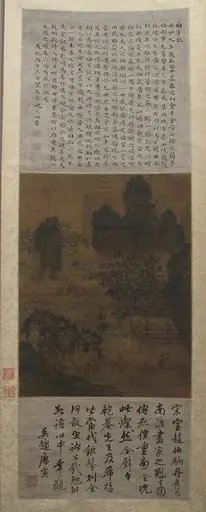
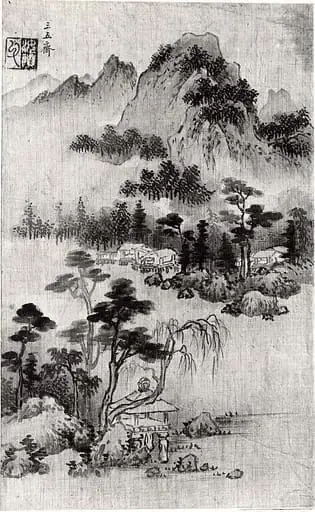
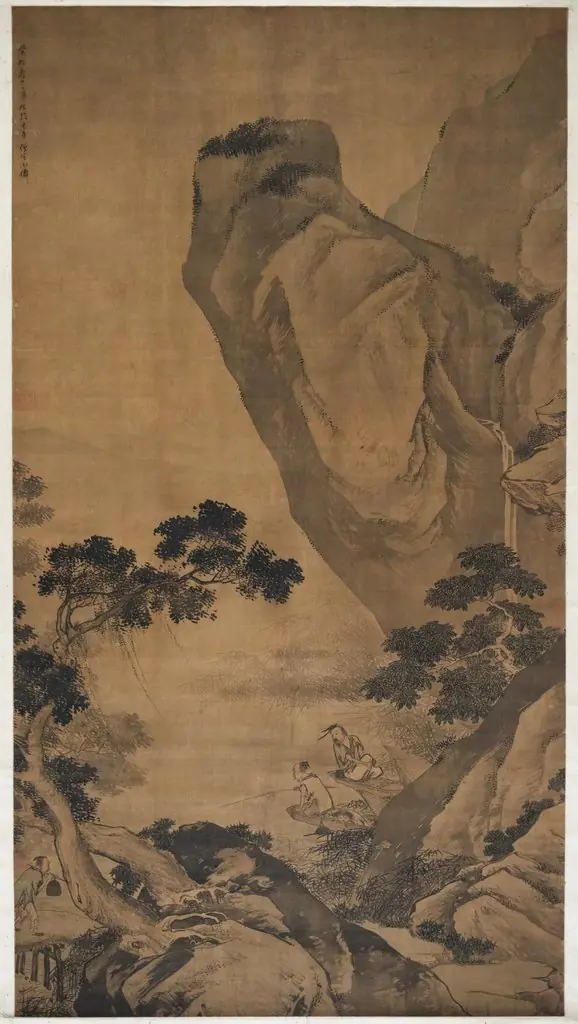
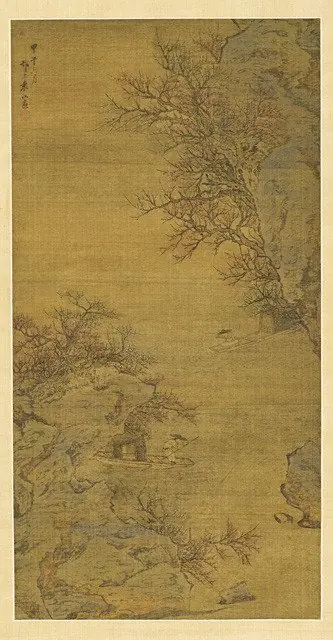
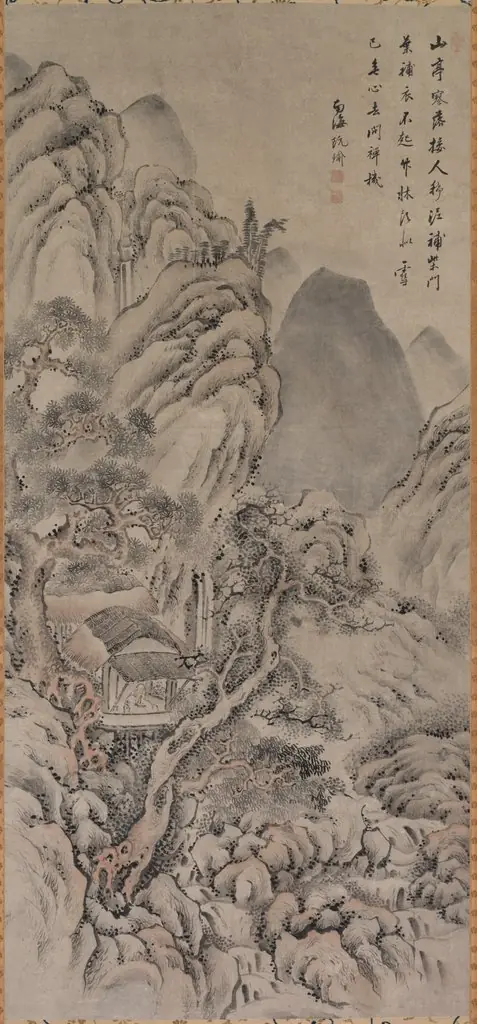
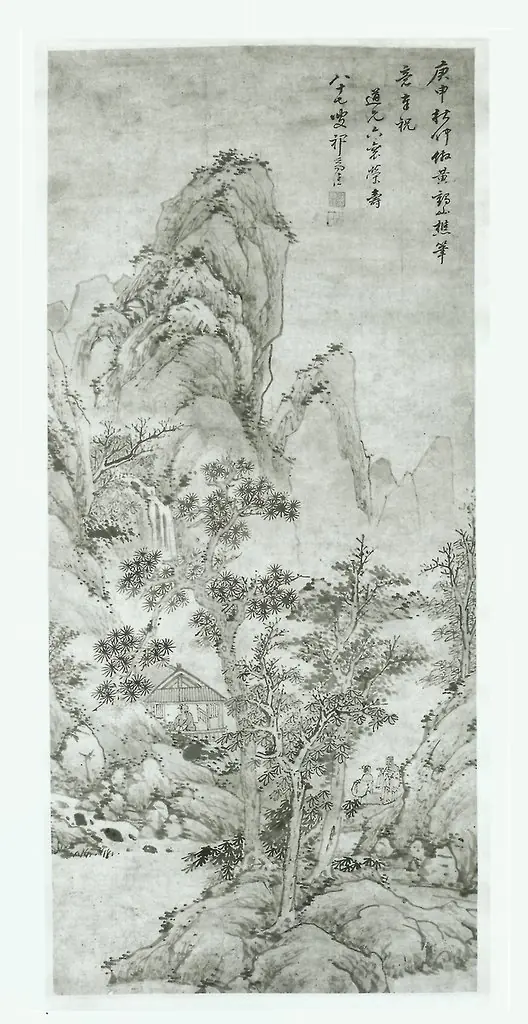
Created by Kano Tan'yū in 1666, this work is classified as a landscape painting that depicts a specific narrative scene rather than a purely abstract view. The composition features a man situated within a mountainous environment, accompanied by game animals. These elements combine to form an iconography centered on the interaction between humanity and the natural world, likely alluding to hunting or the presence of wildlife in rugged terrain.
The inclusion of both a human figure and game within a mountain setting suggests a thematic focus on the relationship between people and the wild, a common motif in Japanese landscape art of the period.
History & Provenance
The hanging scroll painting by Kano Tan'yū, created in 1666, is held in the collection of the Metropolitan Museum of Art in New York. The work, classified as a landscape painting depicting game, a man, and a mountain, was executed in Japan using ink and color on paper. The museum's collection data confirms its current location and attribution as a significant example of the artist's landscape genre from the Edo period. No specific accession number or prior provenance is recorded in the available sources.
Overview
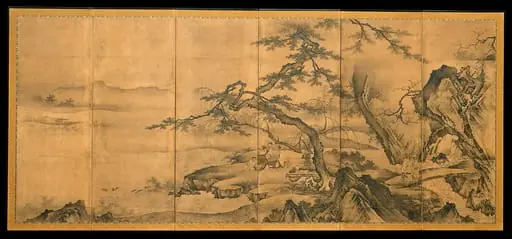
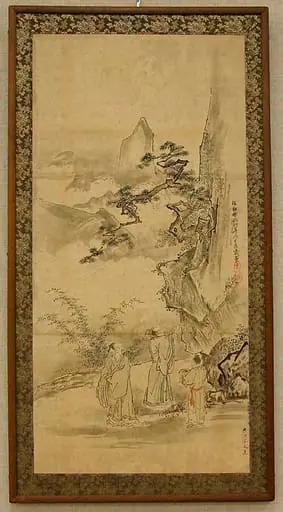
Painted in 1666, this hanging scroll by Kano Tan'yū depicts a tranquil landscape scene centered on three figures beneath a prominent pine tree. A man wearing a wide straw hat sits on a rock in the foreground, observing two companions engaged in a board game. The composition balances these human elements against a backdrop of jagged mountains that ascend into a misty atmosphere, creating a sense of depth and atmospheric perspective.
Executed in ink and color on paper, the work demonstrates Tan'yū's mastery of the Kano school style, blending Chinese-inspired landscape traditions with distinct Japanese sensibilities. The pine tree serves as more than mere scenery; it functions as a traditional symbol of endurance and longevity within Japanese iconography. Dated 1666, this piece is significant as one of the few signed and dated works by the artist, offering a clear reference point for his late career output.
As a leading painter for the Tokugawa shogunate, Tan'yū's ability to convey serene, scholarly retreats in such a refined manner is evident here. The work reflects the mature phase of his artistic development, where he synthesized established conventions with a personal touch, maintaining the elegance and structural clarity characteristic of his oeuvre.
Technique & Style
Executed with ink and subtle color on paper, this painting exemplifies the expressive potential of brushwork in East Asian art. The artist employs varying ink washes and precise lines to define forms, from the intricate details of the figures to the rugged texture of the mountains. Such techniques, including methods akin to cross-hatching for shading and volume, demonstrate how a few strokes can evoke a complete visual environment.
Artist & collection