Artwork
Portrait of a Man
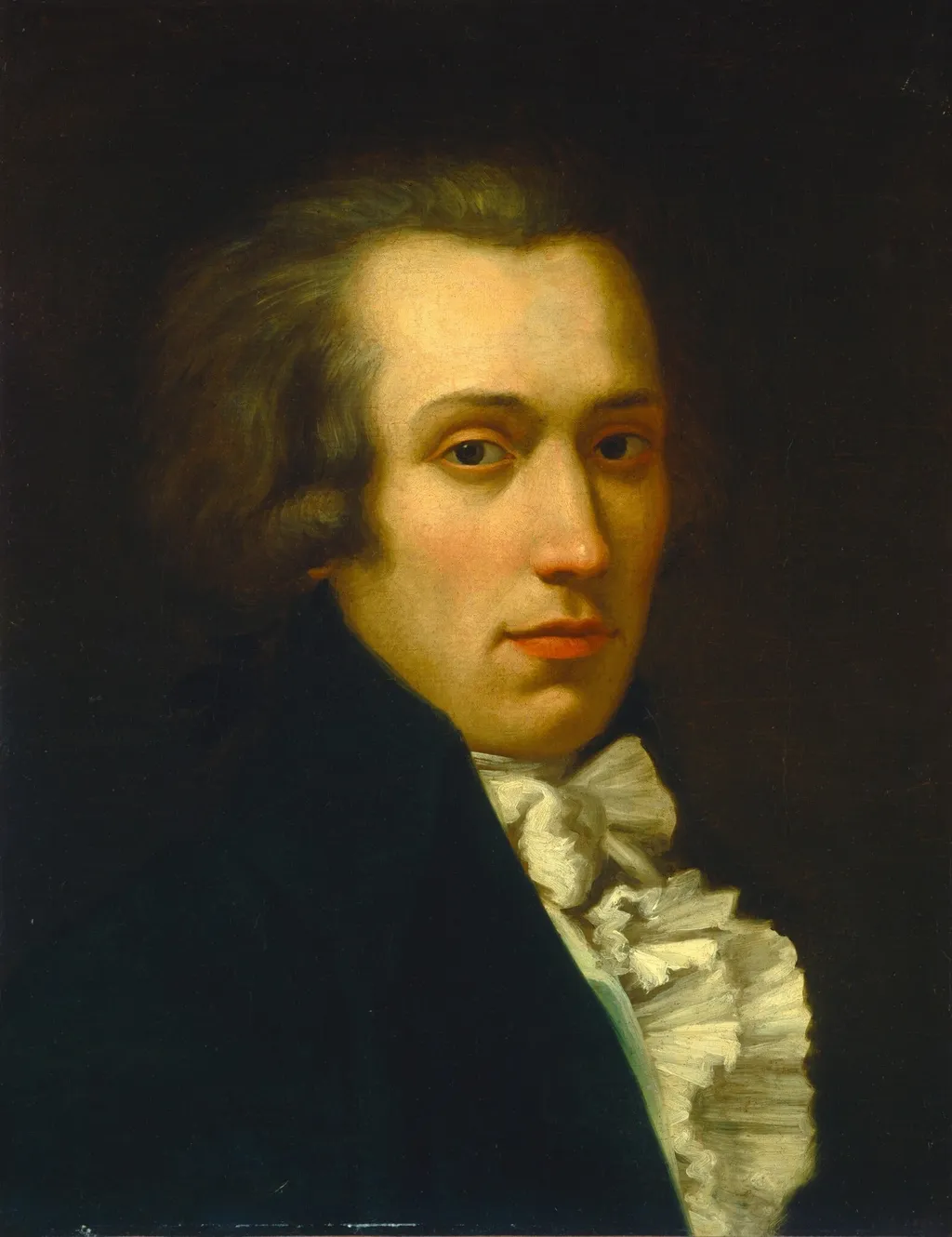
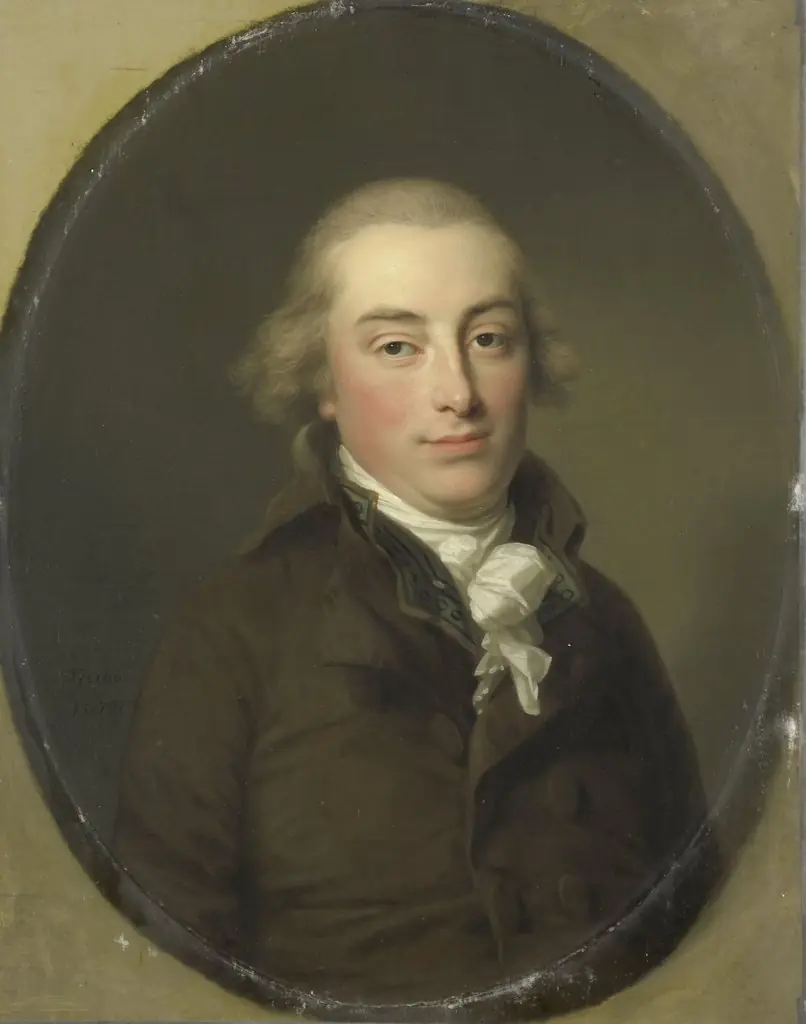
Portrait of a Man is an oil painting. It dates from 1795 and is held in the collection of the National Gallery of Art.
About this work
History & Provenance
Following Clarke's death, the painting was included in the sale of his estate on January 29, 1936, where it was acquired by the A.
Created in 1795 by an unidentified 18th-century artist, the oil-on-canvas portrait initially belonged to Rose M. De Forest. In October 1924, she sold the work to Thomas B. Clarke of New York. Following Clarke's death, the painting was included in the sale of his estate on January 29, 1936, where it was acquired by the A. W. Mellon Educational and Charitable Trust in Pittsburgh through the New York gallery M. Knoedler & Co.
The Trust subsequently gifted the artwork to the National Gallery of Art in Washington, D.C., in 1947, where it remains part of the Andrew W. Mellon collection.
The Portrait of a Man, an oil on canvas painting dated 1795, is held by the National Gallery of Art in Washington, D.C., where it is accessioned as 1947.17.35 within the Andrew W. Mellon collection. Its provenance traces from Rose M. De Forest to Thomas B. Clarke in 1924, then through M. Knoedler & Co. to the Mellon Trust, and finally as a 1947 gift to the NGA. The work was shown in the 1928 Clarke exhibition catalogue, documenting an early public display. Its dimensions measure 48.9 × 38.4 cm, and it depicts an unidentified man.
Context
Portrait of a Man (1795) is an oil on canvas portrait by an unknown 18th‑century hand, documented in the National Gallery of Art’s collection through the Andrew W. Mellon bequest; it was sold from Thomas B. Clarke’s estate in 1936 and gifted in 1947, a path recorded in a 1928 Clarke exhibition catalogue. The work is listed in Wikidata as part of the NGA’s collection, described as a portrait of a man with recorded dimensions and material.
Overview
This oil on canvas, titled "Portrait of a Man," presents a seated male figure. The subject is depicted with a serious expression, his face and period clothing rendered with notable clarity. The artist's meticulous attention to the sitter's attire and accessories suggests an intention to convey his social standing or professional identity, offering a detailed glimpse into the individual's presence.
Subject & Meaning
The painting features a man with a solemn demeanor, dressed in historical garments. The artist meticulously captured the intricate details of his clothing and personal items. This careful portrayal of his attire and accessories likely served to communicate the sitter's social status, occupation, or perhaps his personal wealth and significance within his contemporary society, reflecting a common purpose of portraiture.
Technique & Style
The artwork exhibits a focus on clear, defined forms and textures, evident in the precise rendering of the sitter's facial features and textiles. The stylistic approach suggests the application of chiaroscuro, a technique characterized by strong contrasts between light and shadow. This method would have been employed to create a sense of volume and depth, enhancing the three-dimensional quality of the figure and adding dramatic impact.
Artist & collection

- Self-portrait
 Portrait présumé d'Antoine Barnave (1761-1793)
 Friedrich Ludolf Hansen (1738-1803)
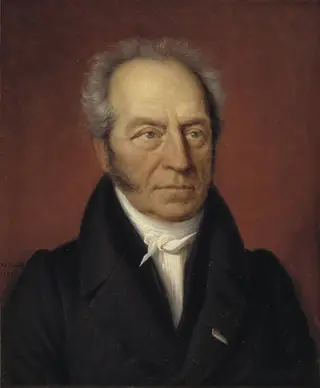 J.C. Spengler. Warden of the Royal Cabinet of Curiosities
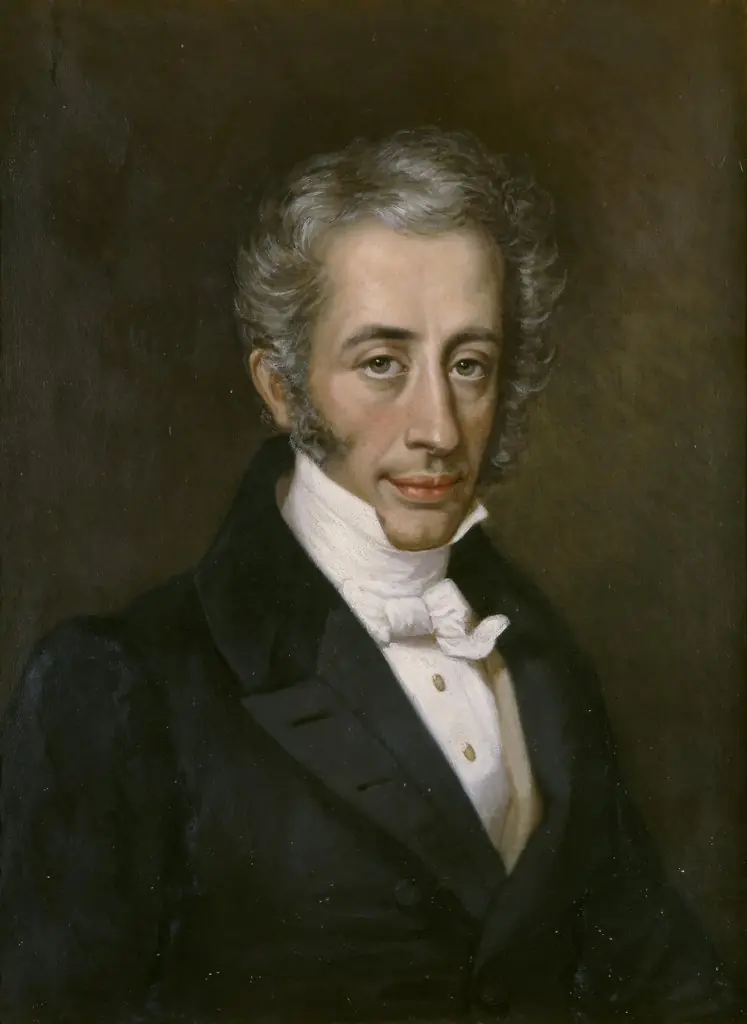 Francisco Martínez de la Rosa (copia)
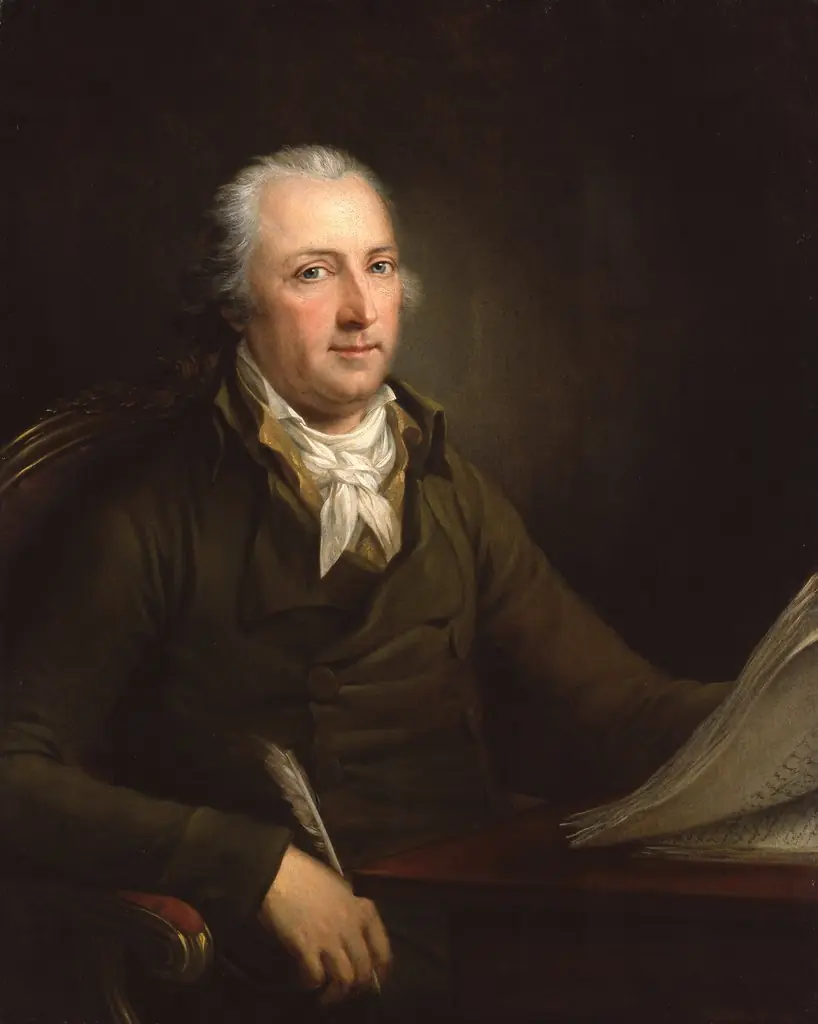 Portrait of an Unknown
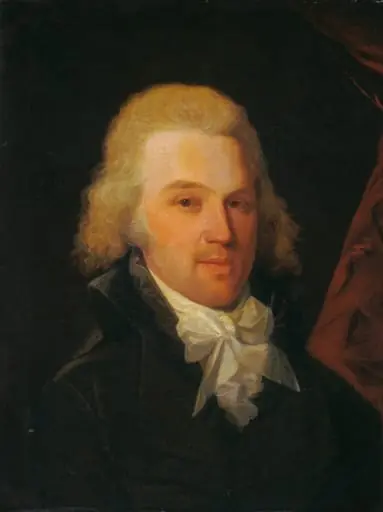 John Peck
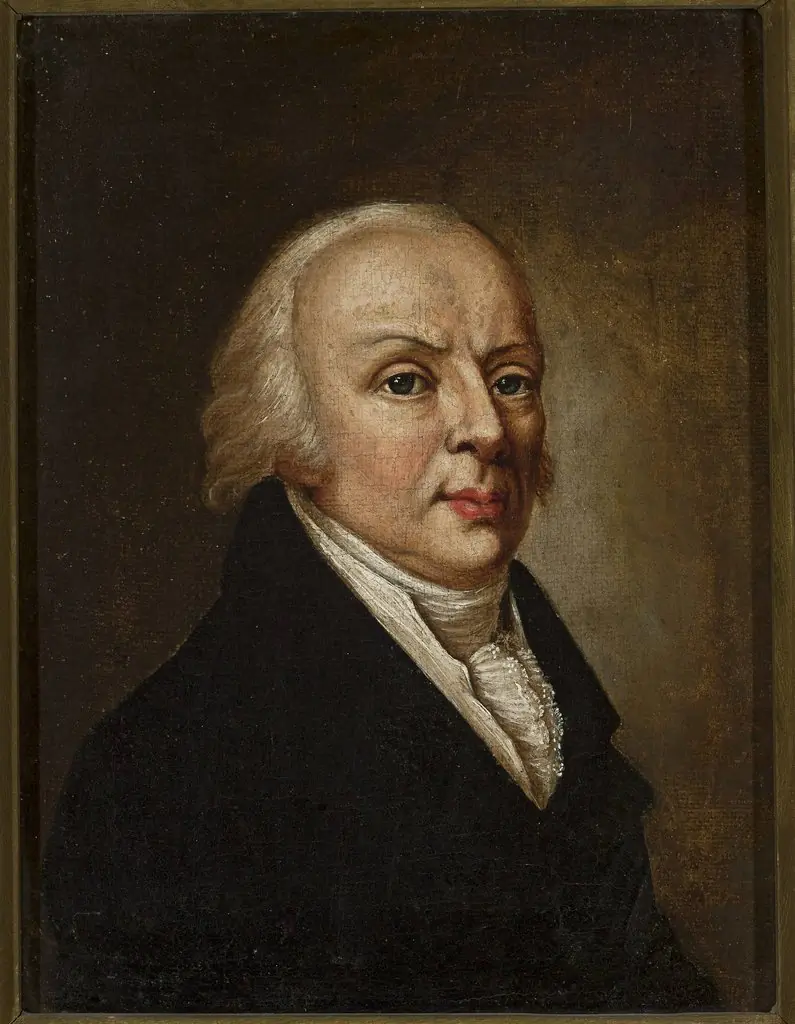 Portrait of Jędrzej Śniadecki
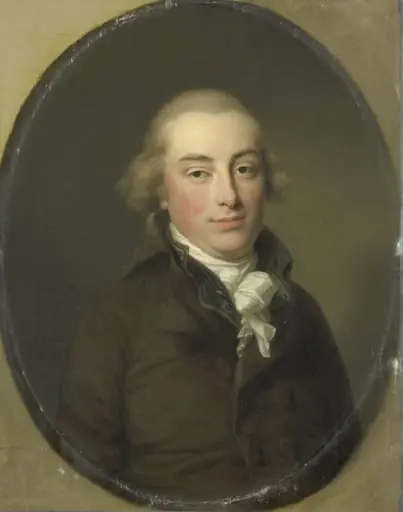 Portrait of Salomon Rendorp, Brewer in Amsterdam
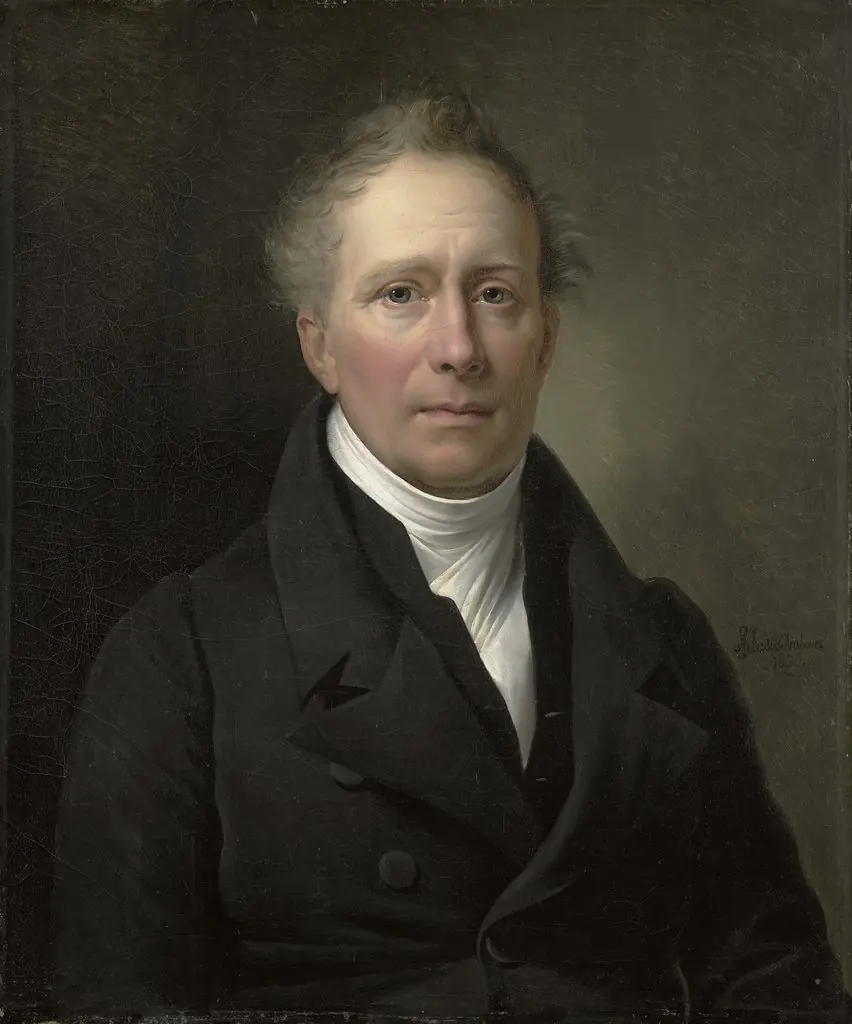 Portrait of Daniel Francis Schas, from 1814 to 1820 Member of the Board of Commerce for the Colonies
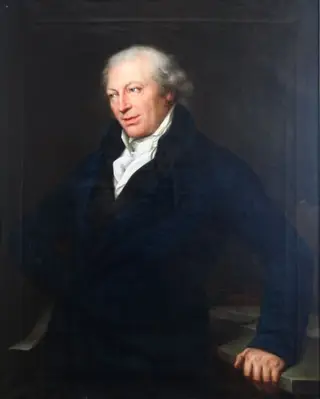 Portrait Berliner Bankier Joel Samuel von Halle
 Portrait of Salomon Rendorp, Brewer in Amsterdam