Artwork
Bernard Paluden
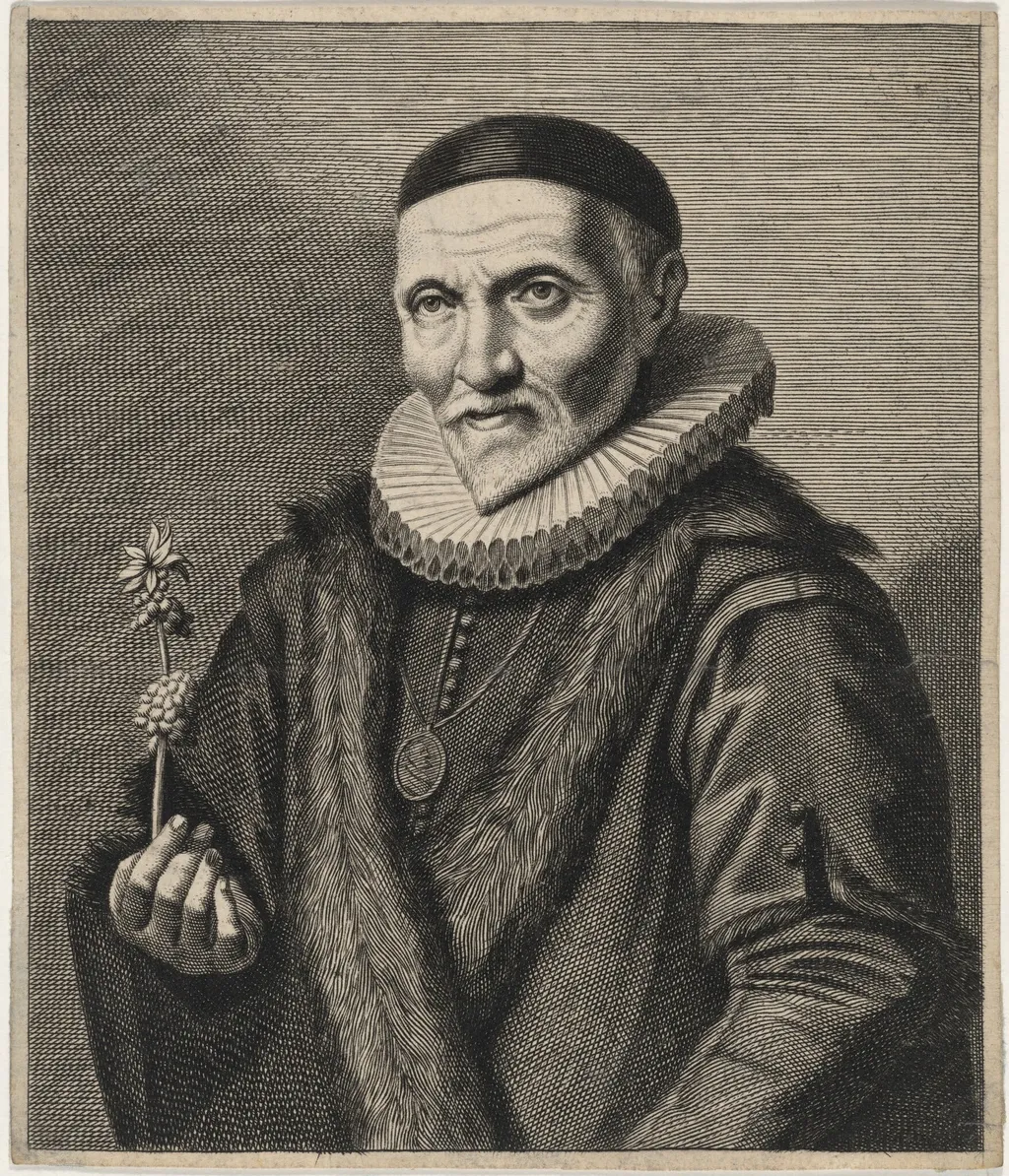
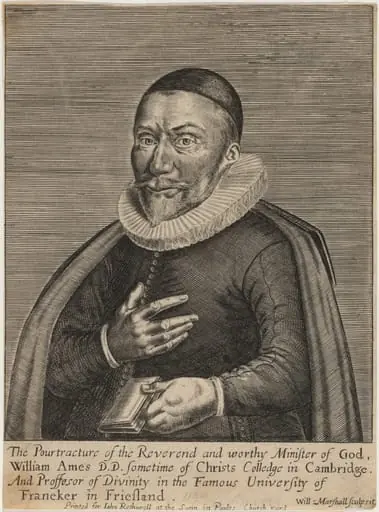
Bernard Paluden is an ink print by the Baroque artist Unknown 19th Century. It dates from 1629 and is held in the collection of the National Gallery of Art.
About this work
Overview
The medium reflects the precision typical of printmaking in the early modern period, where intricate detail was achieved by incising metal plates.
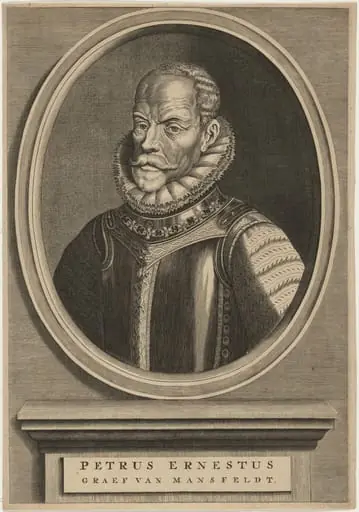
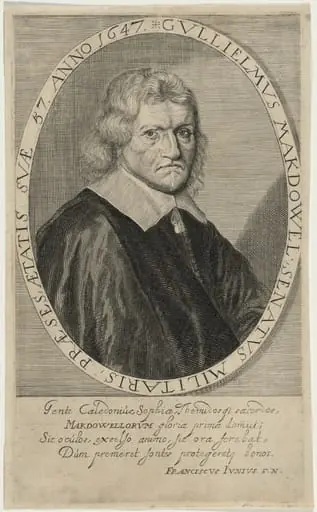
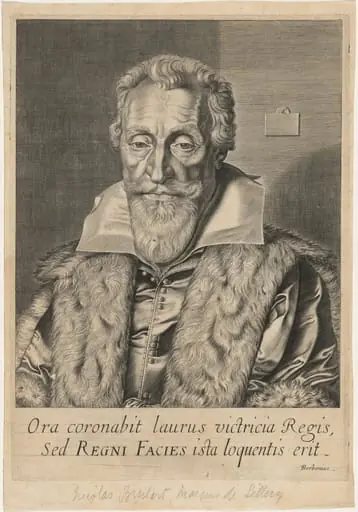
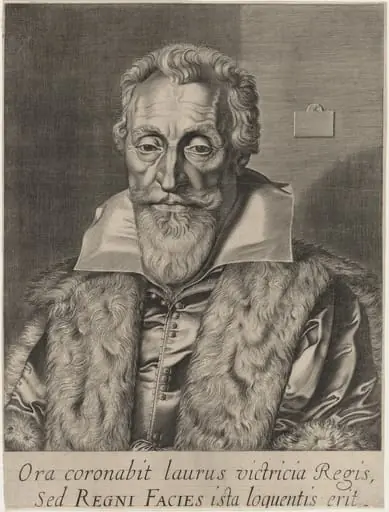
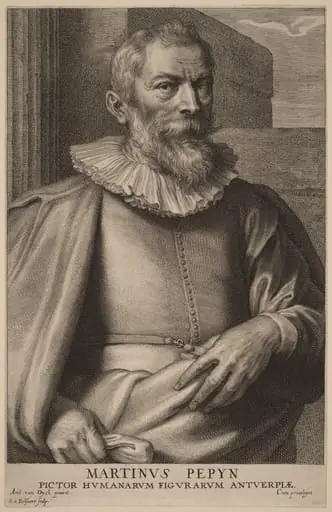
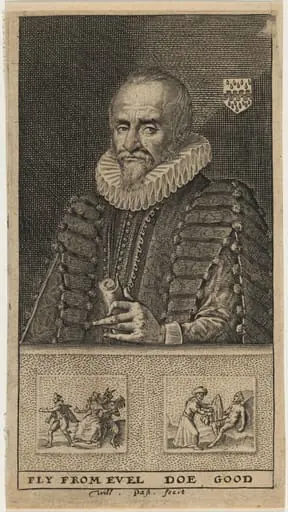
This black-and-white engraving by Bernard Paluden depicts a man in 17th-century attire, rendered with fine hand-carved lines that model form through tone and texture. The medium reflects the precision typical of printmaking in the early modern period, where intricate detail was achieved by incising metal plates. The composition is restrained, focusing on the sitter’s posture and attire without background elements.
Subject & Meaning
The figure, dressed in a high-collared ruff and buttoned coat, holds a slender plant with star-shaped leaves, possibly symbolizing knowledge, nature, or personal identity. His other hand rests gently on his chest, suggesting introspection or quiet dignity. The absence of overt attributes or heraldry leaves the subject’s specific role ambiguous, emphasizing character over status.
Technique & Style
The image is executed in the intaglio technique of engraving, where lines are incised into a metal plate and inked to produce the print. Fine, controlled strokes create gradations of shadow and texture, particularly in the fabric folds and facial features. This method, common in the 1600s, allowed for reproducible, detailed portraiture suited to scholarly and aristocratic audiences.
History & Provenance
Bernard Paluden was a French engraver active in the early 17th century, known for reproductive prints and portraits. While little is documented about his life, this work aligns with the period’s demand for engraved likenesses, often circulated among educated elites. The print likely originated in France, though its early ownership history remains unrecorded.
Context
During the 1600s, engraved portraits served as affordable alternatives to painted likenesses, especially for those in academic, legal, or mercantile professions. The inclusion of natural elements like the plant reflects broader cultural interests in botany and symbolism. Such prints were collected in albums and used to disseminate images of notable individuals across Europe.
Legacy
Paluden’s engraving exemplifies the quiet precision of early modern printmaking, preserving the visual language of its time without theatrical flourish. Though not widely reproduced today, it contributes to the historical record of how individual identity was rendered in print before the rise of photography. Its survival offers insight into the aesthetics of personal representation in pre-industrial Europe.
Artist & collection

Artist