Artwork
Eva Fliegen
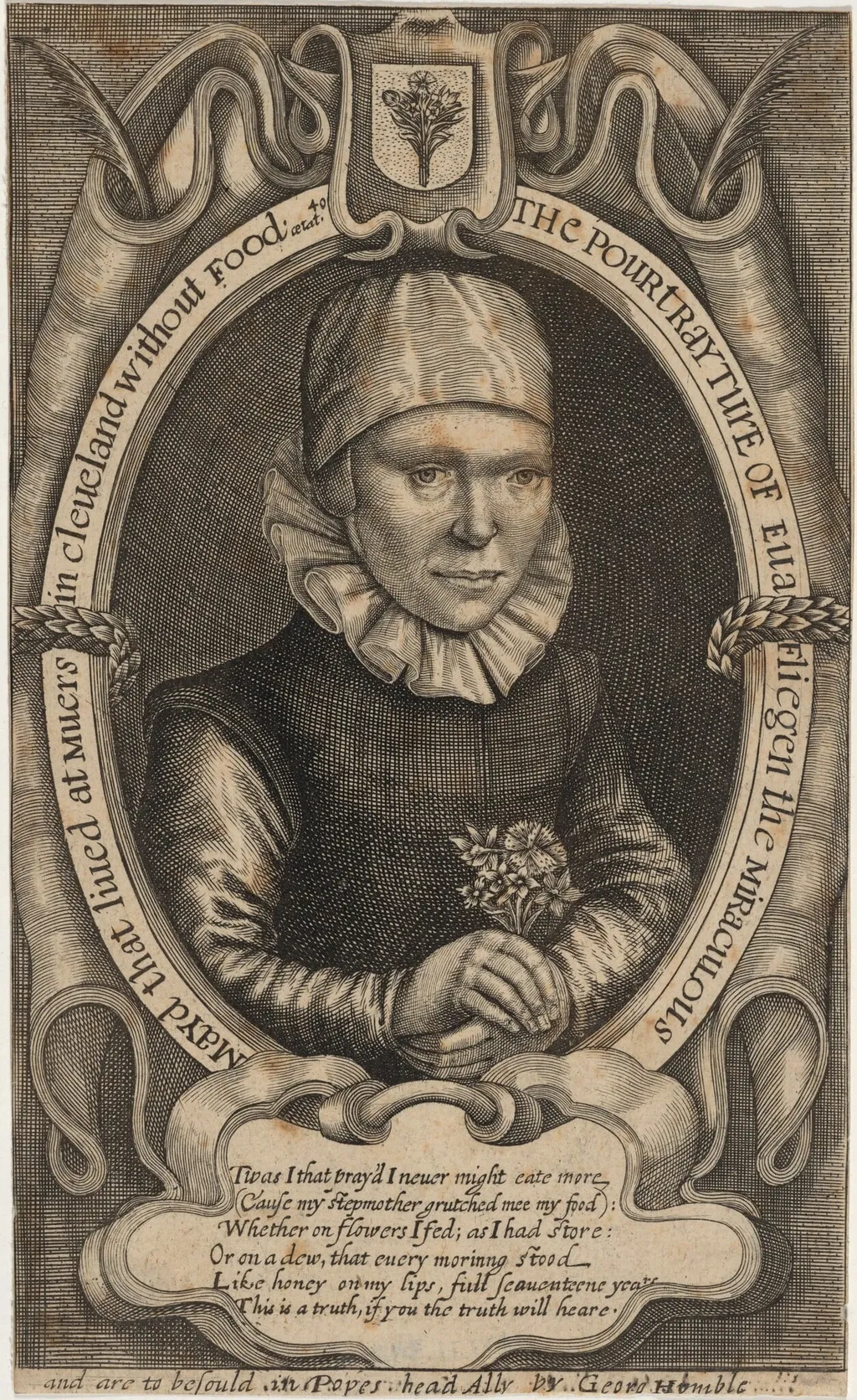
Eva Fliegen is an ink print by the Romanticist artist Unknown 19th Century. It dates from 1850 and is held in the collection of the National Gallery of Art.
About this work
Overview
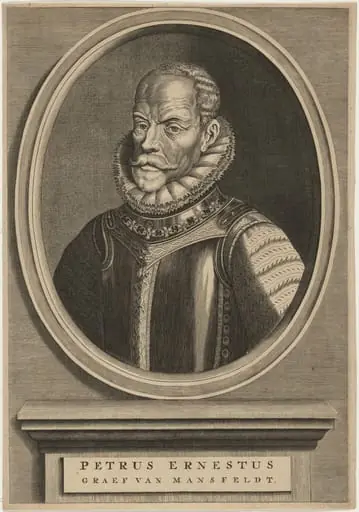
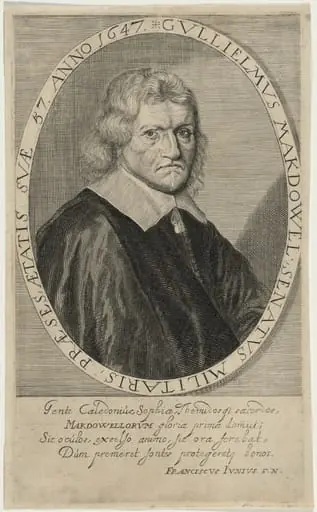
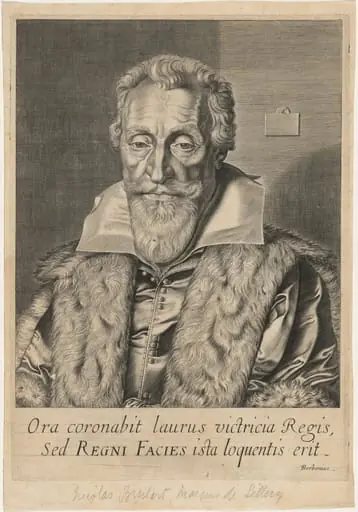
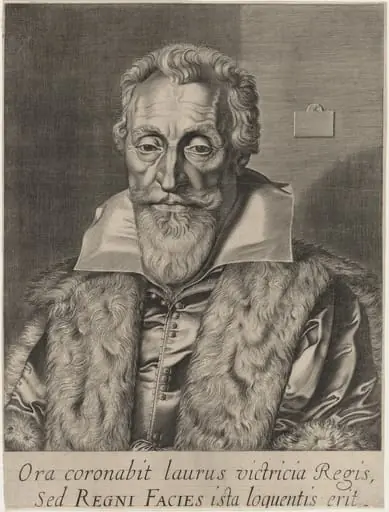
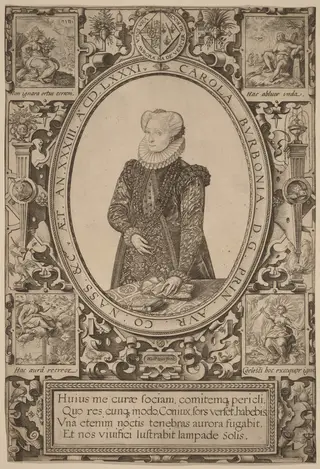
Eva Fliegen is an engraving depicting a solemn, dark-coated man with a ruffled collar, set against a plain background. A decorative border encircles his portrait, featuring swirling lines, text, and carved letters. He grasps a bouquet of flowers, conveying potential symbolic depth.
Subject & Meaning
The subject's calm yet intense expression suggests a complex character. The flowers he holds may imply a deeper, unspoken meaning, though its specificity remains ambiguous. Surrounding text, a poem themed around food and survival, adds another layer of interpretation.
Technique & Style
The engraving showcases meticulous line work, with swirling border patterns and ornate, looped typography in the poem. These elements demonstrate the artist's skill in creating depth and visual interest through precise, intricate etching.
Context
While specific contextual details about the artwork's creation are not provided, the emphasis on survival through food in the accompanying poem may reflect broader societal concerns or personal themes relevant to the artist's time.
Legacy
No direct information is given about the artwork's impact or legacy. However, the suggested exploration of engraving techniques implies the piece might serve as an educational example of the medium's capabilities.
Artist & collection

Artist