Artwork
Magdalen de Pass
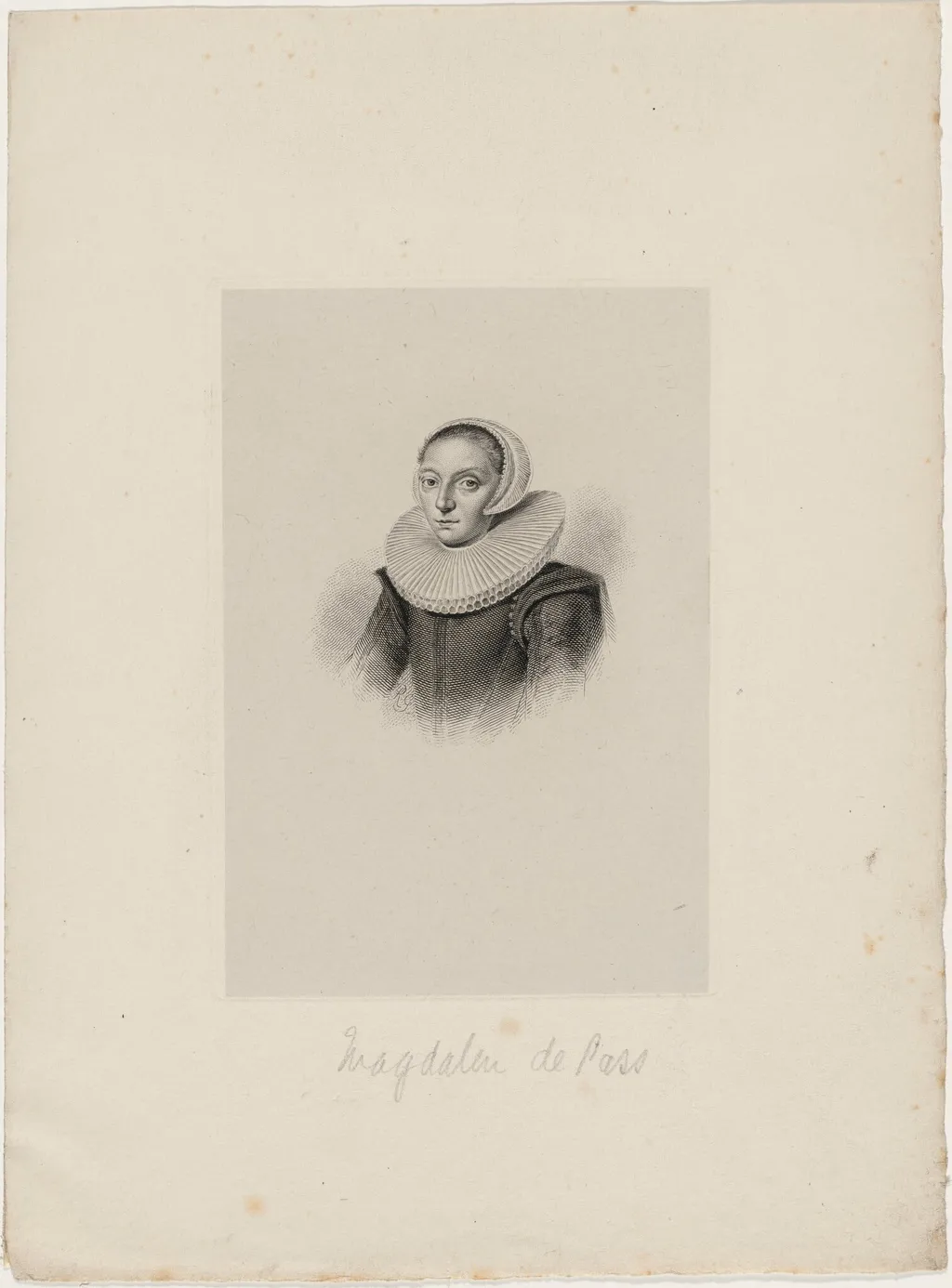
Magdalen de Pass is an ink print by the Romanticist artist Unknown 19th Century. It dates from 1850 and is held in the collection of the National Gallery of Art.
About this work
Overview
The image is modest in scale, with subtle signs of time, faint stains along the margins and a delicate ink inscription beneath the portrait.
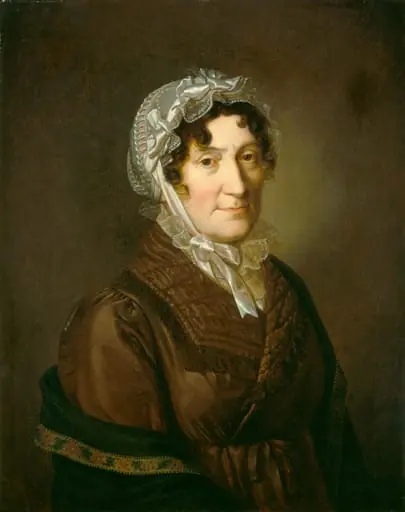
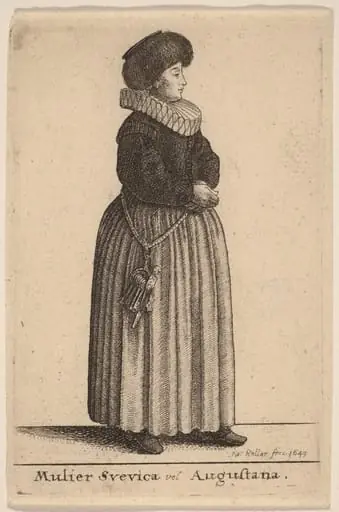
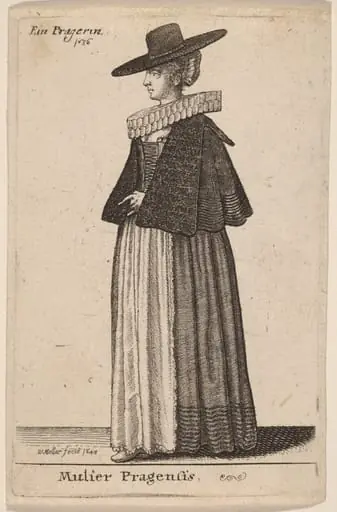
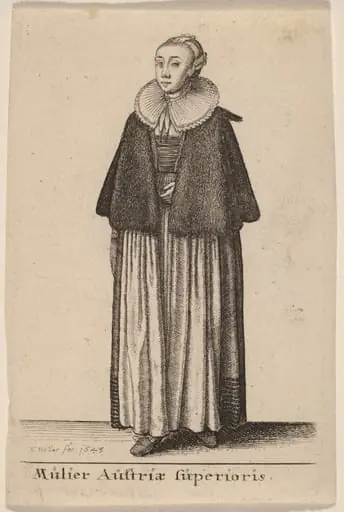
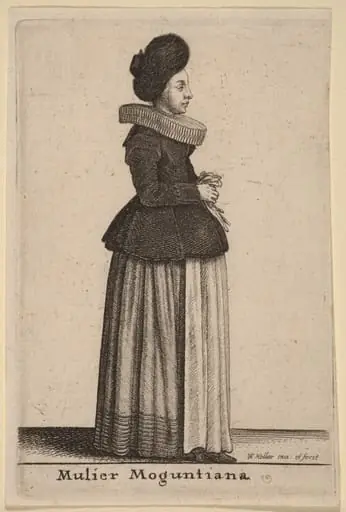
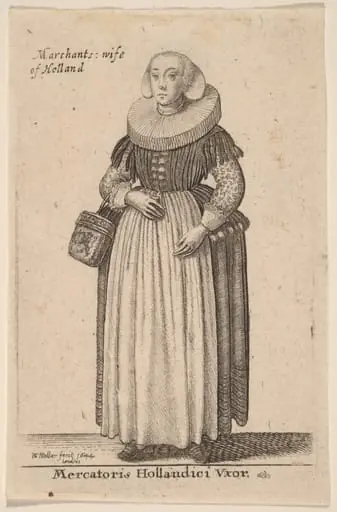
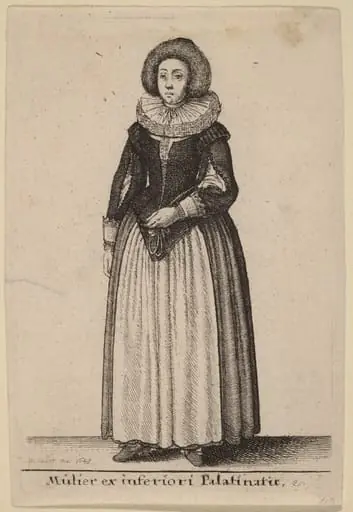
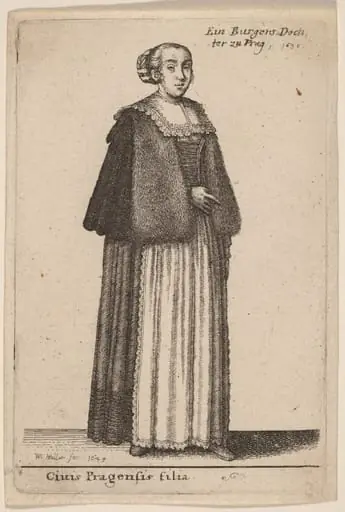
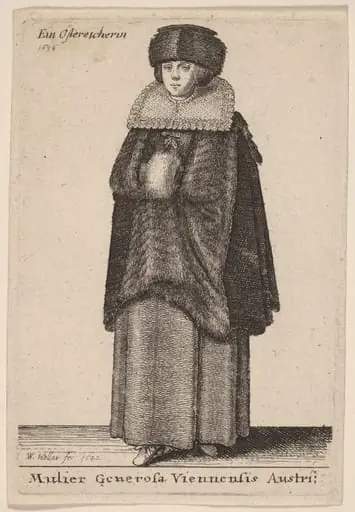
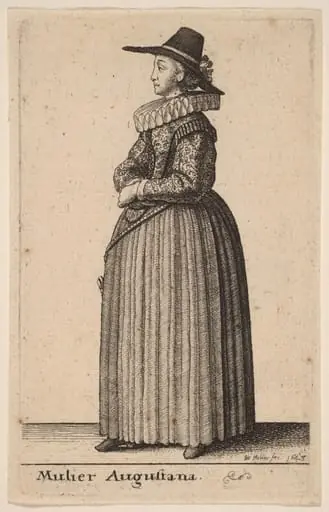
This black-and-white engraving depicts a woman identified as Magdalen de Pass, rendered in fine linear detail on aged paper. The image is modest in scale, with subtle signs of time, faint stains along the margins and a delicate ink inscription beneath the portrait. As a print, it reflects the reproductive techniques of early modern printmaking, intended for dissemination rather than as a unique object.
Subject & Meaning
The sitter, Magdalen de Pass, is portrayed with quiet dignity, her gaze steady and expression serene. Her attire, a high ruffled collar and close-fitting cap, suggests modesty and perhaps religious or domestic virtue, common in portraiture of women during the late 16th or early 17th century. The inscription confirms her identity, positioning the work as a personal or familial record rather than a public commemoration.
Technique & Style
Executed in engraving, the image relies on incised lines to create tone and texture. The soft modeling of the face contrasts with the crisp definition of the collar and cap, demonstrating the artist’s control over line weight and spacing. The restrained palette and lack of background emphasize the figure, aligning with the intimate, detail-oriented approach typical of portrait engravings of the period.
History & Provenance
The work’s paper shows signs of age, including marginal staining and slight brittleness, consistent with 17th-century European printmaking practices. While no documented ownership history is provided, the presence of a named sitter suggests it may have been privately commissioned or circulated among family circles. Its survival implies careful preservation, though its original context remains undocumented.
Context
Engraved portraits like this were common in early modern Europe, serving as affordable alternatives to painted likenesses. They often circulated among the middling classes as tokens of identity or remembrance. Magdalen de Pass’s depiction fits within a broader tradition of modest, unadorned female portraiture, reflecting contemporary ideals of piety and restraint in women’s representation.
Legacy
Though not attributed to a known master, the engraving preserves a personal likeness from a period when individual identity was increasingly valued in visual culture. Its survival offers insight into the domestic use of prints and the quiet persistence of private portraiture beyond the realm of aristocratic commissions. It stands as a quiet testament to the lives of ordinary individuals in early modern Europe.
Artist & collection

Artist