Artwork
Napier of Merchiston, Inventor of Logarithms
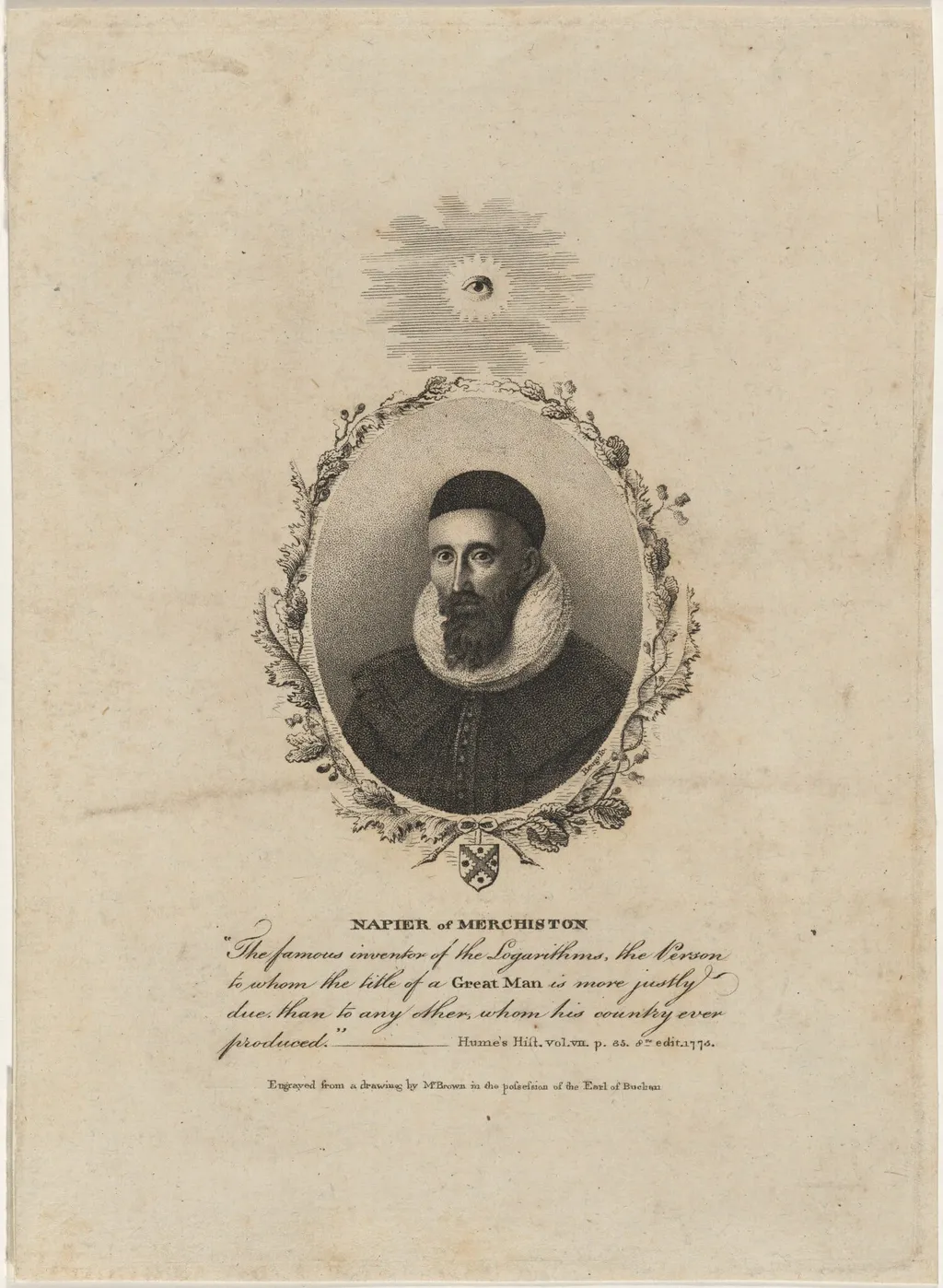
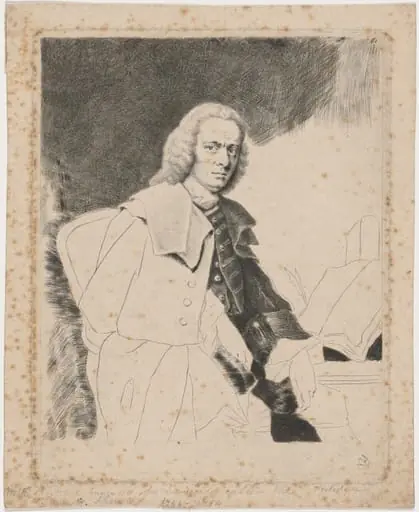
Napier of Merchiston, Inventor of Logarithms is an ink print by the Romanticist artist Unknown 19th Century. It dates from 1850 and is held in the collection of the National Gallery of Art. This engraving portrays John Napier of Merchiston, the Scottish mathematician credited with developing logarithms.
About this work
Overview
Rendered in fine line work, the image captures him from the chest upward, framed within an oval border decorated with botanical motifs.
This engraving portrays John Napier of Merchiston, the Scottish mathematician credited with developing logarithms. Rendered in fine line work, the image captures him from the chest upward, framed within an oval border decorated with botanical motifs. Above the frame, a sunburst encloses an eye, a symbolic element common in early modern portraiture.
The medium and composition reflect 17th-century print traditions, though the stylistic tone aligns with later Romantic sensibilities in its emphasis on individuality and solemn dignity.
Subject & Meaning
John Napier is depicted with a full beard and ruffled collar, attire typical of educated men in early modern Europe. His direct gaze and composed posture convey intellectual authority. The sunburst with an eye above the frame may allude to divine insight or the illumination of knowledge, common metaphors for scholarly achievement.
The floral ornamentation around the oval suggests natural order, subtly reinforcing the harmony between human reason and the cosmos, themes central to Napier’s mathematical work.
Technique & Style
The portrait is executed in engraving, using precise cross-hatching to model form and texture. The dark jacket contrasts with the luminous ruffle, enhancing three-dimensionality. The oval frame and decorative border reflect conventions of commemorative portraiture, while the detailed rendering of facial features and fabric suggests a skilled artisan’s hand.
Though produced in the 17th century, the emotional gravity and attention to individual character anticipate Romantic-era ideals of the thinker as a solitary, elevated figure.
History & Provenance
The engraving likely dates from the late 17th or early 18th century, created posthumously to honor Napier’s legacy after his 1617 death. It may have been reproduced for scholarly circles or educational texts, as his logarithmic tables gained widespread use in navigation and astronomy. No definitive original source is recorded, but similar portraits appear in early printed editions of his works, suggesting this image was part of a broader effort to memorialize his contributions to science.
Context
Napier’s invention of logarithms revolutionized computation, reducing complex multiplication to addition, a breakthrough vital to the Scientific Revolution. His portrait, though not made during his lifetime, emerged in an era when scientific achievement was increasingly celebrated through visual representation. The symbolic elements in the image reflect a cultural shift toward honoring intellectual labor as a noble pursuit, aligning with broader European trends in the commemoration of scholars.
Legacy
This engraving preserves the visual identity of a man whose mathematical innovations transformed science and navigation. Though stylistically modest, its enduring reproduction in textbooks and historical collections underscores Napier’s lasting influence. The portrait’s symbolic language, eye, sunburst, natural motifs, continues to evoke the reverence once accorded to thinkers who expanded humanity’s understanding of the natural world through reason.
Artist & collection

Artist

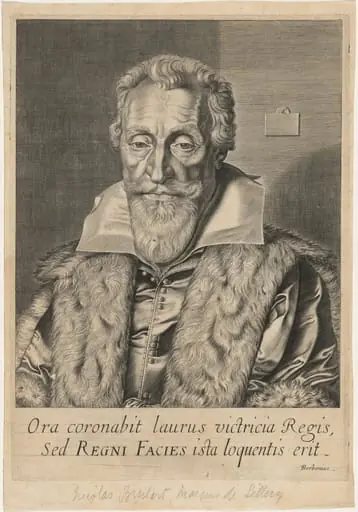
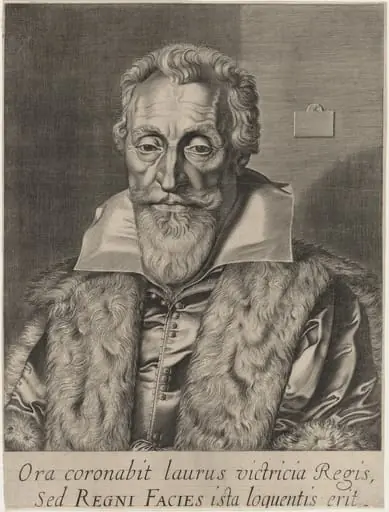
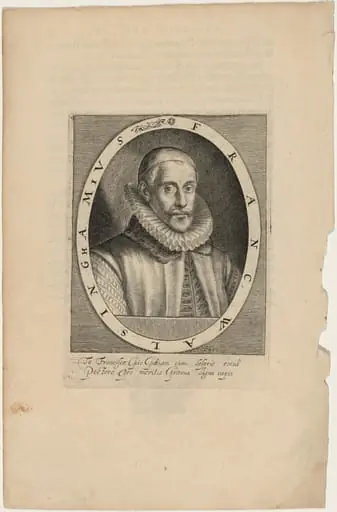
- Sir Francis Walsingham
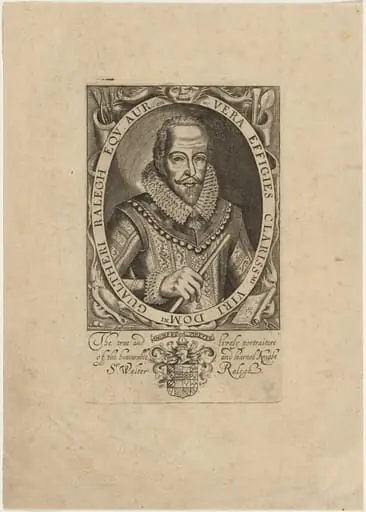 Sir Walter Raleigh
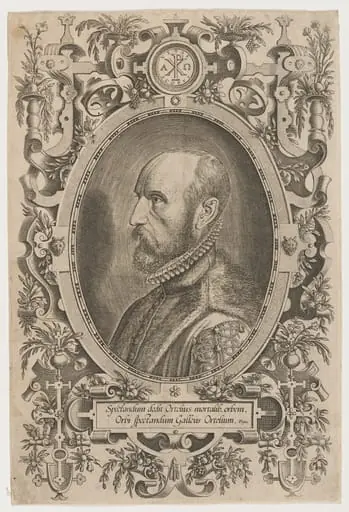 Abraham Ortelius (Wortels)
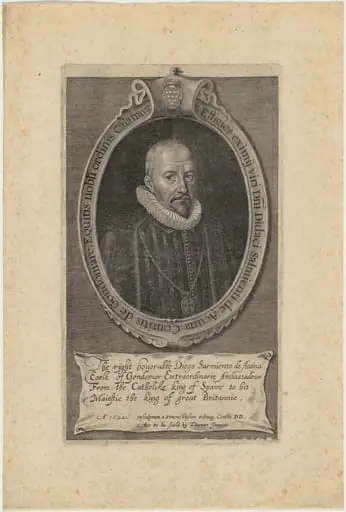 Diego Sarmiento de Acuna, Count of Gondomar
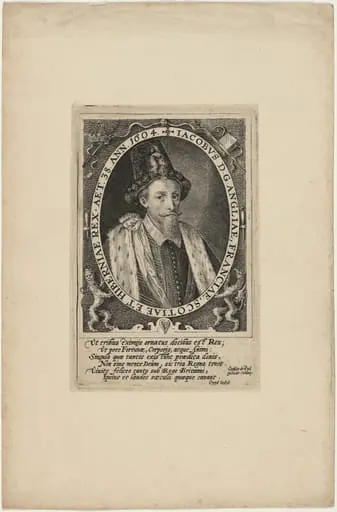 James I, King of England
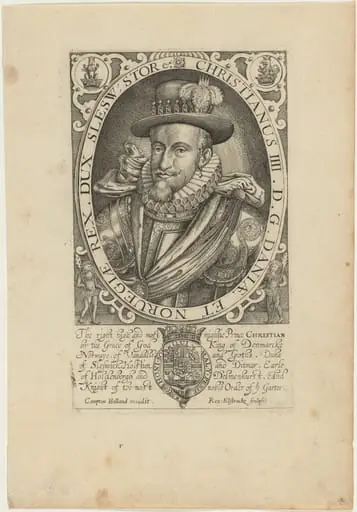 Christian IV of Denmark
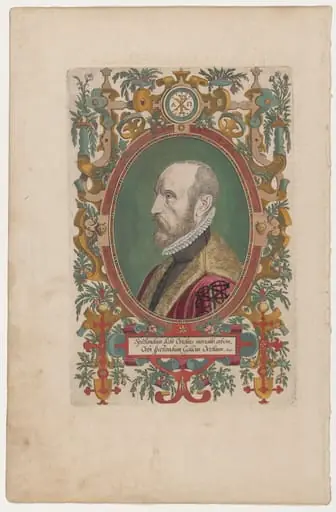 Abraham Ortelius (Wortels)
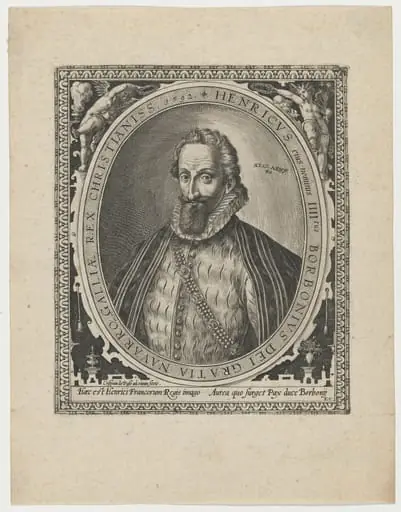 Henry IV, King of France
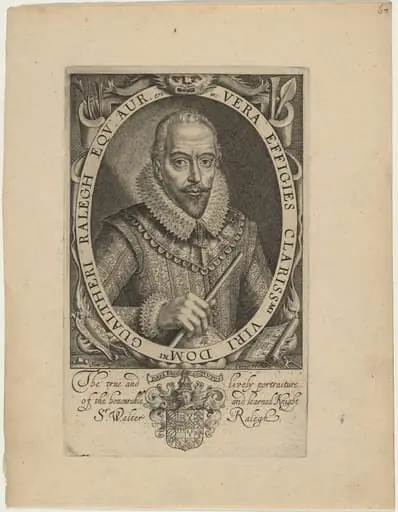 Sir Walter Raleigh
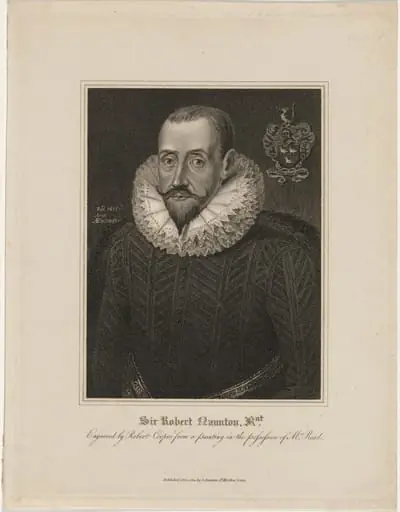 Sir Robert Naunton, Secretary of State for James I
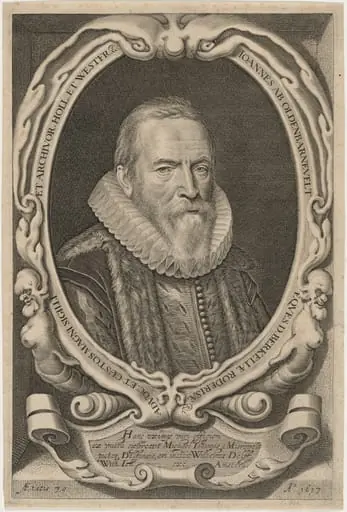 Johan van Oldenbarneveldt
 Walter Baker, Inventor of a Medicine