Artwork
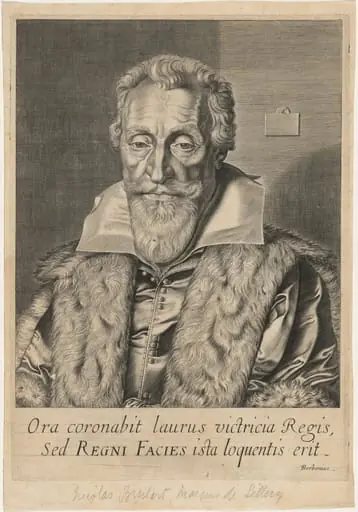
Nicholas Ridley, D.D., Bishop of London, Martyr
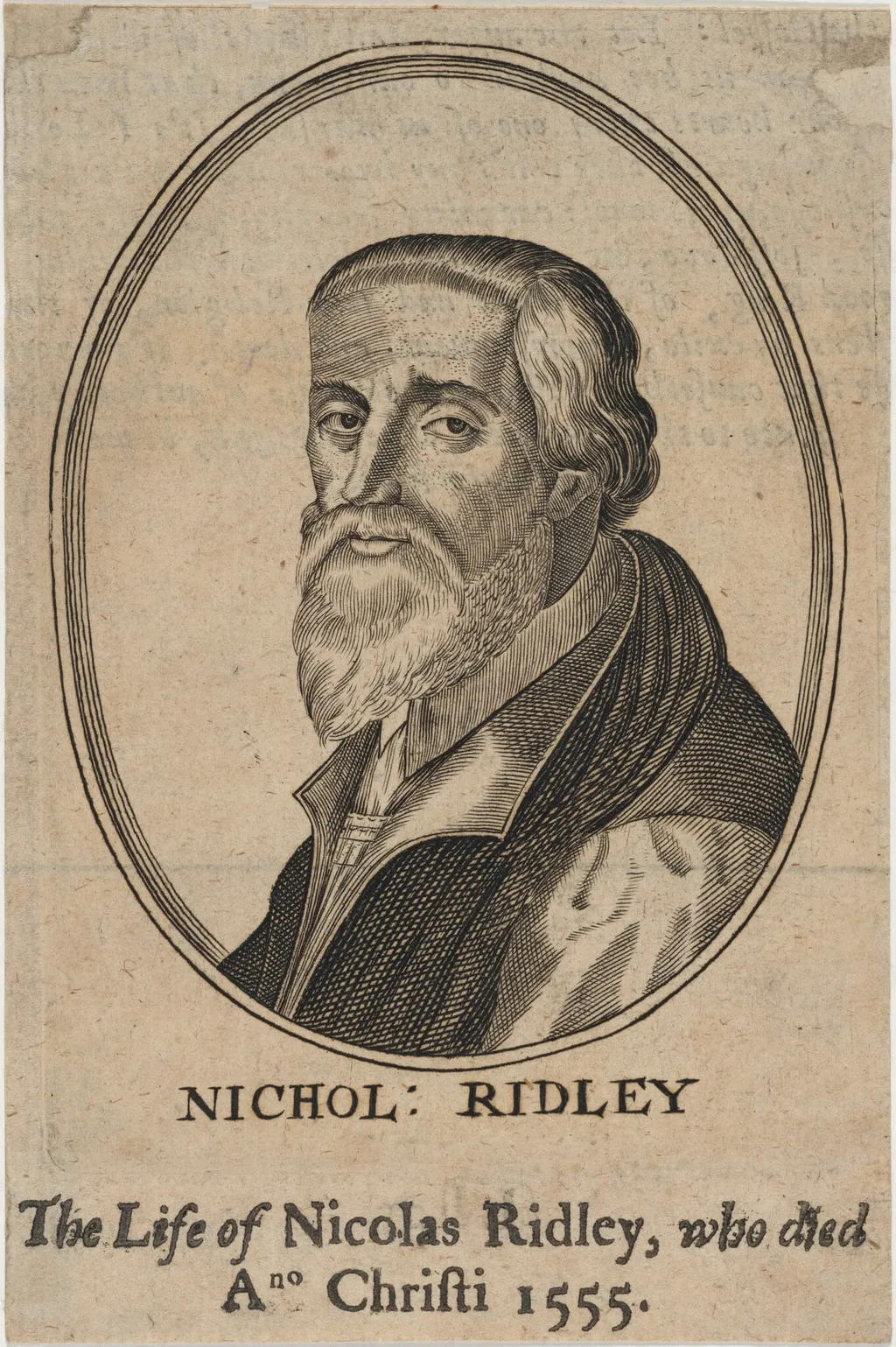
Nicholas Ridley, D.D., Bishop of London, Martyr is an ink print by the Romanticist artist Unknown 19th Century. It dates from 1850 and is held in the collection of the National Gallery of Art. The print is an engraving portraying Nicholas Ridley, D.
About this work
Overview
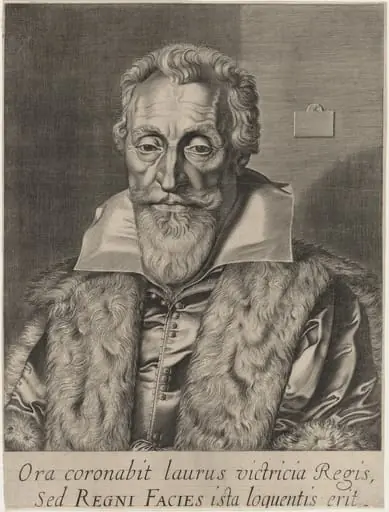
The print is an engraving portraying Nicholas Ridley, D.D., Bishop of London, rendered from the chest upward. He is depicted with a long white beard and hair, clothed in a dark robe over a white shirt, his gaze directed downward and his expression solemn. The background is a muted light tone, edged with subtle darker shading that frames the figure.
Subject & Meaning
Ridley, a prominent 16th‑century English bishop, is presented as a martyr, his dignified bearing and restrained features evoking the gravity of his religious persecution. The downward glance and firm mouth suggest contemplation of sacrifice, aligning the portrait with the tradition of commemorating ecclesiastical figures who suffered for their faith.
Technique & Style
Executed in fine-line engraving, the work relies on delicate hatching and cross‑hatching to model the beard, hair, and fabric, creating a sense of depth and texture. The controlled line work and restrained tonal contrasts are characteristic of early modern printmaking, emphasizing clarity of form over dramatic chiaroscuro.
History & Provenance
The engraving is part of the National Gallery of Art in Washington’s collection of Romantic‑era prints, acquired through the museum’s ongoing efforts to assemble works that document early modern religious portraiture. Its inclusion reflects the institution’s focus on the intersection of art and historical narrative.
Context
Created during a period when printed portraits served both devotional and didactic purposes, the image of Bishop Ridley would have circulated among Protestant communities as a visual reminder of steadfastness under persecution. Engravings like this functioned as portable, reproducible icons of faith in the post‑Reformation era.
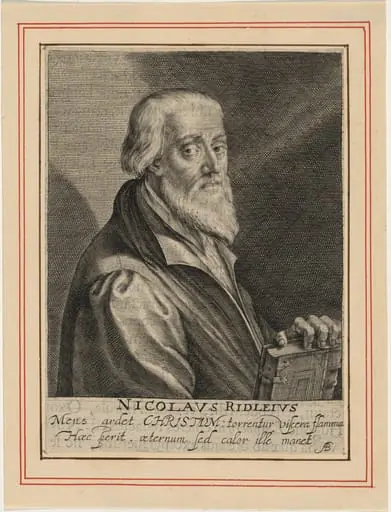
Artist & collection

Artist

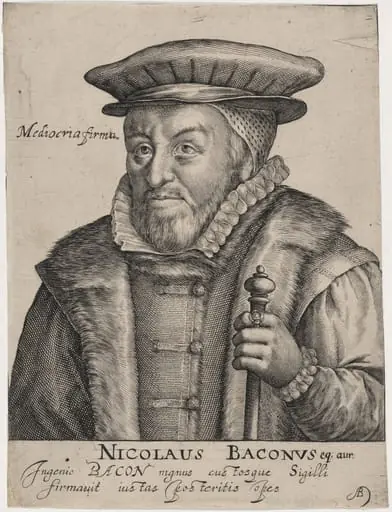 Sir Nicholas Bacon, Lord Keeper
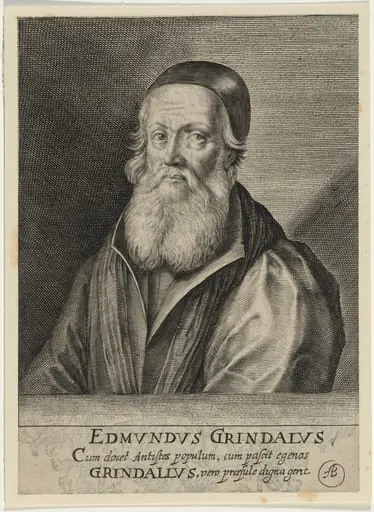 Edmund Grindal, Archbishop of Canterbury
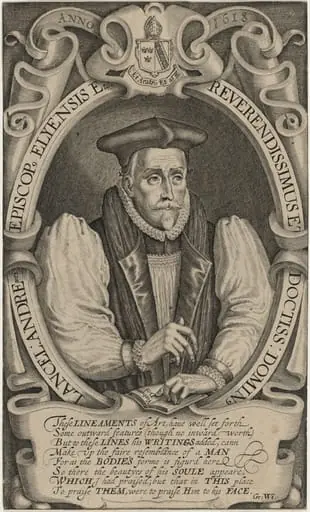 Lancelot Andrews, Bishop of Ely and Winchester
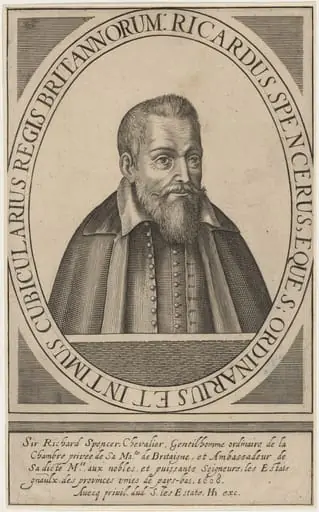 Sir Richard Spencer, Ambassador to Holland
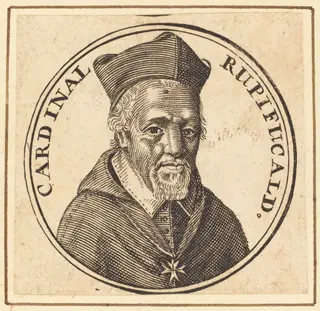 François La Rochefoucauld
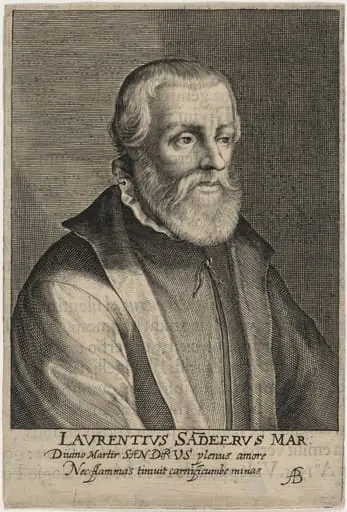 Laurence Saunders, Prebendary of York, Protestant Martyr
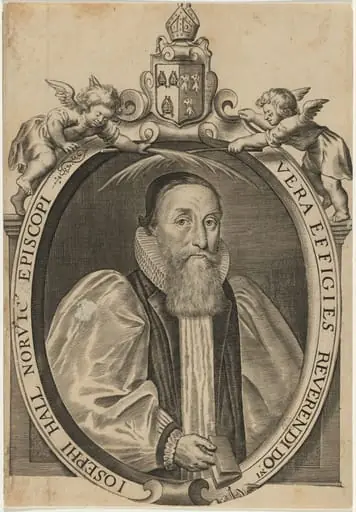 Joseph Hall, Bishop of Norwich
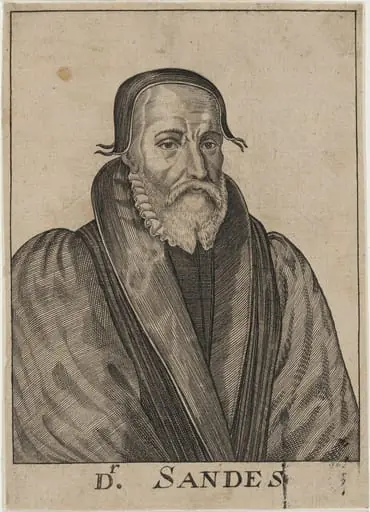 Edwin Sanders, Archbishop of York
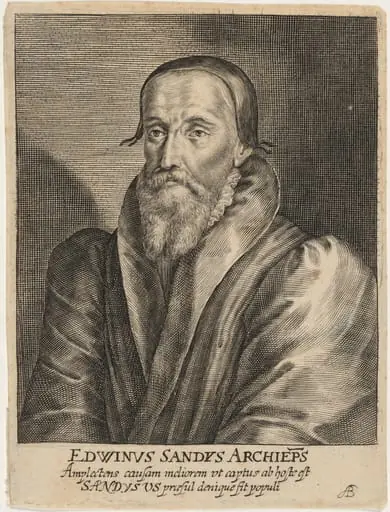 Edwin Sandys, Archbishop of York
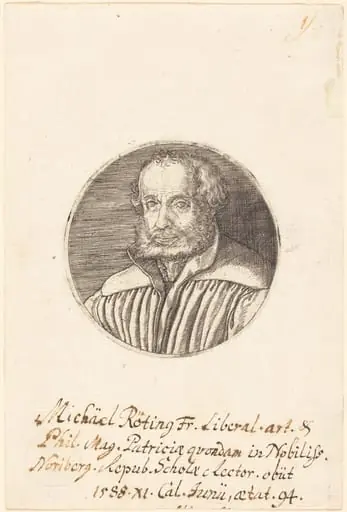 Michael Roting