Artwork
Patrick Forbes, Bishop of Aberdeen
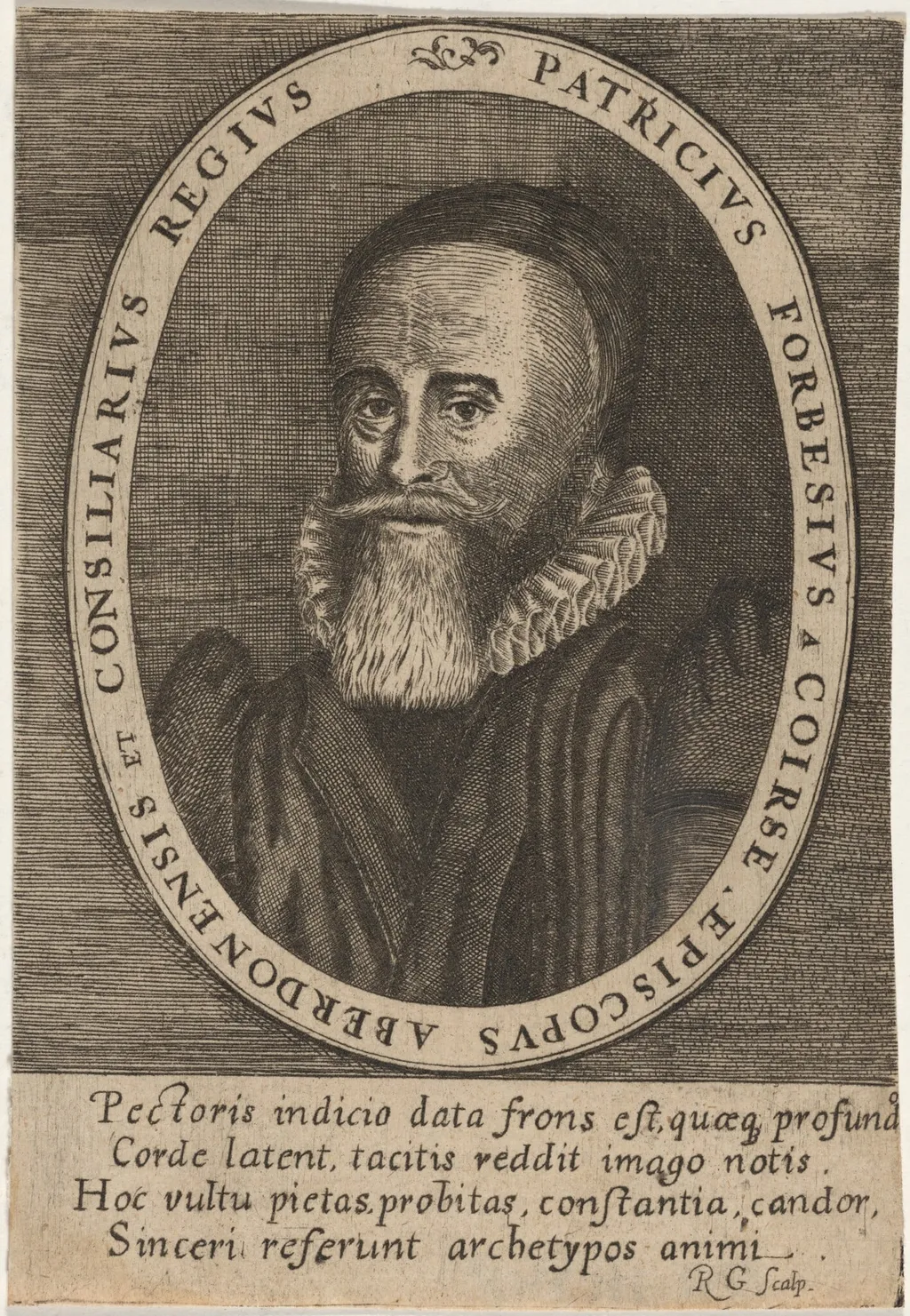
Patrick Forbes, Bishop of Aberdeen is an ink print by the Romanticist artist Unknown 19th Century. It dates from 1850 and is held in the collection of the National Gallery of Art.
About this work
Overview
The image is rendered in fine, controlled lines, characteristic of the engraving technique, which relies on incised grooves to create tonal depth and detail.
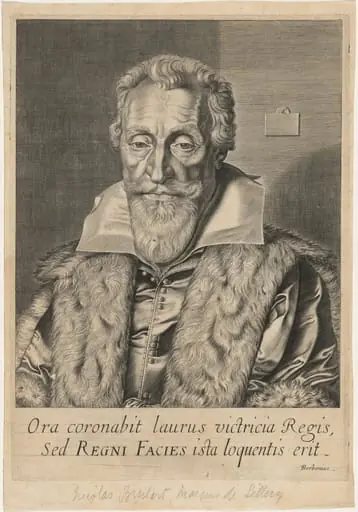
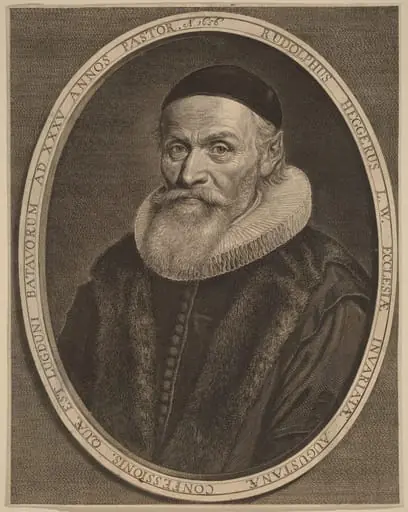
This black-and-white engraving depicts Patrick Forbes, Bishop of Aberdeen, as a solemn, elderly figure with a full white beard and mustache. Dressed in a high-collared ecclesiastical robe, he gazes directly outward. The portrait is enclosed within a circular frame inscribed with Latin text, emphasizing his clerical status.
The image is rendered in fine, controlled lines, characteristic of the engraving technique, which relies on incised grooves to create tonal depth and detail.
Subject & Meaning
Patrick Forbes, a prominent 17th-century Scottish bishop, is portrayed with the dignity and authority befitting his ecclesiastical role. His direct gaze and formal attire convey solemnity and moral presence. The Latin inscription surrounding the image likely includes his name, title, or a devotional phrase, reinforcing his identity within the church hierarchy.
The portrait functions as both a personal likeness and a symbol of religious leadership during a period of ecclesiastical upheaval in Scotland.
Technique & Style
The portrait is executed in fine-line engraving, using cross-hatching to build texture and shadow. The artist employed precise, incised strokes to render the beard, collar, and facial features with clarity and depth. The circular border frames the image without distraction, focusing attention on the subject’s face and expression.
The monochrome palette and meticulous line work reflect the conventions of printed portraiture in early modern Europe, where detail and legibility were paramount.
History & Provenance
The engraving was likely produced during Forbes’s lifetime or shortly after his death in 1635, as part of a broader tradition of printing clerical portraits for devotional or commemorative use. It may have been circulated among church networks in Scotland or England, serving to affirm his legacy. While the original printer or artist remains unidentified, the style aligns with mid-17th-century British engraving practices, particularly those associated with religious figures.
Context
In early 17th-century Scotland, bishops like Forbes were central to the Church of Scotland’s governance amid tensions between Presbyterian and Episcopalian factions. Portraits such as this one were tools of institutional identity, visually reinforcing clerical authority. Engravings of religious leaders were commonly reproduced for private devotion or public display, helping to standardize the image of church hierarchy during a time of theological and political change.
Legacy
This engraving preserves a visual record of Patrick Forbes at a pivotal moment in Scottish ecclesiastical history. Though not widely known today, such prints contributed to the visual culture of the Reformed Church and informed later representations of clergy. Its survival in institutional or private collections underscores its role as a historical document, offering insight into how religious authority was visually constructed in the early modern period.
Artist & collection

Artist

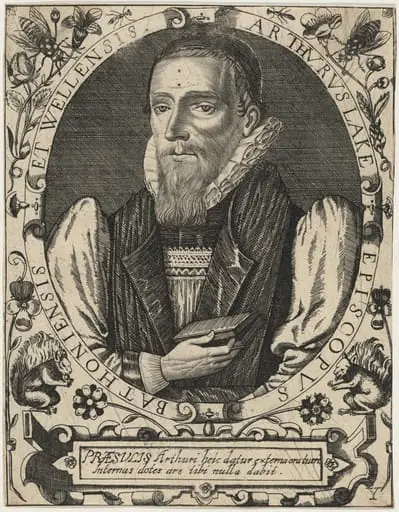 Arthur Lake, Bishop of Bath and Wells
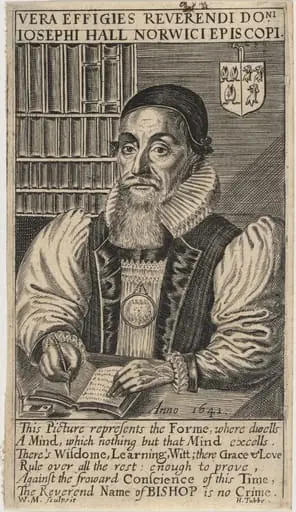 Joseph Hall, Bishop of Norwich
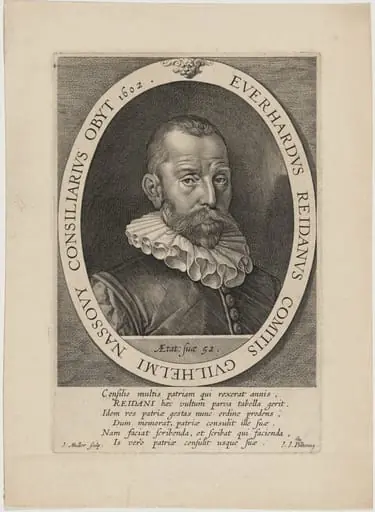 Everhard Reidan, Friend of William the Silent
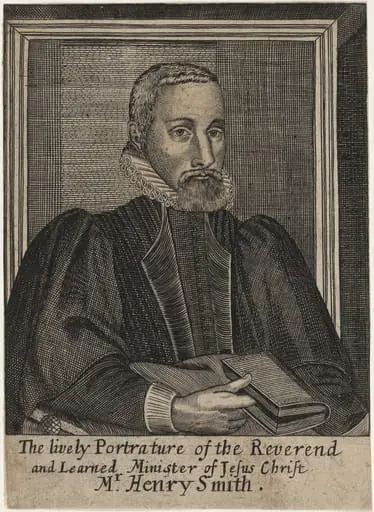 Mr. Henry Smith
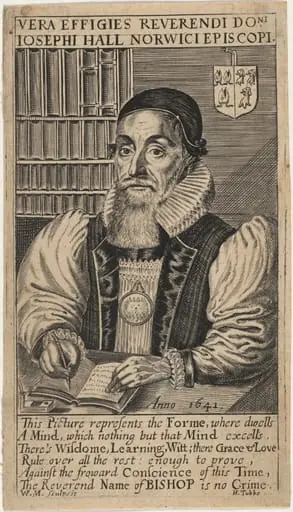 Joseph Hall, Bishop of Norwich
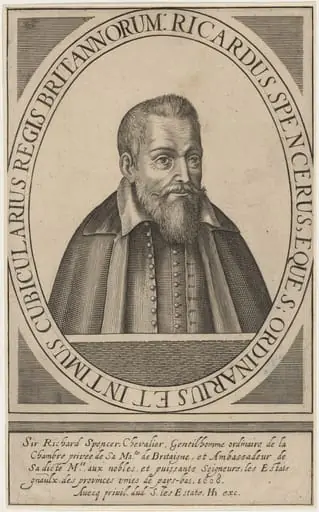 Sir Richard Spencer, Ambassador to Holland
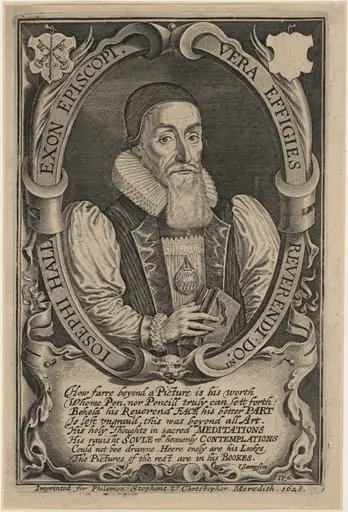 Joseph Hall, Bishop of Exeter and Norwich
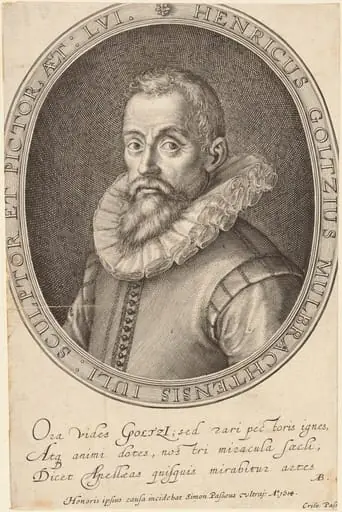 Hendrik Goltzius
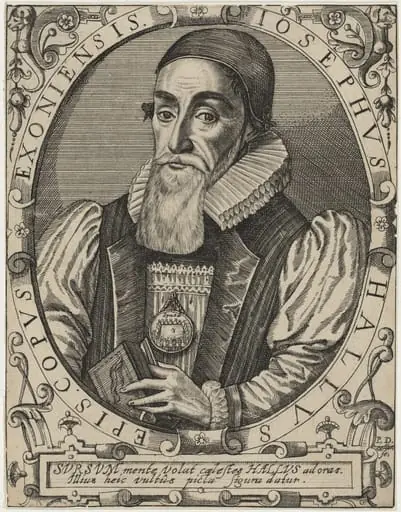 Joseph Hall, Bishop of Norwich
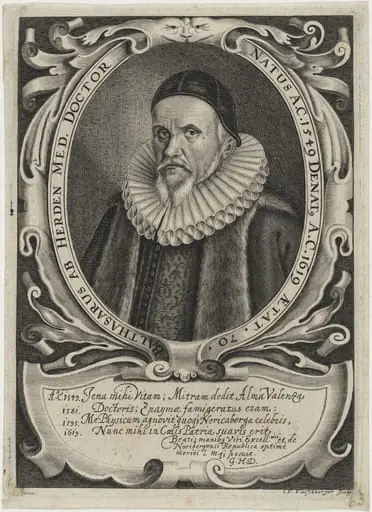 Balthasarus ab Herden Med. Doctor
 Rudolph Hegger
- John King, Bishop of London