Artwork
Pierre Charron, French Philosopher
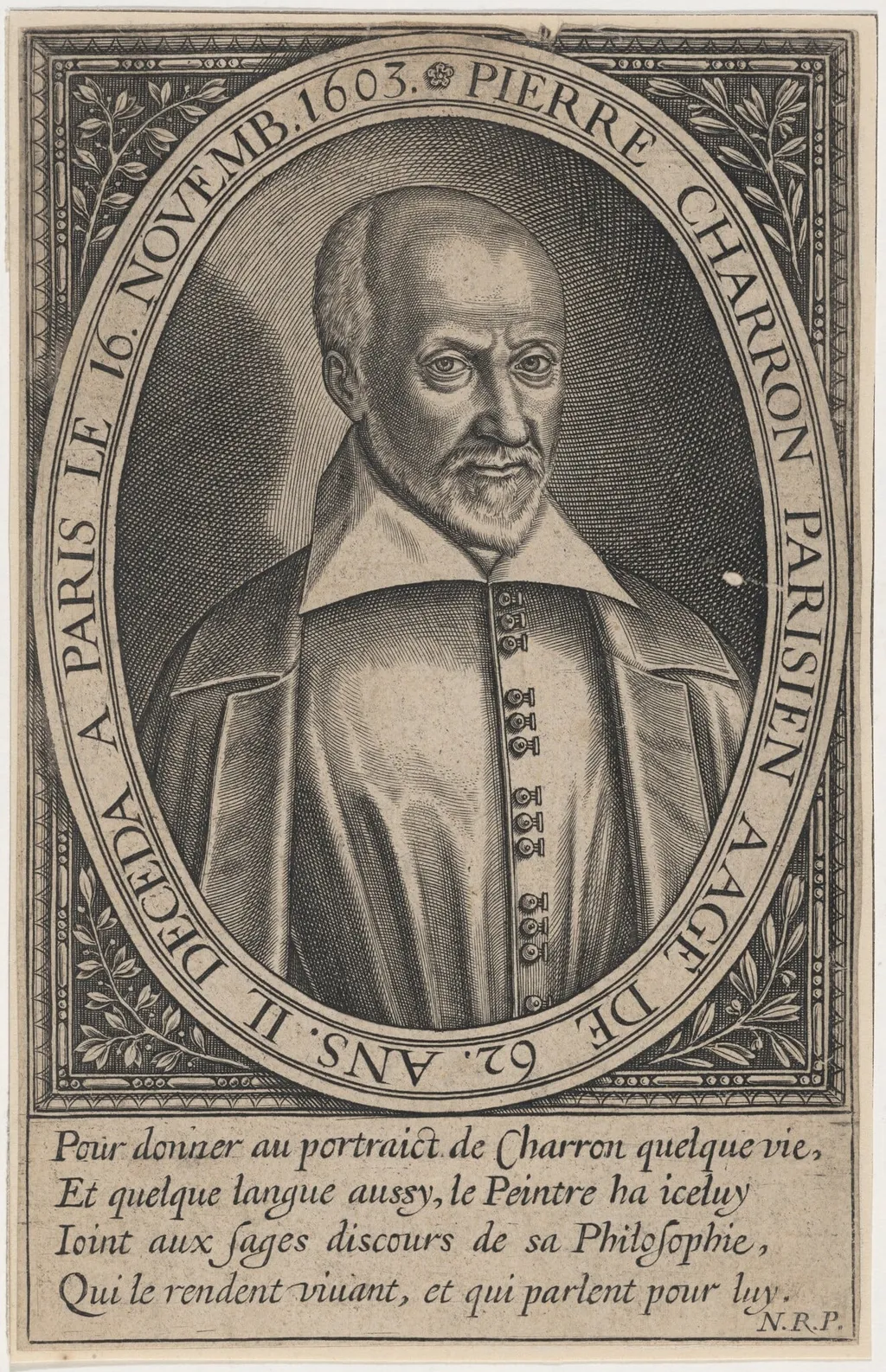
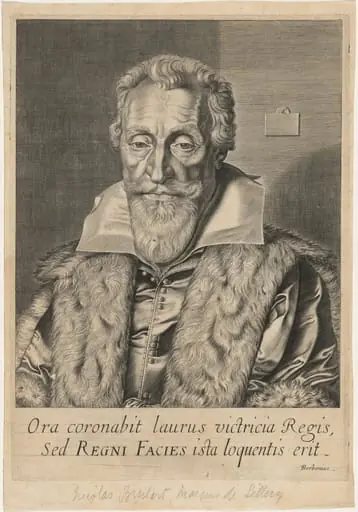
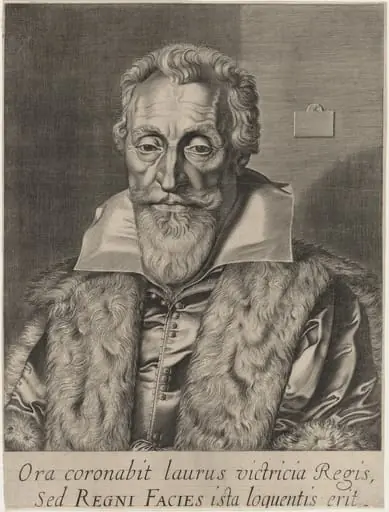
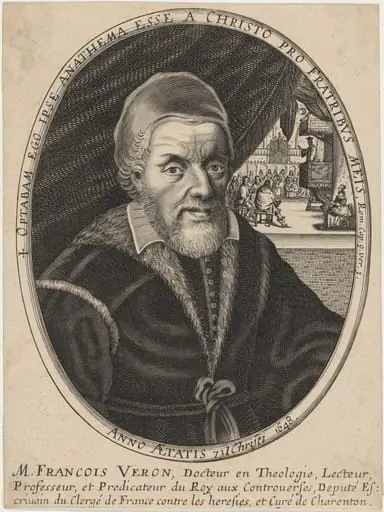
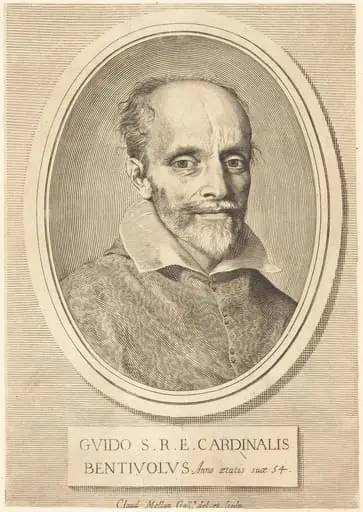
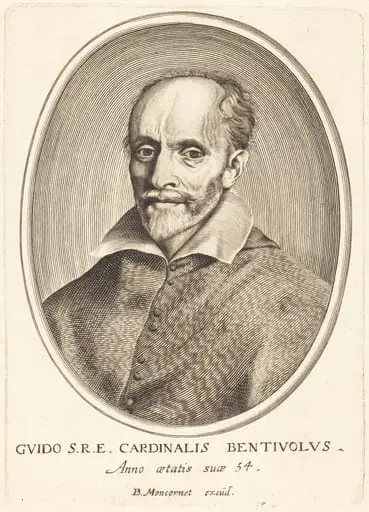
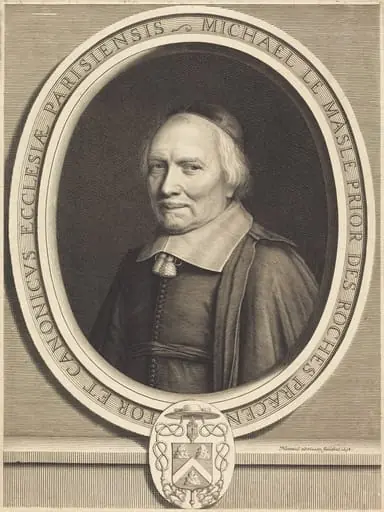
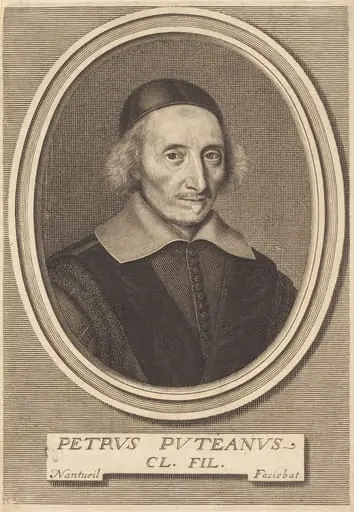
Pierre Charron, French Philosopher is an ink print by the Baroque artist Unknown 19th Century. It dates from 1603 and is held in the collection of the National Gallery of Art. This black-and-white engraving depicts Pierre Charron, a French philosopher of the late 16th and early 17th centuries.
About this work
Next, check out engraving to see how artists like this made detailed prints with just metal and ink.
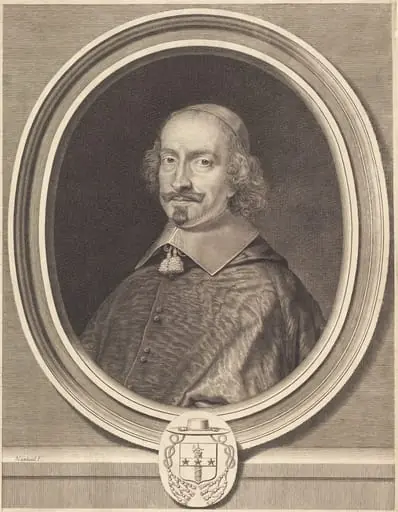
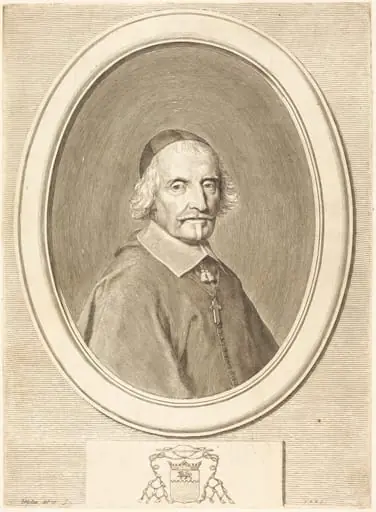
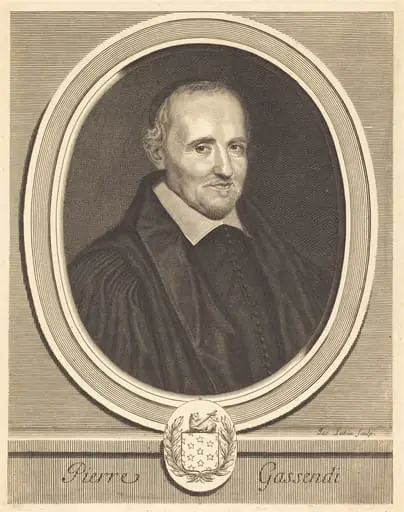
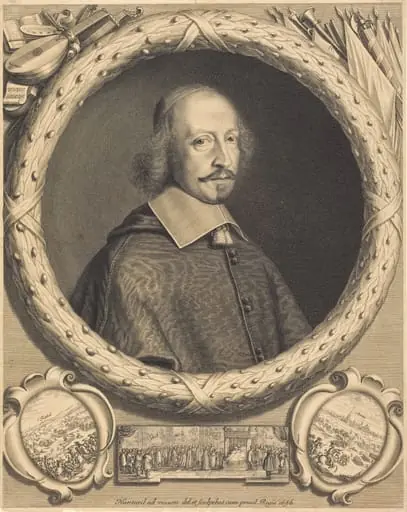
This is a black-and-white portrait of a man with a serious expression. He’s wearing a dark robe with a high collar, and his hands rest inside the sleeves. The background is plain, but the edges of the frame have decorative swirls and text in French.
The date "1603" and the name "Pierre Charron" are written around the top of the circle. The artist used fine lines and shading to create depth in the face and robe.
Next, check out engraving to see how artists like this made detailed prints with just metal and ink.
Overview
This black-and-white engraving depicts Pierre Charron, a French philosopher of the late 16th and early 17th centuries. Rendered in fine linear detail, the portrait presents him in a solemn pose, dressed in a dark, high-collared robe with hands folded within the sleeves. The image is framed by decorative swirls and inscribed with his name and the year 1603, suggesting it was produced as a commemorative or scholarly portrait during his lifetime.
Subject & Meaning
Charron is portrayed with quiet intensity, reflecting his reputation as a thinker focused on moral philosophy and skepticism. The restrained composition, lacking ornamentation or symbolic objects, emphasizes intellectual gravity over status. His hands concealed in the sleeves convey contemplation, aligning with the era’s ideal of the thoughtful scholar. The inclusion of his name and date anchors the image as a record of his intellectual presence.
Technique & Style
The portrait employs fine, controlled engraving lines to model form and texture. Subtle gradations of shading define the contours of the face and the folds of the robe, while the plain background isolates the figure. Decorative border elements, typical of early 17th-century print frames, frame the image without distracting from its central subject. The precision of the lines suggests skilled craftsmanship, common in scholarly portraiture of the period.
History & Provenance
Created in 1603, the engraving likely served to accompany Charron’s published works or to circulate his image among intellectual circles. Though the engraver’s identity is unrecorded, such portraits were often commissioned by publishers or academic institutions to lend authority to philosophical texts. Its survival indicates continued interest in Charron’s ideas beyond his lifetime.
Context
In early 17th-century France, engraved portraits of philosophers were tools of intellectual dissemination, especially as print culture expanded. Charron’s association with Montaigne and his own treatises on ethics placed him within a broader humanist movement. This image reflects the growing practice of visually representing thinkers to reinforce their authority and reach among literate audiences.
Legacy
Though Charron’s fame waned after his death, this engraving preserves a visual record of his presence in early modern philosophy. It remains a primary source for understanding how intellectuals were visually represented in print, offering insight into the intersection of image, text, and authority in the pre-modern scholarly world.
Artist & collection

Artist