Artwork
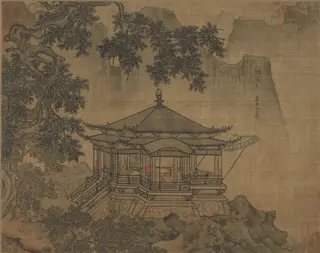
A Pavilion
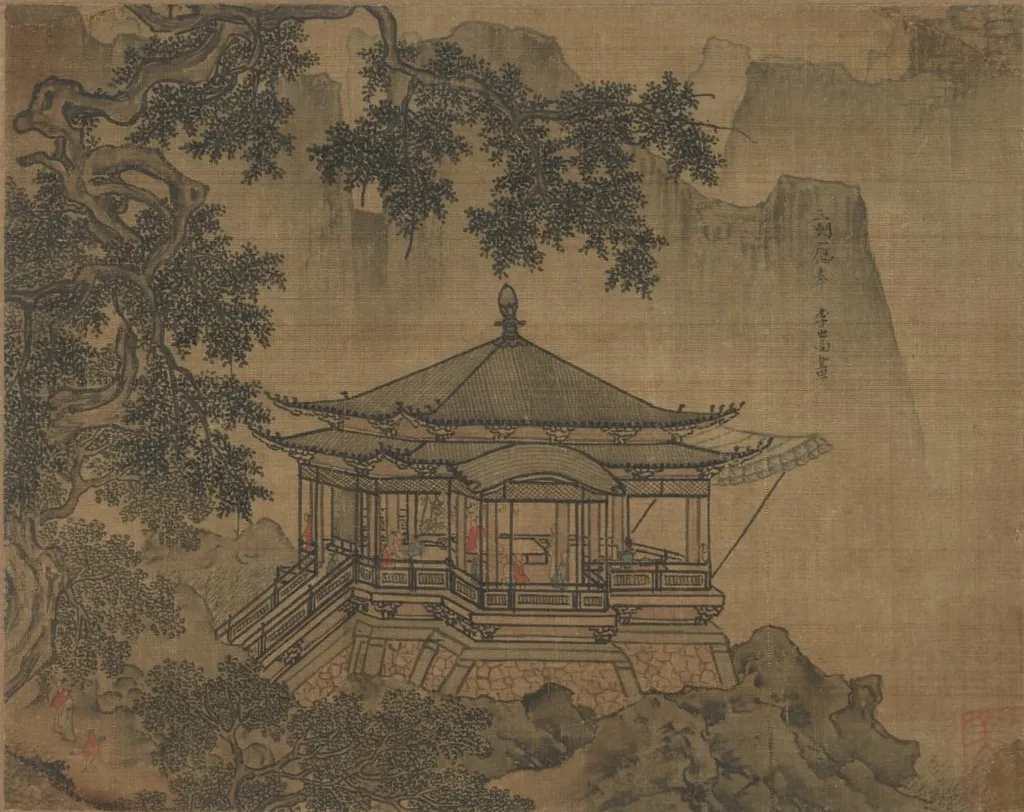
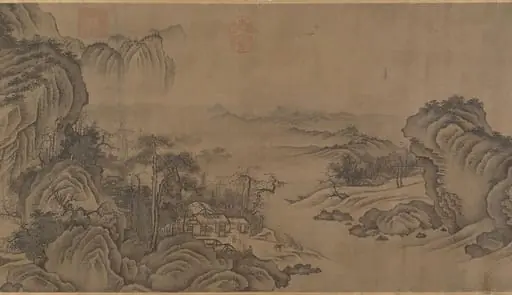
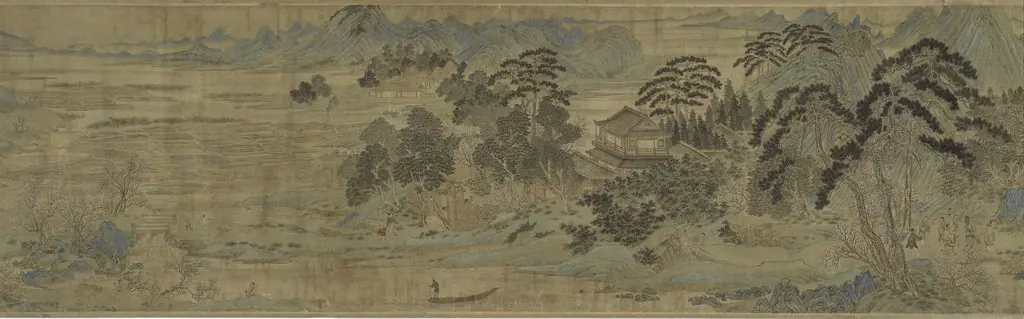
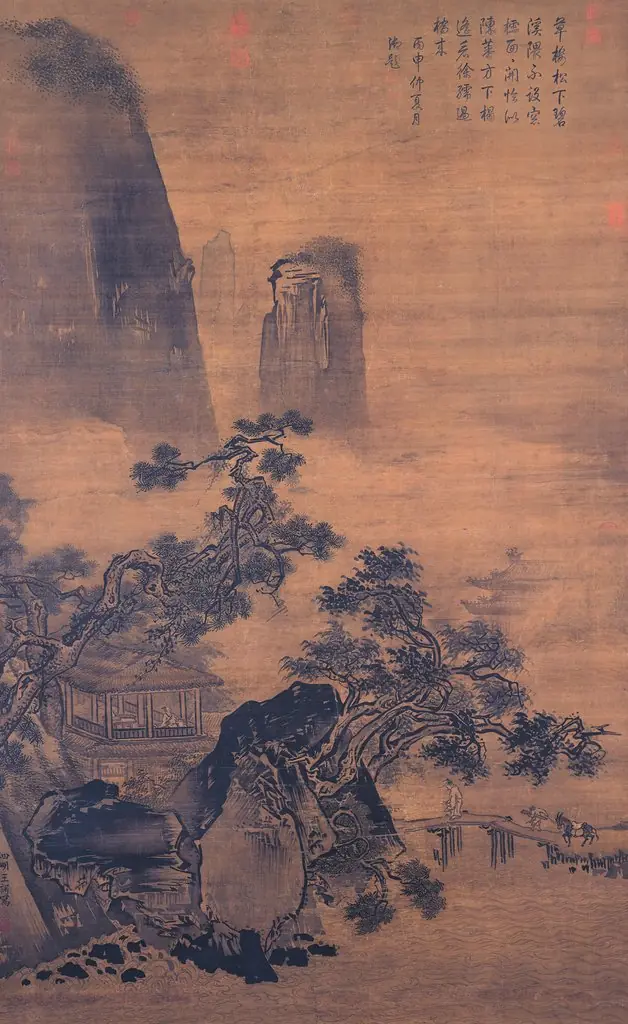
A Pavilion is an unspecified painting by the Song dynasty landscape artist Unknown. It dates from 1203 and is held in the collection of the Cleveland Museum of Art.
- Accession no.
- 1915.705
About this work
This painting comes from China’s Southern Song dynasty, when artists used ink like watercolor to suggest space without outlines.
You see a small, empty pavilion perched on a rocky hillside, mist curling around its wooden beams.
This painting comes from China’s Southern Song dynasty, when artists used ink like watercolor to suggest space without outlines. The pavilion isn’t the focus, it’s just a quiet pause in the vast landscape. The brushstrokes are so light you almost miss them.
To see more quiet ink landscapes like this, look up china, southern song dynasty (1127-1279).
Overview
The work titled A Pavilion depicts a modest wooden structure perched on a craggy slope, its silhouette softened by a veil of mist that drifts around the beams. The composition is spare, emphasizing the isolation of the pavilion within an expansive, undefined terrain. The overall mood is one of quiet contemplation, inviting the viewer to linger on the subtle interplay of architecture and atmosphere.
Subject & Meaning
Rather than presenting the pavilion as a focal point, the painting treats it as a fleeting pause within a broader landscape. The modest building suggests a place of temporary refuge or meditation, while the surrounding emptiness underscores the transience of human presence against the enduring natural world. The work thus evokes a contemplative stillness rather than a narrative scene.
Technique & Style
Executed in the Southern Song ink tradition, the artist employs diluted ink washes that function much like watercolor, allowing tonal gradations to suggest depth without relying on explicit outlines. Brushwork is exceptionally light, with barely perceptible strokes that render the mist and rock surfaces. This approach creates an atmospheric illusion, where space is implied through tonal modulation rather than detailed rendering.
Context
Created during China’s Southern Song dynasty (1127–1279), the painting reflects the period’s aesthetic shift toward understated, lyrical landscapes. Artists of the era favored ink’s expressive potential to convey mood and spatial ambiguity, moving away from the more detailed, colored compositions of earlier periods. A Pavilion exemplifies this move toward minimalism and poetic suggestion.
Legacy
The piece stands as a representative example of Southern Song ink landscapes that prioritize mood over narrative detail. Its subtle handling of mist and architecture has informed later Chinese painters who seek to capture the spirit of a scene through economy of brushstroke. The work continues to be cited in discussions of how minimal means can evoke expansive, contemplative spaces.
Artist & collection