Artwork
Auferstehungsaltar aus Arnstadt
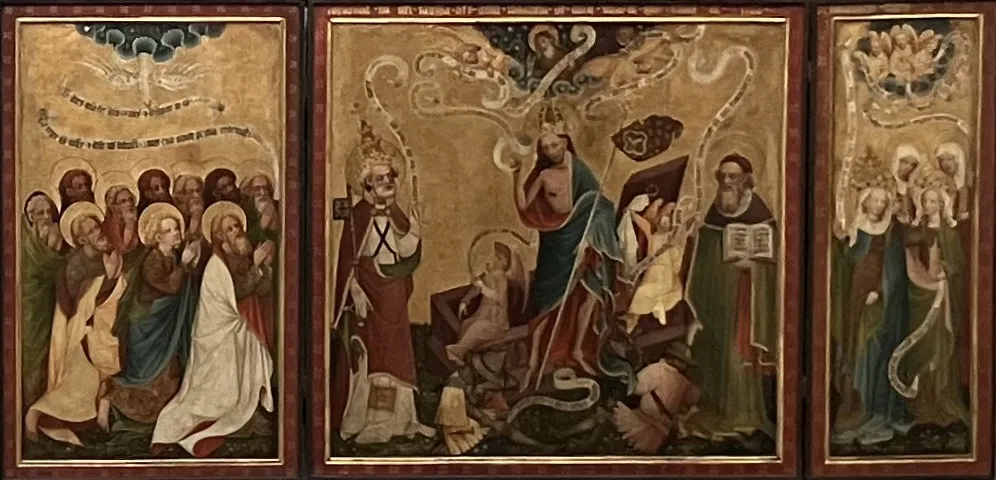
Auferstehungsaltar aus Arnstadt is an unspecified painting by the Early Renaissance artist Unknown. It dates from 1430 and is held in the collection of the Gemäldegalerie Berlin.
About this work
If you're interested in learning more about medieval art, you might want to explore the works of Unknown, an artist who created this painting in 1430.
This painting is divided into three panels, each depicting a scene. The left panel shows a group of people, some with halos, gathered around a figure in white. The central panel features a man in a red robe, surrounded by others, with a figure in blue at the center. The right panel shows a group of people, including some with halos, standing together.
The painting's style and composition suggest a medieval influence, with the use of gold backgrounds and formalized figures. The artist's use of color and detail adds depth and texture to the scenes.
If you're interested in learning more about medieval art, you might want to explore the works of Unknown, an artist who created this painting in 1430.
Overview
The Auferstehungsaltar aus Arnstadt is a triptych panel painting composed of three adjoining scenes. Each section presents a group of figures, some marked with halos, arranged around central characters in distinct garments. The left wing shows a white‑clad figure surrounded by a gathering, the central panel features a man in a red robe with a blue‑dressed figure at its core, and the right wing depicts another assembly of haloed individuals.
Subject & Meaning
The work illustrates a resurrection theme, with the central figure likely representing Christ or a resurrected saint, emphasized by the surrounding haloed participants. The red‑robed man may symbolize a biblical authority or apostle, while the blue‑clad presence at the heart of the central panel reinforces the theological focus on divine renewal.
Technique & Style
Executed with medieval conventions, the panels employ gold leaf backgrounds that flatten space and highlight the sanctity of the subjects. Figures are rendered in a formal, stylized manner, with careful attention to drapery and color contrasts that give texture to the garments while maintaining a hieratic composition.
History & Provenance
The altarpiece originates from Arnstadt, a town with a longstanding ecclesiastical tradition. Its creator remains unidentified, a common circumstance for many medieval workshop productions. The piece has remained associated with its original location, serving liturgical functions within the local church setting.
Context
Triptychs of this type were typical in late medieval German devotional art, intended for altars where congregants could contemplate the resurrection narrative. The use of gold and haloed figures aligns with contemporary visual language that signaled holiness and celestial authority.
Legacy
Although the artist’s name is lost, the Auferstehungsaltar contributes to the corpus of German medieval panel painting, offering insight into regional iconography and workshop practices. Its preservation allows scholars to examine the interplay of color, material, and theological expression in pre‑Renaissance altar art.
Artist & collection









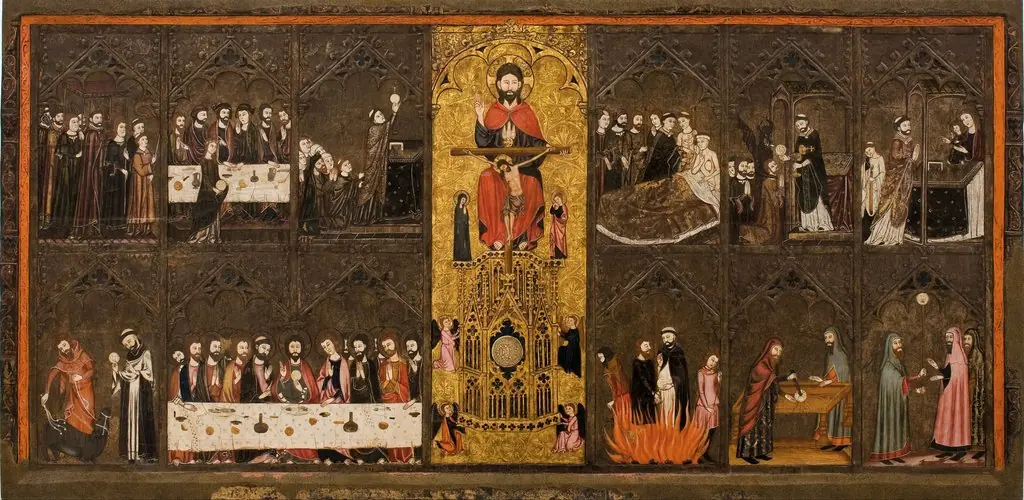
- Altarpiece of the Corpus Christi
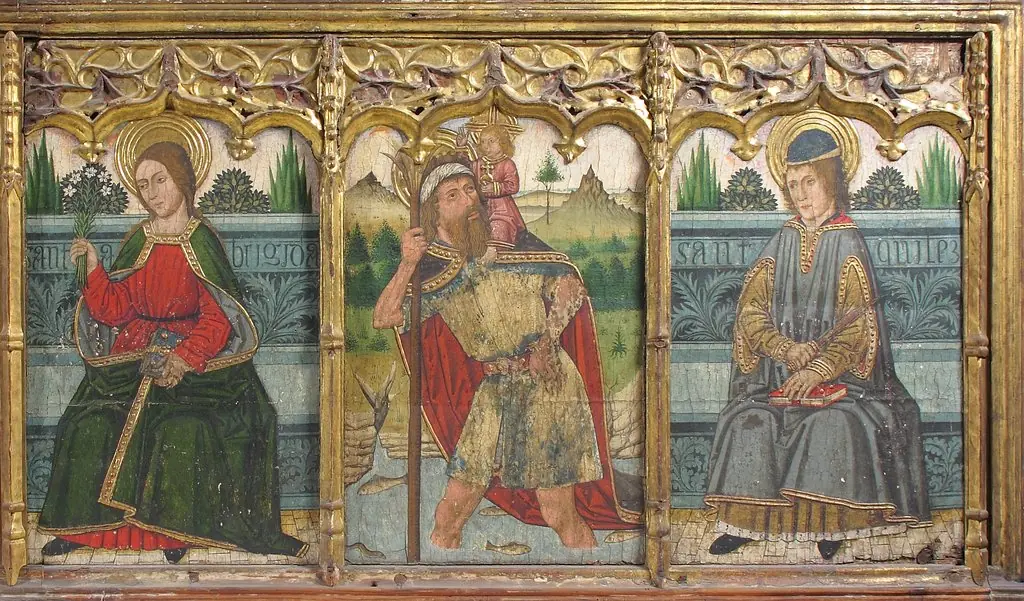 Predella pane with Saint Bridget, Saint Christopher, and Saint Kilian from Retable
 Scenes from the Life of Saint Catherine of Alexandria
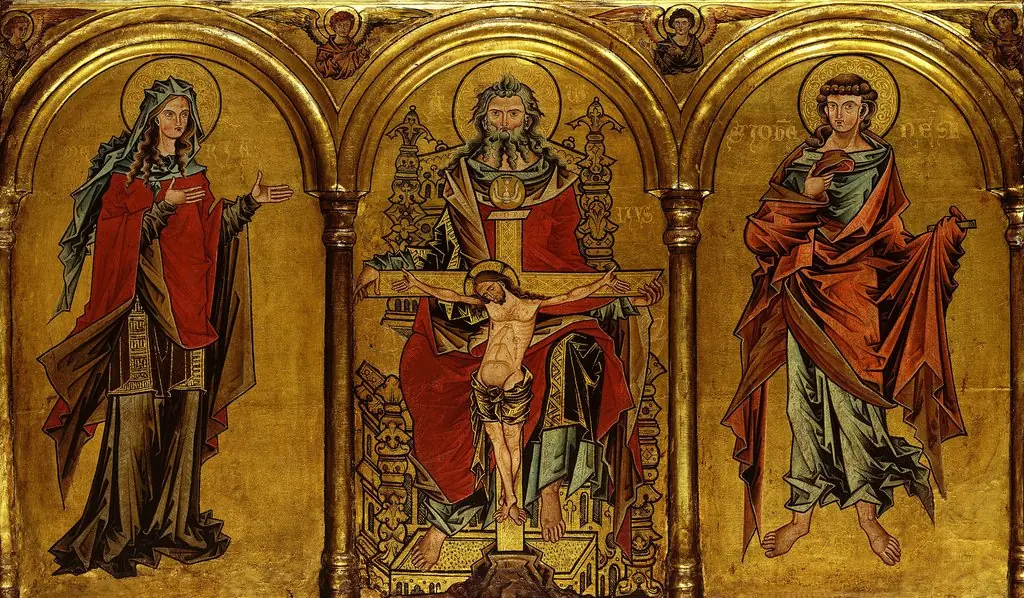 Retable with the seat of mercy
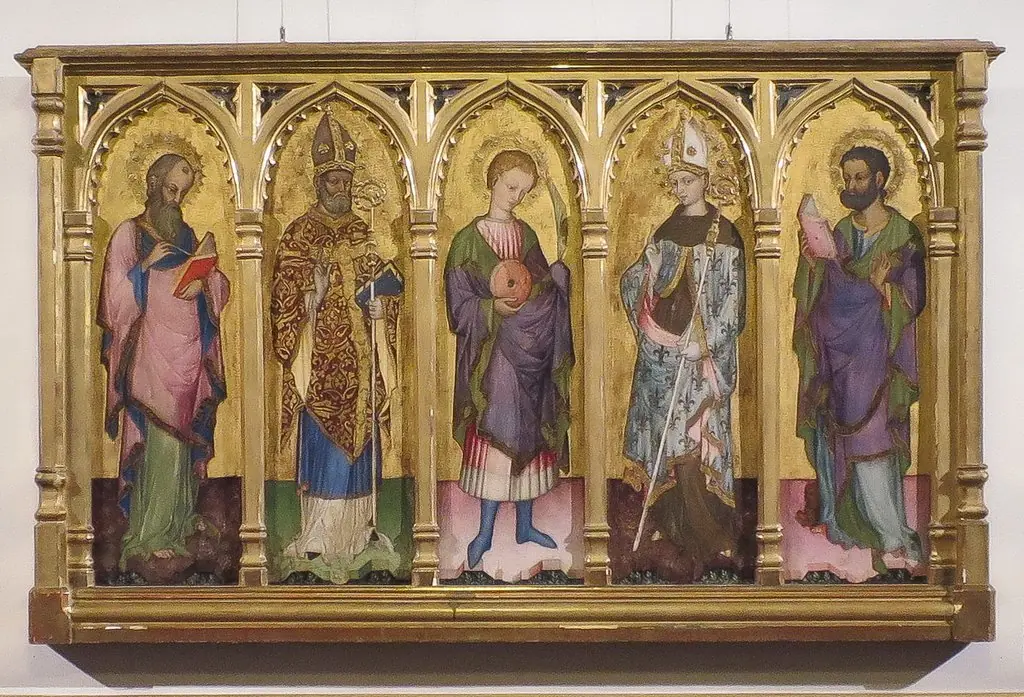 St Matthew the Evangelist (?), St Dujam, St Anastasius, St Louis of Toulouse and St Mark the Evangelist
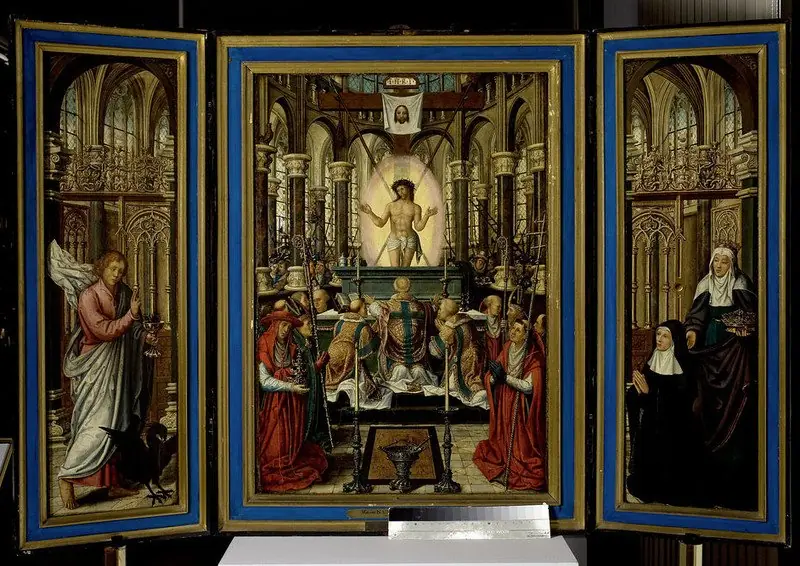 Triptych of the Mass of St. Gregory; left wing: St. John the Evangelist; right wing: St. Elisabeth of Hungary with the founder, Elisabeth van der Meren
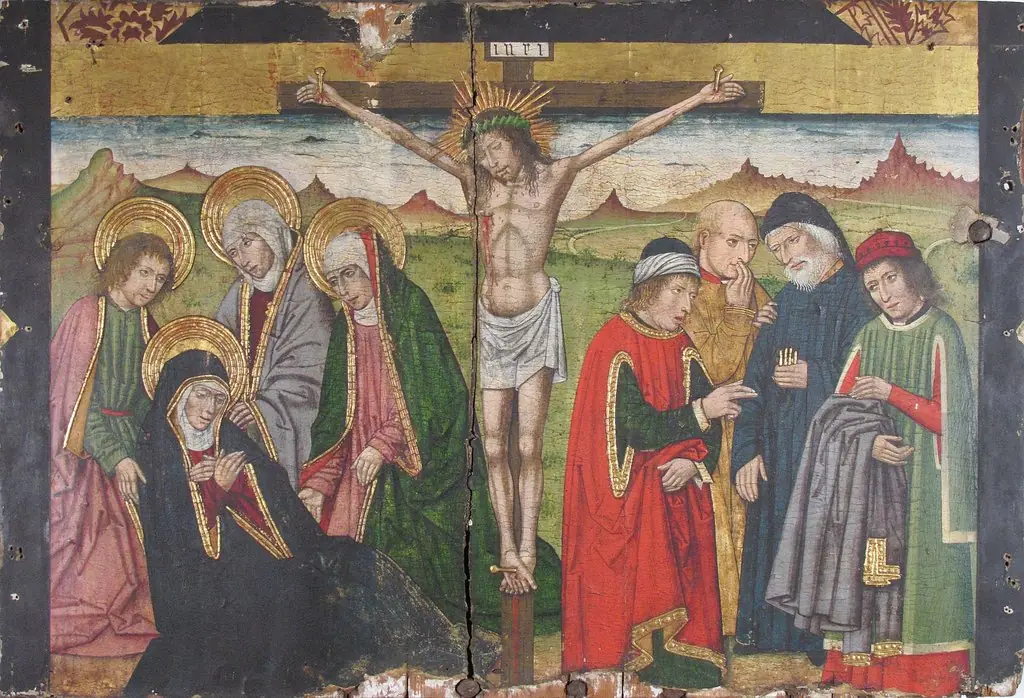 Panel with The Crucifixion from Retable
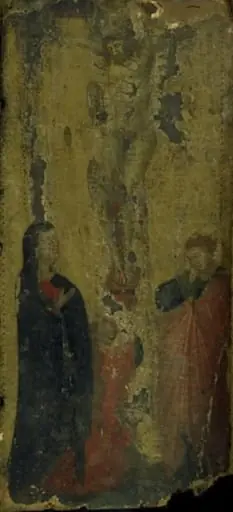 Christ on the Cross
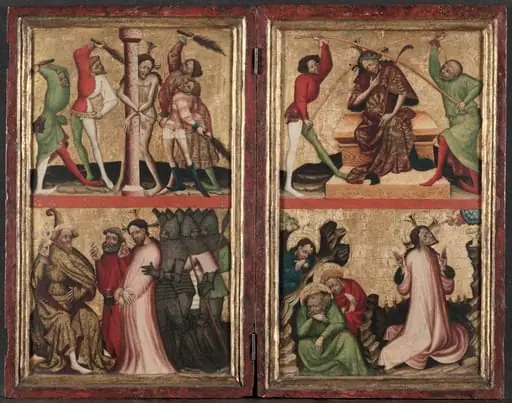 Diptych with the Passion of Christ
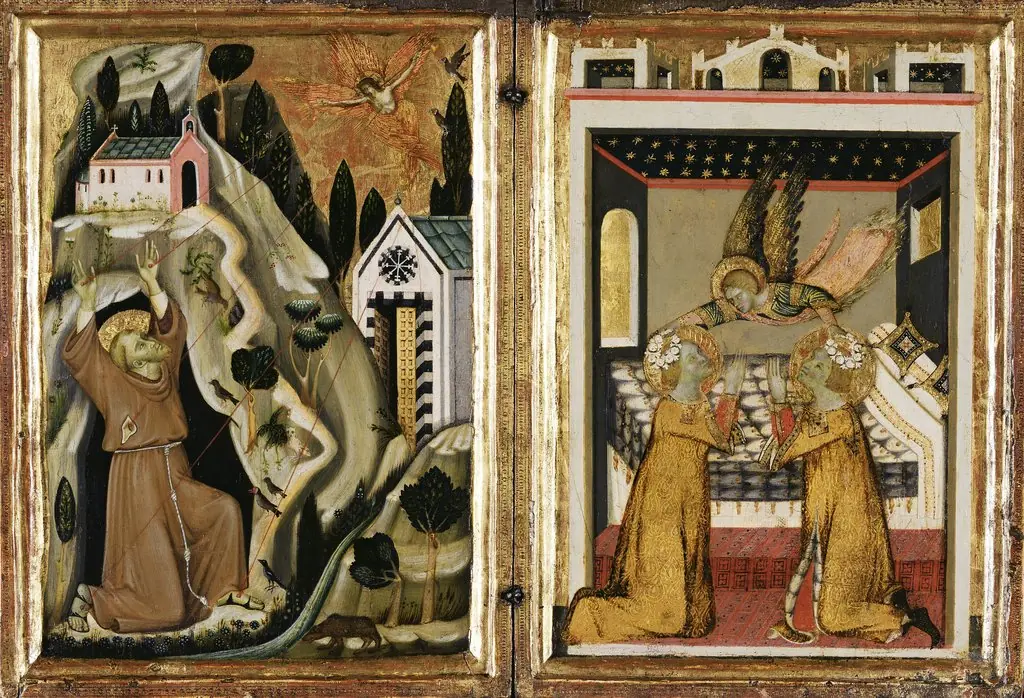 The Stigmatization of St. Francis, and Angel Crowning Saints Cecilia and Valerian
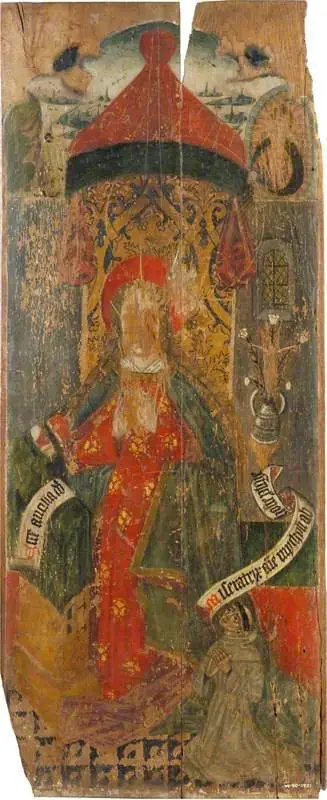 The Annunciation
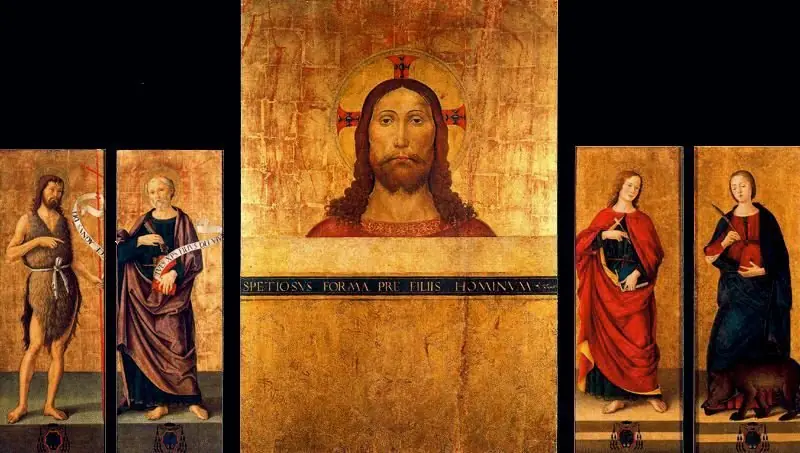 Triptych: Bust of Christ, Saint John the Baptist and Saint Peter. Closed: Saint John the Evangelist and Saint Colombe