Artwork
Bildnis eines Mannes
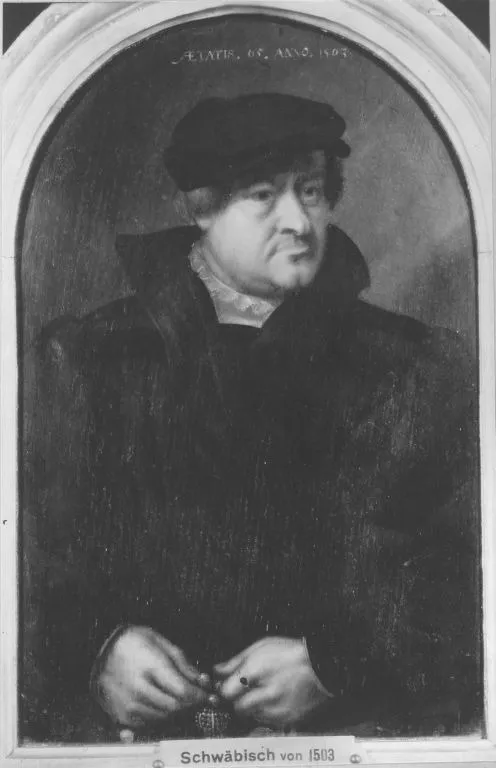
Bildnis eines Mannes is an unspecified painting by the Mannerist artist Unknown. It dates from 1563 and is held in the collection of the Bavarian State Painting Collections. The work is a painted portrait of a man dressed in a dark coat and hat, positioned before a muted background.
About this work
Subject & Meaning
As a portrait genre piece from 1563, it embodies the era's growing interest in capturing specific individuals with psychological depth and social dignity.
The painting depicts a man, presented as a straightforward portrait without elaborate narrative or allegorical elements. The work represents the direct, individualized portrayal typical of mid-16th-century German portraiture, focusing on the sitter's presence and status rather than symbolic embellishment. As a portrait genre piece from 1563, it embodies the era's growing interest in capturing specific individuals with psychological depth and social dignity.
History & Provenance
The portrait was painted in 1563 by an artist identified through Wikidata as part of the Swabian school. It entered the collection of the Bavarian State Painting Collections and has been displayed at the Alte Pinakothek since its acquisition. The work measures 41 cm in height and 27 cm in width.
Overview
The work is a painted portrait of a man dressed in a dark coat and hat, positioned before a muted background. He holds his hands together in front of his torso, his gaze directed downward, and his brow furrowed, conveying a solemn demeanor. The overall palette is restrained, emphasizing the figure’s seriousness and the painting’s subdued atmosphere.
Technique & Style
Executed in a realistic manner, the artist employs a nuanced range of tonal values to model the face and clothing, creating a sense of three‑dimensionality. Careful gradations of light and shadow define the folds of the coat and the texture of the hat, while the dark background isolates the figure, enhancing the portrait’s intimate focus.
Context
The painting aligns with the tradition of 17th‑ to 19th‑century European portraiture that favored sober coloration and direct, unembellished representation of the subject. Its emphasis on psychological presence over decorative elements reflects a period in which portraiture served both documentary and personal purposes, often commissioned to convey the sitter’s status and character.
Artist & collection









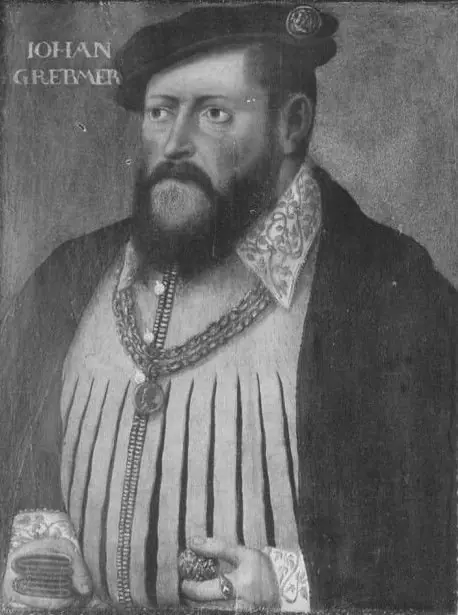 Bildnis des herzoglichen Kammerdieners Johann Grebmer zu Neuenhaus
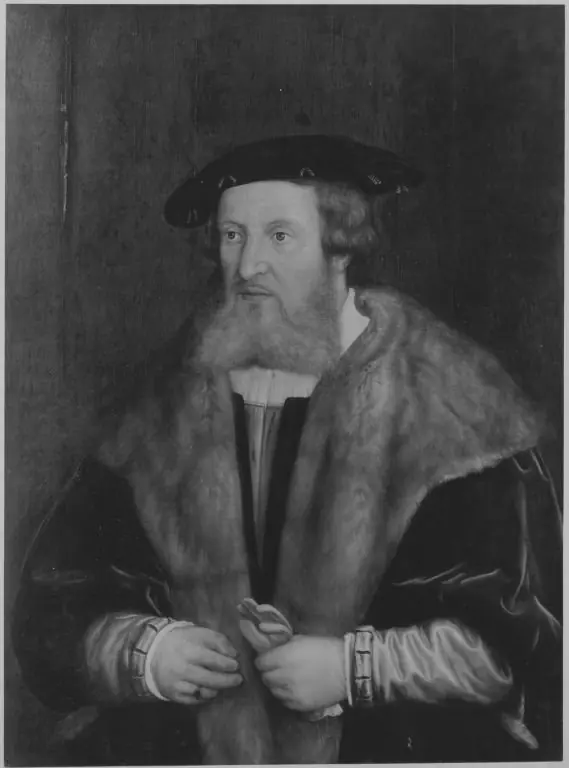 Kurfürsten Friedrich II. der Weise, Pfalzgraf bei Rhein
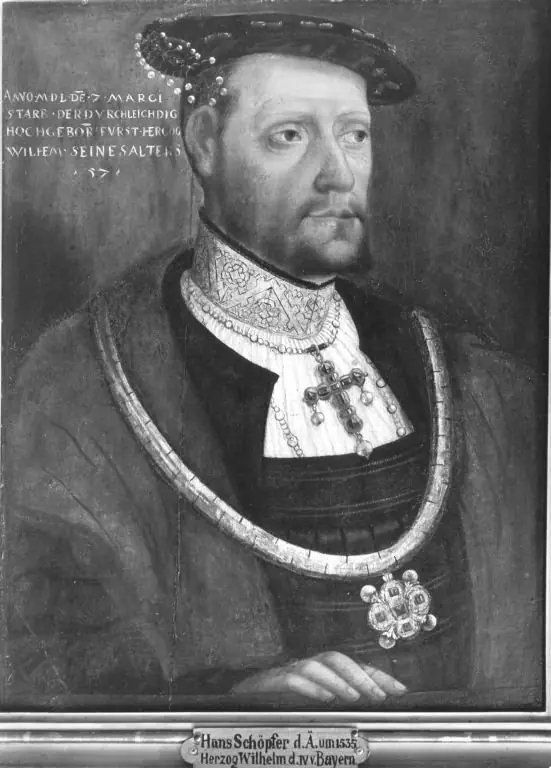 Herzog Wilhelm IV. von Bayern
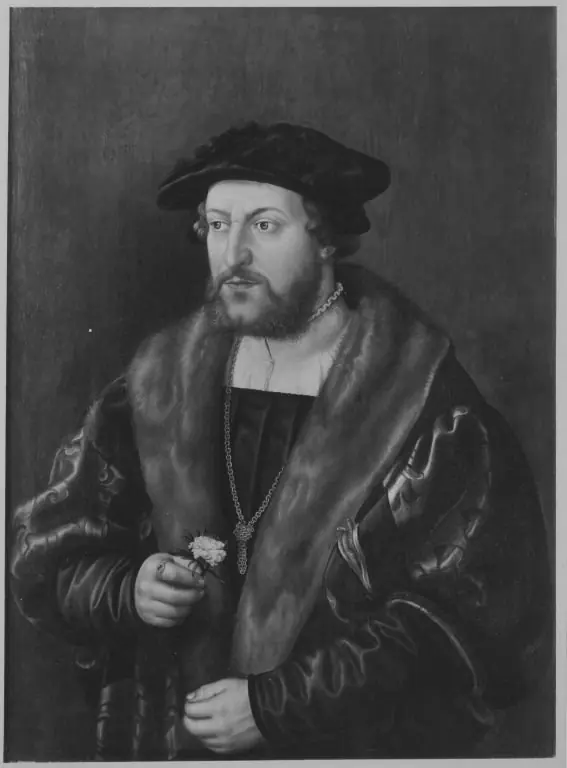 Portrait of Herzog Johann III, Paltzgraf bei Rhein (1488-1538)
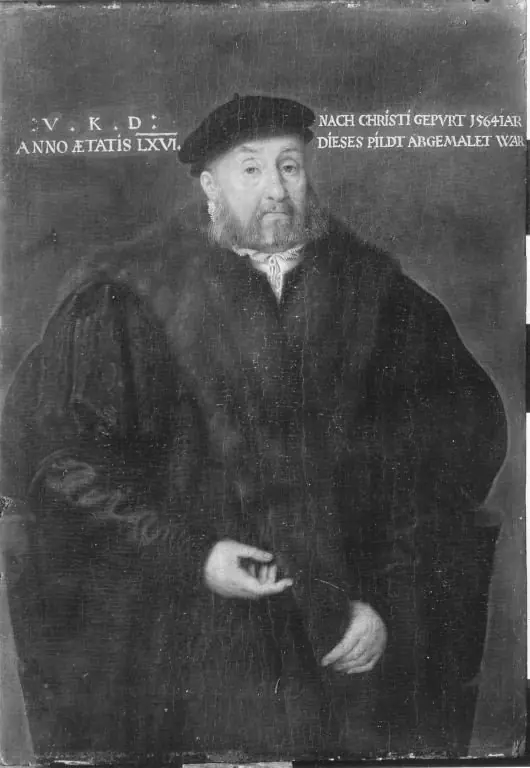 Bildnis eines Mannes im Alter von 66 Jahren
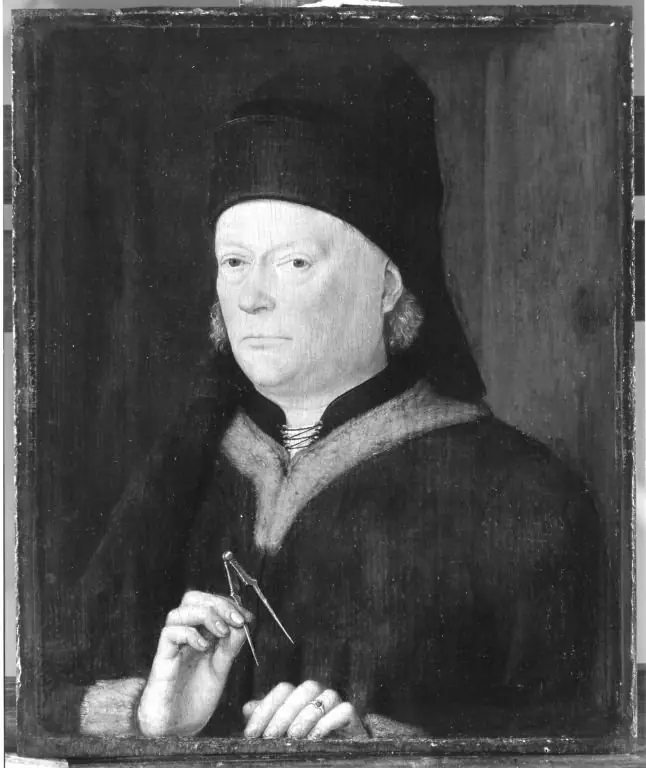 Portrait of an unknown master builder
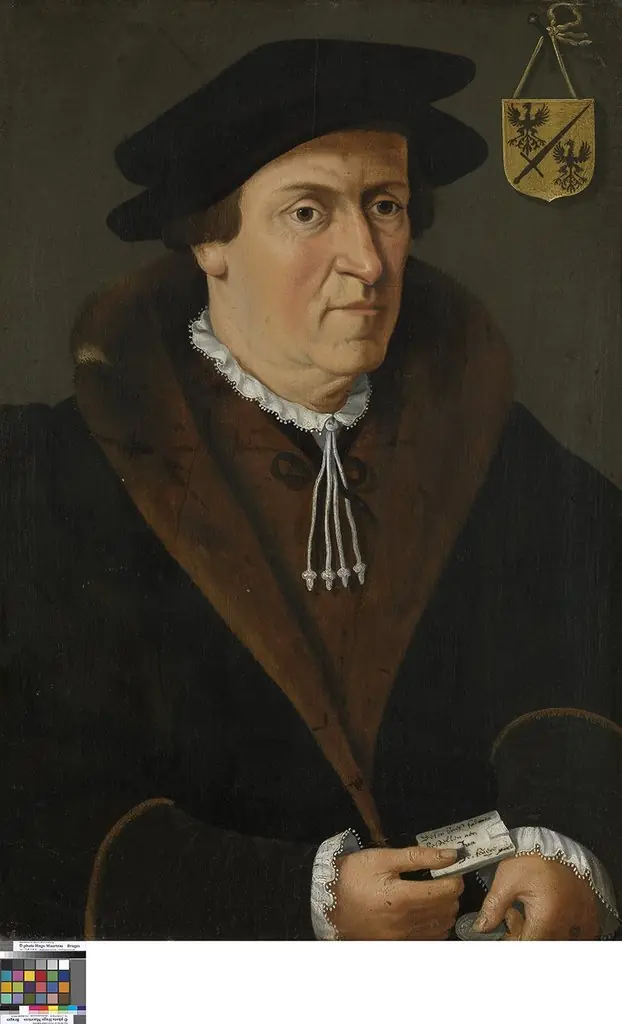 Portrait of Jan de Fevere
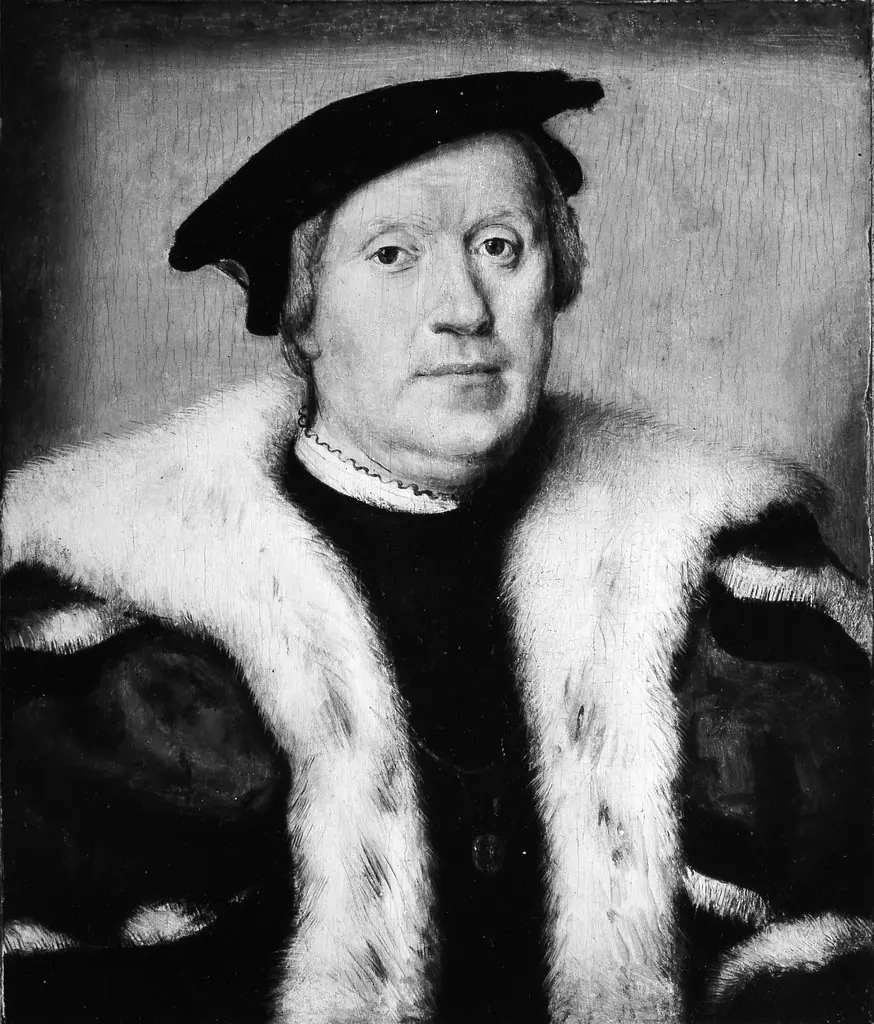 Jean d'Albon de Saint-André (1472–1549)
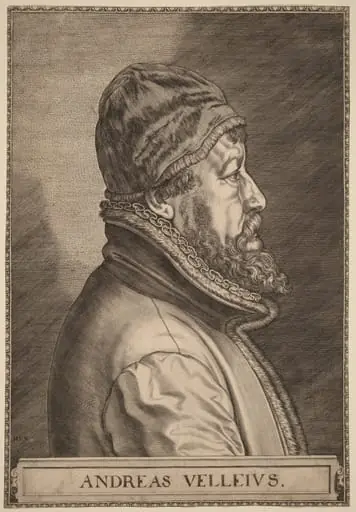 Andreas Velleius (Anders Sorensen Vedel)