Artwork
Geese Returning Home
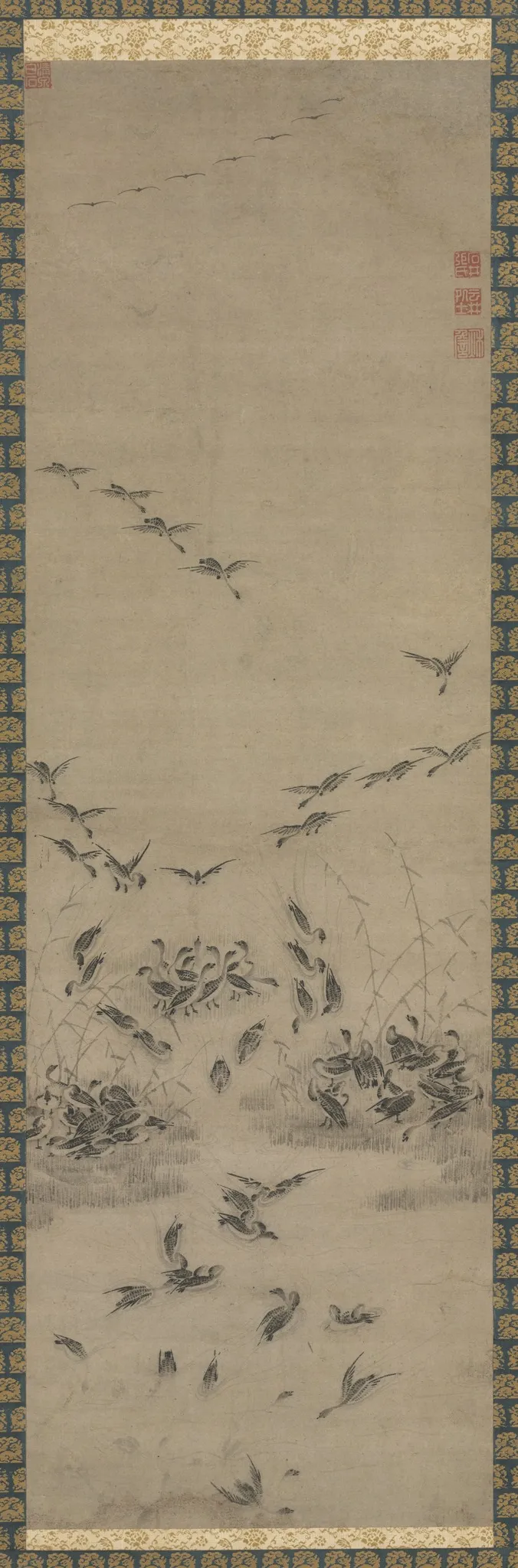
Geese Returning Home is an unspecified painting. It dates from 1600 and is held in the collection of the Cleveland Museum of Art. The work depicts a group of geese in the act of returning, some aloft over a swath of tall grass and others settled on the ground.
About this work
History & Provenance
The painting Geese Returning Home is held in the collection of the Cleveland Museum of Art, located in Cleveland.
Created in Korea around the year 1600, Geese Returning Home is a painting attributed to an unknown artist. The work entered the collection of the Cleveland Museum of Art, where it is currently housed. It carries the accession number 1993.159, indicating its formal registration within the institution's holdings during that year.
The painting Geese Returning Home is held in the collection of the Cleveland Museum of Art, located in Cleveland. The work carries the accession number 1993.159 within the museum's records. Created around the year 1600 in Korea, the piece is classified as a painting by an unknown artist.
The available sources confirm its current institutional location and unique identifier but do not provide specific details regarding past exhibitions or a detailed provenance history prior to its accession.
Overview
The work depicts a group of geese in the act of returning, some aloft over a swath of tall grass and others settled on the ground. The composition is dominated by a sparse backdrop, offering only a faint suggestion of sky and distant hills, which emphasizes the quiet moment of the birds’ arrival.
Subject & Meaning
The painting captures a fleeting natural scene, focusing on the transition between flight and rest. By isolating the geese against an open space, the artist conveys a sense of calm and the rhythmic cycle of migration, inviting viewers to contemplate the simplicity of movement within a tranquil landscape.
Technique & Style
Executed in gray ink on light‑colored paper, the piece relies on stark outlines to define the birds and the grasses. The minimal palette and restrained brushwork create a clear contrast, while the generous empty areas function as visual breathing room, highlighting the motion of the flock without decorative detail.
Context
The composition reflects a broader tradition of East Asian ink painting that values negative space and the suggestion of form over exhaustive representation. Such an approach aligns with aesthetic principles that prioritize the conveyance of atmosphere and the essence of a subject rather than precise realism.
Artist & collection

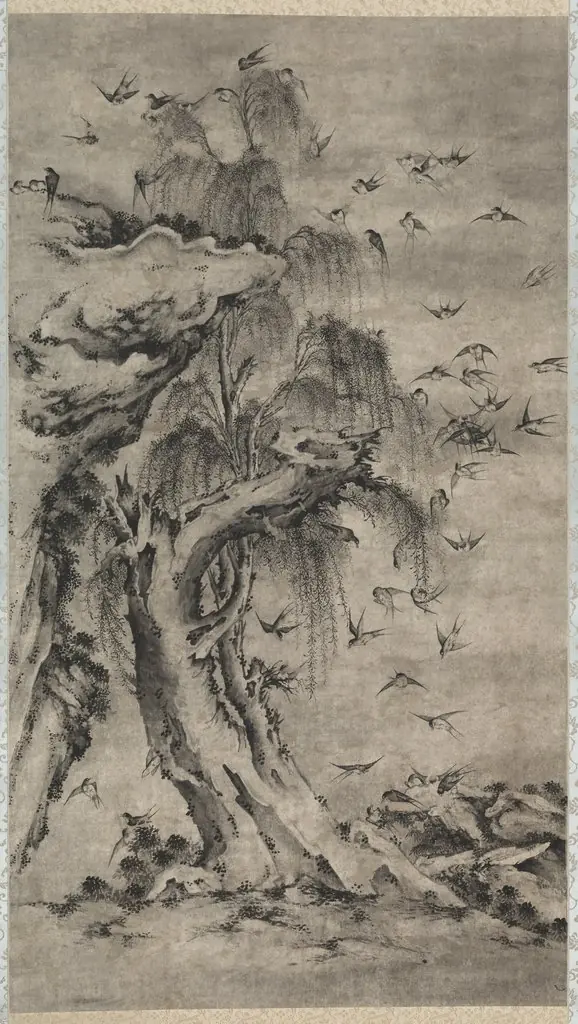 One Hundred Birds
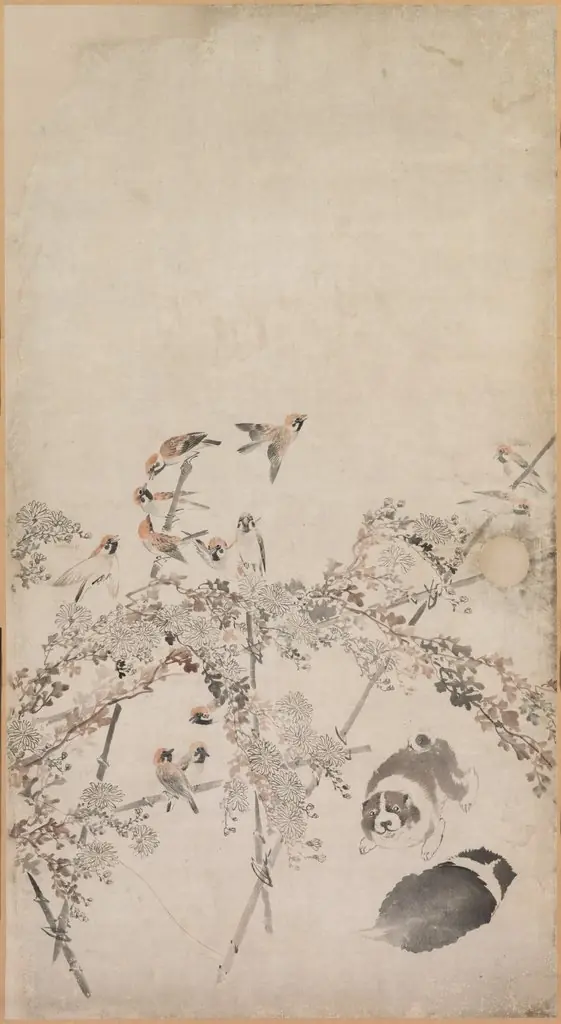 Puppies, Sparrows, and Chrysanthemums
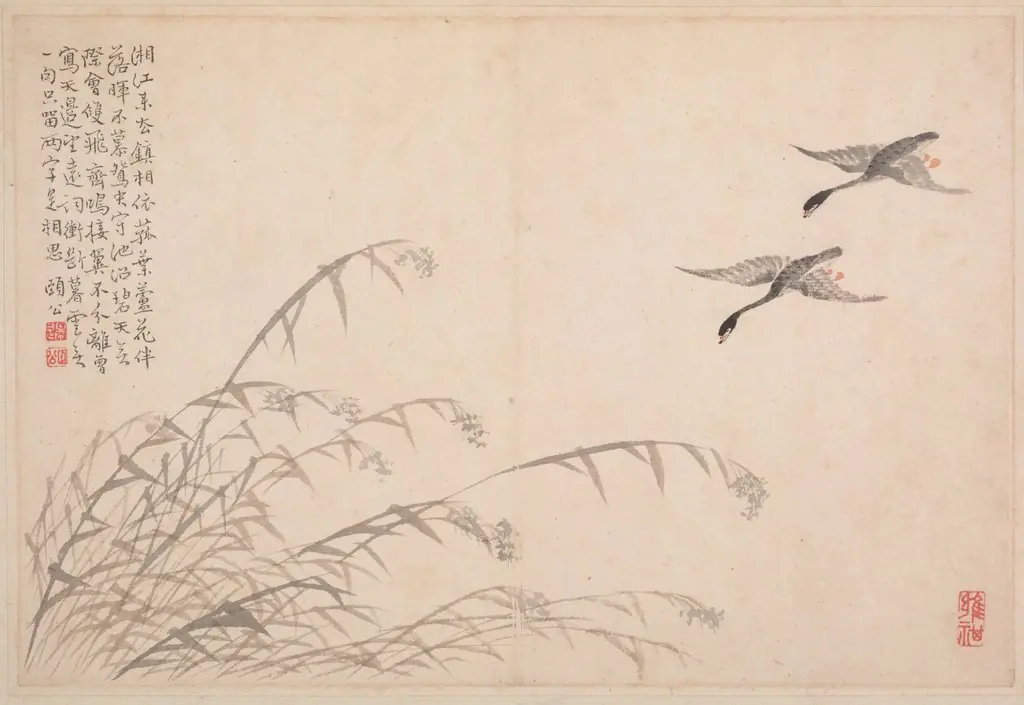 Album of Calligraphy and Paintings
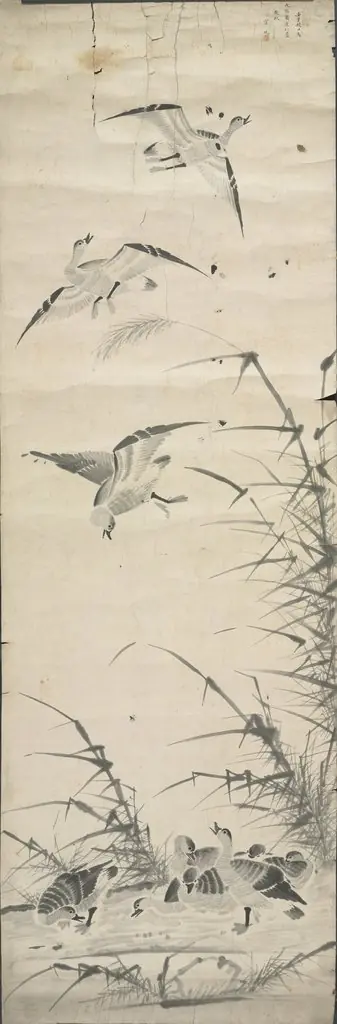 Wild Geese and Reeds
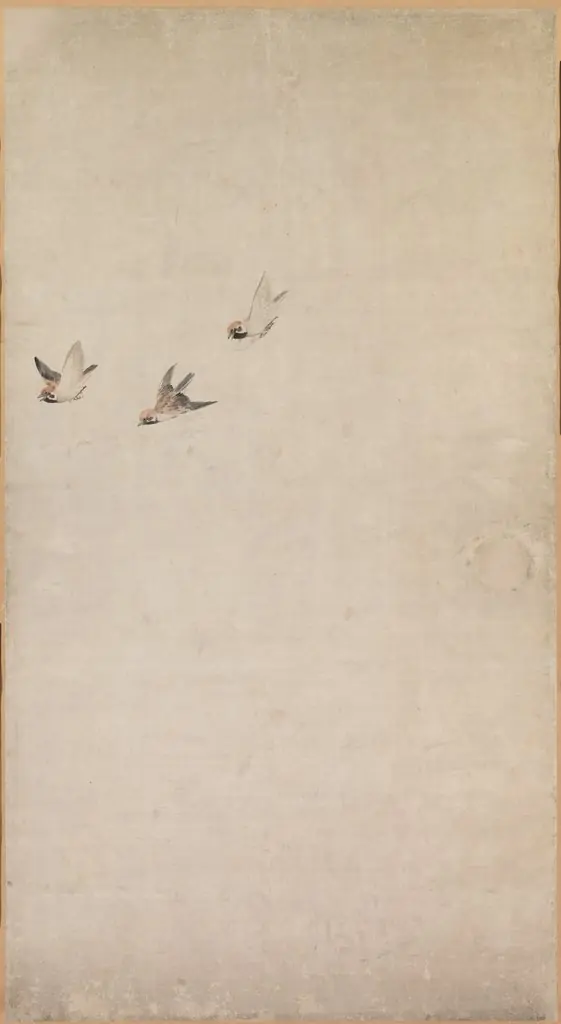 Puppies, Sparrows, and Chrysanthemums
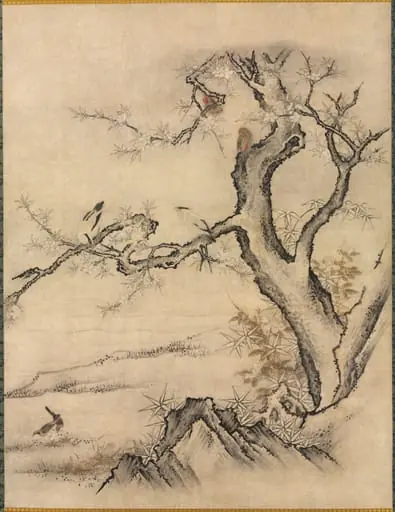 Flowers and Birds in a Spring Landscape
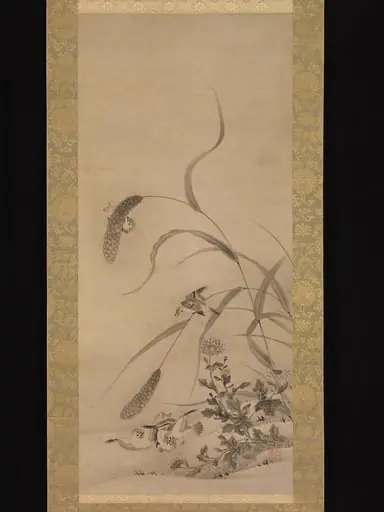 粟に燕図|Millet and Sparrows
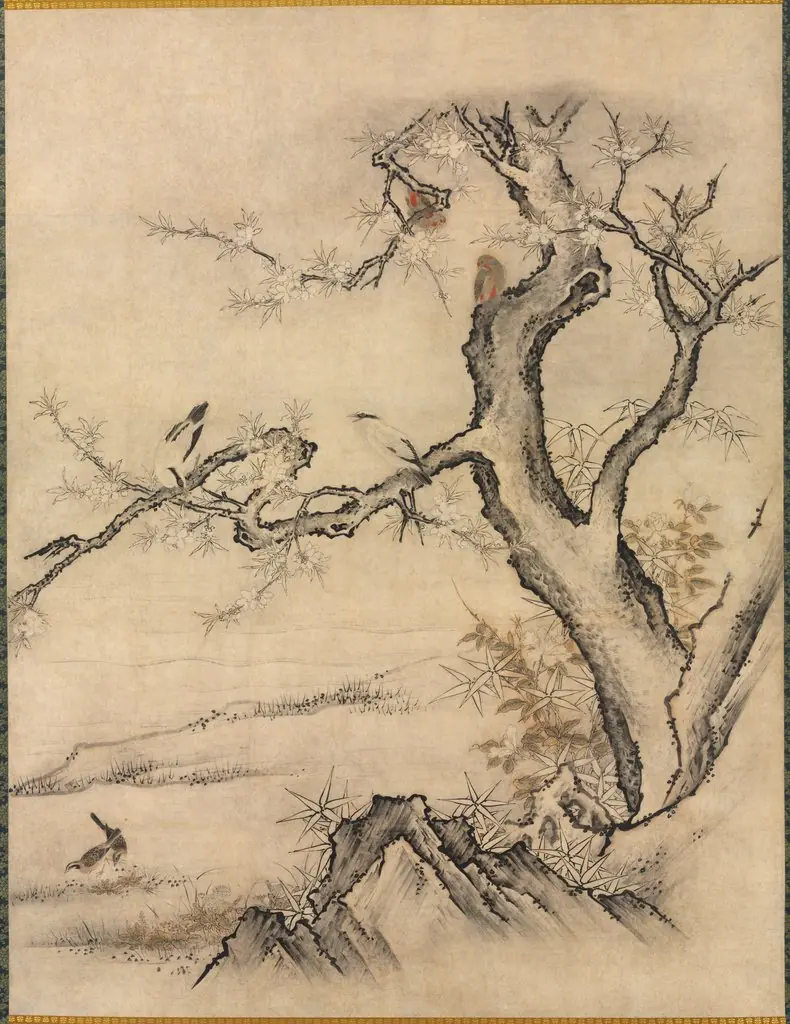 Flowers and Birds in a Spring Landscape
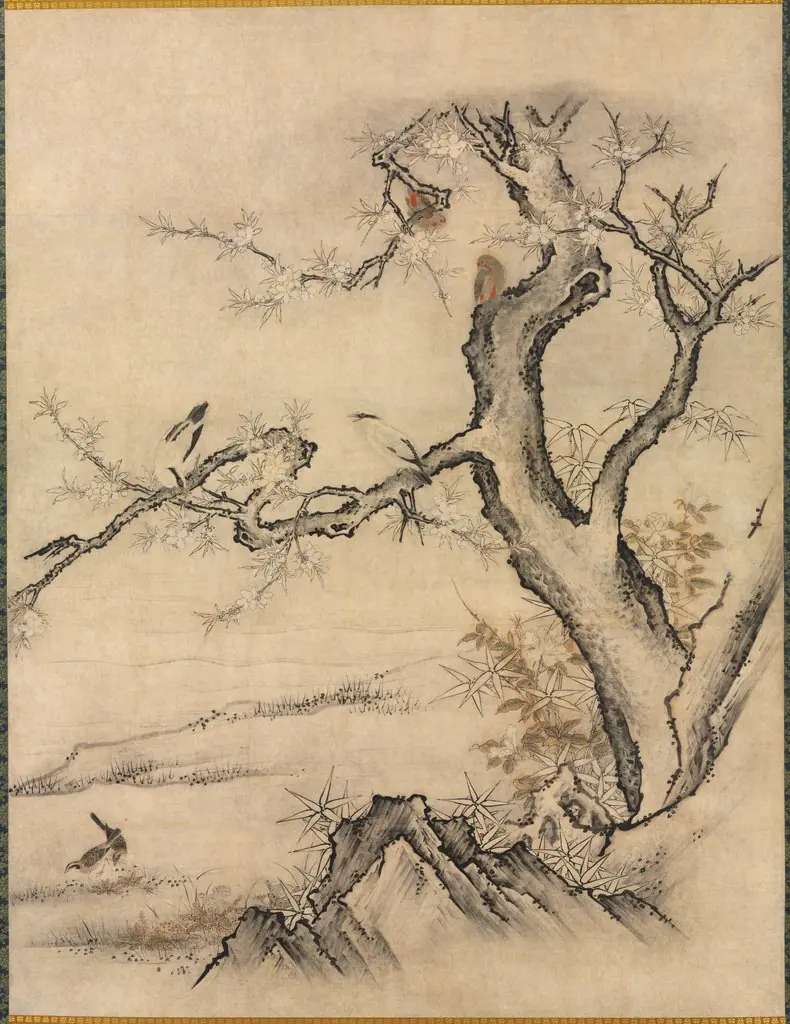 Flowers and Birds in a Spring Landscape
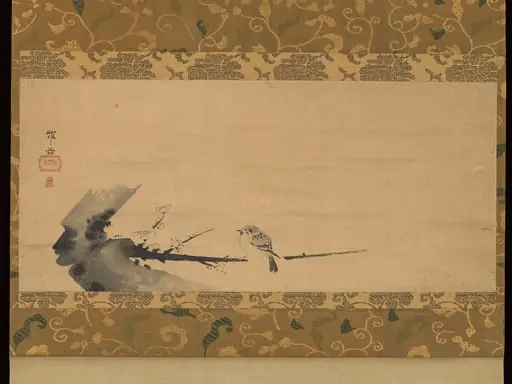 Untitled
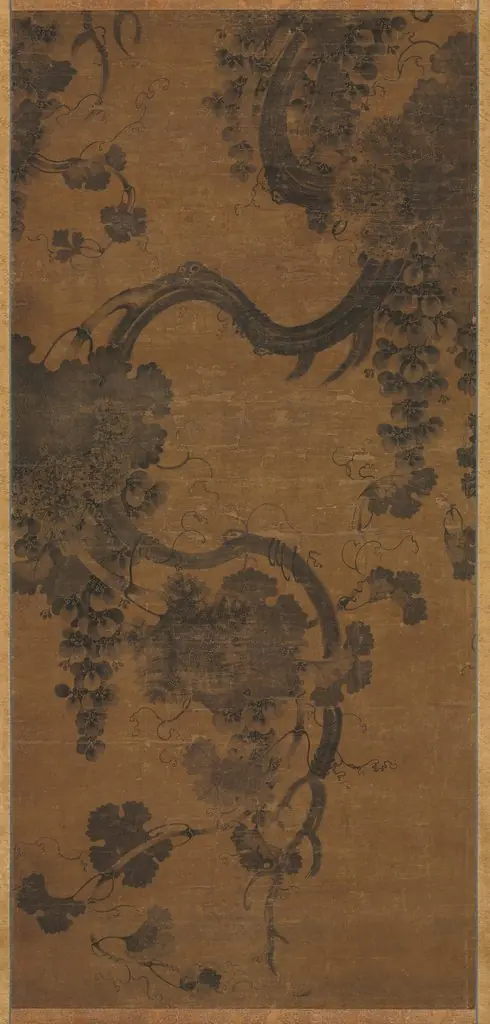 Grapes
- Geese Returning Home