Artwork
The Madonna and Child (copy)
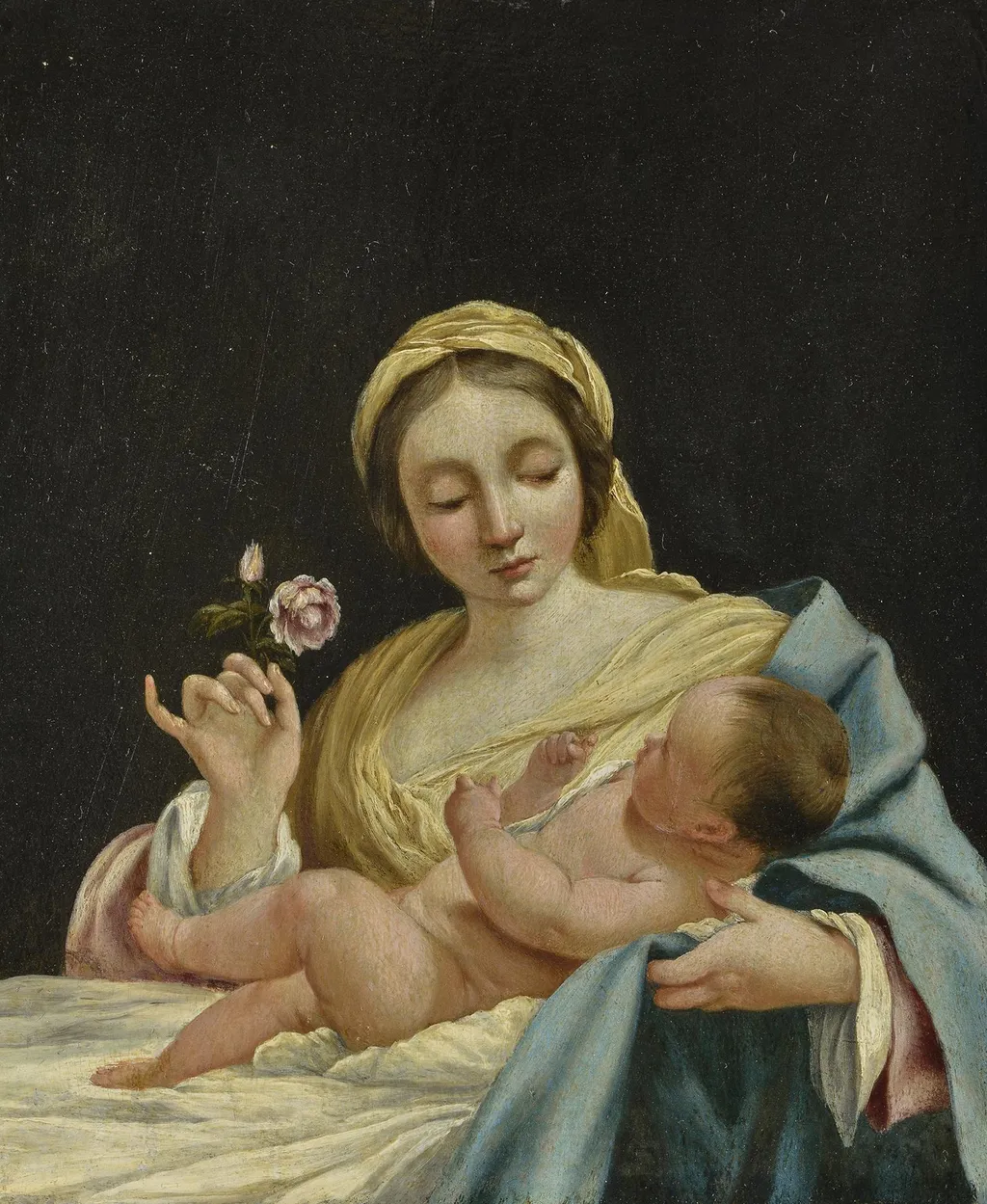
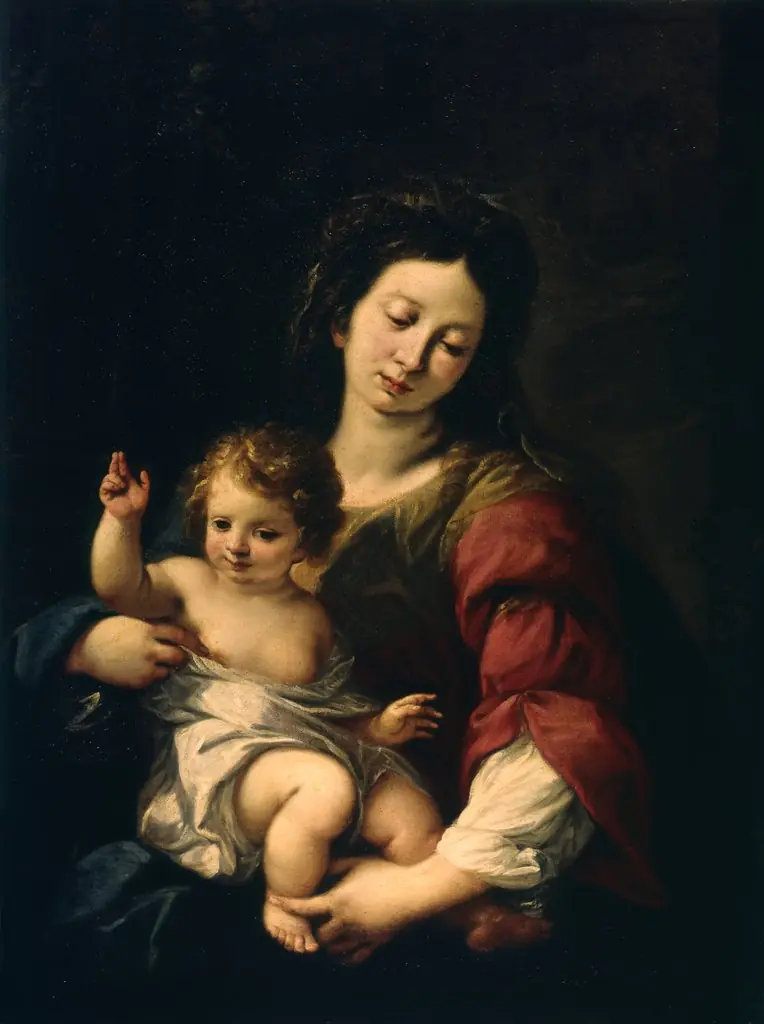
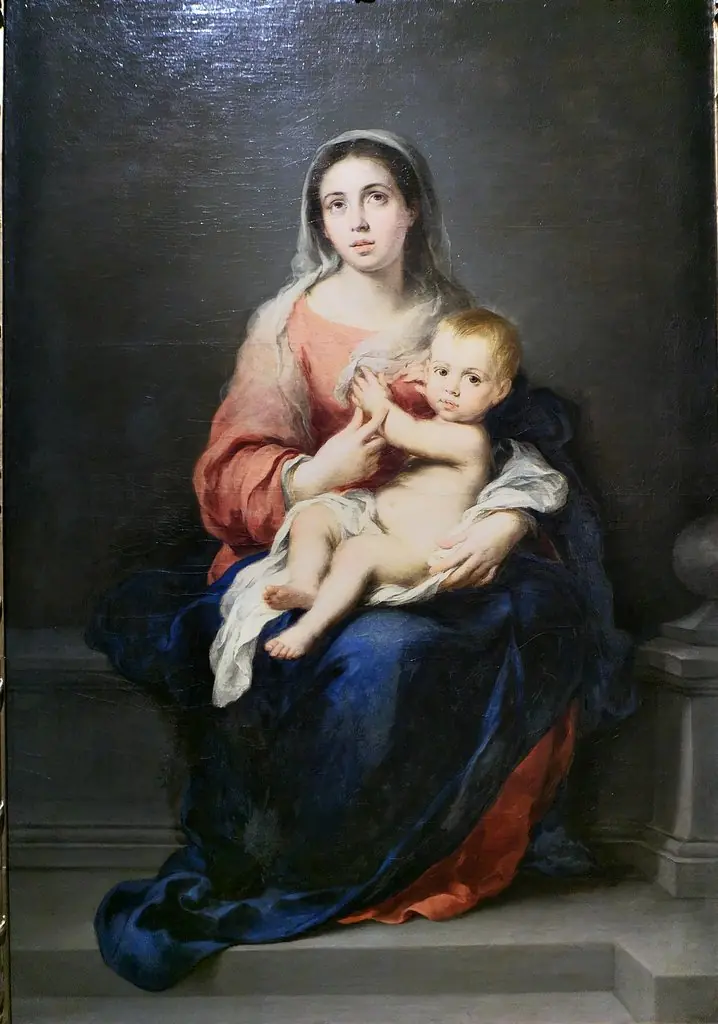
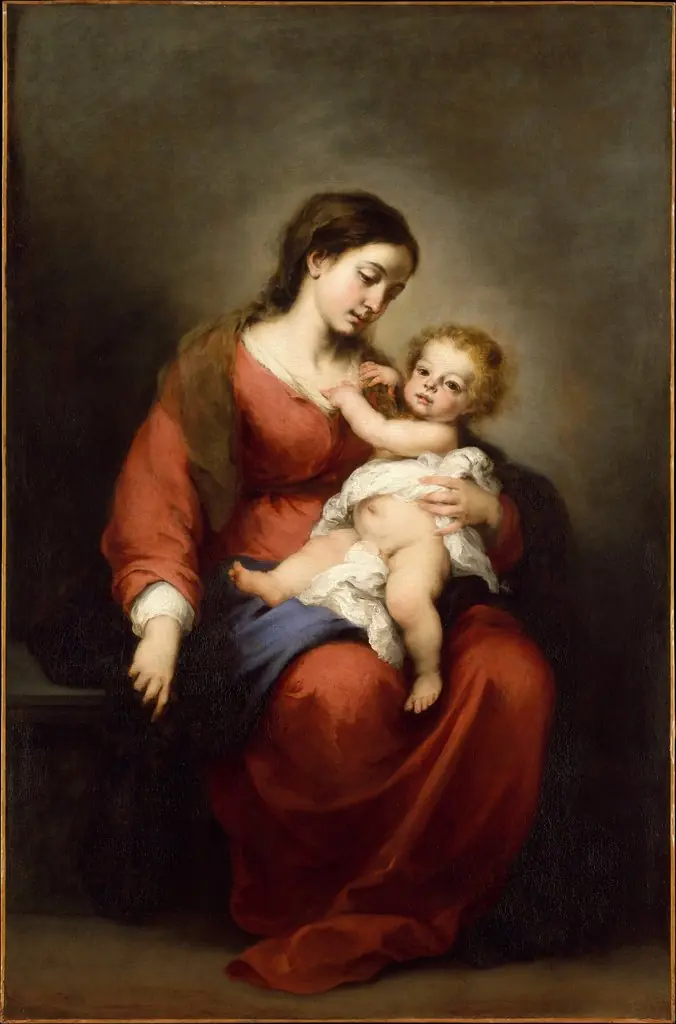
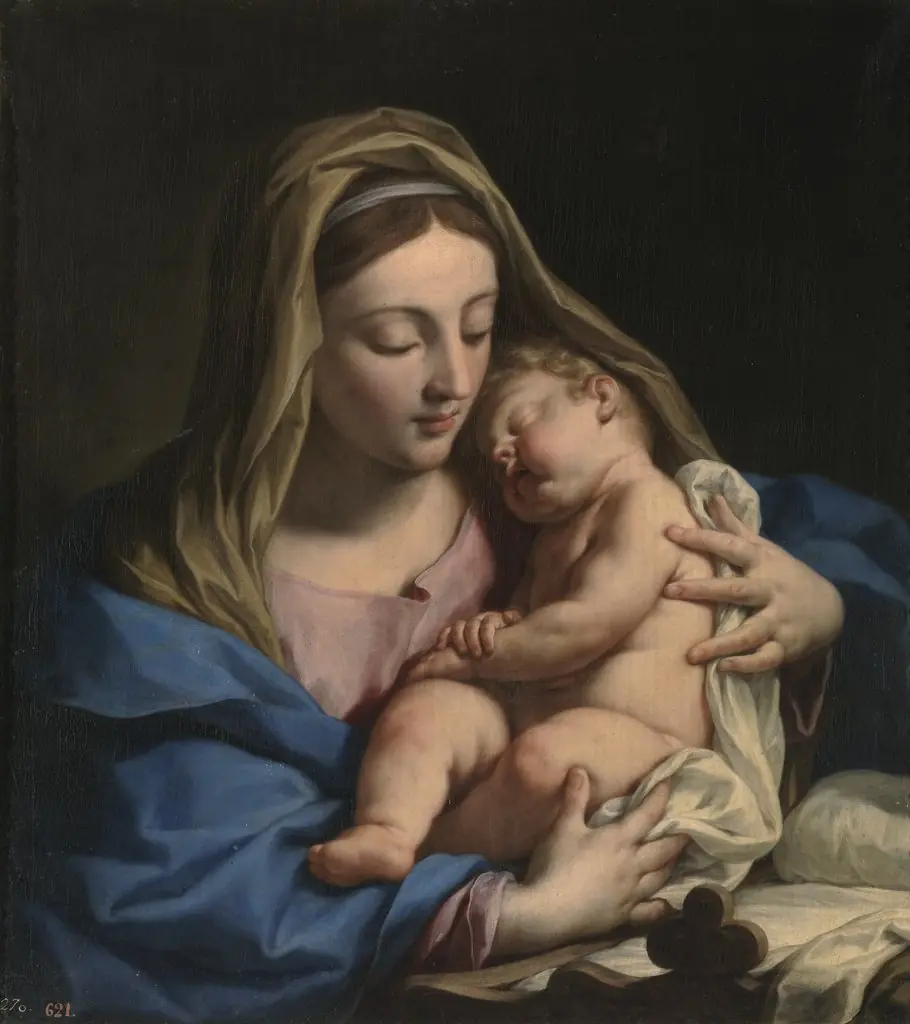
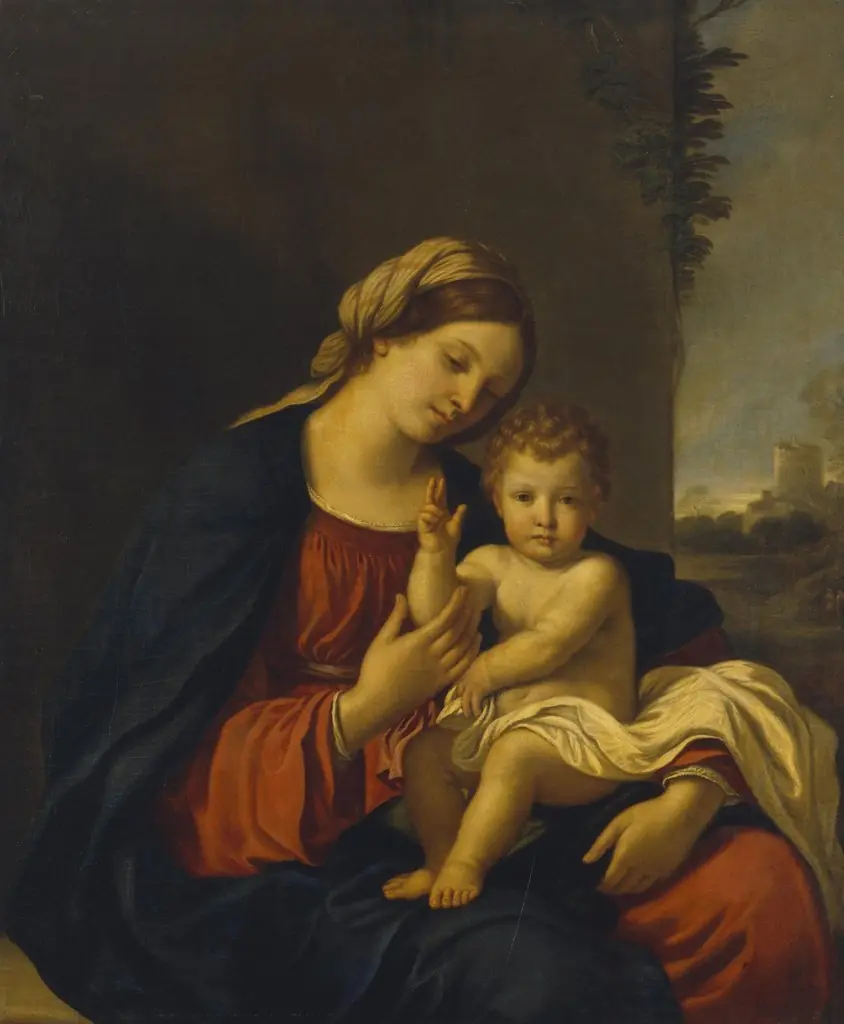
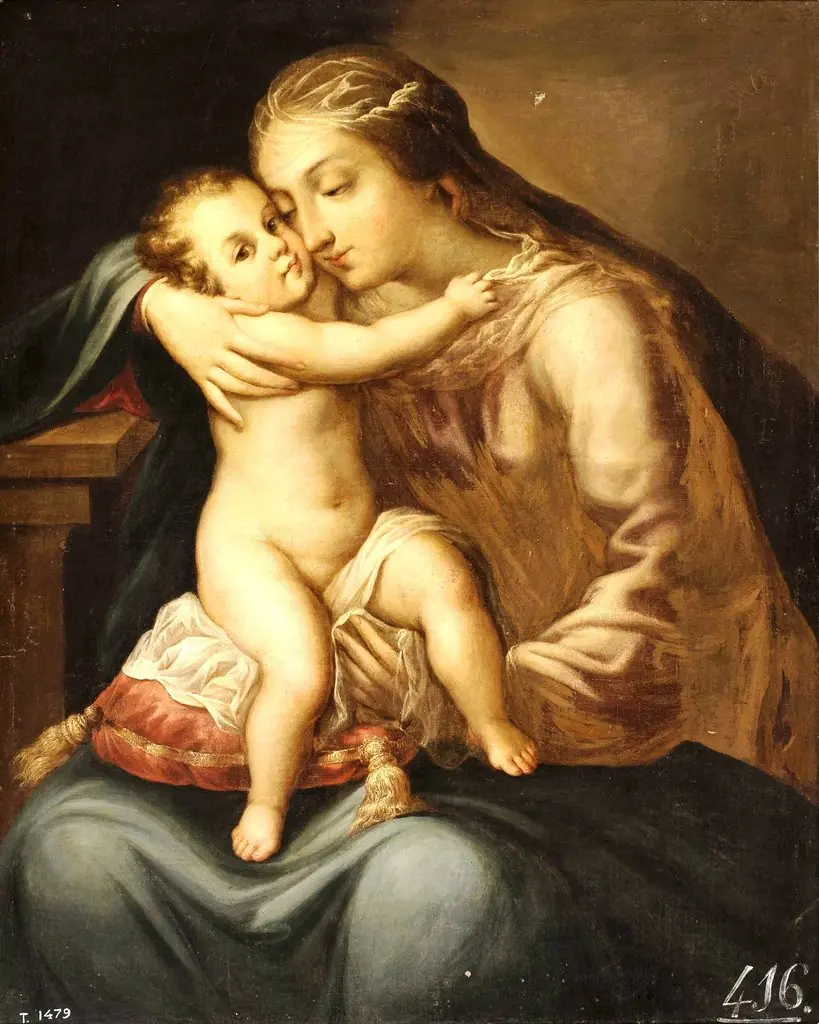
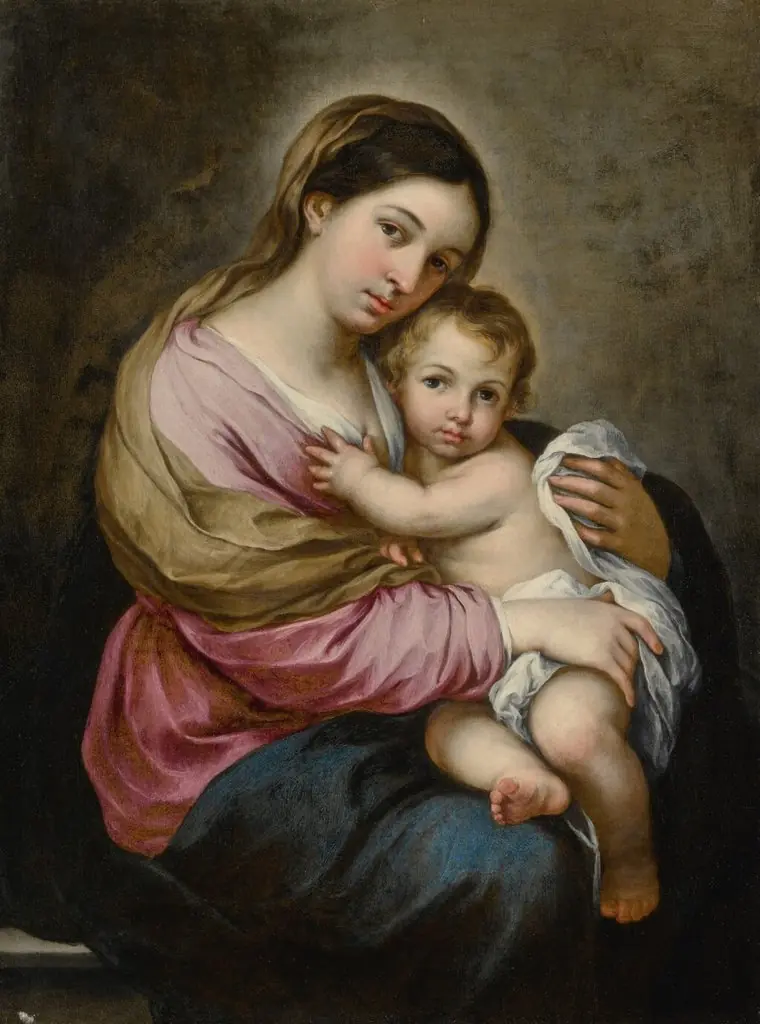
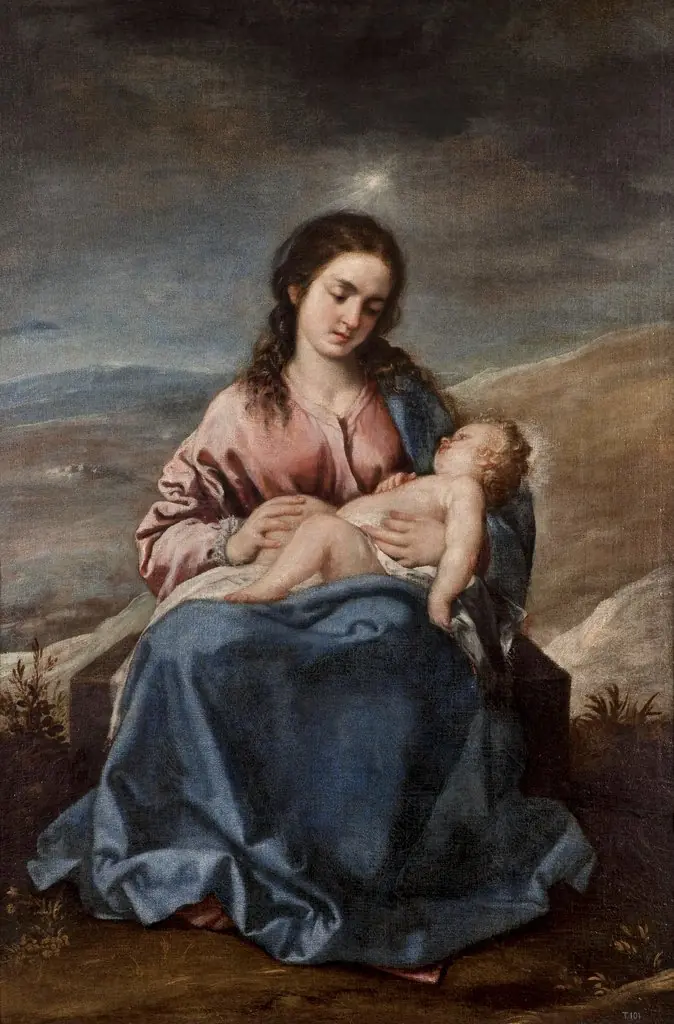
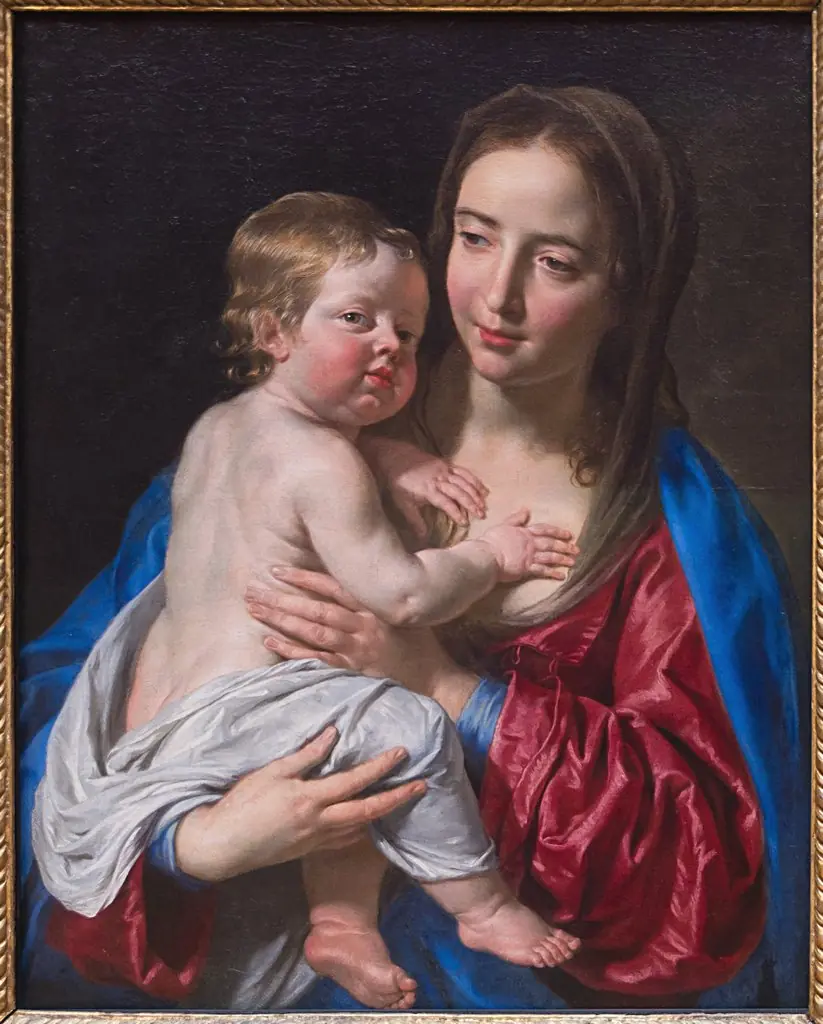
The Madonna and Child (copy) is an oil painting by the Flemish Baroque painting artist Unknown. It dates from 1645 and is held in the collection of the Hermitage Museum. The work depicts a seated woman with long, light hair, cradling an infant who appears asleep.
About this work
Subject & Meaning
Mary appears with the infant Jesus, a subject that emphasizes maternal devotion and the incarnation.
The painting depicts the Madonna and Child, a central theme in Christian religious art. Mary appears with the infant Jesus, a subject that emphasizes maternal devotion and the incarnation. As a copy after Simon Vouet, the work replicates a composition associated with a leading French Baroque painter known for his elegant, emotionally resonant religious imagery.
The intimate scale, 21.5 by 17.8 cm, suggests a devotional function, inviting private contemplation. The pairing of Mary and the Christ Child carries layered significance: Mary as the Mother of God and the Christ Child as the redeemer of humanity, together representing the mystery of the divine made human.
Technique & Style
This painting is an oil work executed on an oak panel, measuring 21.5 cm in height and 17.8 cm in width. It depicts the Virgin Mary holding the infant Christ Child in a conventional religious composition. The work was painted in France in 1645 and follows the stylistic conventions of Simon’s copies after the works of Simon Vouet.
The surface bears the characteristic handling of oil on panel, with a smooth finish typical of 17th-century French religious paintings. The composition and color treatment reflect a faithful adaptation of Vouet’s manner, while the materials, oil paint on oak, align with contemporary workshop practices for devotional images.
The condition of the piece is good, with no noted structural damage to the panel or flaking of the paint layer, allowing the formal qualities of line, balance, and chiaroscuro to remain intact.
History & Provenance
The work is a religious painting created in France in 1645 using oil paint on an oak panel. It is a copy after Simon's work based on Vouet's style, depicting Mary with the Christ Child. The piece entered the collection of the Hermitage Museum where it remains.
The attribution to Simon follows the work's classification as a copy after Vouet within the religious genre. Its creation date of 1645 is recorded in the source material and it measures 21.5 by 17.8 centimeters.
Context
The Madonna and Child (copy) is identified as a 1645 painting in oil on oak panel, created in France and attributed to Simon as a copy after Simon Vouet, currently held in the Hermitage Museum, where it is classified within religious art; scholarly analysis situates this work within the broader context of 17th-century French religious painting and the transmission of Vouet's stylistic influence through copies, reflecting the period's workshop practices and the circulation of devotional imagery.
The piece's significance is underscored by its presence in a major museum collection and its role as an exemplar for studying the dissemination of Vouet's artistic legacy through replication.
Overview
The work depicts a seated woman with long, light hair, cradling an infant who appears asleep. She is dressed in a modest, pale garment and a modest head covering, while a single pink rose rests in her left hand. The composition is set against a deep, dark backdrop that emphasizes the figures through contrast.
Artist & collection