Artwork
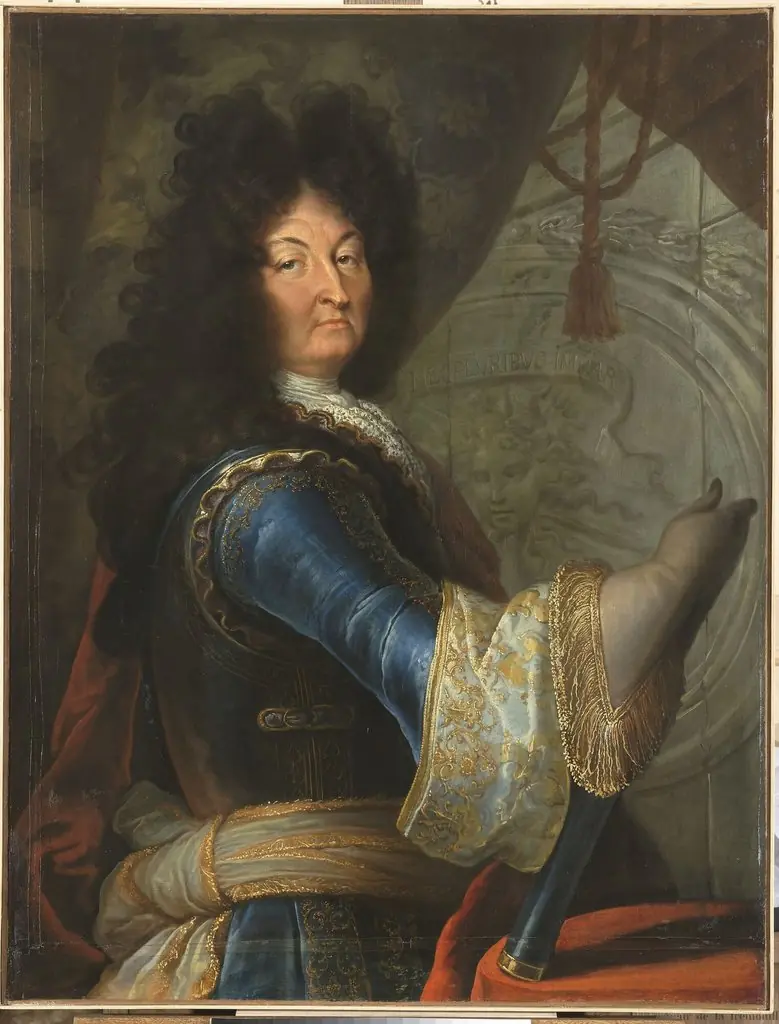
Louis XIV holding the plan of the royal house of Saint-Cyr
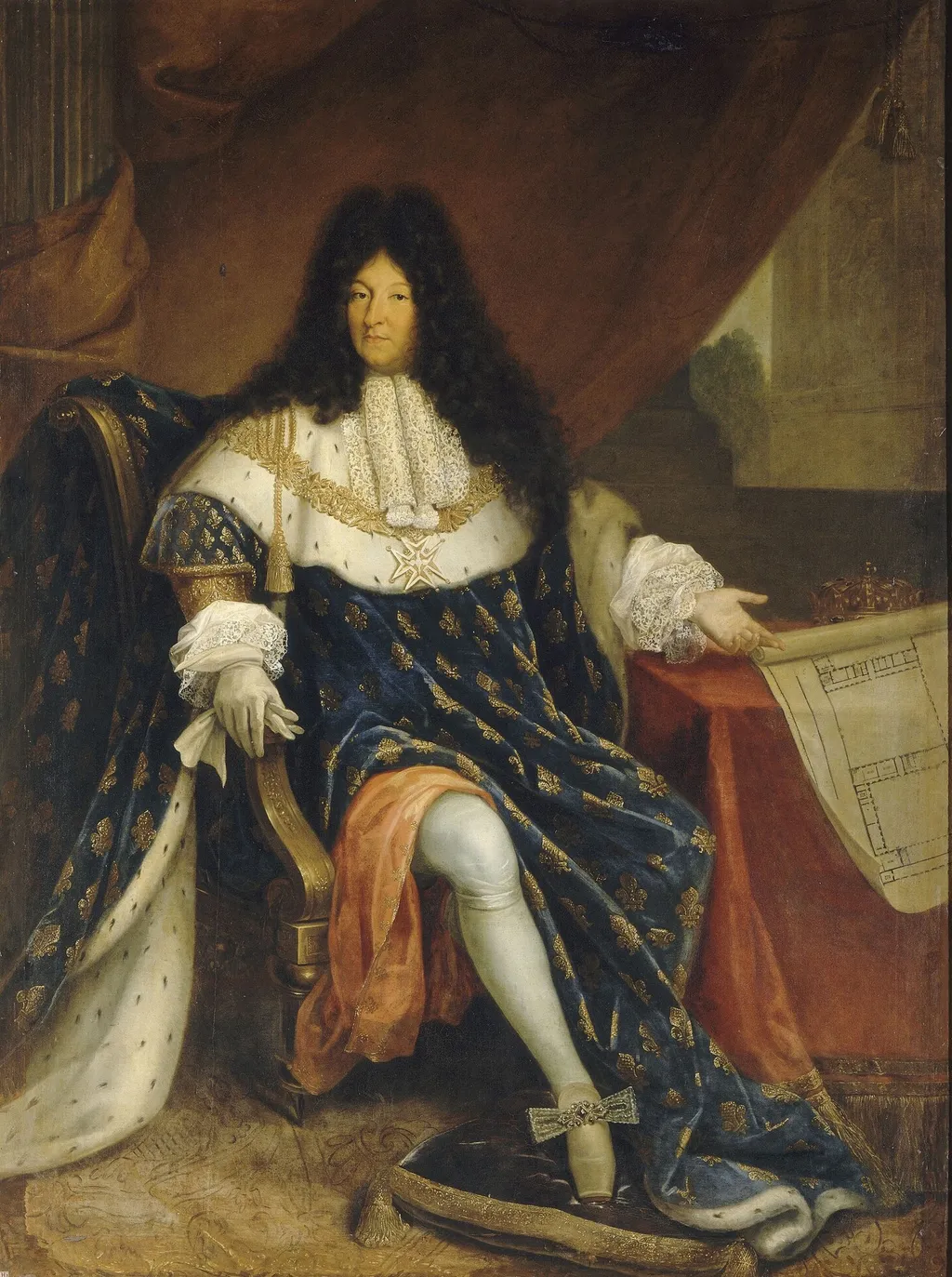
Louis XIV holding the plan of the royal house of Saint-Cyr is an oil painting by the Rococo painting artist Unknown. It dates from 1750 and is held in the collection of the Palace of Versailles.
About this work
Subject & Meaning
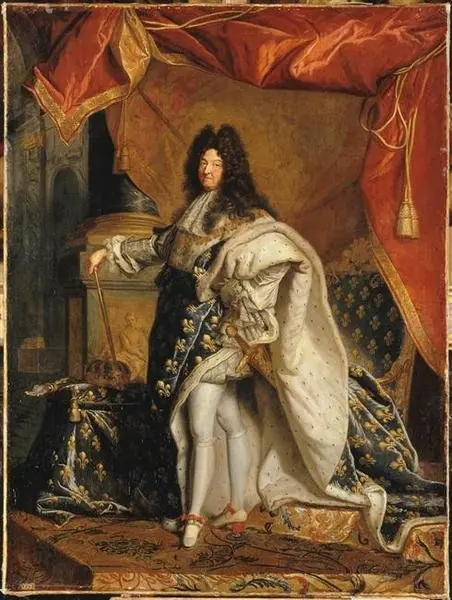
The painting shows Louis XIV of France seated and presenting a detailed architectural plan of the royal house at Saint-Cyr.
The painting shows Louis XIV of France seated and presenting a detailed architectural plan of the royal house at Saint-Cyr. He wears a crown and an overcoat, emphasizing his royal authority and involvement in architectural patronage. The depiction underscores his role as a builder-king and the symbolic extension of his reign through the establishment of institutions such as the Maison Royale de Saint-Cyr.
The work is attributed to Nicolas-René Jollain and was created in 1750. It is part of the collection at the Museum of the History of France, located in the Palace of Versailles, where it is displayed as a portrait that reflects the monarch's political and cultural influence.
The iconography of the king holding architectural plans conveys the idea of enlightened governance and the monarch's direct participation in shaping the built environment, reinforcing themes of order, permanence, and royal prestige.
Technique & Style
The portrait depicts Louis XIV of France seated and holding a plan of the royal house of Saint-Cyr, rendered in oil paint on canvas. It measures 221 cm in height and 165 cm in width, reflecting its large-scale formal composition characteristic of 18th-century French portraiture. The work belongs to the portrait genre and was created in 1750, aligning with the stylistic conventions of the period.
The painting is attributed to Nicolas-René Jollain and is housed in the Museum of the History of France at the Palace of Versailles, where it remains part of the national collection.
Formal elements include the sitter’s regal attire, crown, and overcoat, conveying authority and presence. The use of oil on canvas supports a smooth finish and rich color modulation, typical of portraiture intended for state representation.
History & Provenance
The oil-on-canvas portrait depicting Louis XIV holding the plan of the Royal House of Saint-Cyr was created in 1750. Attributed to the artist Nicolas-René Jollain, the work was produced nearly seventy years after the death of the monarch it portrays, reflecting the mid-18th-century historical interest in French royal figures. The painting is currently held within the collections of the Palace of Versailles, specifically located in the Museum of the History of France.
While the specific commissioning details or original patron are not detailed in the provided records, the work has remained part of the national museum holdings in Versailles since its creation.
The painting is held in the collection of the Museum of the History of France, located within the Palace of Versailles. It is cataloged under the inventory reference 000PE007043 in the Joconde database, which manages the collections of French museums. The work is specifically situated at the national museum of the châteaux of Versailles and Trianon.
No specific exhibition history for this artwork is documented in the provided sources.
Overview
The oil painting portrays Louis XIV seated in an armchair, his regal attire highlighted by a white shirt with lace cuffs, a blue robe edged in gold, and a red cape draped over his shoulders. A crown rests upon his dark, curly hair, and his expression is solemn. In his left hand he holds a large sheet of paper, likely a plan of the royal house of Saint‑Cyr, while his right hand rests on the chair’s arm.
Context
The depiction aligns with the late‑17th‑century French court’s practice of visualizing royal patronage through portraiture. Saint‑Cyr, a royal educational establishment founded by Louis XIV, was a tangible expression of his policy to cultivate learned elites. By holding its plan, the king is shown as both sovereign and benefactor of the arts and education, a theme common in contemporary state propaganda.
Artist & collection