Artwork
Virgin of the Apocalypse
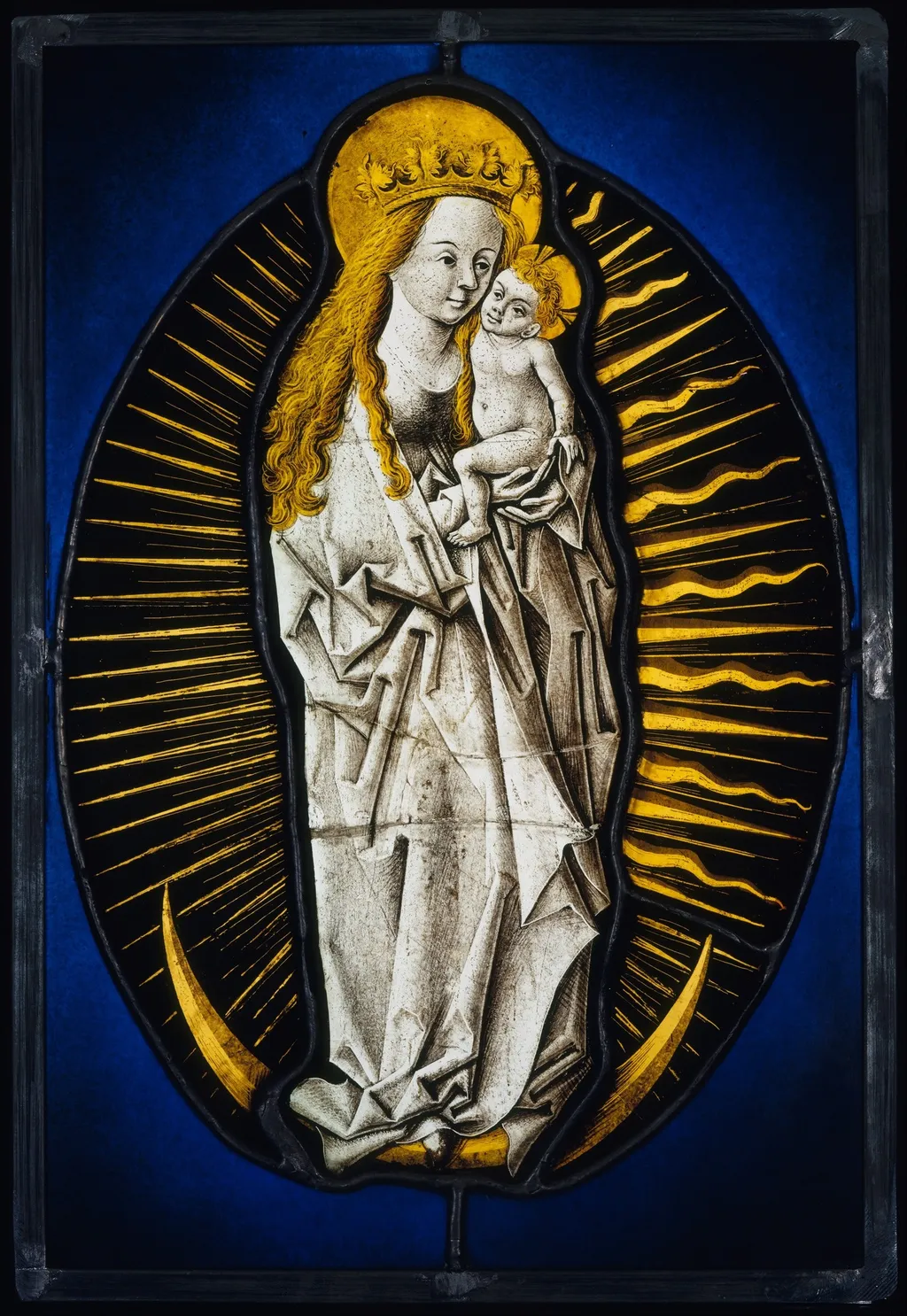
Virgin of the Apocalypse is an unspecified painting. It dates from 1490 and is held in the collection of the Metropolitan Museum of Art.
About this work
Technique & Style
It portrays the Virgin and Child within a apocalyptic context, reflecting a religious subject typical of late 15th-century art.
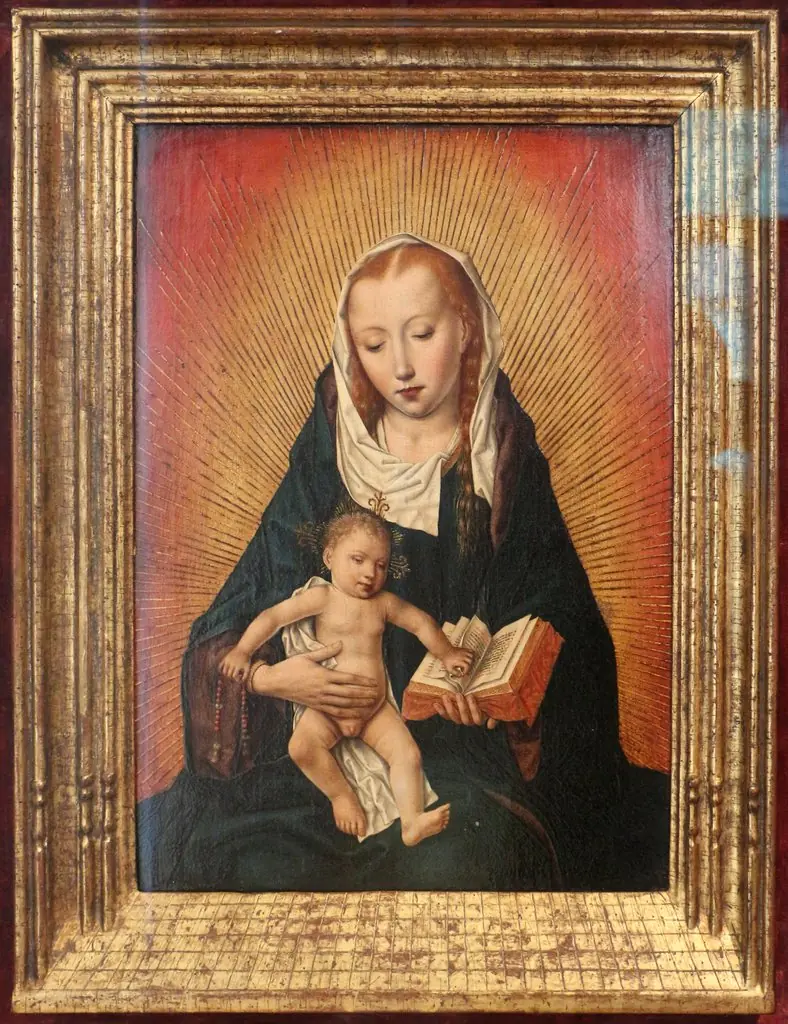
The work is an oil painting on panel created circa 1480, measuring 35.2 cm by 24.4 cm. It portrays the Virgin and Child within a apocalyptic context, reflecting a religious subject typical of late 15th-century art. The composition and handling of light demonstrate the stylistic traits associated with the Circle of the Master of the Amsterdam Cabinet, characterized by delicate modeling and rich coloration.
History & Provenance
The painting known as Virgin of the Apocalypse was created in 1480 by an artist belonging to the Circle of the Master of the Amsterdam Cabinet. It entered the collection of the Metropolitan Museum of Art, where it remains on display. The work measures 35.2 centimeters in height and 24.4 centimeters in width.
Virgin of the Apocalypse is a religious painting created circa 1480, attributed to the Circle of the Master of the Amsterdam Cabinet. It measures 35.2 cm in height and 24.4 cm in width. The work is part of the Metropolitan Museum of Art's collection and has been exhibited there as part of its European paintings display.
The painting entered the museum's collection through accession and has been featured in exhibitions focused on Renaissance religious art. Its provenance is documented within the Metropolitan Museum of Art's records.
The work is classified under religious art and depicts the Madonna and Child within a apocalyptic context, reflecting devotional themes characteristic of the period.
Context
The Virgin of the Apocalypse is attributed to the Circle of the Master of the Amsterdam Cabinet, active in the Netherlands during the late 15th century. Painted in 1480, the work exemplifies devotional panel painting within the Northern Renaissance tradition, reflecting contemporary theological interpretations of the Virgin Mary's role in salvation history. Its composition, featuring the Madonna and Child, aligns with devotional practices observed in major institutions such as the Metropolitan Museum of Art, where the painting is housed.
Scholars have examined its stylistic connections to regional workshops and its significance within the broader discourse on apocalyptic imagery in late medieval religious art.
Legacy
The painting's legacy rests on its attribution to the Circle of the Master of the Amsterdam Cabinet and its presence in the Metropolitan Museum of Art, influencing scholarly study of late 15th-century religious imagery. Its composition of the Madonna and Child within the Apocalyptic vision has been cited in analyses of devotional art from the period, reinforcing understanding of symbolic frameworks in early Renaissance works.
Overview
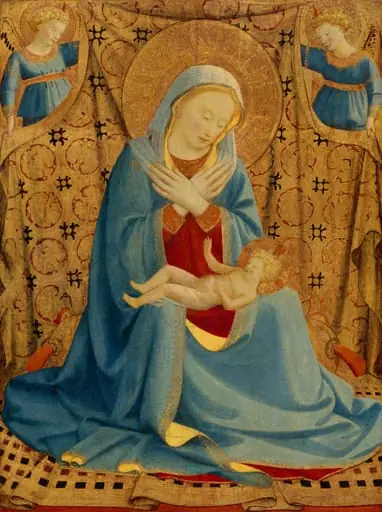
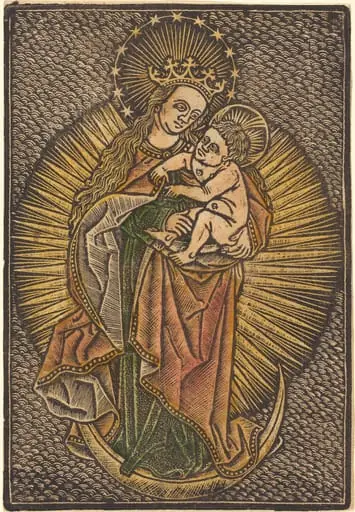
The work titled "Virgin of the Apocalypse" is a painted panel depicting a mother and child. The woman is rendered with long golden hair, a serene expression, and a golden halo, while she cradles a small child who gazes back at her. Both figures are set against a deep blue field illuminated by radiating gold rays, creating a striking contrast.
Subject & Meaning
The composition follows the longstanding iconography of the Madonna and Child, presenting the Virgin Mary as a protective and nurturing figure. The calm demeanor of the mother and the gentle glance of the infant convey themes of divine love and maternal care, aligning the image with devotional traditions that emphasize the sacred bond between mother and son.
Artist & collection