Artwork
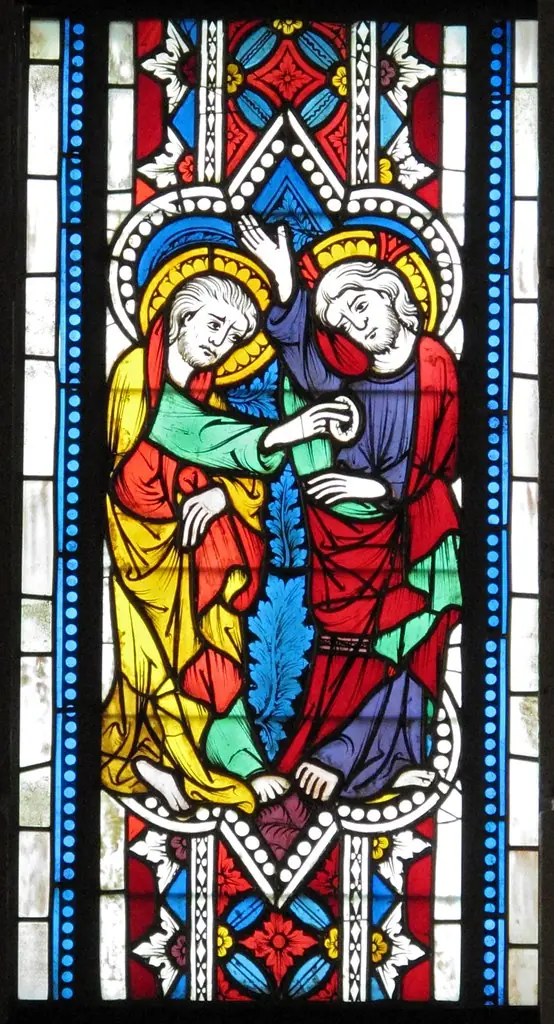
Two Seated Apostles from a Pentecost Scene
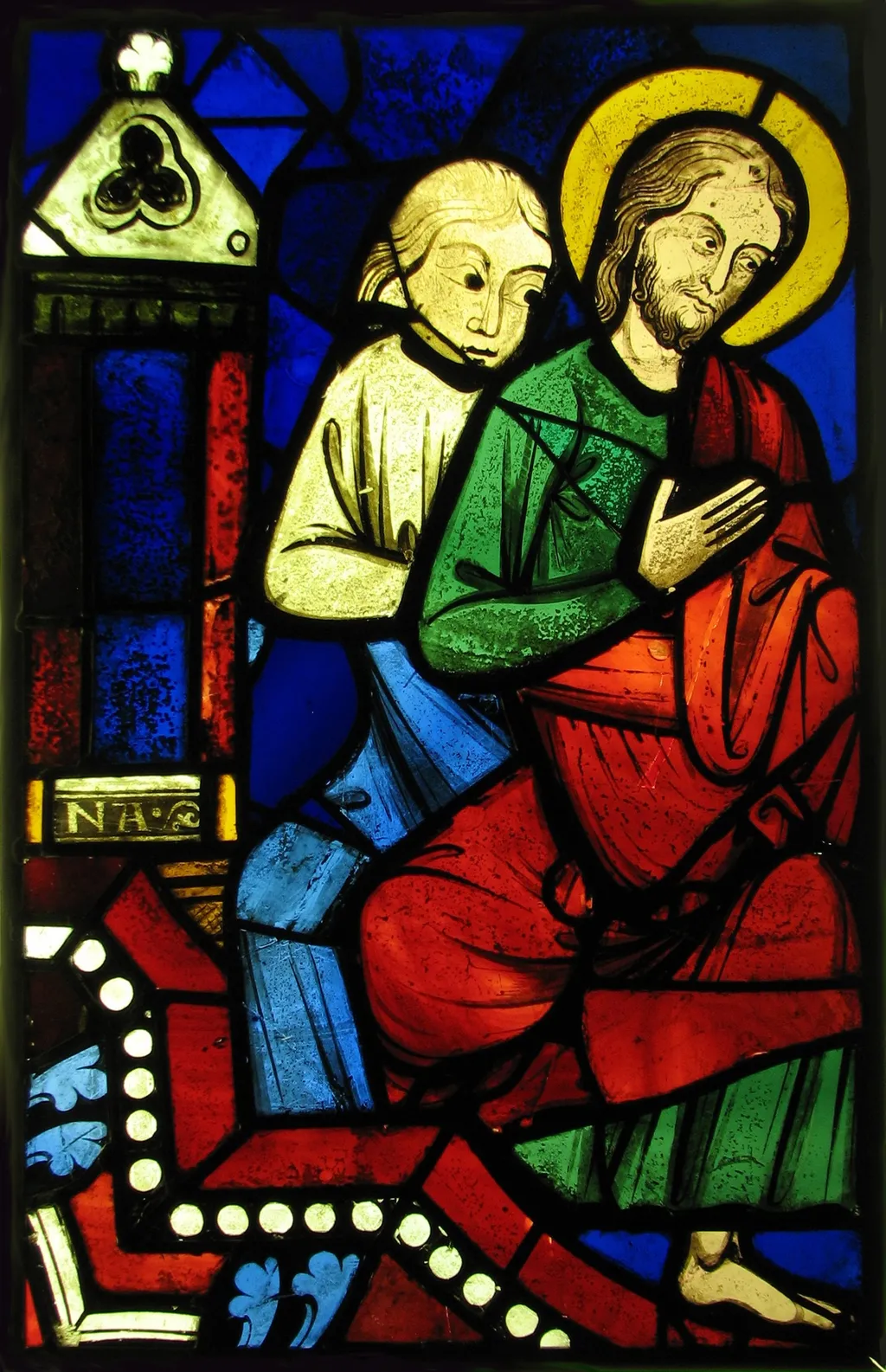
Two Seated Apostles from a Pentecost Scene is an unspecified painting. It dates from 1245 and is held in the collection of the Metropolitan Museum of Art.
About this work
Subject & Meaning
The surviving fragment isolates two of the apostles, identifiable as male figures seated in attitudes of reception and witness.
This fragment, dated 1245, preserves two seated apostles from a larger Pentecost composition. Pentecost, the biblical event described in Acts 2, depicts the descent of the Holy Spirit upon the Virgin Mary and the apostles gathered in the Upper Room following Christ's Ascension, marking the birth of the Christian Church. The surviving fragment isolates two of the apostles, identifiable as male figures seated in attitudes of reception and witness.
As a remnant of a Pentecost scene, the work would have originally formed part of a narrative cycle or altarpiece panel in which the apostles are shown receiving the Holy Spirit, often represented as tongues of fire or a descending dove. The fragment's iconographic function lies in its evocation of apostolic witness and the foundational moment of the Church, themes central to thirteenth-century religious painting.
History & Provenance
Created in 1245, the anonymous religious painting known as Two Seated Apostles from a Pentecost Scene depicts figures from the Pentecost narrative. The work is currently held in the collection of the Metropolitan Museum of Art, where it is classified as a religious painting. While the specific original commission and the identity of the creator remain unattributed in the available records, the piece dates to the mid-thirteenth century.
The artwork measures 54.8 centimeters in height and 35.2 centimeters in width. Its provenance traces its existence from its inception in 1245 to its present location within the museum's holdings, though the intermediate ownership history prior to the museum's acquisition is not detailed in the provided sources.
Context
Two Seated Apostles from a Pentecost Scene is an anonymous panel painting dated to 1245, belonging to the religious genre and originally part of a larger Pentecost composition. Scholars regard the work as representative of the stylistic traits of mid-thirteenth-century Italian panel painting, noting its compositional simplicity and devotional function within the broader context of medieval religious imagery.
Overview
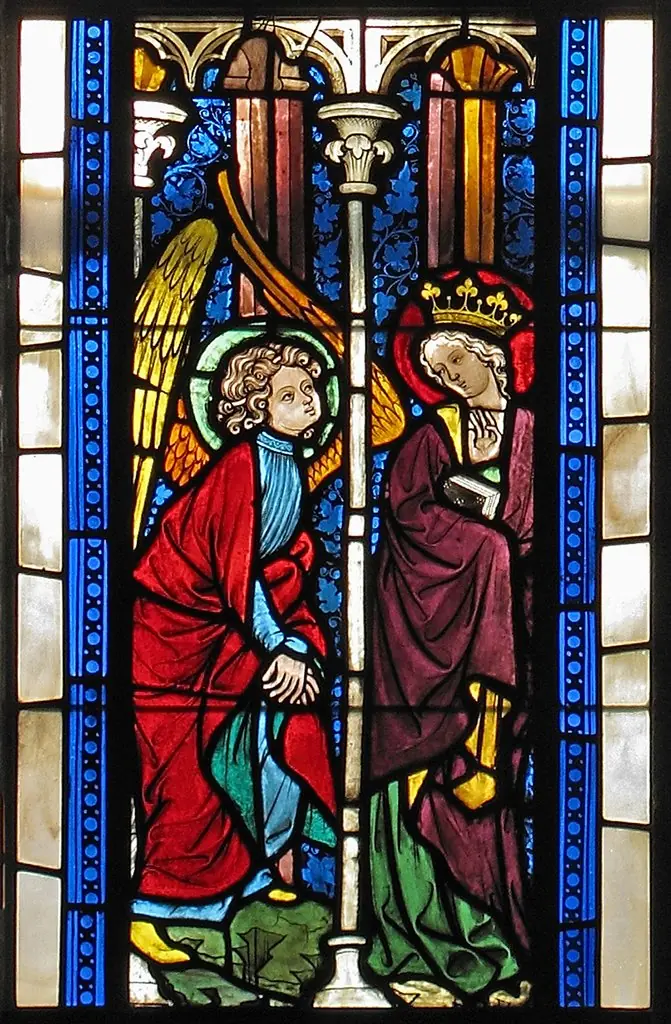
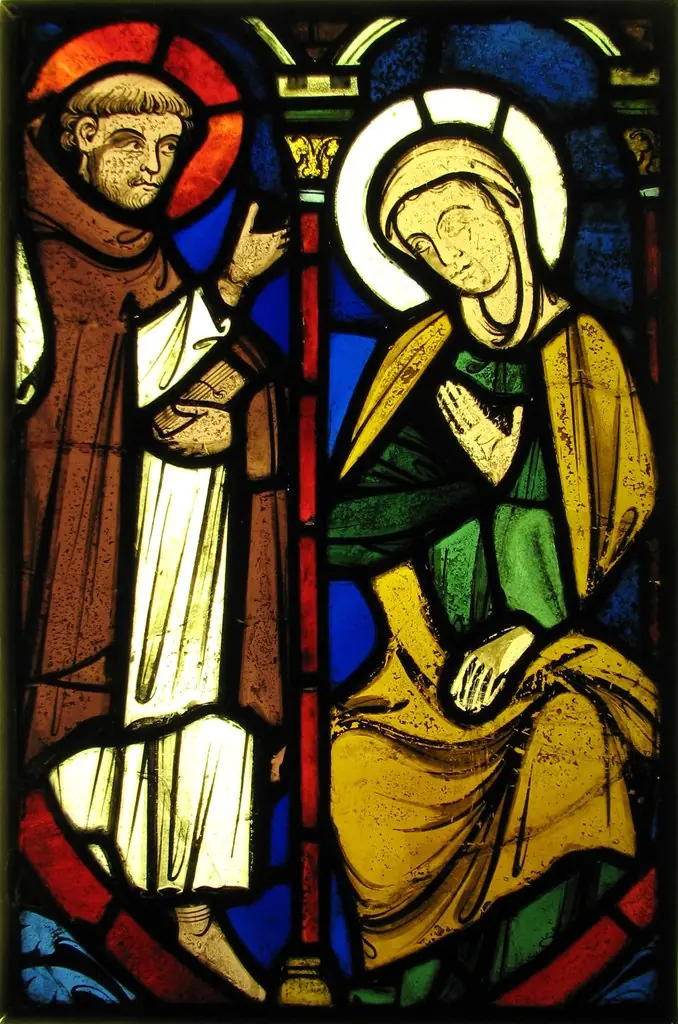
This artwork, titled "Two Seated Apostles from a Pentecost Scene," is a stained glass panel depicting two haloed figures. It represents a fragment of a larger narrative, likely the biblical event of Pentecost. The piece showcases a vibrant palette and a direct, expressive approach to figural representation, characteristic of its medium.
The use of colored glass creates a luminous effect, contributing to the work's visual impact and spiritual resonance.
Technique & Style
Crafted from stained glass, this window fragment employs a range of colored glass pieces, including blues, reds, and yellows, for its background. The apostles are rendered with a simple yet expressive quality, utilizing bold lines to define their forms and vibrant hues to create visual interest. The inherent properties of stained glass contribute to a sense of depth and texture, allowing light to animate the composition and enhance its overall visual presence.
Artist & collection