Artwork
Miroku (Maitreya)
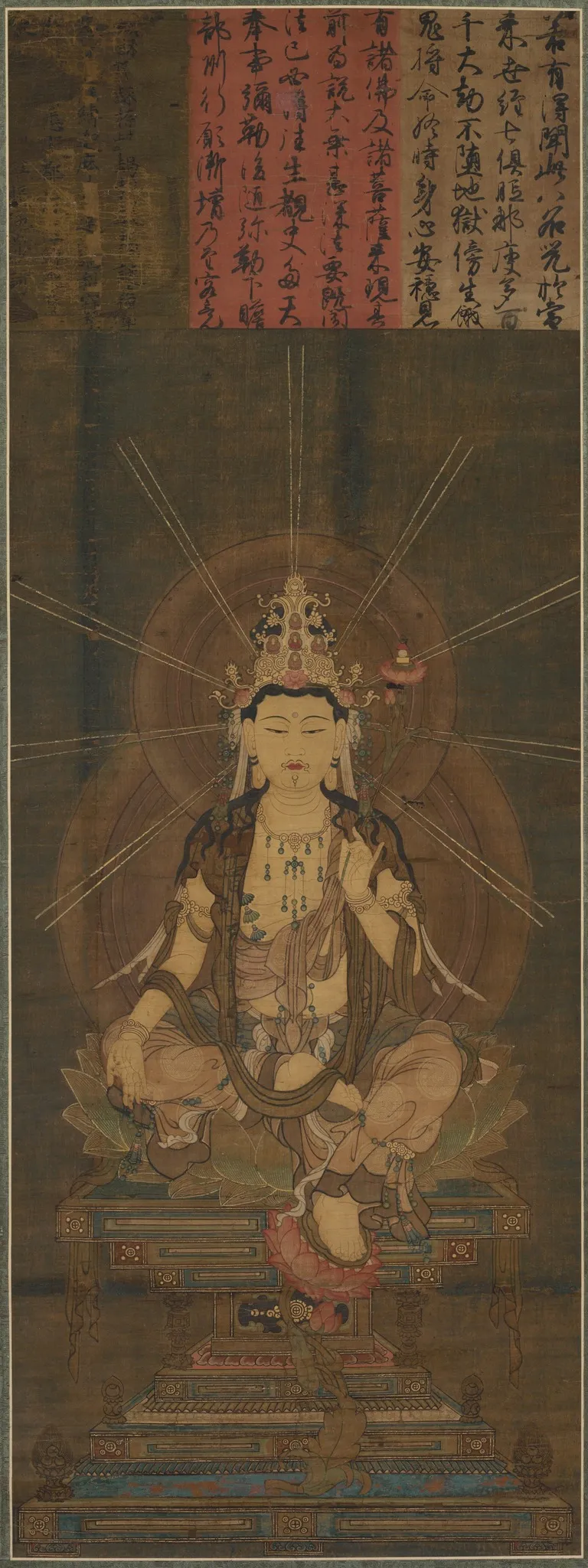
Miroku (Maitreya) is an unspecified painting. It dates from 1349 and is held in the collection of the Cleveland Museum of Art.
About this work
History & Provenance
The work titled Miroku (Maitreya) is part of the Cleveland Museum of Art's collection, where it is catalogued under the accession number 1999.
The painting Miroku (Maitreya) is dated to 1349, with an inception date of 1349‑01‑01, and is attributed to an unknown artist. Classified as a painting, it entered the Cleveland Museum of Art’s holdings in 1999, receiving the accession number 1999.195. The museum lists the work as part of its collection and notes its location in Cleveland.
No earlier ownership, commission, or provenance details are recorded in the available sources. Its exhibition and publication history before 1999 is not recorded in the available sources.
The work titled Miroku (Maitreya) is part of the Cleveland Museum of Art's collection, where it is catalogued under the accession number 1999.195. It has been included in exhibitions at the museum, most recently featured in the 2022 presentation "Japanese Art of the Heian and Kamakura Periods," highlighting Heian- and Kamakura-era religious paintings.
Overview
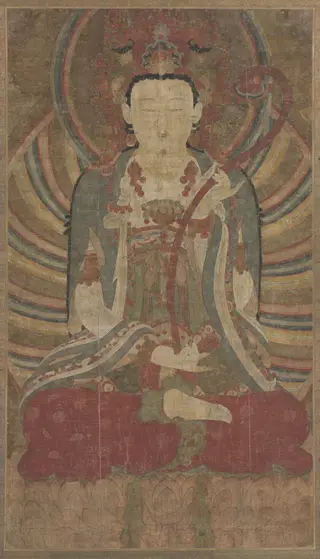
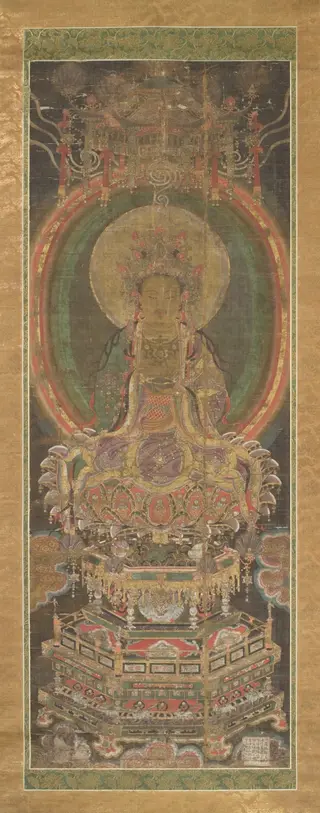
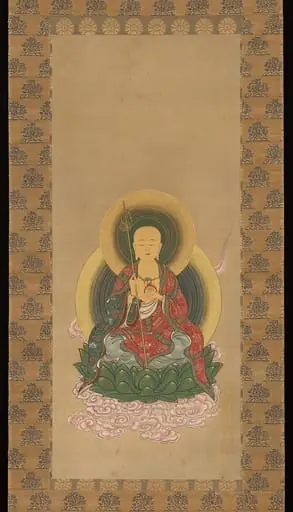
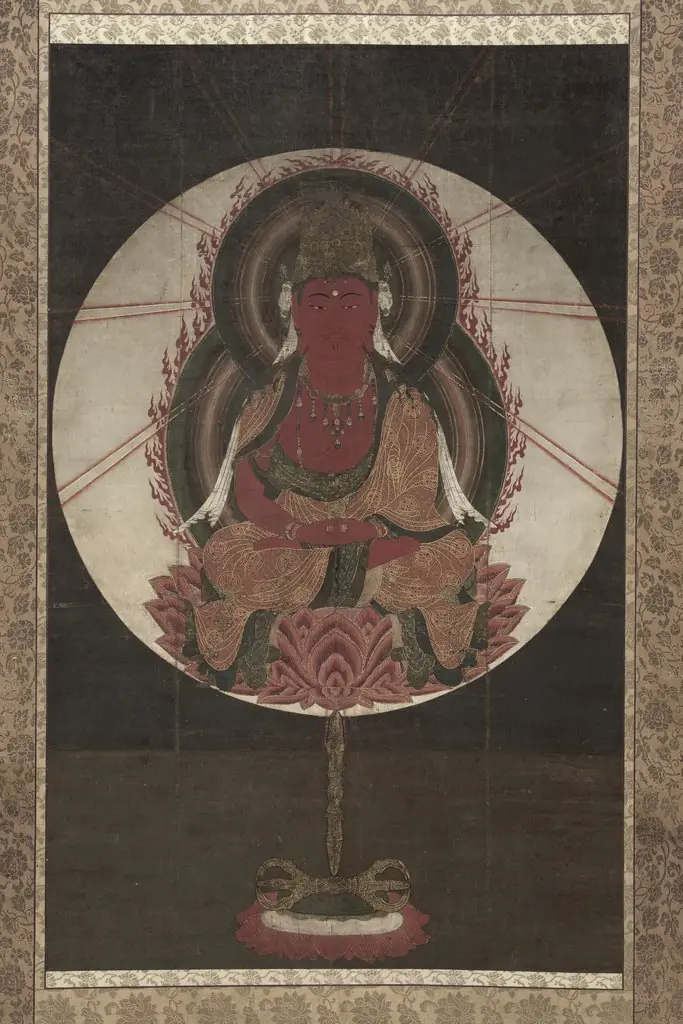
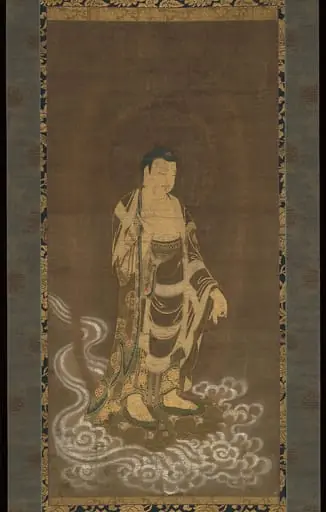
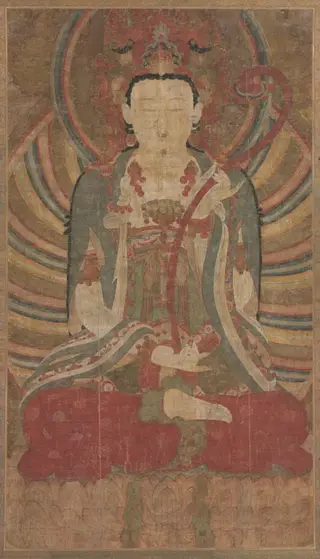
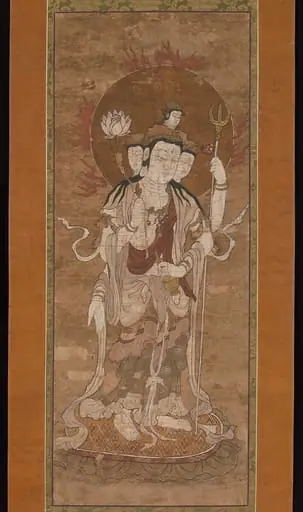
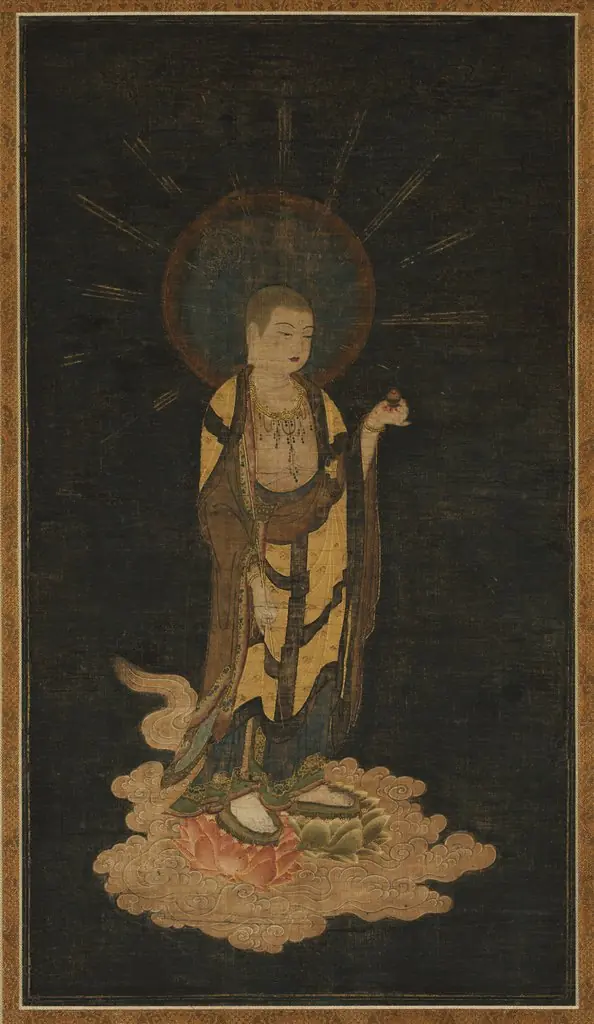
The work titled Miroku (Maitreya) is a painted panel that depicts a seated, serene figure adorned with a tall golden crown and a flowing robe of muted gold and blue. The figure rests upon a lotus blossom, holding a small object in one hand, while a red banner bearing black script hangs behind, and radiant golden rays emanate from the head, suggesting a luminous aura.
Subject & Meaning
The central figure represents Miroku, the future Buddha known in Japanese as Maitreya, traditionally portrayed as a compassionate savior awaiting the world’s renewal. The calm expression, lotus seat, and halo‑like sunburst convey spiritual readiness and enlightenment, while the modest palette underscores a contemplative mood, with the vivid red banner drawing attention to the inscription that likely identifies the deity.
Technique & Style
Executed in a refined painting technique, the artist employs delicate brushwork to render the soft gold and blue drapery, creating subtle tonal transitions. The golden crown and radiating rays are rendered with fine, luminous strokes that catch light, contrasting with the darker background. The composition balances restraint with decorative elements, such as the red banner, which punctuates the overall muted scheme.
Artist & collection