Artwork
Portrait of Mary van Hannover (1722-1772)
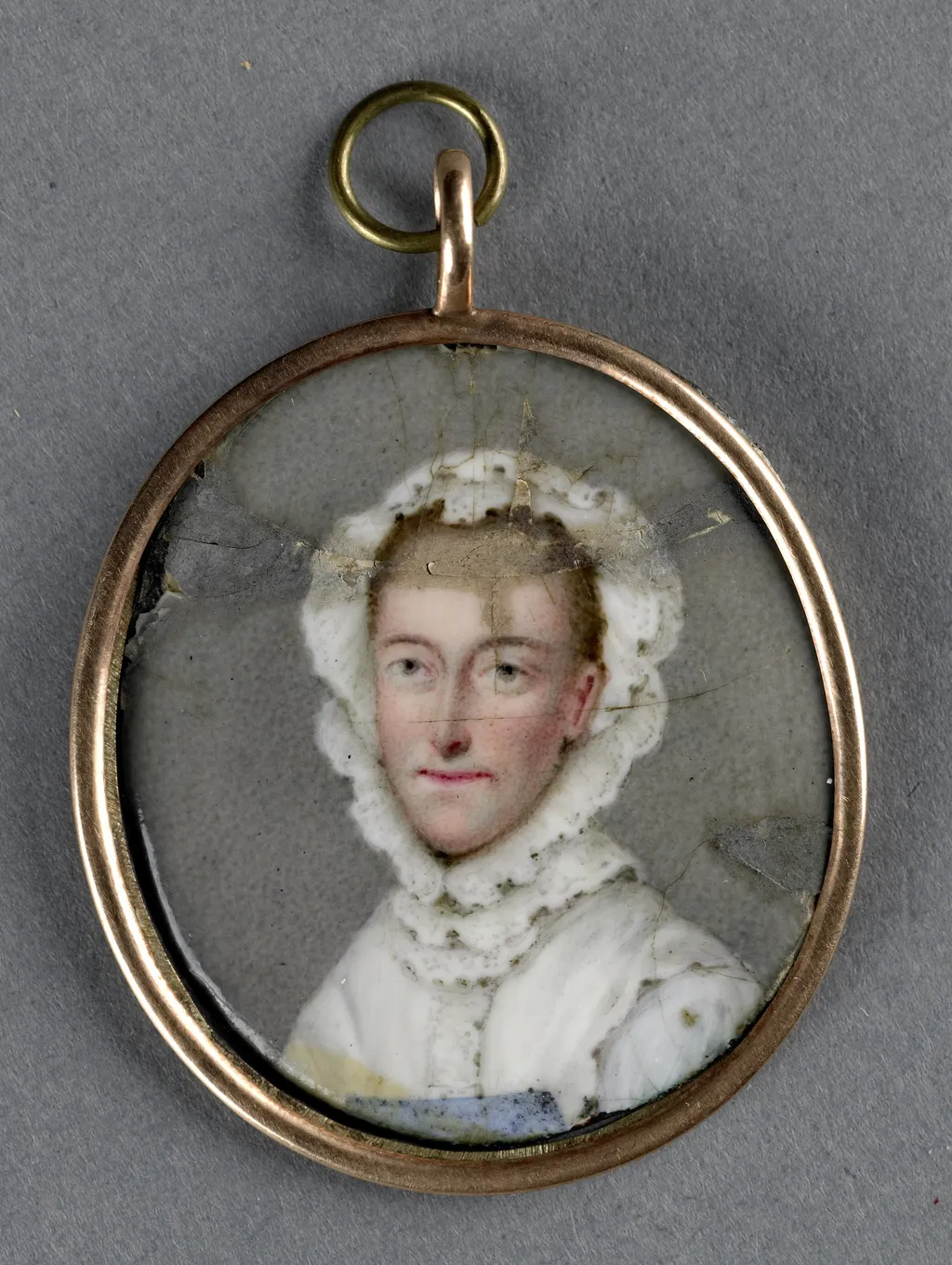
Portrait of Mary van Hannover (1722-1772) is a copper painting by the Rococo painting artist Unknown. It dates from 1750 and is held in the collection of the Rijksmuseum.
About this work
The painting's style and technique are reminiscent of the Rococo period, which was popular during the 18th century.
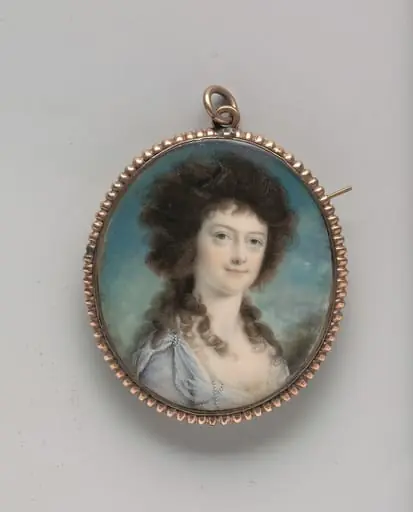
This painting is a portrait of a woman, likely from the 18th century. She is depicted wearing a white dress and a white headpiece, with a subtle smile on her face. The background of the painting is a muted gray color.
The woman's attire and hairstyle suggest that she may be a member of the upper class or nobility. The painting's style and technique are reminiscent of the Rococo period, which was popular during the 18th century.
Subject & Meaning
The work depicts Mary van Hannover (1722–1772), as indicated by its title. Created in 1750, the piece is classified as a portrait and is currently held in the Rijksmuseum collection. The subject is presented within the tradition of an anonymous painting, focusing on the individual likeness rather than elaborate allegorical narrative or complex symbolic programs.
No specific iconographic elements or additional symbolic meanings beyond the representation of the sitter are detailed in the available records.
Technique & Style
The portrait is executed in casein paint on a copper support, a combination that yields a smooth, enamel-like surface well suited to finely detailed miniature work. Both the medium and the support are recorded in the work's cataloguing data, which also classifies the object as a painting of the portrait genre.
The copper plate measures 3.5 cm in height by 3 cm in width, making the work a small-format piece. Its production is dated to 1750 and attributed to an anonymous maker working in Germany. The casein-and-copper technique is consistent with mid-eighteenth-century German miniature practice, in which the rigid metal ground allowed for precise, polished handling of features and a luminous finish.
History & Provenance
The copper support of the portrait indicates a German origin around mid-century, aligning with the inscribed date of 1750. The painting entered the Rijksmuseum’s holdings as part of an anonymous collection, where it remains located. Its small dimensions (3.5 cm × 3 cm) suggest a private, cabinet-scale work rather than a formal commission, consistent with the intimate portrait genre of the period.
The Portrait of Mary van Hannover (1722–1772) is held in the collection of the Rijksmuseum in Amsterdam. The work is cataloged as an anonymous painting executed in casein paint on copper, measuring 3.5 cm in height and 3 cm in width. It was created in Germany around 1750.
The provided sources do not contain specific inventory or accession numbers for the piece, nor do they list any exhibition history.
Overview
This 18th-century copper painting portrays Mary van Hannover (1722-1772), a member of the nobility, as indicated by her attire and hairstyle. The subject wears a white dress and headpiece, set against a muted gray background, with a subtle, enigmatic smile.
Context
Created within the 18th-century European aristocratic context, the portrait reflects the era's aesthetic values and the social status of its subject, aligning with the Rococo's emphasis on luxury and intimacy.
Artist & collection









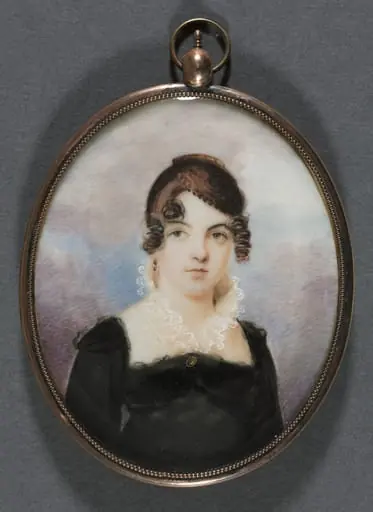 Portrait of a Woman
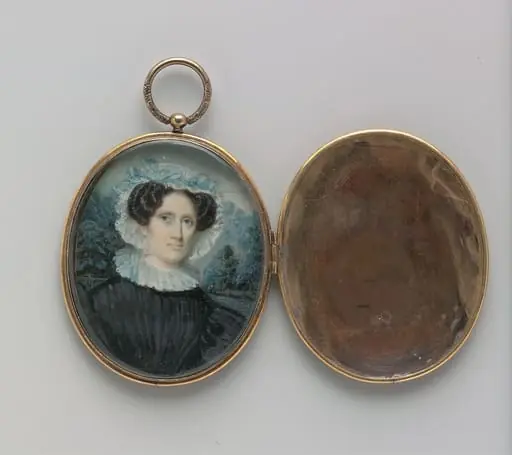 Portrait of a Lady
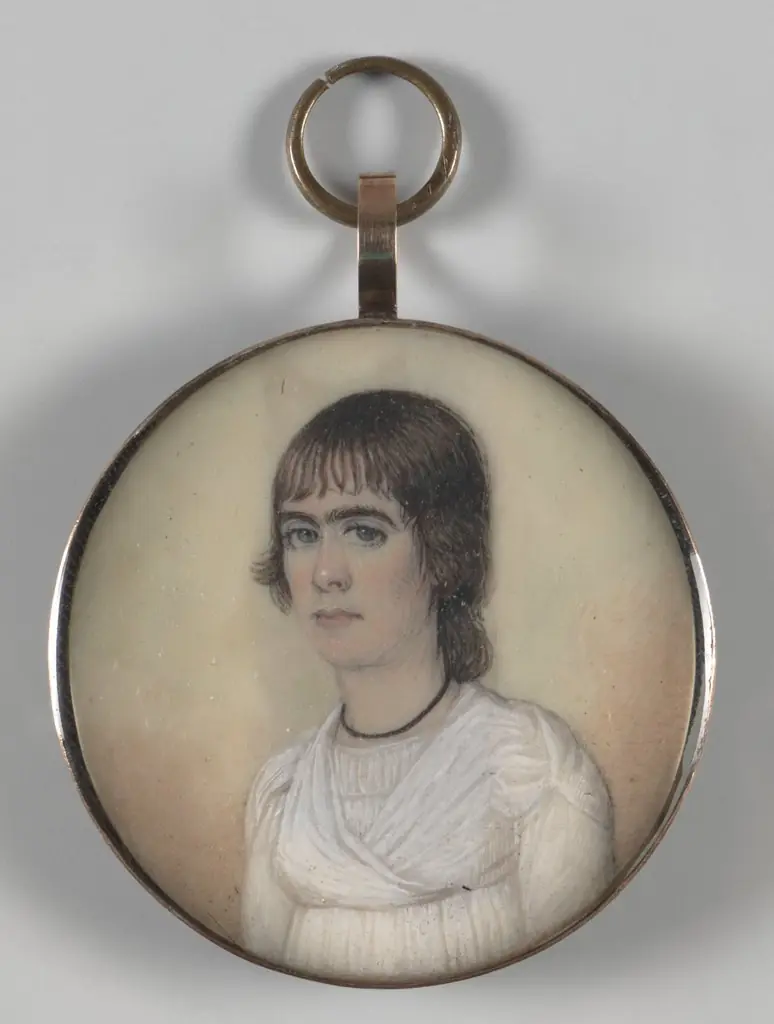 Portraits of Surinamese girls
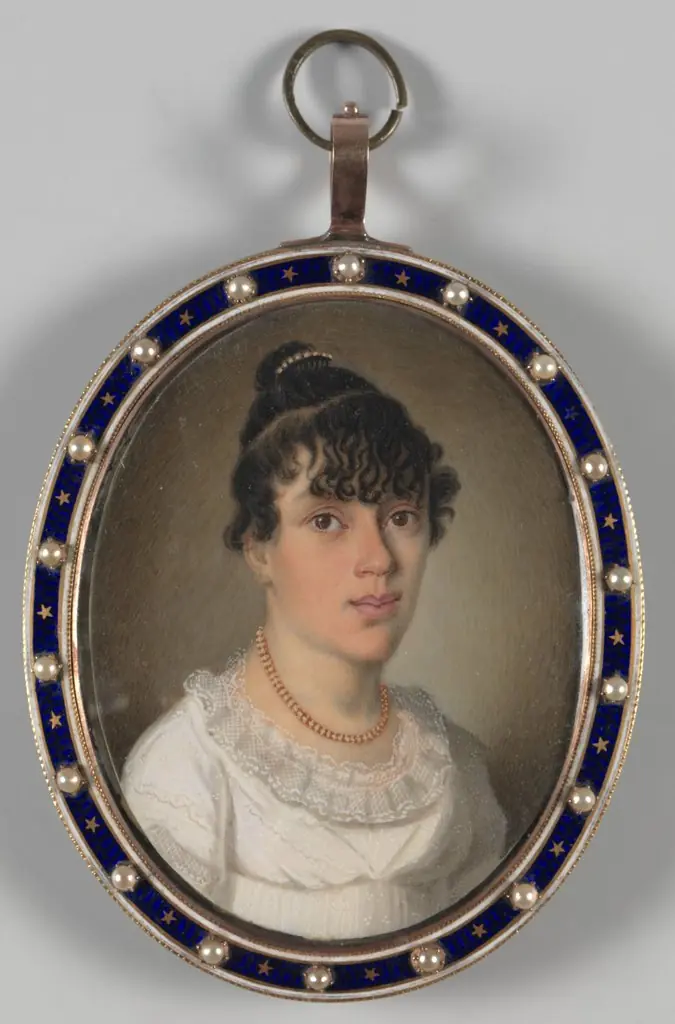 Portrait of a Surinamese Girl
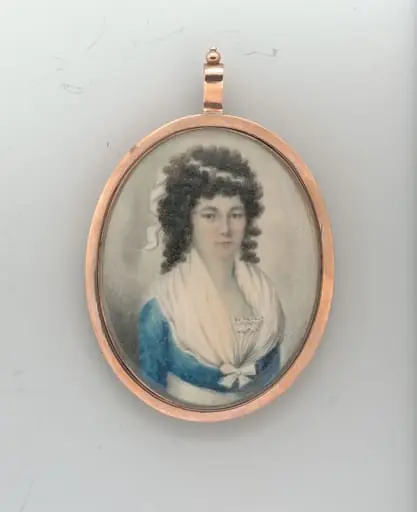 Portrait of a Lady
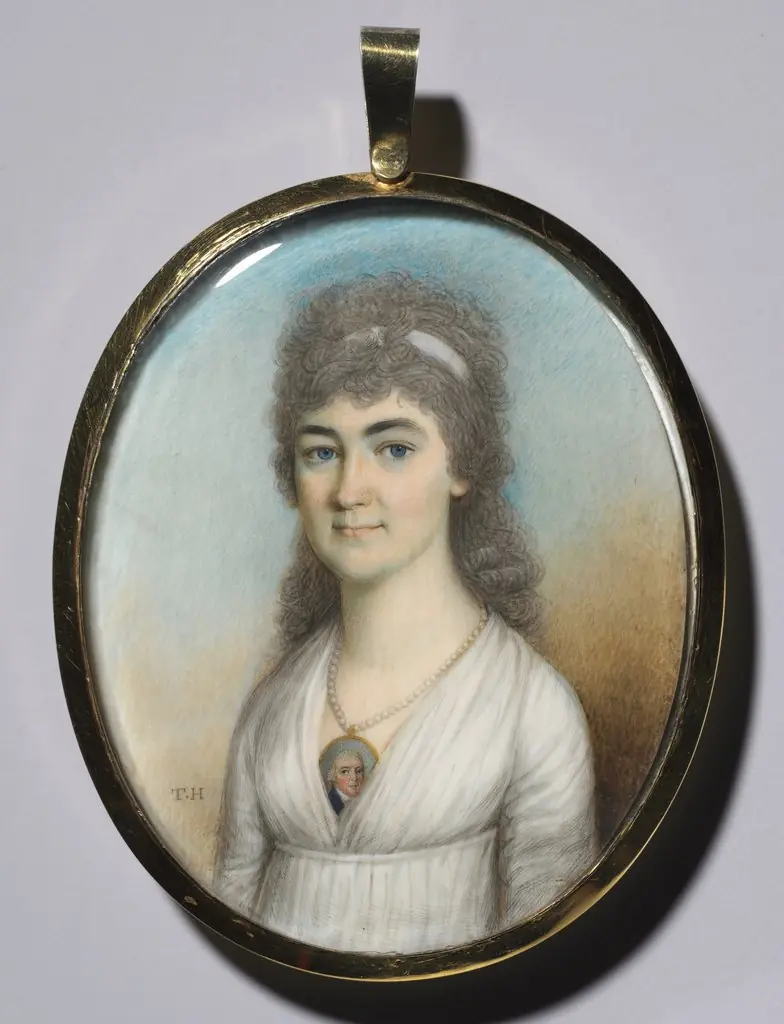 Portrait of a Woman Wearing a Miniature
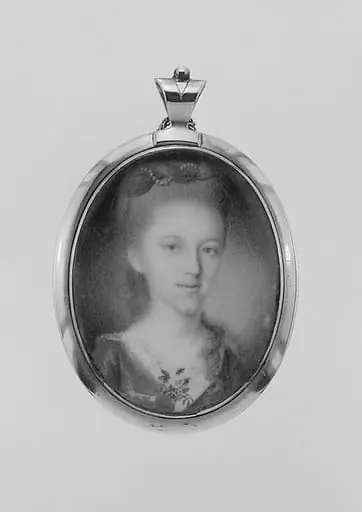 Portrait of a Lady
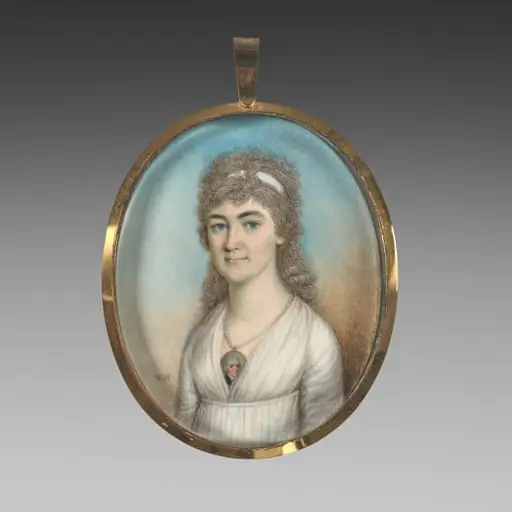 Portrait of a Woman Wearing a Miniature
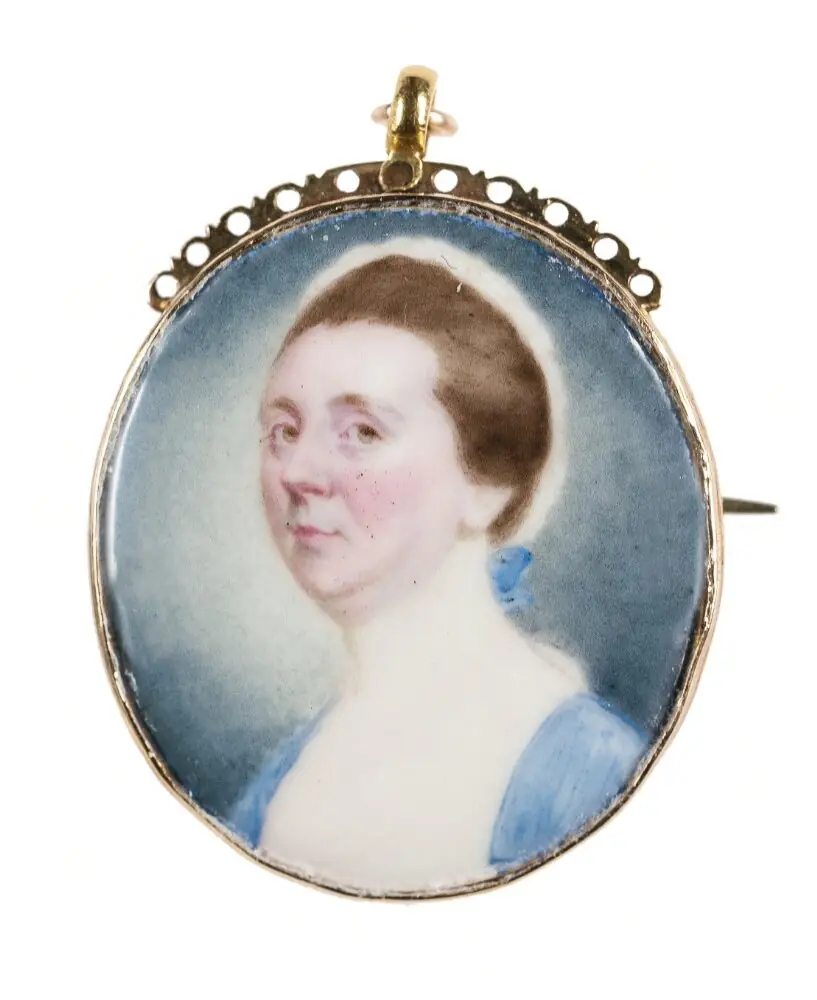 Unknown woman, unfinished
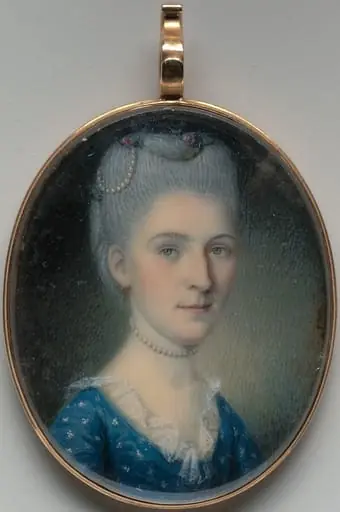 Mrs. Joseph Donaldson (Frances Johnston)
 Mrs. James Bleecker (Elizabeth Garland Bache)
- Portrait of Frederica Louise Wilhelmina van Oranje- Nassau (1770-1819)