Artwork
Portrait of a Lady
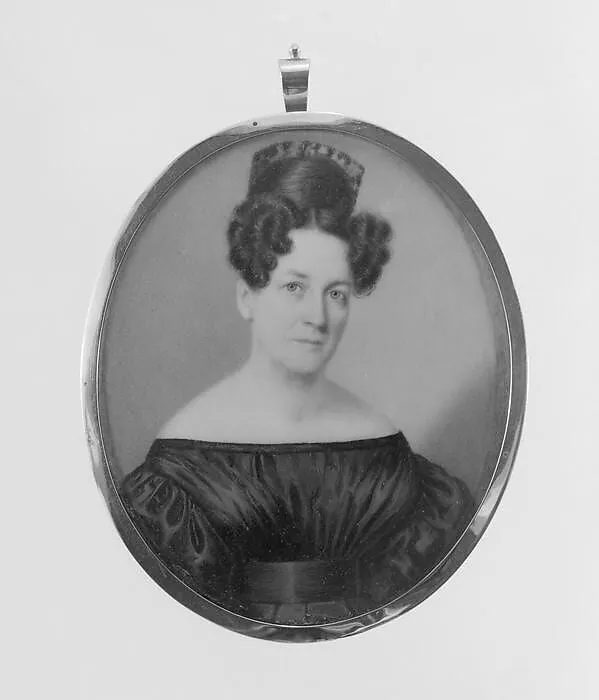
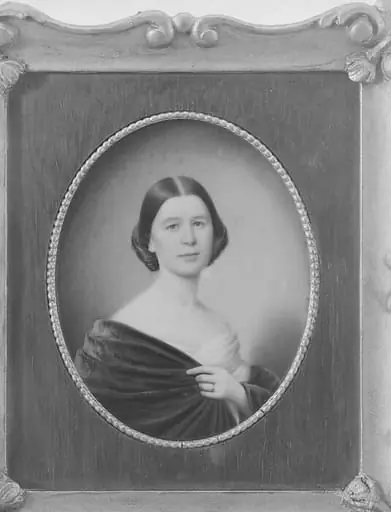
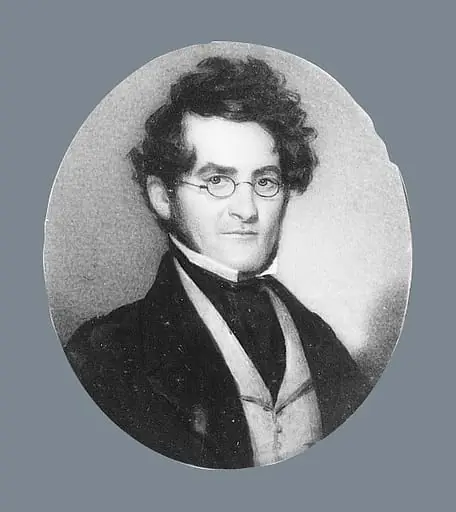
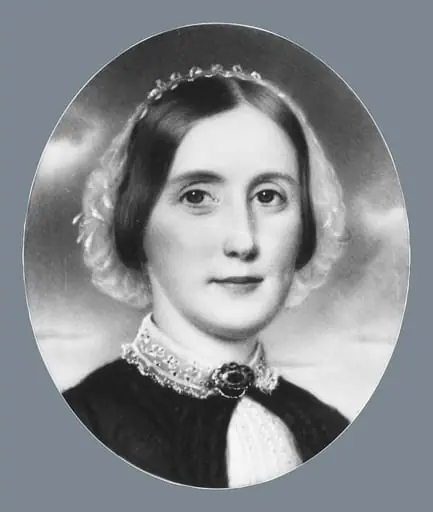
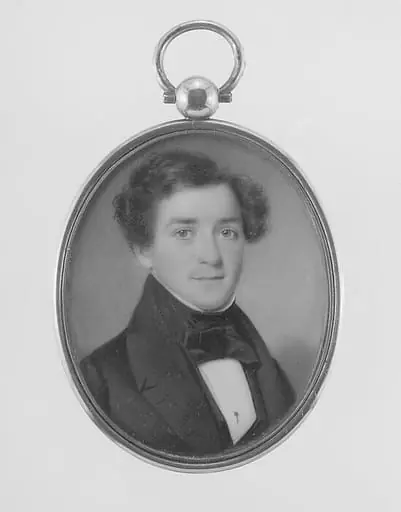
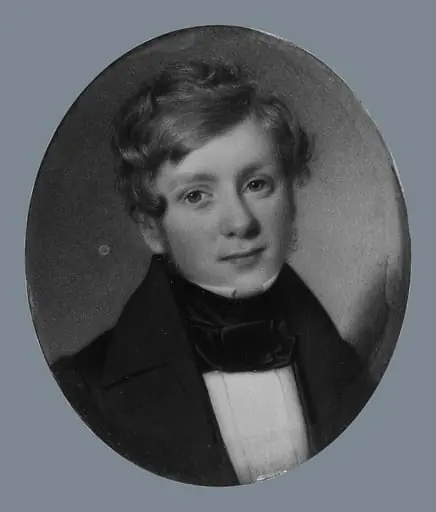
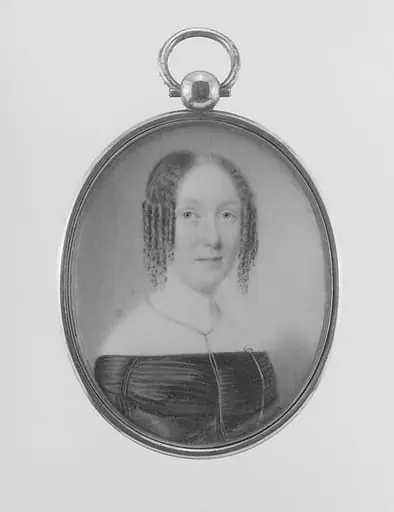
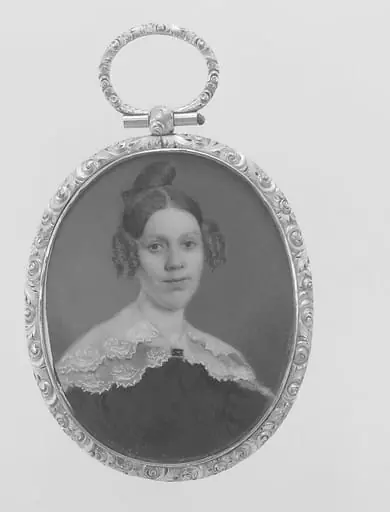
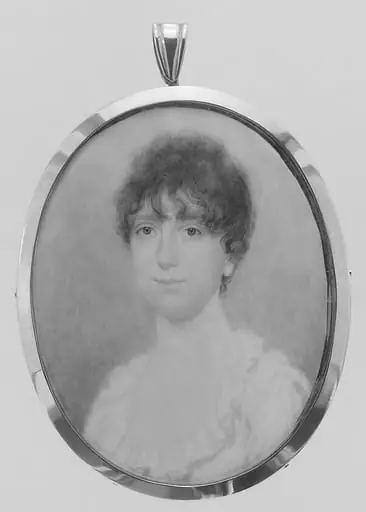
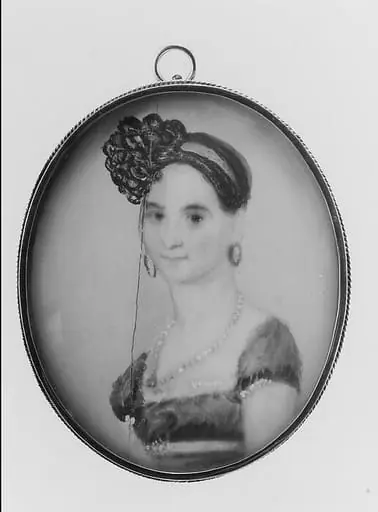
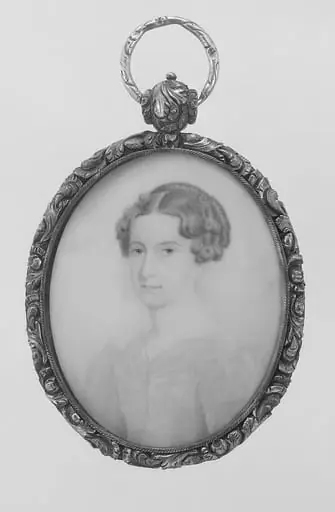
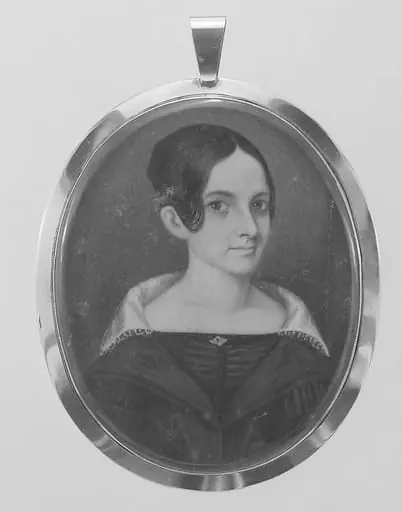
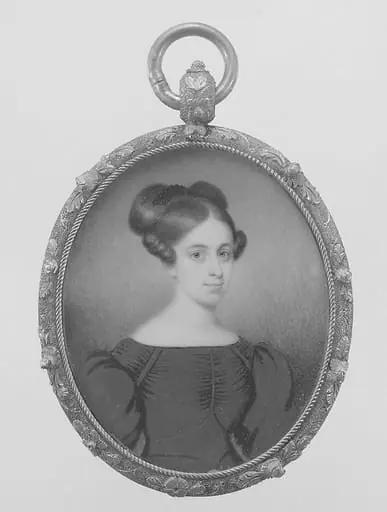
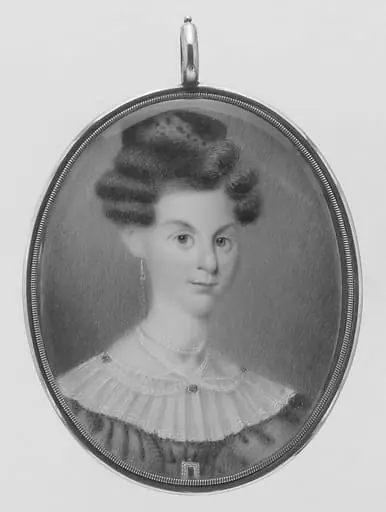
Portrait of a Lady is a watercolor painting by the American Folk Art artist John Wood Dodge. It dates from 1835 and is held in the collection of the Metropolitan Museum of Art.
About this work
Subject & Meaning
Its composition emphasizes the sitter’s poise and dress, suggesting attributes of refinement and modesty typical of the period’s portraiture.
The work titled Portrait of a Lady, executed by John Wood Dodge in 1835 as a watercolor on ivory, portrays a solitary female sitter whose identity remains unspecified. Classified within the portrait genre and housed in The American Wing of the Metropolitan Museum of Art, the image functions as a conventional record of likeness and social standing in early nineteenth‑century American art. Its composition emphasizes the sitter’s poise and dress, suggesting attributes of refinement and modesty typical of the period’s portraiture.
As a documented example of Dodge’s early work, the piece contributes to the historical narrative of American portraiture by illustrating contemporary aesthetic conventions and the role of women as subjects of elite visual representation.
Technique & Style
Executed in 1835, the portrait employs watercolor on a small ivory support, measuring 7.2 × 5.8 cm. Dodge’s handling emphasizes delicate, stippled modeling of facial features with a restrained palette, characteristic of miniature conventions of the period. The ivory ground is left partially visible around the sitter’s contours, creating a subtle luminous halo that isolates the figure. Stylistically, the work adheres to the refined linearity and polished finish typical of early American miniatures, with meticulous attention to costume detail and restrained emotional expression.
History & Provenance
The miniature watercolor on ivory known as Portrait of a Lady was executed in 1835 by the American artist John Wood Dodge. Created during the mid-nineteenth century, the work depicts an unidentified woman and is classified as a portrait. The piece eventually entered the collection of the Metropolitan Museum of Art in New York, where it is held under the accession number 2006.235.55.
While the specific original commissioner and the intermediate ownership history between its creation in 1835 and its 2006 museum acquisition are not detailed in the available records, the work's inception date and authorship are firmly established. The small-scale format, measuring approximately 7.2 by 5.8 units, is consistent with portable portrait miniatures of the era.
Overview
This intimate watercolor on ivory, titled Portrait of a Lady, was created around 1835 by John Wood Dodge. The work is a miniature, a small-scale portrait intended for personal viewing and often carried by its owner. It captures the likeness of an unidentified woman, rendered with delicate precision characteristic of the era's portraiture and belonging to the American Wing collection.
Context
Before the advent of photography, miniature portraits like this one served as portable images, allowing individuals to carry likenesses of family members or loved ones. Their small size made them ideal for personal keepsakes, often worn as jewelry or kept in small cases. These works fulfilled a role similar to modern photographs, preserving visual memories in an era without mechanical reproduction.
Artist & collection