Artwork
Noblewoman at a Jharokha Window Holding a Rose, from a Portraits of Women series
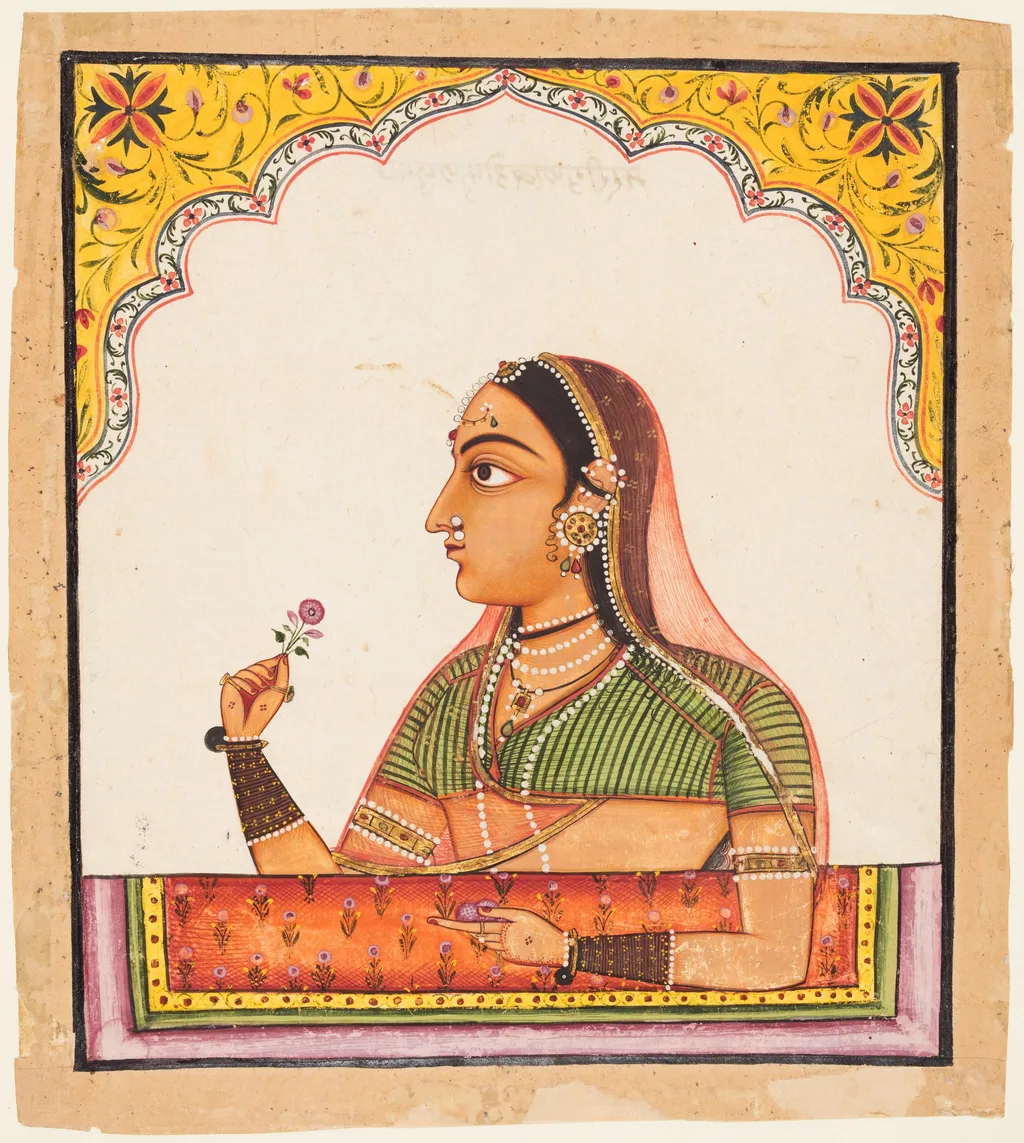
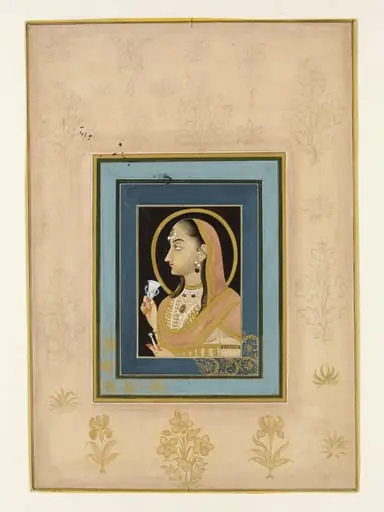
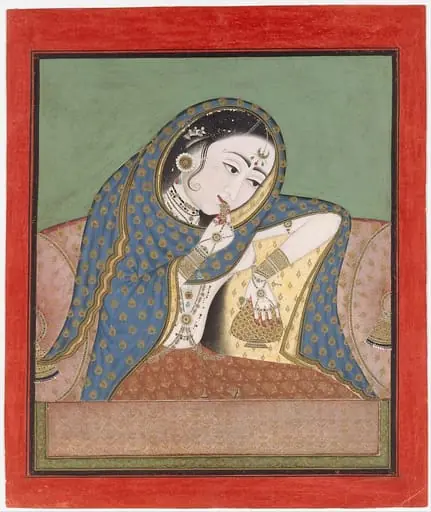
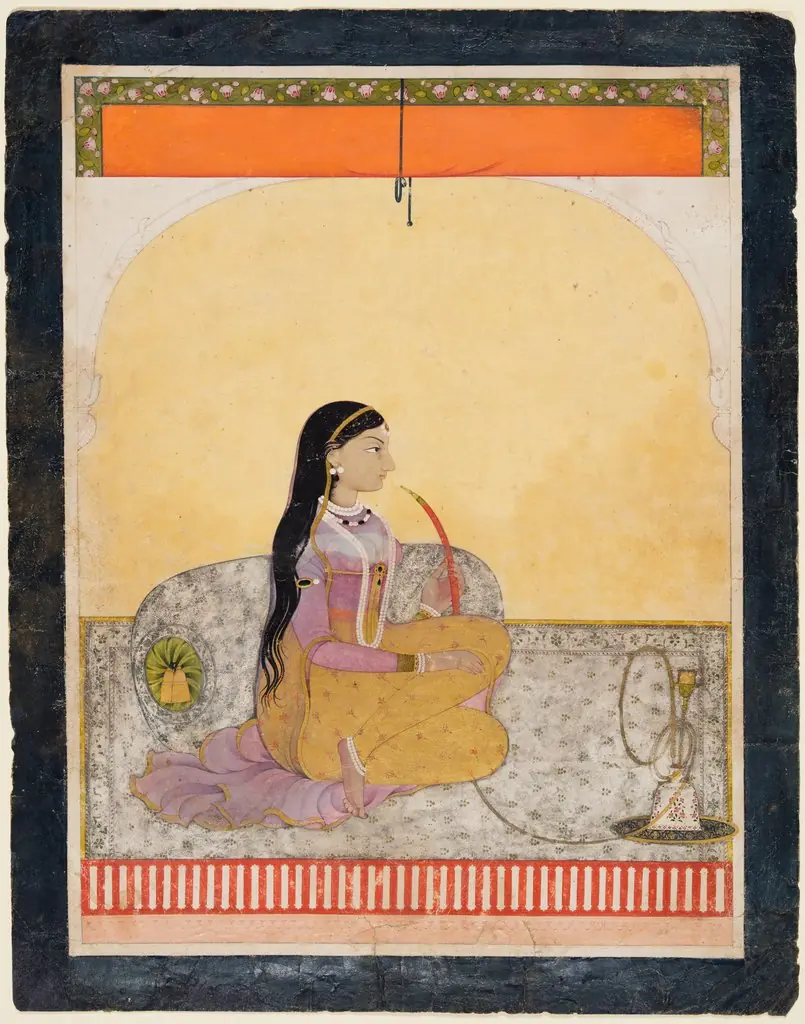
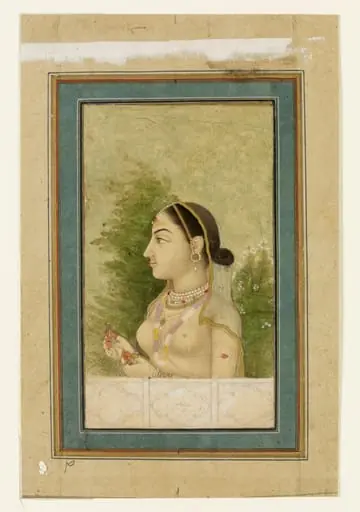
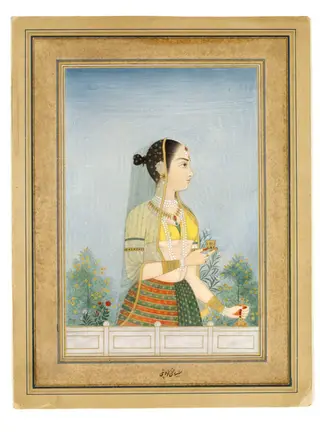
Noblewoman at a Jharokha Window Holding a Rose, from a Portraits of Women series is an unspecified painting. It dates from 1730 and is held in the collection of the Cleveland Museum of Art. This painting, titled Noblewoman at a Jharokha Window Holding a Rose, depicts a woman adorned in green and gold attire.
About this work
History & Provenance
Its provenance prior to this acquisition is not detailed in the cited sources, which do not record any earlier ownership history or commissioning details.
The painting Noblewoman at a Jharokha Window Holding a Rose is dated to 1730 based on internal documentation and the Cleveland Museum of Art’s records, which place its inception within that year.
The work entered the Cleveland Museum of Art as part of an acquisition in 2018, where it is currently held as accession number 2018.182. Its provenance prior to this acquisition is not detailed in the cited sources, which do not record any earlier ownership history or commissioning details.
Context
The painting, titled Noblewoman at a Jharokha Window Holding a Rose, belongs to a "Portraits of Women" series dated 1730 and is classified as an 18th‑century portrait. It depicts an aristocratic figure framed by a jharokha window while clutching a rose, a motif that scholars link to contemporary ideals of feminine modesty and status.
The work is housed in the Cleveland Museum of Art (accession 2018.182) and has been discussed in recent scholarship as an example of elite portraiture that blends Mughal architectural motifs with European naturalistic detail, situating it within the broader trajectory of courtly imagery in Indian painting.
Overview
This painting, titled Noblewoman at a Jharokha Window Holding a Rose, depicts a woman adorned in green and gold attire. She is positioned behind an ornate window, holding a single pink rose while resting her other hand on the sill. The work is part of a larger series known as Portraits of Women and offers a glimpse into courtly life and aesthetic sensibilities of its period.
Subject & Meaning
The central figure, a noblewoman, is presented within a jharokha, a traditional architectural feature in palaces. This type of enclosed balcony allowed occupants to observe the outside world while remaining largely unseen. Her delicate pose, holding a single rose, suggests themes of beauty, contemplation, or perhaps a message intended for an unseen recipient, common in courtly portraiture.
Technique & Style
The artwork employs a vibrant palette, notably seen in the woman's green and gold garments. The interior background of the jharokha is rendered with bright red and yellow patterns, contrasting with the more subdued depiction of a garden outside. This attention to decorative detail and the use of distinct color fields are characteristic of the painting's stylistic approach, emphasizing both opulence and refinement.
Artist & collection