Artwork
Page from Tales of a Parrot (Tuti-nama): text page
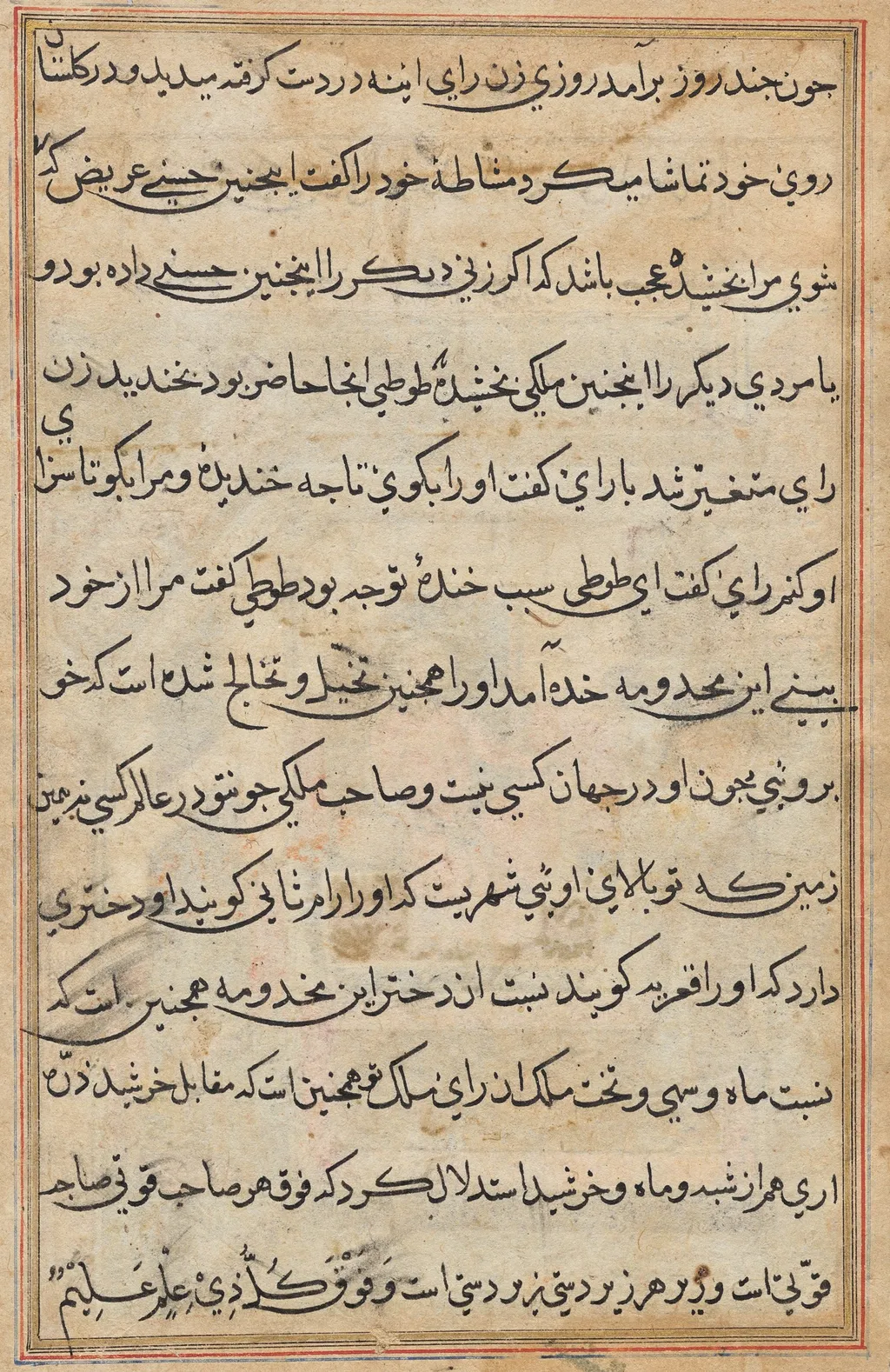
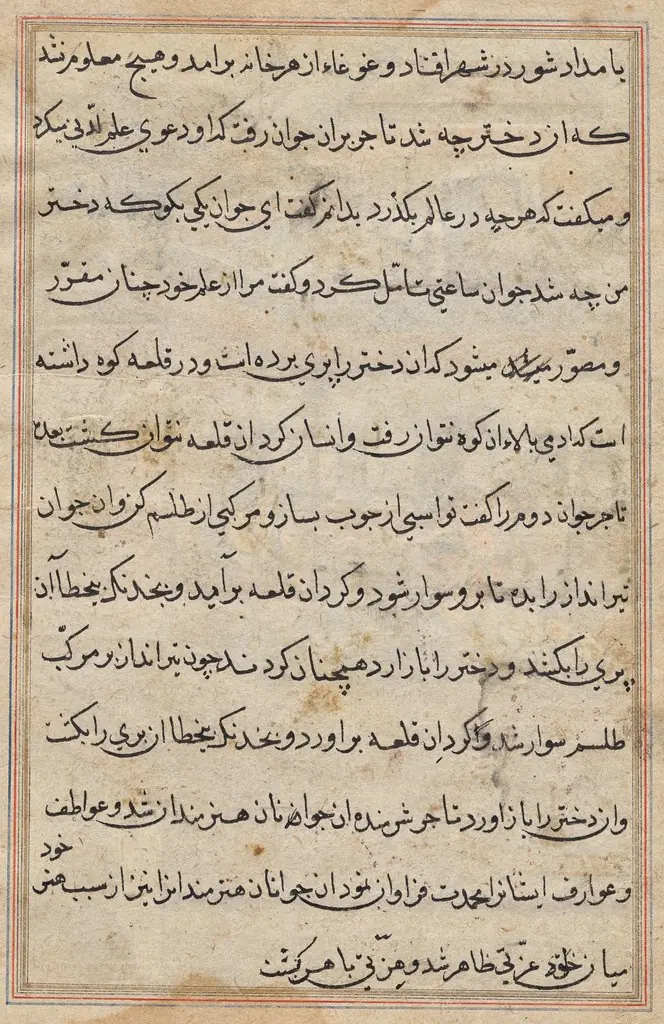
Page from Tales of a Parrot (Tuti-nama): text page is an unspecified painting. It dates from 1560 and is held in the collection of the Cleveland Museum of Art. This illuminated page originates from the Persian manuscript Tales of a Parrot (Tuti‑nama), a narrative composed for Prince Salim.
About this work
Technique & Style
The composition features dense text arranged around a central decorative motif, rendered with fine brushwork and subtle gradations of color.
The page is a miniature painting executed in opaque pigments and gold on a paper support, characteristic of Mughal manuscript illumination. The composition features dense text arranged around a central decorative motif, rendered with fine brushwork and subtle gradations of color. The handling exhibits careful brush control, preserving the integrity of the delicate pigments over centuries.
The formal qualities include a restrained palette, intricate border patterning, and a balanced spatial arrangement that emphasizes the narrative text within the decorative frame.
History & Provenance
Created within the Mughal Empire, this text page from the Tales of a Parrot (Tuti-nama) dates to 1560. The work was produced by an unknown artist during the mid-16th century. Its modern ownership history begins with its acquisition by the Cleveland Museum of Art in 1962, where it is currently held under the accession number 1962.279.292.a.
The specific commissioning details and the original patron for this individual leaf are not recorded in the available records.
Overview
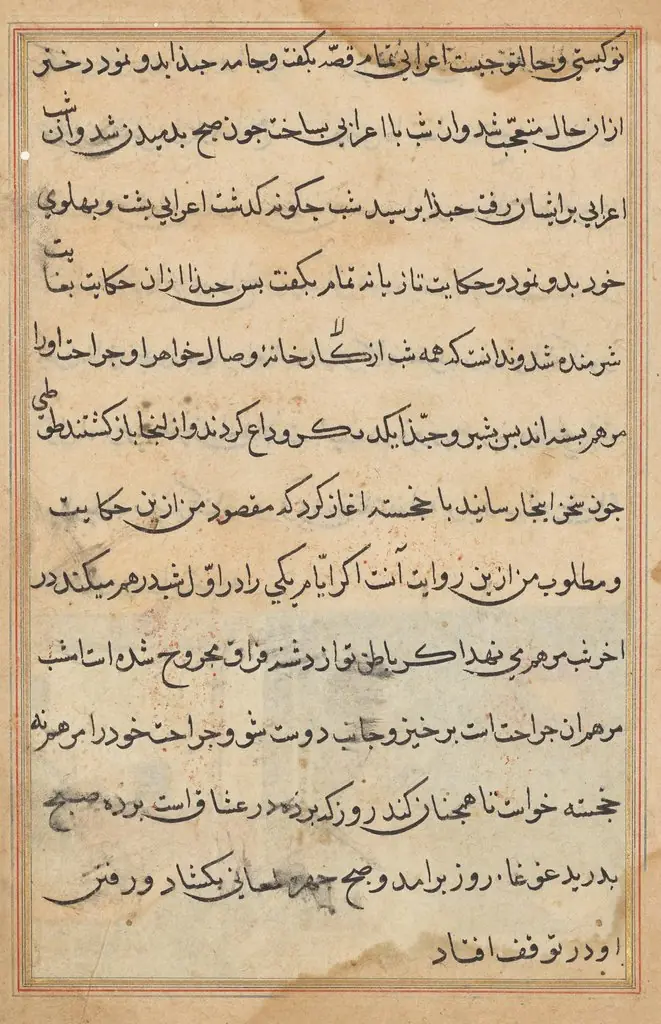
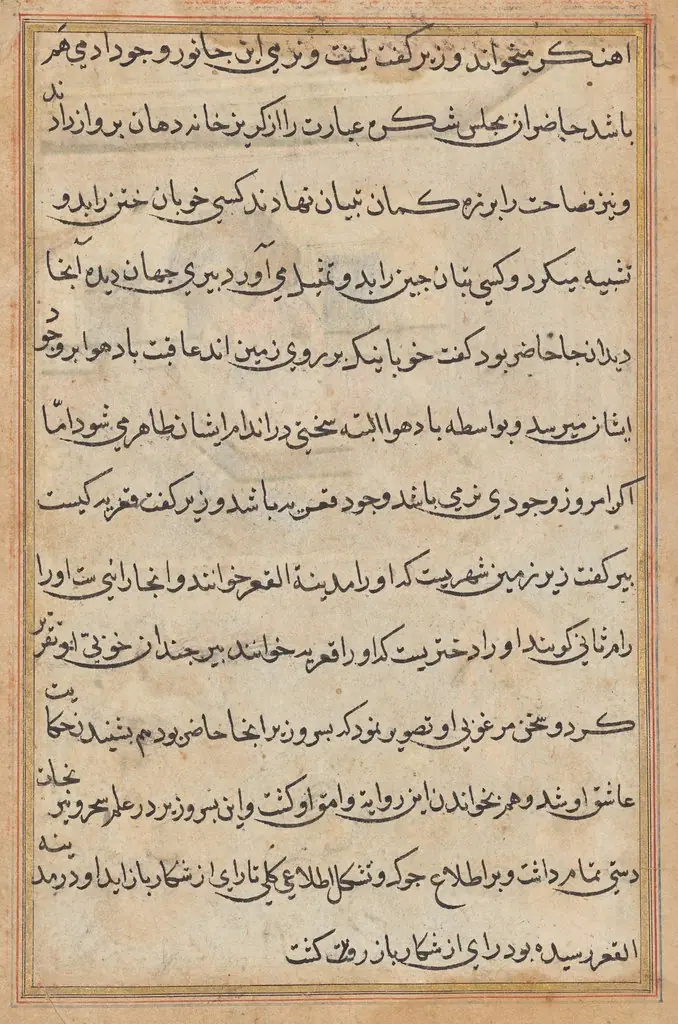
This illuminated page originates from the Persian manuscript Tales of a Parrot (Tuti‑nama), a narrative composed for Prince Salim. Executed on warm‑toned paper, the sheet is densely filled with black calligraphic script, its lines intertwining in a vine‑like rhythm, and is edged by a slender red border that frames the composition.
Subject & Meaning
The text presents a segment of the Tales of a Parrot, a literary work that blends moral instruction with courtly entertainment. Intended for a princely audience, the story’s themes revolve around wisdom, loyalty, and the cleverness of its avian protagonist, reflecting the cultural values of the Safavid court.
Context
During the Safavid era, illustrated books served both educational and decorative purposes in elite circles. The Tales of a Parrot belongs to a tradition of didactic storytelling that employed lavish calligraphy and occasional illumination to enhance the reading experience for aristocratic patrons.
Artist & collection

- Page from Tales of a Parrot (Tuti-nama): text page
 Page from Tales of a Parrot (Tuti-nama): text page
 Page from Tales of a Parrot (Tuti-nama): text page
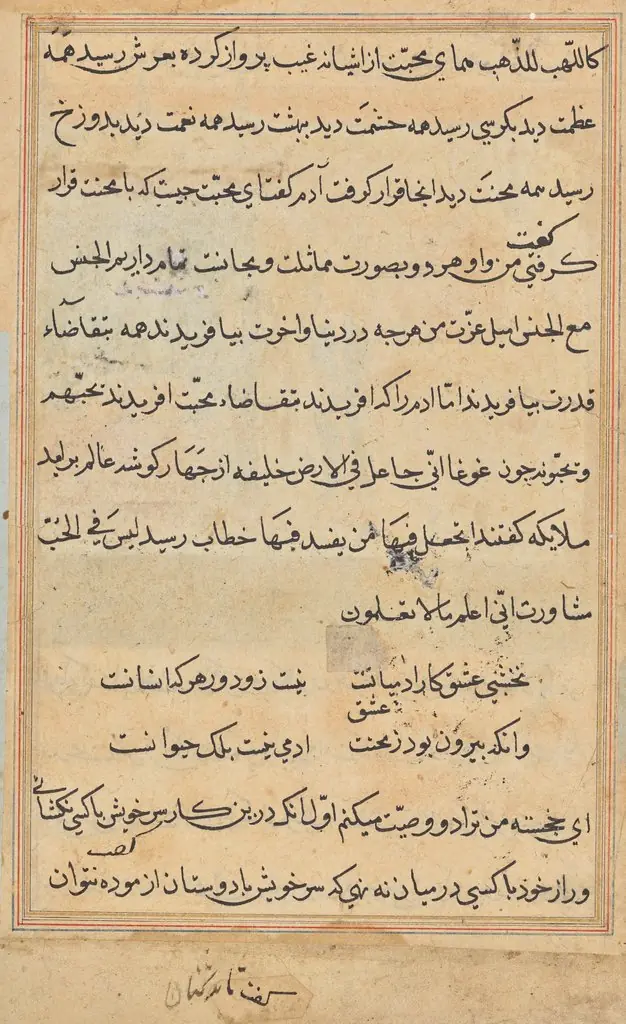 Page from Tales of a Parrot (Tuti-nama): text page
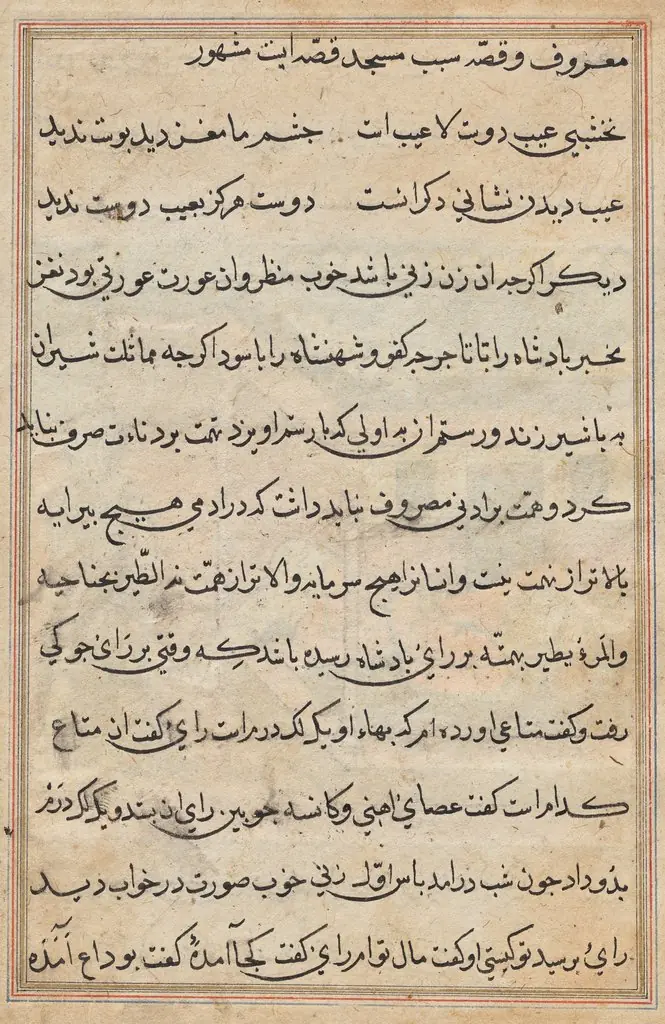 Page from Tales of a Parrot (Tuti-nama): text page
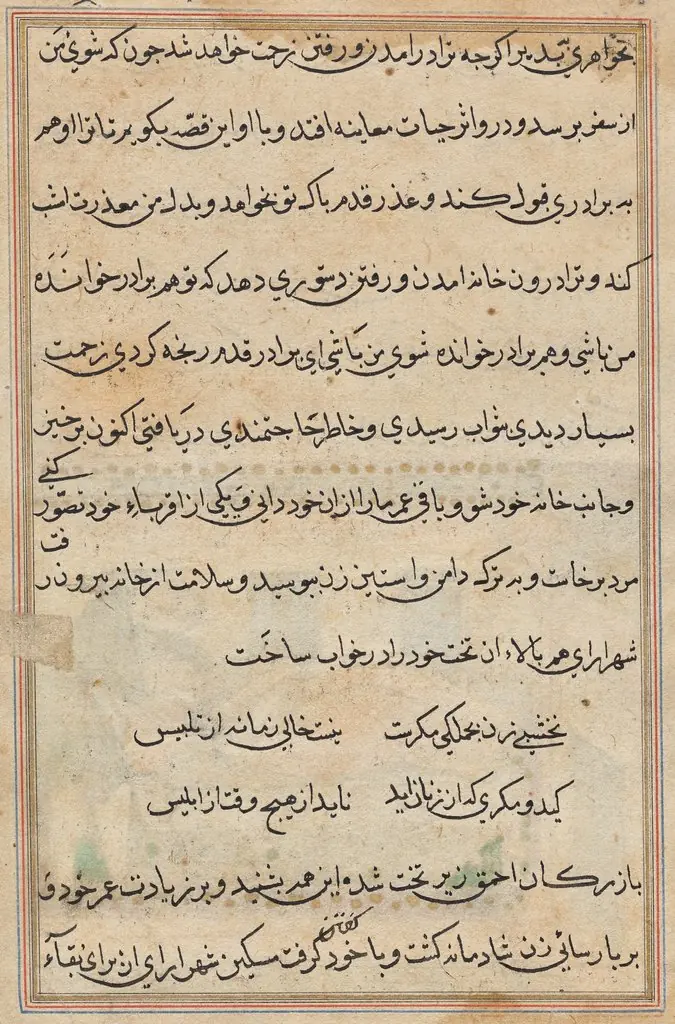 Page from Tales of a Parrot (Tuti-nama): text page
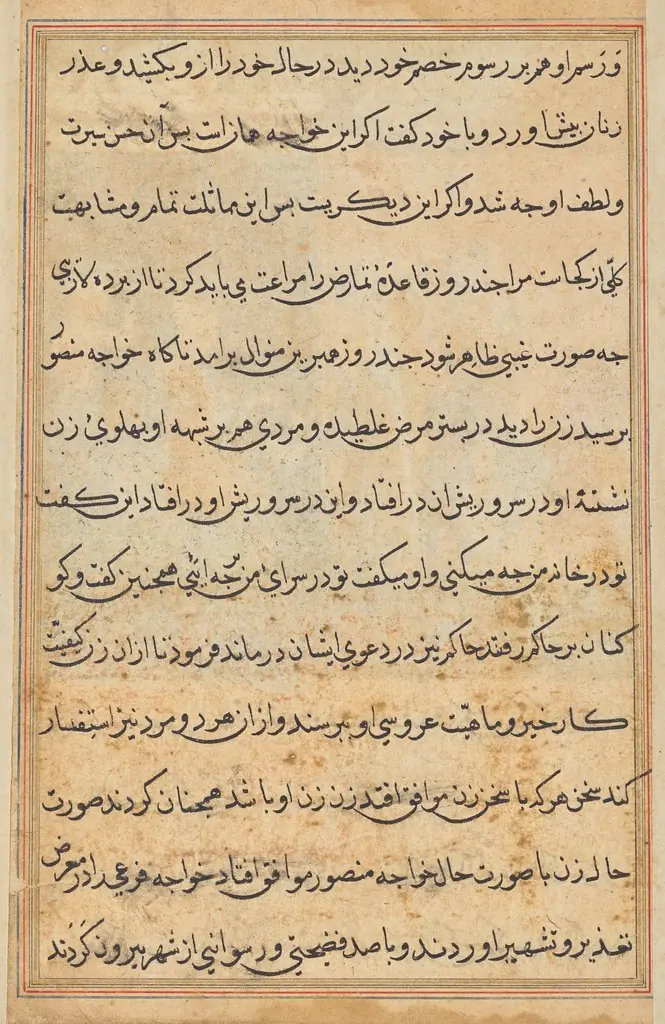 Page from Tales of a Parrot (Tuti-nama): text page
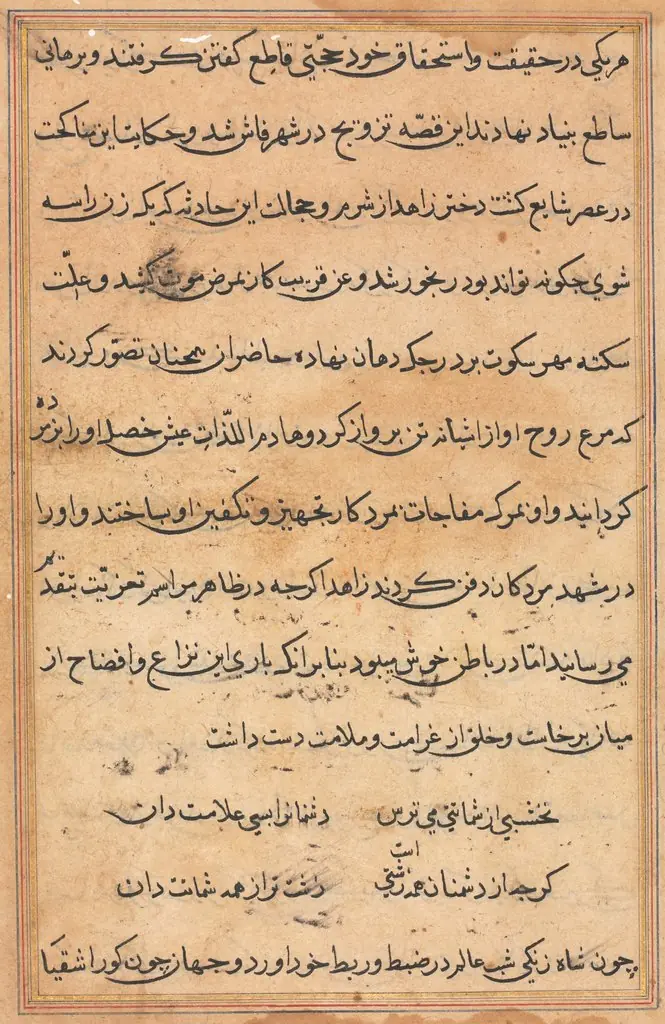 Page from Tales of a Parrot (Tuti-nama): text page
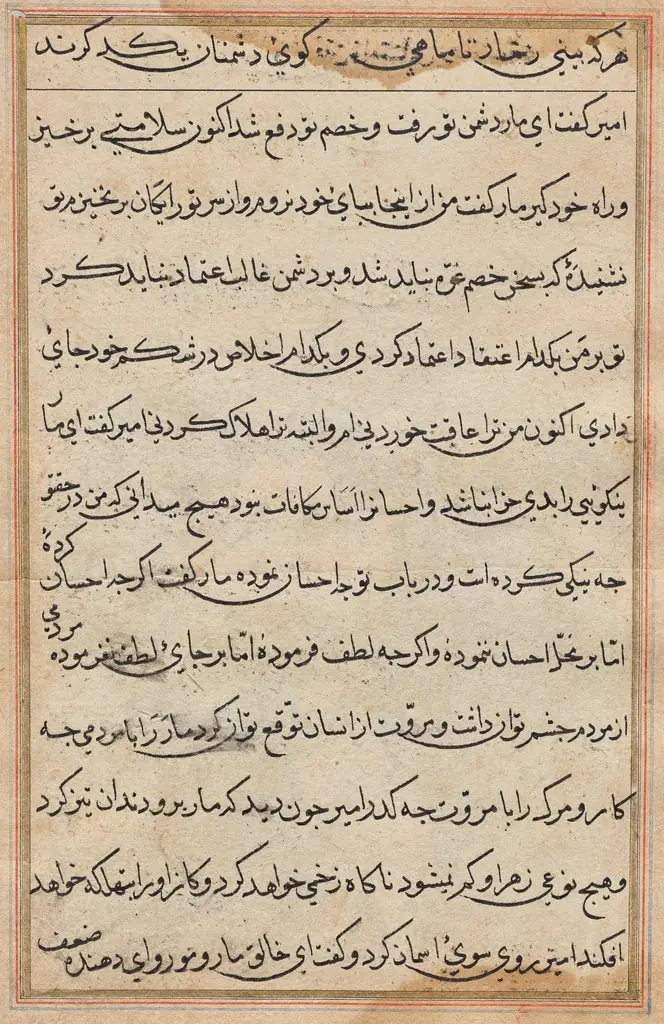 Page from Tales of a Parrot (Tuti-nama): text page
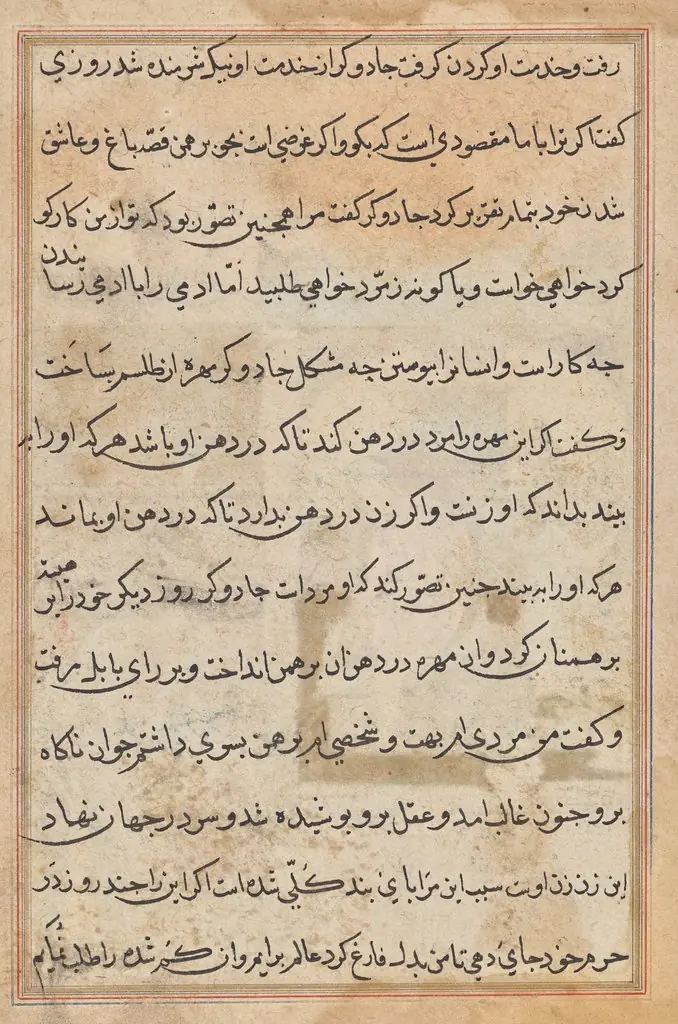 Page from Tales of a Parrot (Tuti-nama): text page
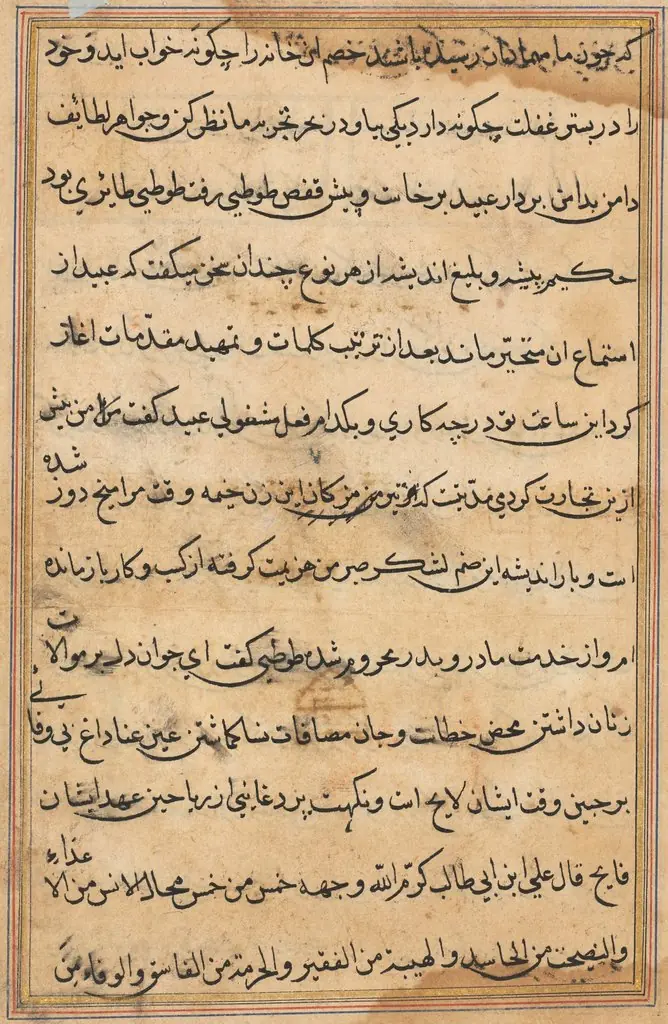 Page from Tales of a Parrot (Tuti-nama): text page
 Page from Tales of a Parrot (Tuti-nama): text page