Artwork
Parch. William Morgan D.D. (1801-1872)
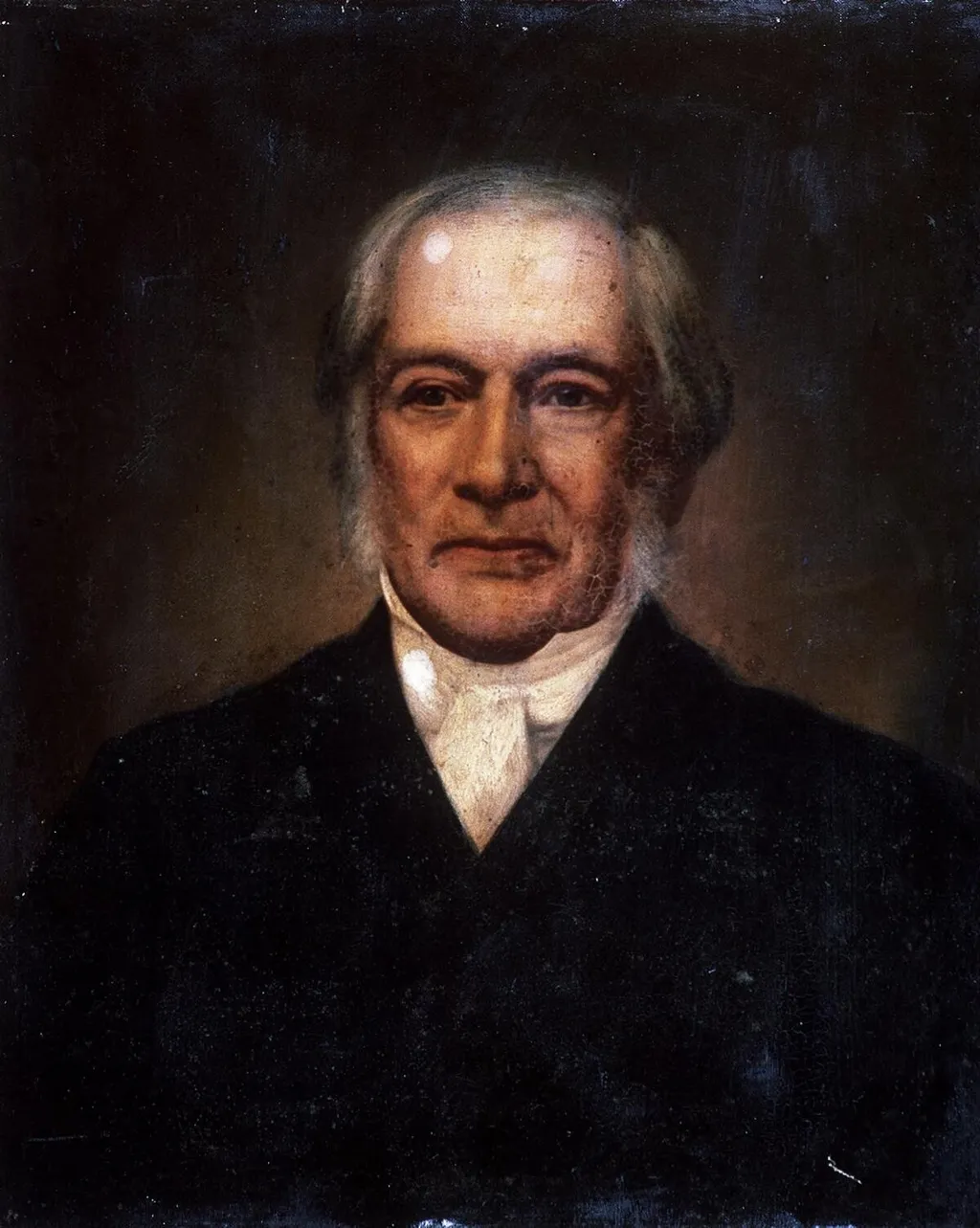
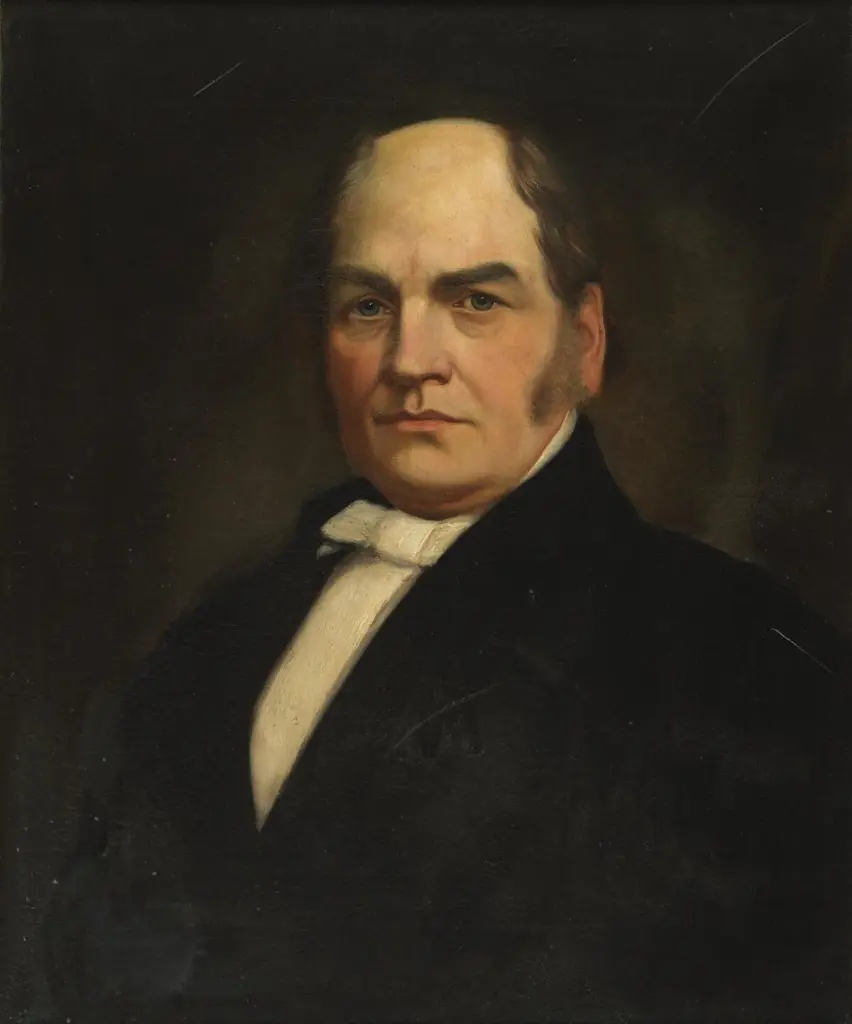
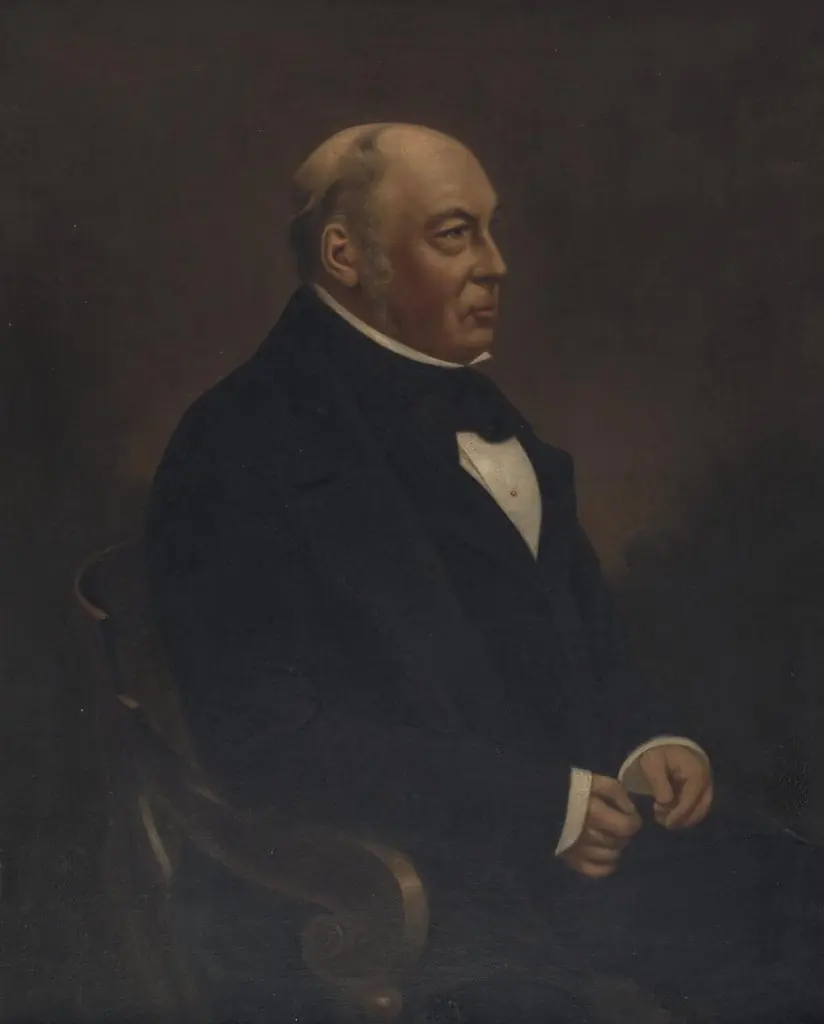
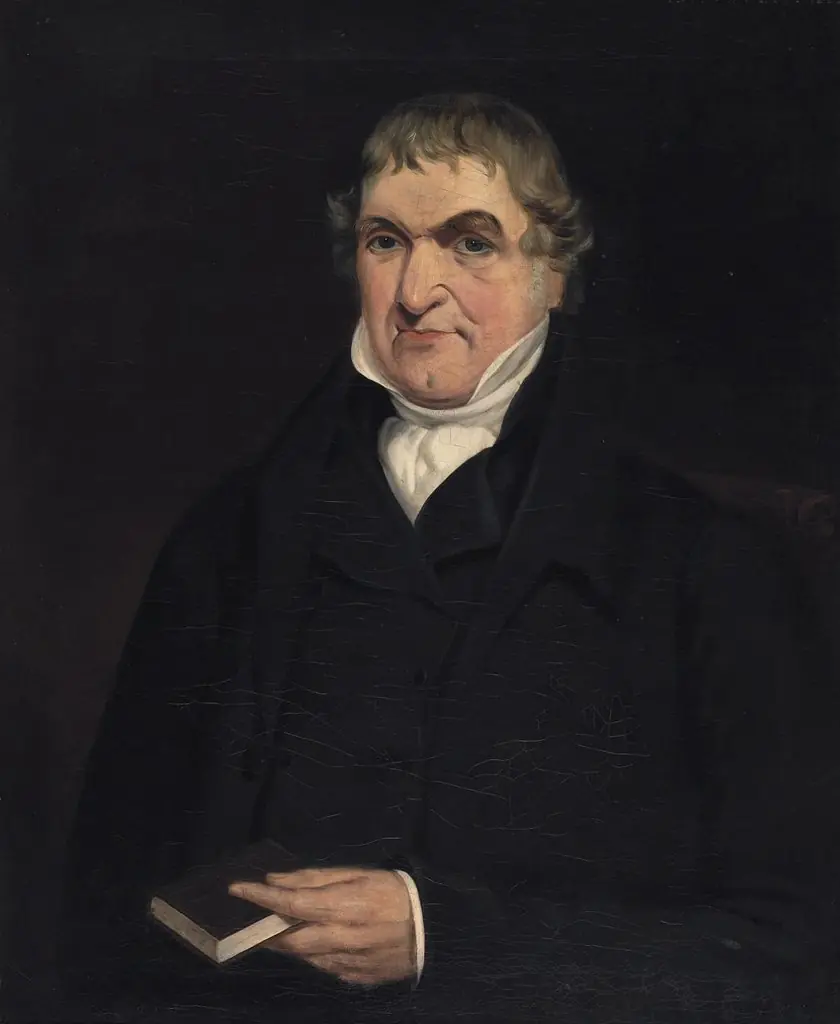
Parch. William Morgan D.D. (1801-1872) is an oil painting by the British Romanticist artist Unknown. It dates from 1860 and is held in the collection of the National Library of Wales. Created in 1860, this oil portrait depicts William Morgan, D.
About this work
The painting was done in 1860, and the man is William Morgan, a cleric (someone who works in a church).
This portrait shows a serious-looking older man with a bald head and a long white beard. He’s wearing a dark coat and a white necktie, standing against a plain dark background. The lighting highlights his face, making his features stand out sharply.
The painting was done in 1860, and the man is William Morgan, a cleric (someone who works in a church). His expression is calm but firm, almost like he’s deep in thought.
If you’re curious about how artists control light and shadow, look up chiaroscuro.
Overview
Created in 1860, this oil portrait depicts William Morgan, D.D. (1801–1872), a senior cleric. The composition presents the sitter in a three‑quarter view against an unadorned dark backdrop, his bald head and long white beard rendered with precise detail. The work emphasizes the subject’s dignified bearing through a restrained palette and focused illumination.
Subject & Meaning
William Morgan is shown with a calm yet resolute expression, suggesting contemplation and authority appropriate to his ecclesiastical role. The plain background and modest attire direct attention to his face, underscoring the personal gravitas of a man who served the church in the mid‑nineteenth century.
Technique & Style
The artist employs chiaroscuro, contrasting a sharply lit facial plane with deep surrounding shadows. This handling of light defines the contours of Morgan’s features and creates a sense of three‑dimensionality. The brushwork is controlled, with smooth modeling of the beard and subtle texture in the dark coat, reflecting conventional portrait conventions of the period.
History & Provenance
The portrait was painted in the year 1860, when Morgan was nearing the end of his clerical career. It later entered the collection of the Parch Museum, where it remains on display as a representative example of mid‑Victorian portraiture of religious figures.
Context
Mid‑nineteenth‑century British portraiture often emphasized the moral character of its subjects, especially clergy, through sober composition and restrained colour. This painting aligns with that tradition, presenting Morgan as a figure of learned respectability within the broader visual culture of Victorian England.
Artist & collection