Artwork
Portrait of J C de Brunett, Consul-General of Russia to Amsterdam
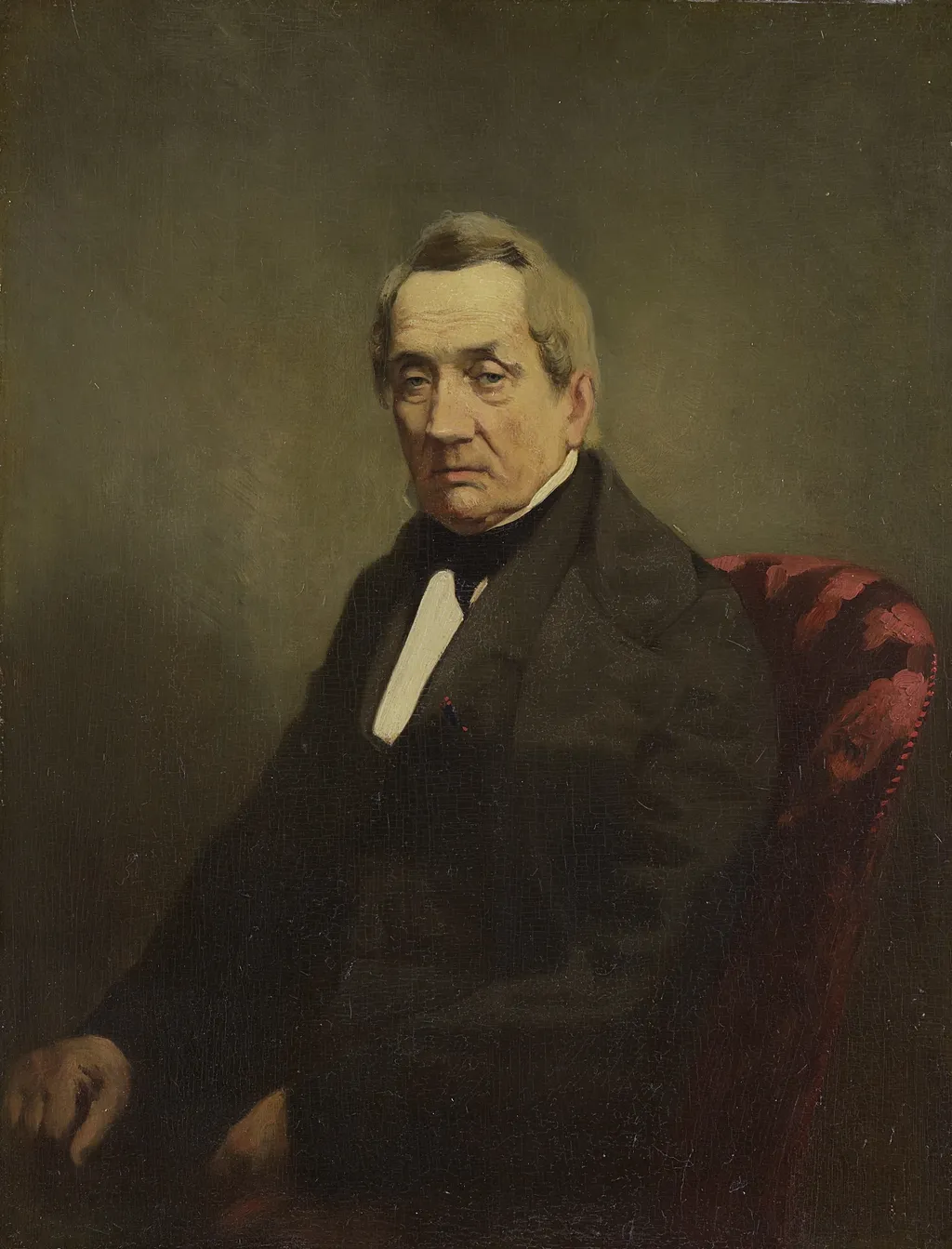
Portrait of J C de Brunett, Consul-General of Russia to Amsterdam is an oil painting by the Biedermeier artist Unknown. It dates from 1850 and is held in the collection of the Rijksmuseum. This oil painting portrays J.
About this work
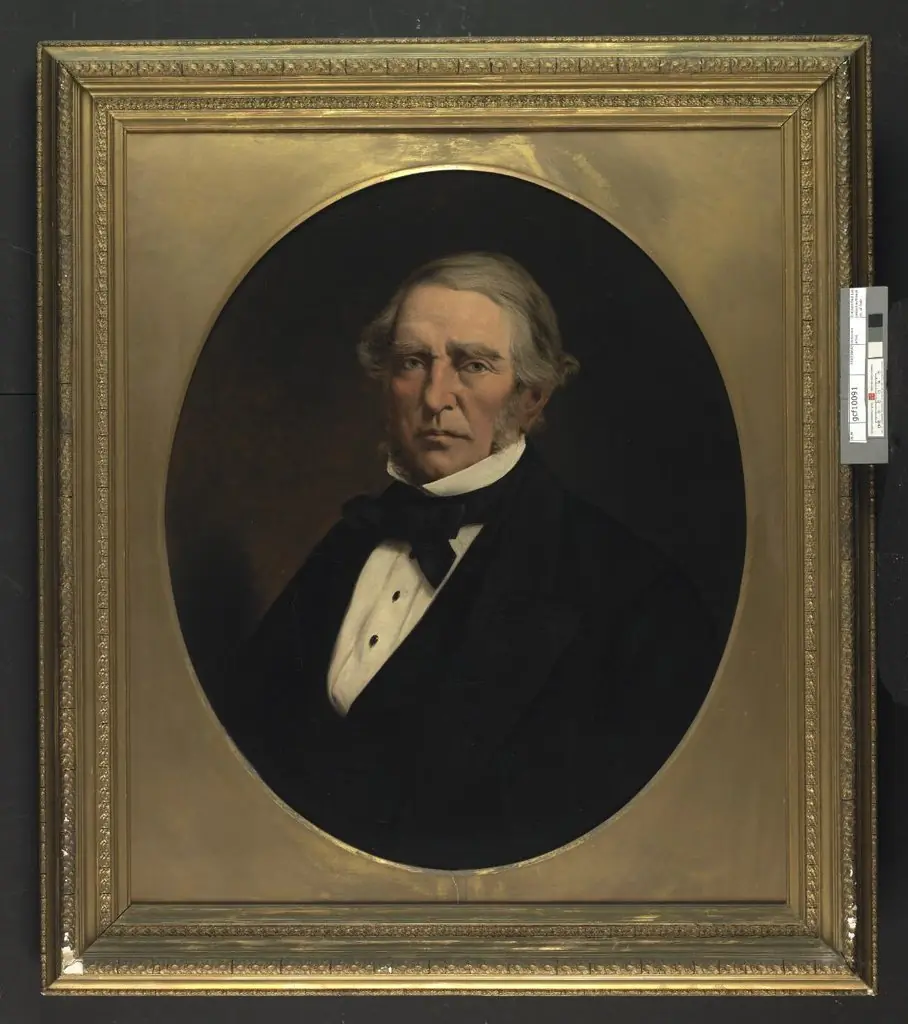
This portrait depicts a man with short, light-colored hair, dressed in a black suit with a white shirt and black bow tie.
This portrait depicts a man with short, light-colored hair, dressed in a black suit with a white shirt and black bow tie. He sits in a red chair, set against a dark background.
The subject's attire and the chair suggest a formal setting, possibly from the mid-19th century. The artist's use of chiaroscuro creates a sense of depth and dimensionality in the portrait.
To learn more about the artist's technique, explore the use of chiaroscuro in painting.
Technique & Style
The work is an oil painting executed on wooden panel, measuring 41 by 31.4 centimeters. It portrays J C de Brunett, who served as Consul-General of Russia in Amsterdam, rendered with the fine brushwork and restrained palette typical of mid nineteenth century Dutch portraiture. The surface shows a smooth handling and careful modeling of facial features, reflecting the formal conventions of official diplomatic portraiture. The composition emphasizes a dignified presence through controlled lighting and precise detailing of attire.
History & Provenance
The work was created in 1850 as an oil painting on panel, depicting J C de Brunett who served as Consul-General of Russia to Amsterdam. It entered the collection of the Rijksmuseum, where it remains on display. The painting was classified as a portrait within the museum's holdings and is recorded under the dimensions of 41 cm in height and 31.4 cm in width.
Portrait of J C de Brunett, Consul-General of Russia to Amsterdam is an oil on panel work measuring 41 cm by 31.4 cm, created in 1850. It is held in the collection of the Rijksmuseum under inventory number SK-A-1850-12, accessioned in 1850. The painting has been exhibited at the Rijksmuseum, including in the exhibition 'Dutch and Flemish Paintings from the 19th Century' in 1988.
Overview
This oil painting portrays J.C. de Brunett, the Russian Consul-General in Amsterdam, rendered in a formal seated pose. Dressed in a black suit with a white shirt and black bow tie, he sits upright in a red armchair against a deep, unbroken background. The composition emphasizes stillness and dignity, typical of diplomatic portraiture in the mid-19th century, with lighting used to define volume and spatial presence.
Subject & Meaning
J.C. de Brunett is depicted not as an individual in private repose, but as a representative of state authority. His formal attire and composed posture convey official status and restraint. The absence of symbolic objects or elaborate settings directs focus to his presence alone, reinforcing the portrait’s function as a record of diplomatic identity rather than personal narrative.
Context
In mid-19th century Europe, consular portraits served as visual affirmations of national representation abroad. De Brunett’s image would have been displayed in official spaces to signal Russia’s diplomatic presence in the Netherlands. The restrained aesthetic reflects a broader trend among European diplomats favoring sobriety over ornamentation in public representation.
Legacy
The portrait endures as a quiet testament to the role of diplomacy in 19th-century international relations. It contributes to the visual archive of foreign envoys in the Netherlands, offering insight into how state functionaries were visually codified. Its preservation underscores the value placed on such records within diplomatic and cultural institutions.
Artist & collection









 Reverend genltleman
 Portrait of George Petrie (1790-1866), Artist and Archaeologist
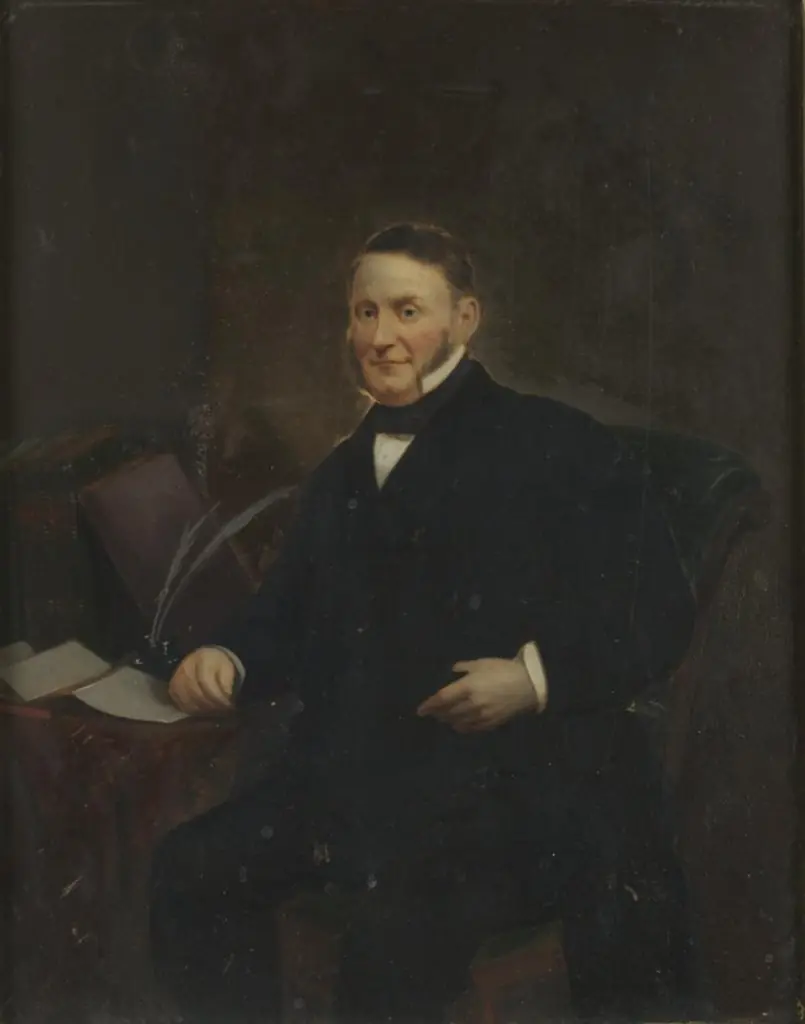 Ebenezer Cooper, Llangollen
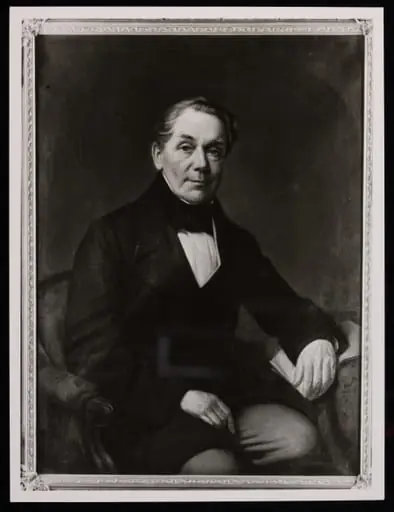 Liebich, Adolf
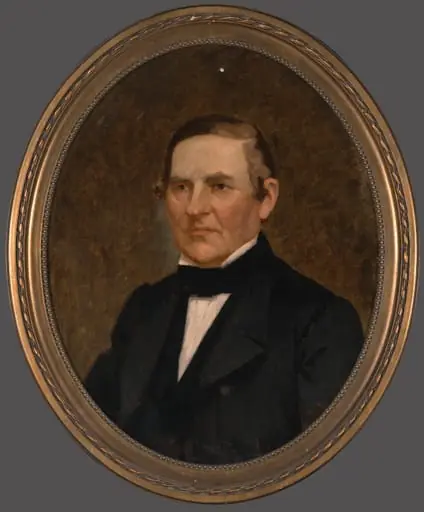 Johan Lindroos vanhana.
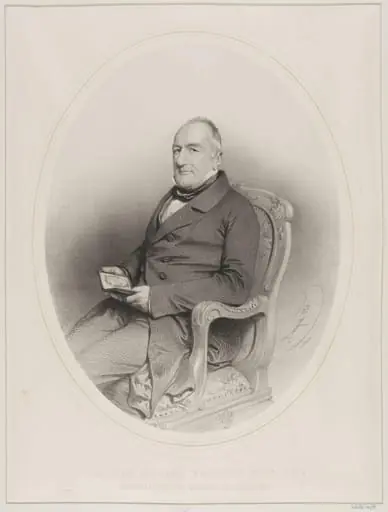 William Richard Hamilton (1777-1859)
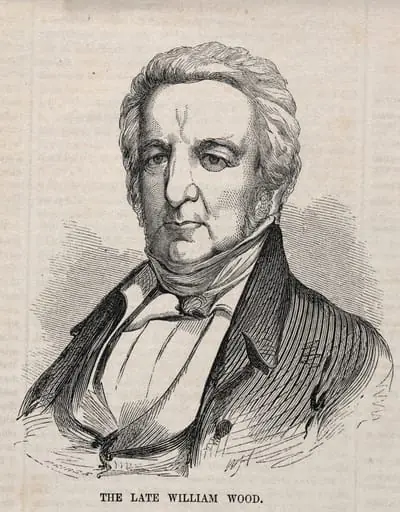 The Late William Wood
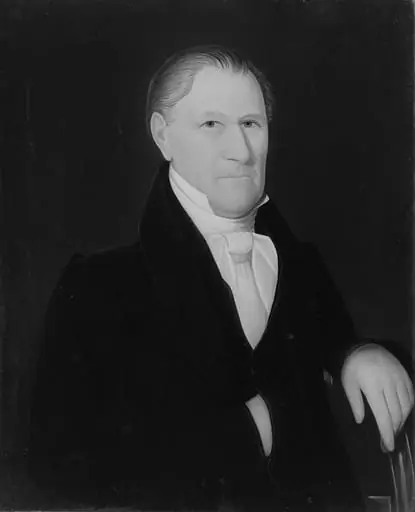 Thomas Storm
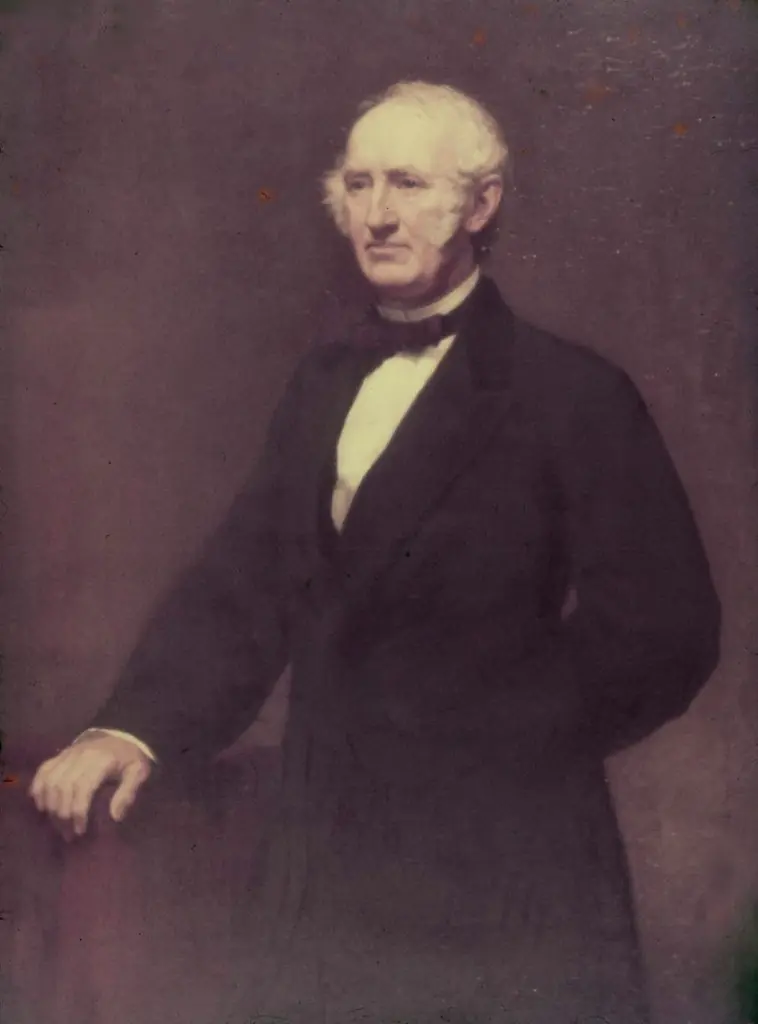 Wendell Phillips
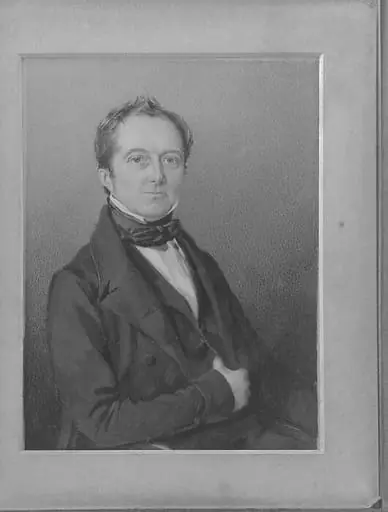 Uncle Charles
 Unidentified Lay-preacher/Minister, of Bala
- Portrait of Jacob de Vos Jacobszoon (1803-1878). Amsterdam Art Collector and Owner of the Historical Gallery De Vos