Artwork
Plan of a court in the great temple at Rameshwaram.
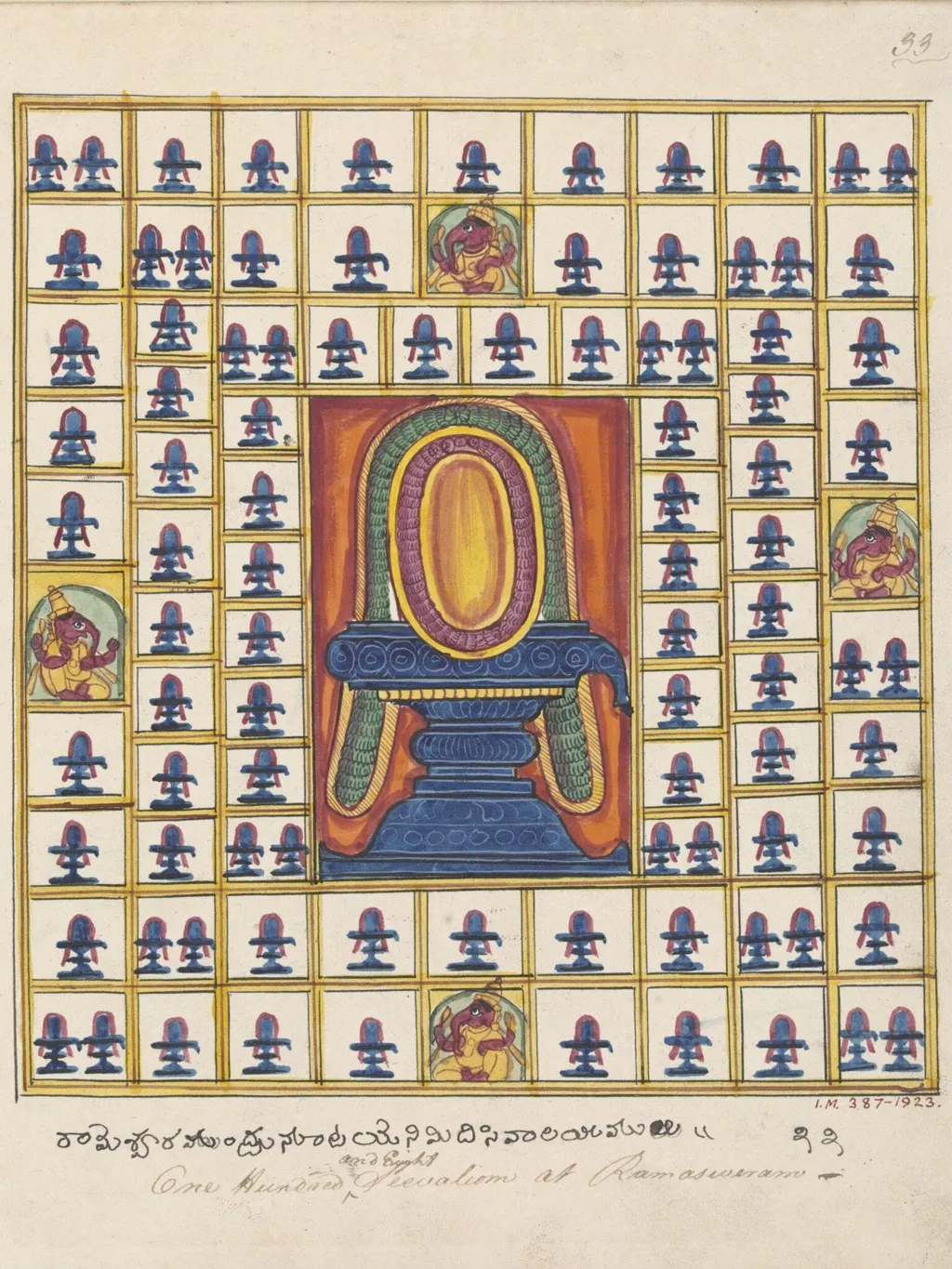
Plan of a court in the great temple at Rameshwaram. is a paint painting by the Romanticist artist Unknown. It dates from 1820 and is held in the collection of the Victoria and Albert Museum. The work is a painted schematic of the courtyard within the principal temple at Rameshwaram.
About this work
Overview
The work is a painted schematic of the courtyard within the principal temple at Rameshwaram. It presents a bird’s‑eye arrangement of the space, highlighting a central lingam surrounded by a series of smaller shrines and flanked by deities at the cardinal points. The composition functions as a visual guide to the temple’s ritual layout.
Subject & Meaning
Encircling it are ninety‑three subsidiary lingams, each placed within its own square compartment, suggesting a hierarchical arrangement of worship sites.
At the heart of the plan lies a prominent lingam, depicted with ornamental garlands and set upon a raised platform, signifying its sacred status. Encircling it are ninety‑three subsidiary lingams, each placed within its own square compartment, suggesting a hierarchical arrangement of worship sites. Figures of Ganesha occupy the north, south, east, and west, underscoring their role as guardians of the temple’s entrances.
Technique & Style
Executed in a flat, diagrammatic manner, the painting employs a grid of vivid squares to convey spatial relationships. Color differentiates the central shrine from peripheral elements, while simplified, almost cartoonish figures convey deities without elaborate detail. The use of a top‑down perspective and schematic symbols reflects a functional, instructional purpose rather than decorative intent.
Context
Such architectural plans were traditionally used by priests and temple administrators to coordinate festivals, processions, and daily rites. By mapping the positions of the main lingam, subsidiary shrines, and protective deities, the image provides insight into the ritual organization of a major South Indian pilgrimage site during the period in which it was created.
Artist & collection









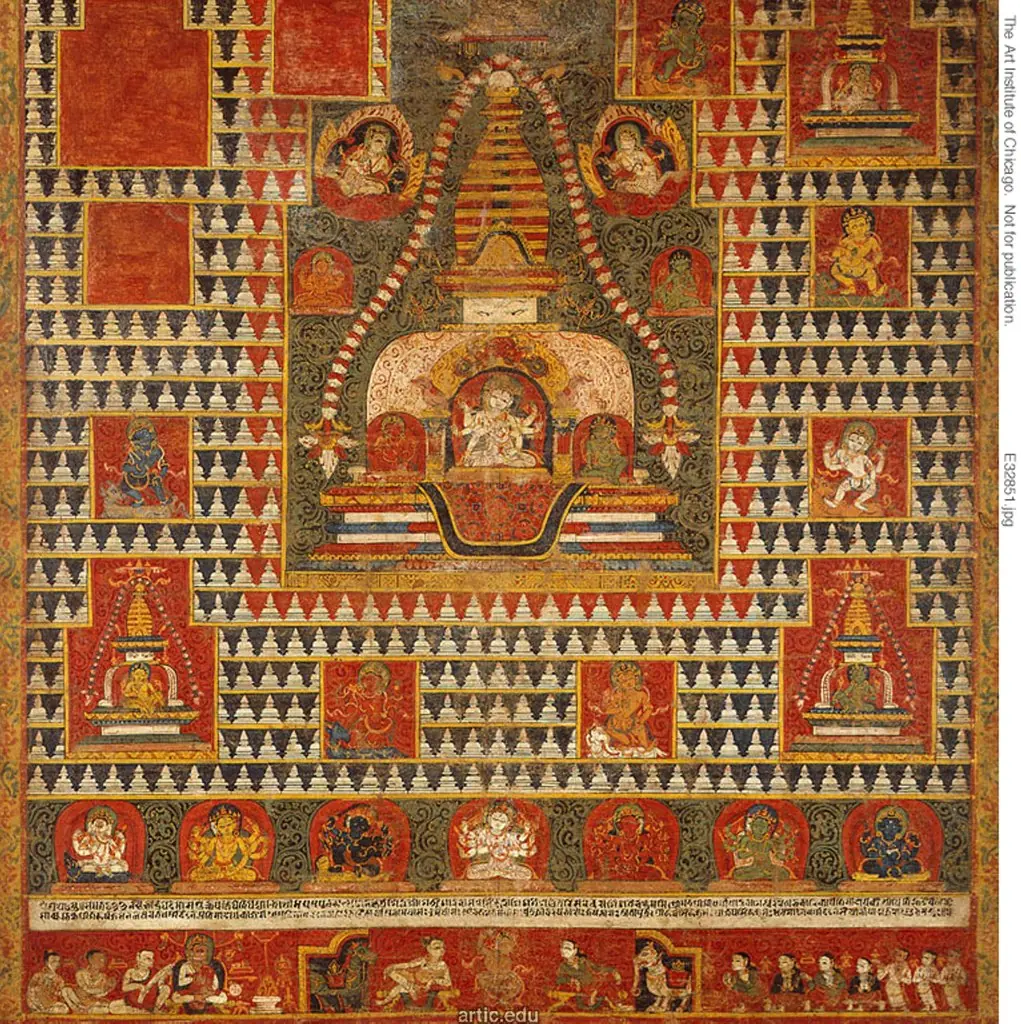
- Painted Banner (paubha) of Goddess Ushnishavijaya Within a Funerary Mound (chaitya) and Surrounded by Chaityas
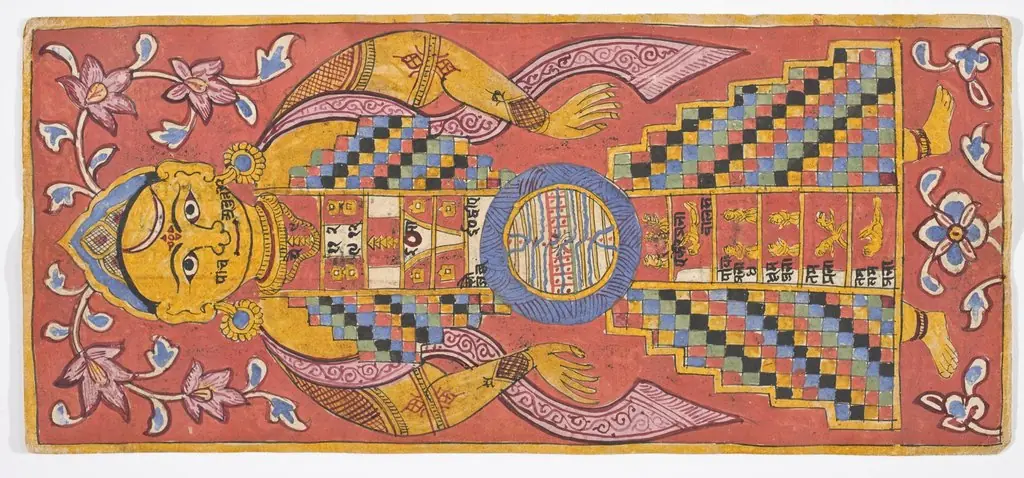 Tantric Manuscript "Sangrahani Sutra"
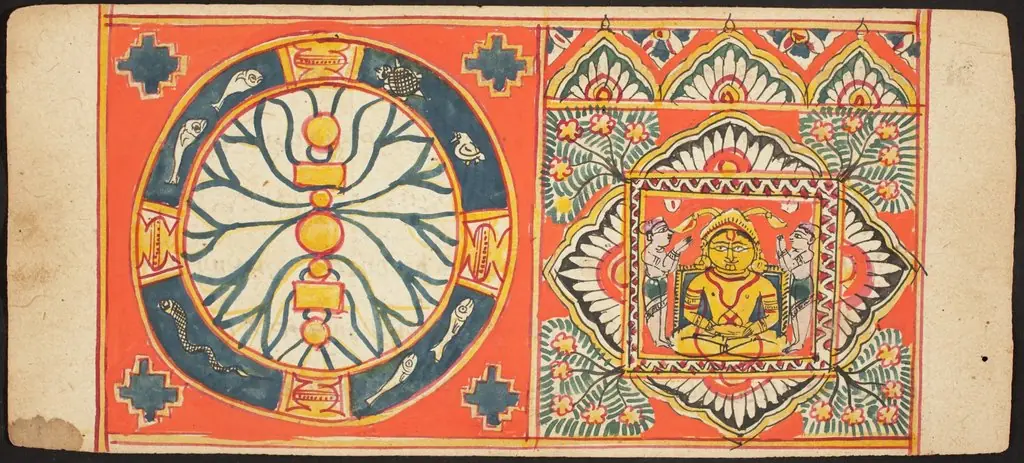 Tantric Manuscript "Sangrahani Sutra"
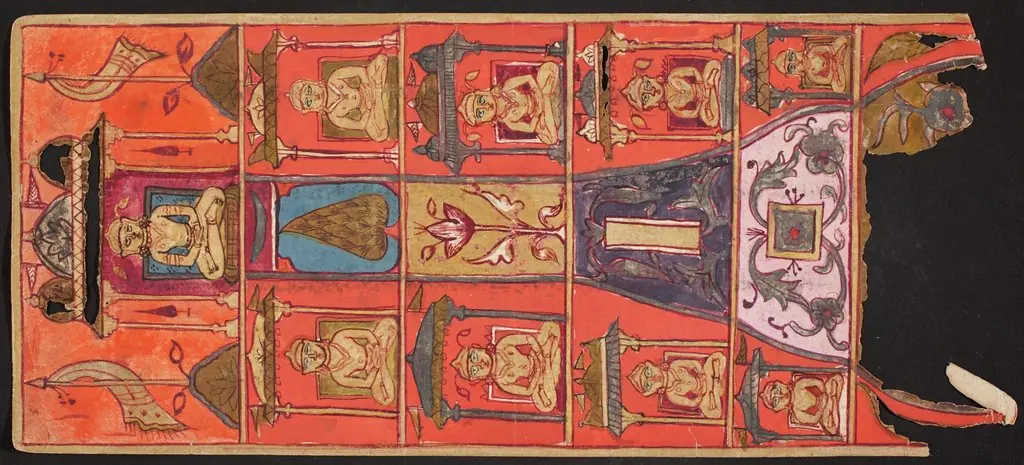 Tantric Manuscript, "Sangrahani Sutra"
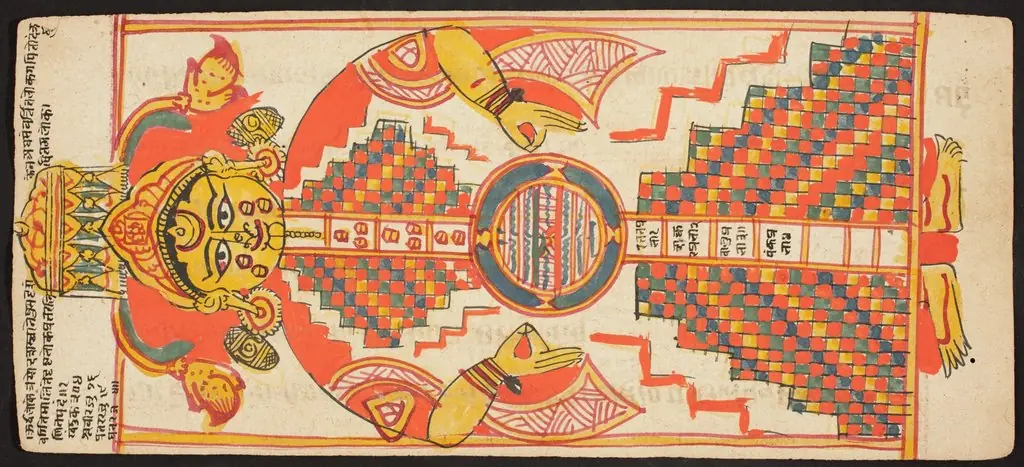 Tantric Manuscript "Sangrahani Sutra"
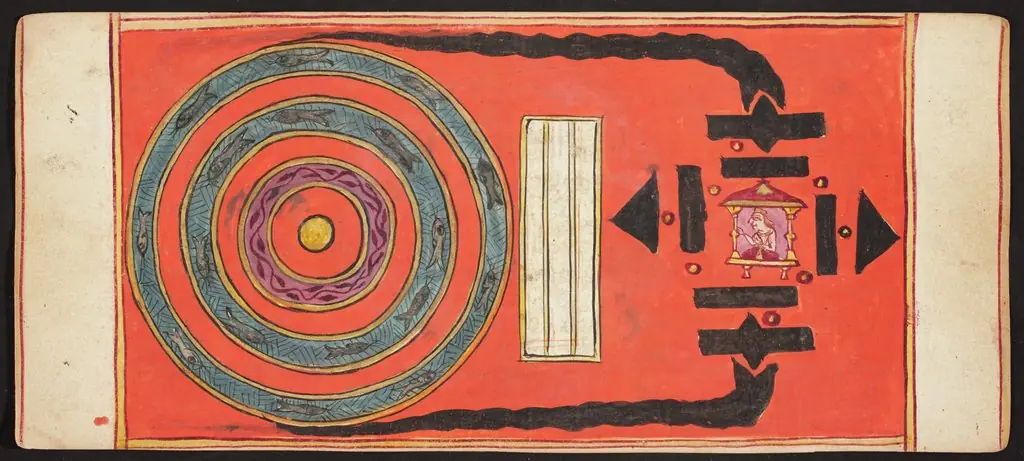 Tantric Manuscript, "Sangrahani Sutra"
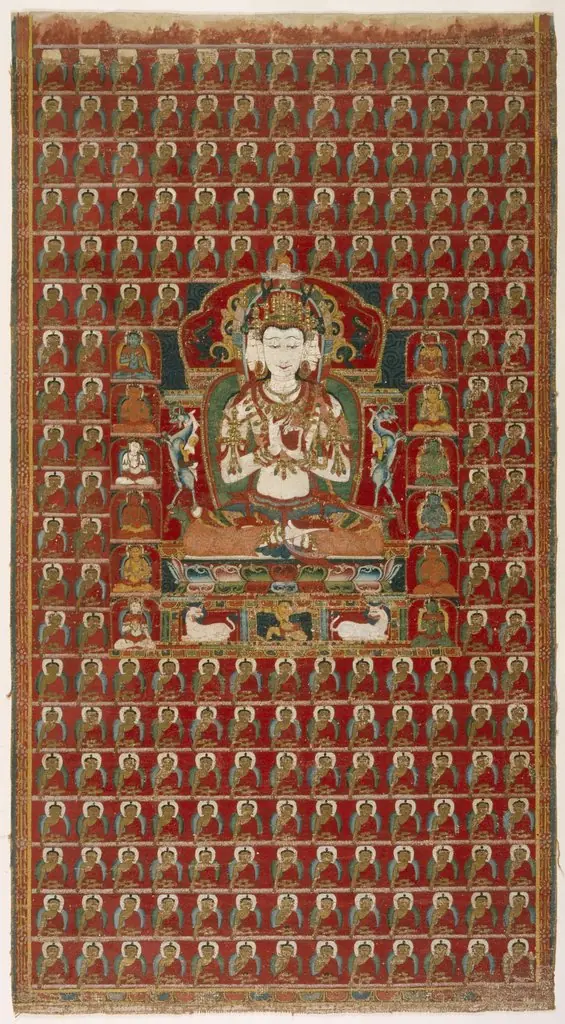 Sarvavid Vairochana, From a Set of the Five Jina Buddhas, based on Complete Purification of All Evil Rebirths (Sarva Durgati Parishodana Tantra)
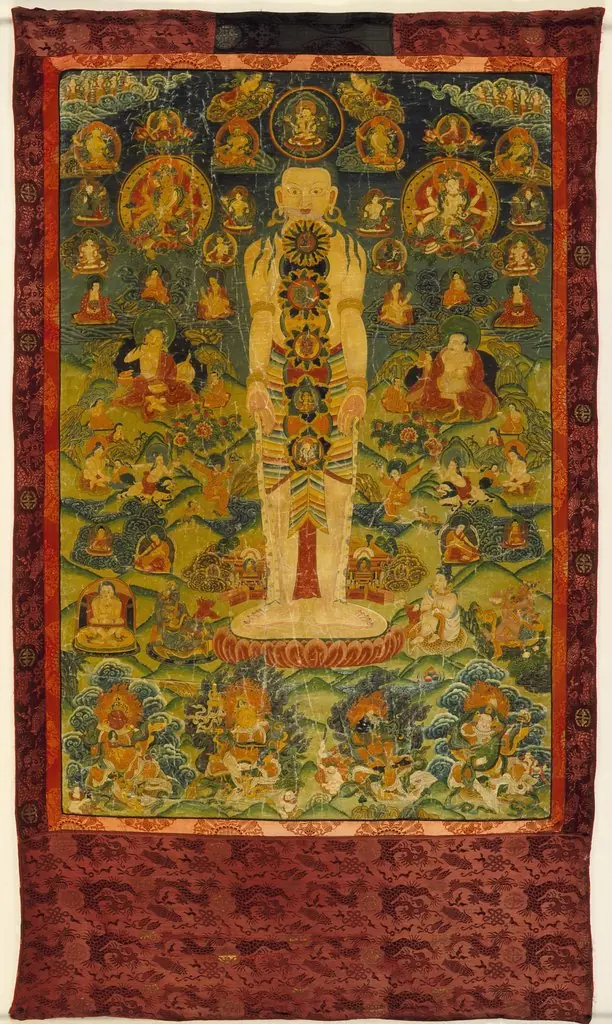 Cosmic Man with Diagrams of Newar Yogic Six Chakra Transformation
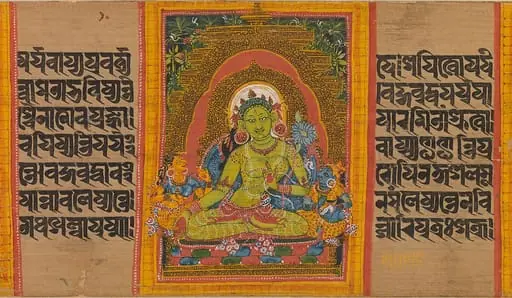 Untitled
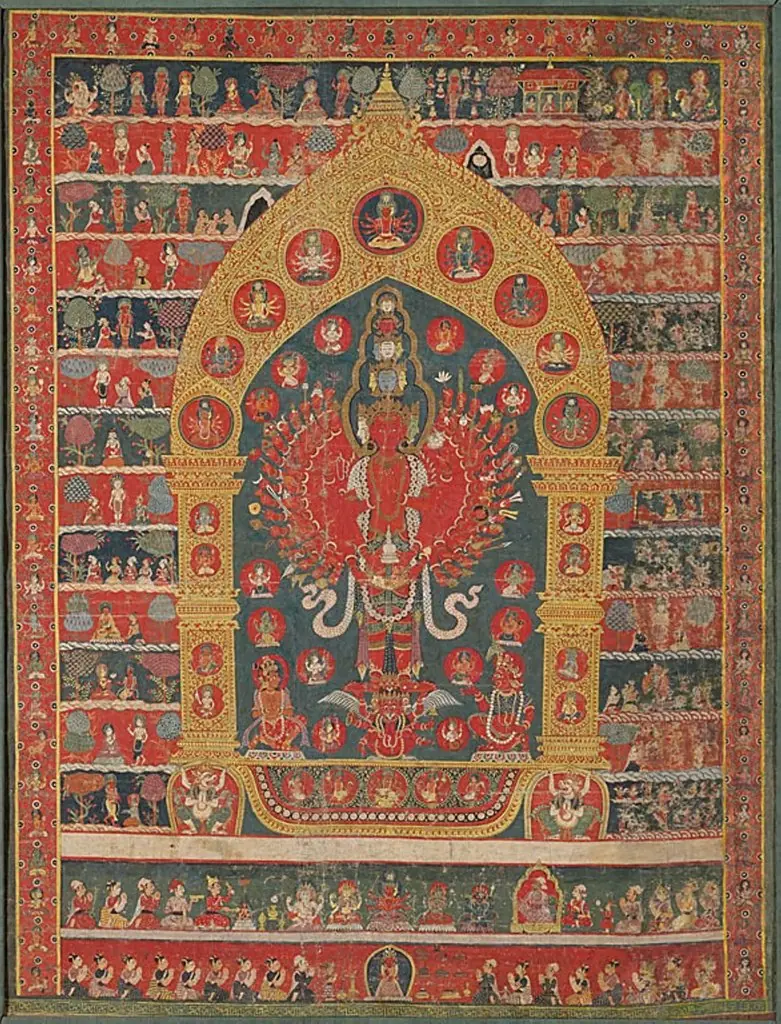 Painted Banner (Thangka) of the Avalokiteshvara Incarnation of the Rain God Rato Matsyendranatha
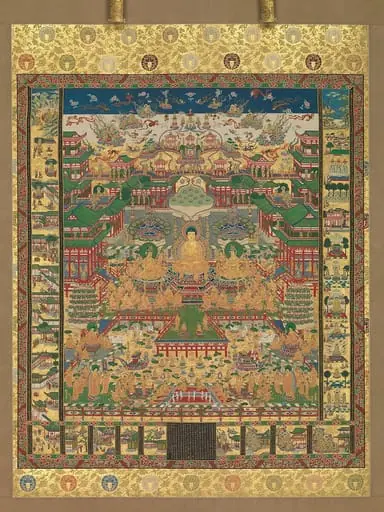 当麻曼荼羅|Taima Mandala
 Mandala of the Buddhist Deity Chakrasamvara