Artwork
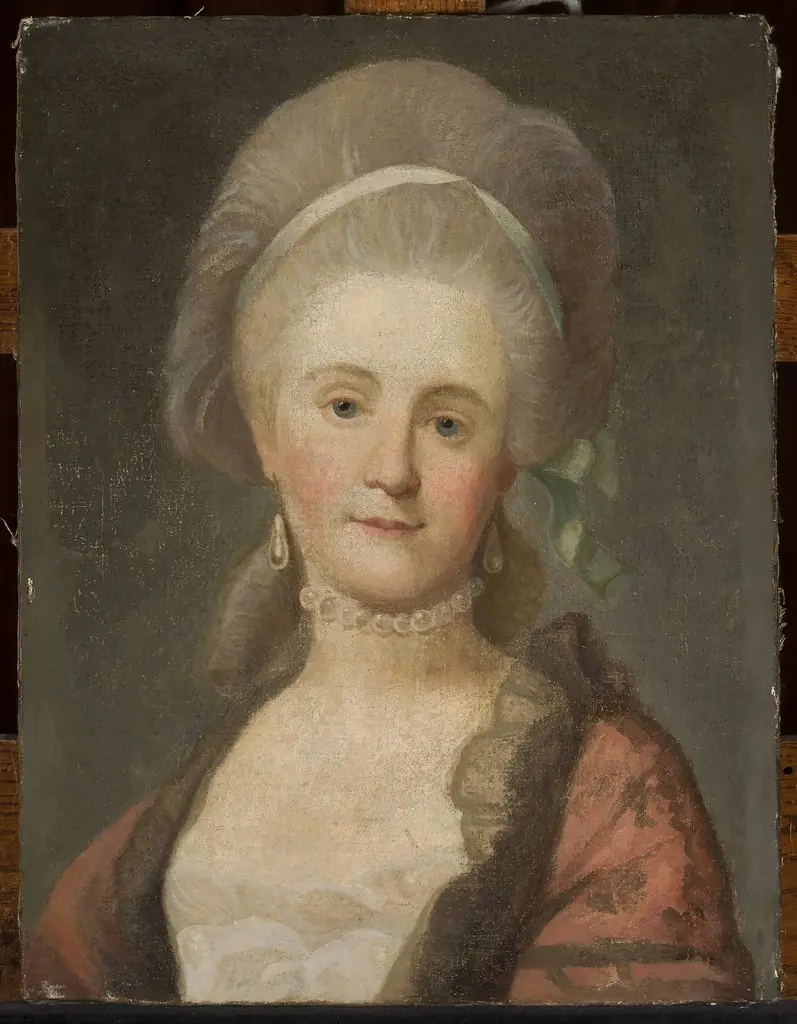
Portrait of a lady in a white dress
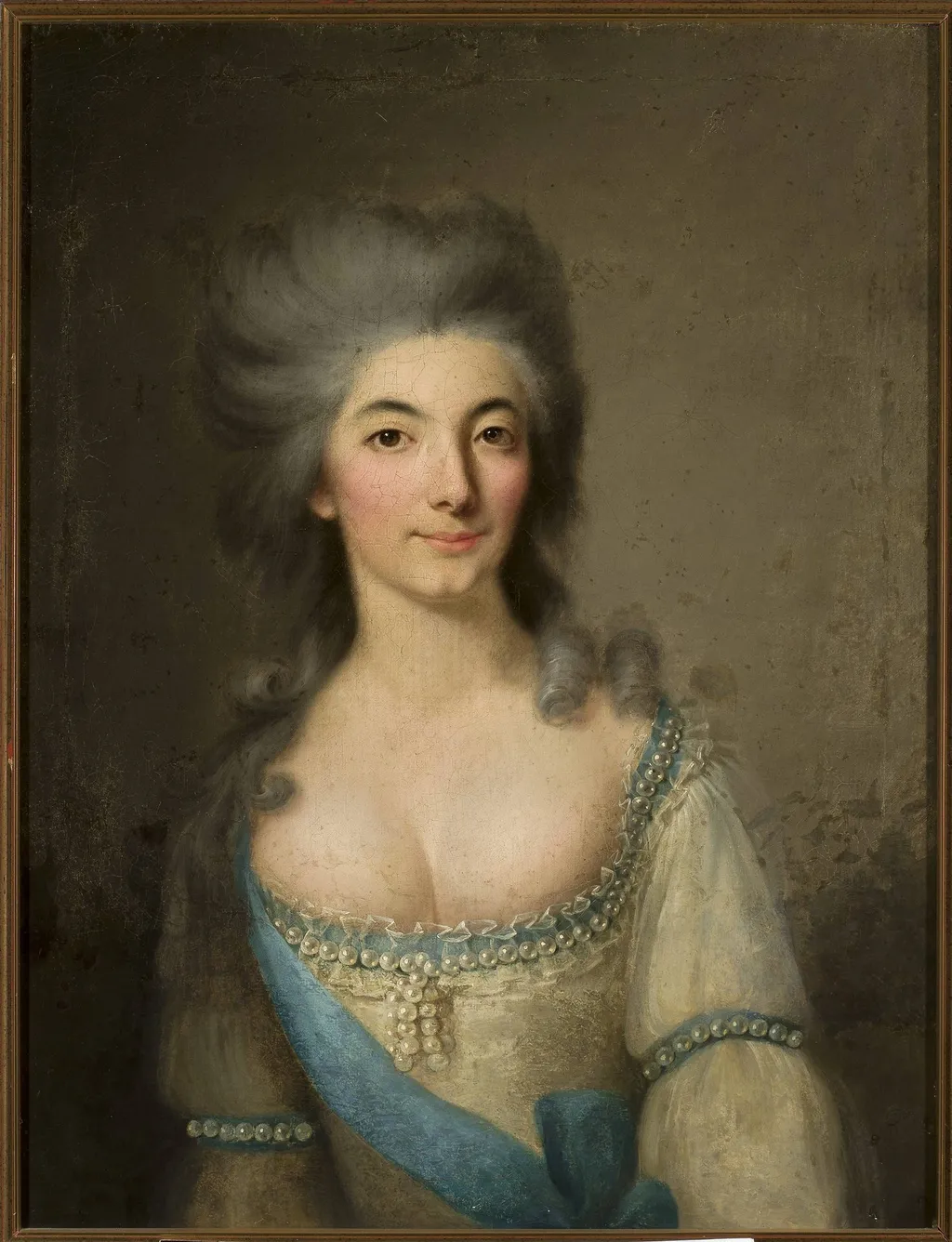
Portrait of a lady in a white dress is an oil painting by the Rococo painting artist Unknown. It dates from 1770 and is held in the collection of the National Museum in Warsaw. This oil painting depicts a woman in a white dress, rendered with attention to textile detail and subtle color contrasts.
About this work
Overview
Her attire, characterized by puffed sleeves and blue trim, is rendered with precision, while a string of pearls and beaded cuffs add refined accents.
This oil painting depicts a woman in a white dress, rendered with attention to textile detail and subtle color contrasts. The background is dark and unadorned, directing focus entirely to the figure. Her attire, characterized by puffed sleeves and blue trim, is rendered with precision, while a string of pearls and beaded cuffs add refined accents. The composition emphasizes stillness and elegance without narrative distraction.
Subject & Meaning
The subject is a woman of likely upper-class status, identified through her elaborate dress and jewelry. The white gown suggests purity or formality, possibly worn for a significant occasion. Pearls and beaded cuffs signify wealth and attention to fashion detail, but no symbolic or narrative context is evident beyond personal adornment and social presentation.
Technique & Style
The artist employs careful modeling of light to define the form of the dress and the contours of the face. The dark background enhances the luminosity of the white fabric and the cool blue accents. Surface textures of silk, pearls, and beads are suggested through subtle brushwork rather than overt detail, reflecting a restrained, observational approach.
History & Provenance
The painting’s origin and early ownership are undocumented in available records. It lacks a signature or dated inscription, making attribution and chronology uncertain. Its preservation suggests it was valued as a personal or familial portrait, though no public exhibition history or collector lineage is established.
Context
The style aligns with late 18th- or early 19th-century portraiture in Europe, where aristocratic sitters were depicted in fashionable attire against neutral backgrounds. The emphasis on fabric and jewelry reflects contemporary interest in material culture and social identity, though the work avoids theatricality or allegory common in academic portraiture of the period.
Legacy
The painting contributes to a broader tradition of intimate, non-allegorical portraiture that prioritizes personal presence over grand narrative. Its quiet composition and focus on textile detail reflect a shift toward realism in private commissions, influencing later artists who favored understated elegance over ornate symbolism.
Artist & collection









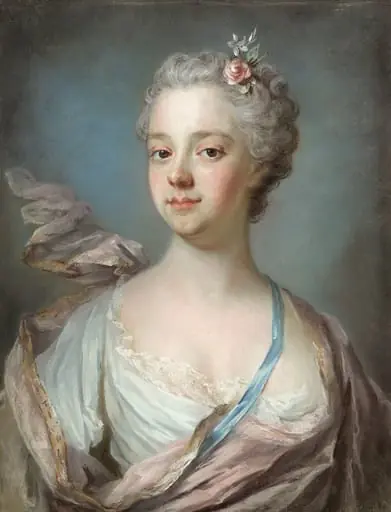
- Kreivitär Ulrika Eleonora von Fersen
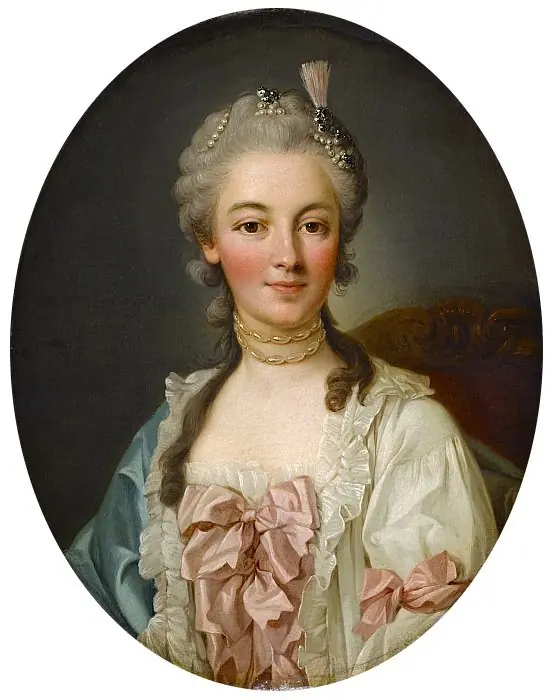 Countess Teresa Kinska Poniatowska
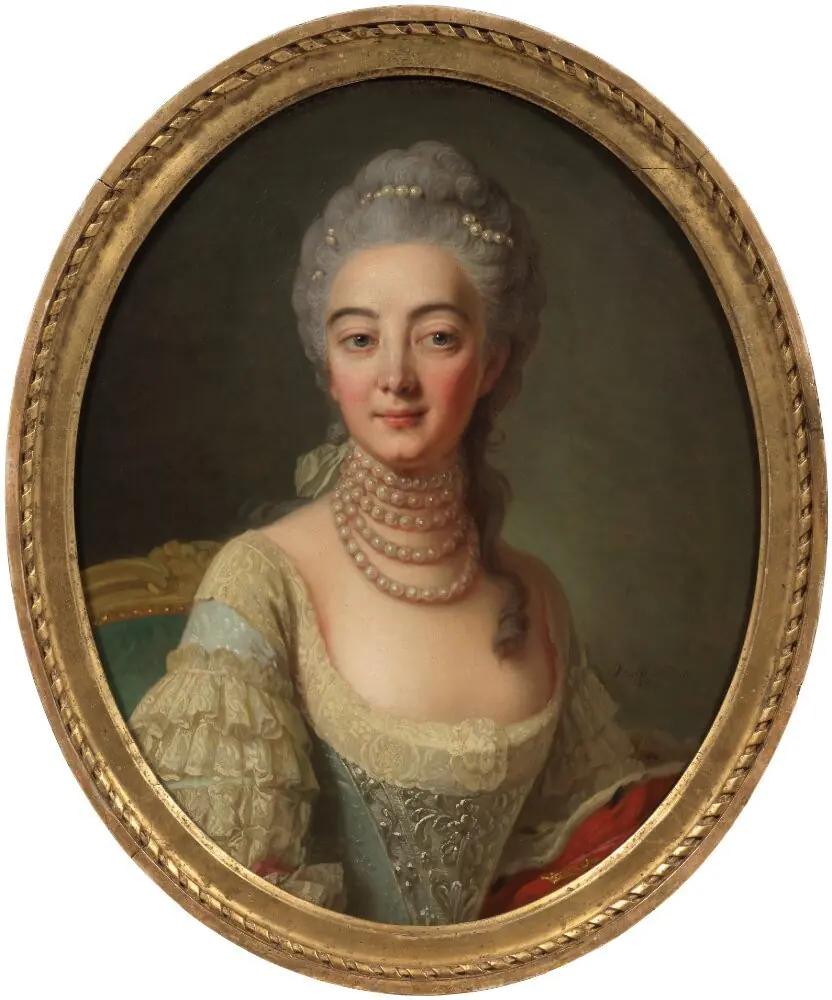 Elisabeth Frederike Sophie (1732–1780), Duchess of Württemberg
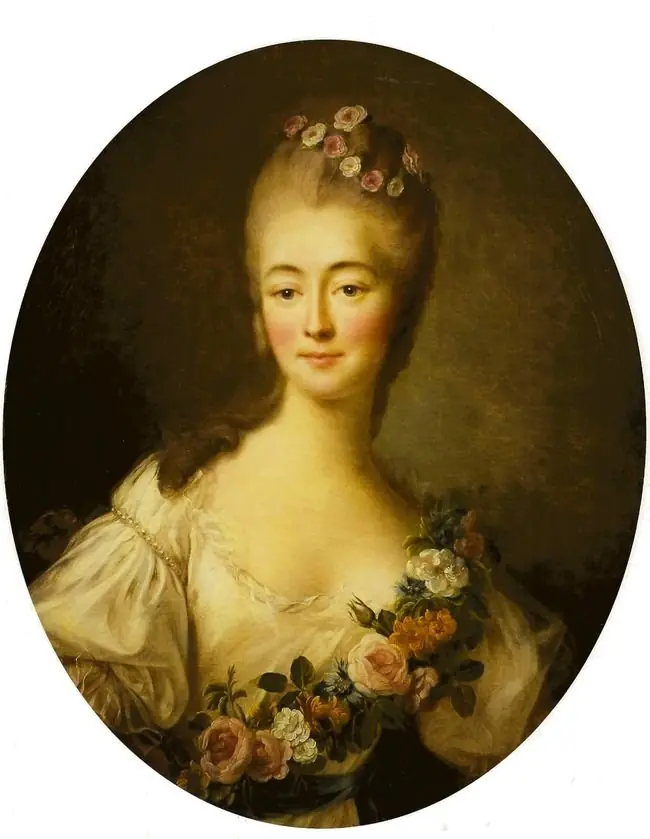 Portrait of the Countess Du Barry as Flora
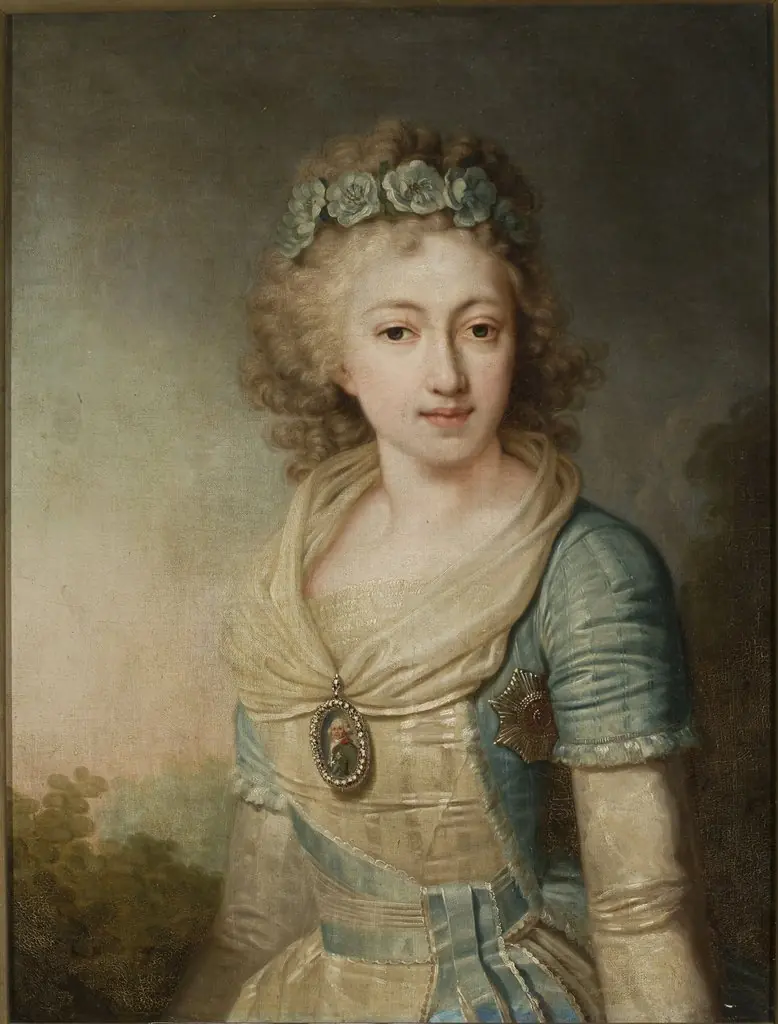 Portrait of Paul I’s daughter – Helena
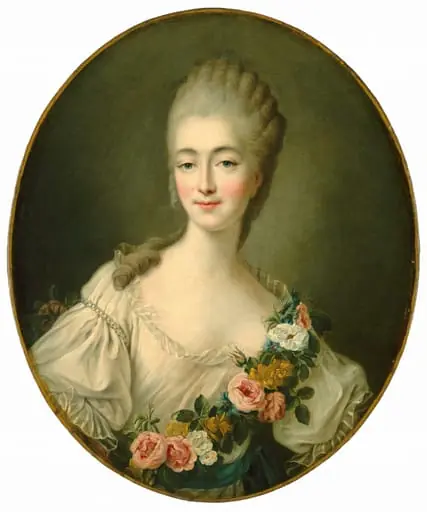 Jeanne Bécu, Comtesse du Barry
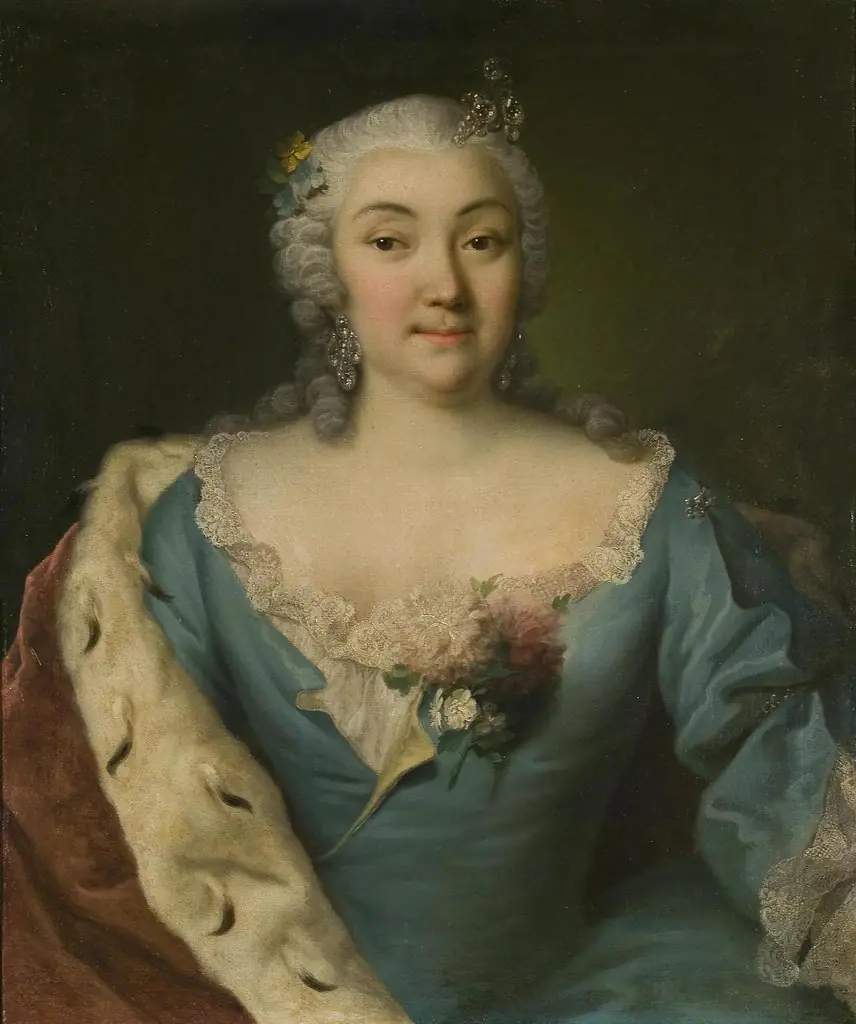 Portrait of A.I. Kurakina
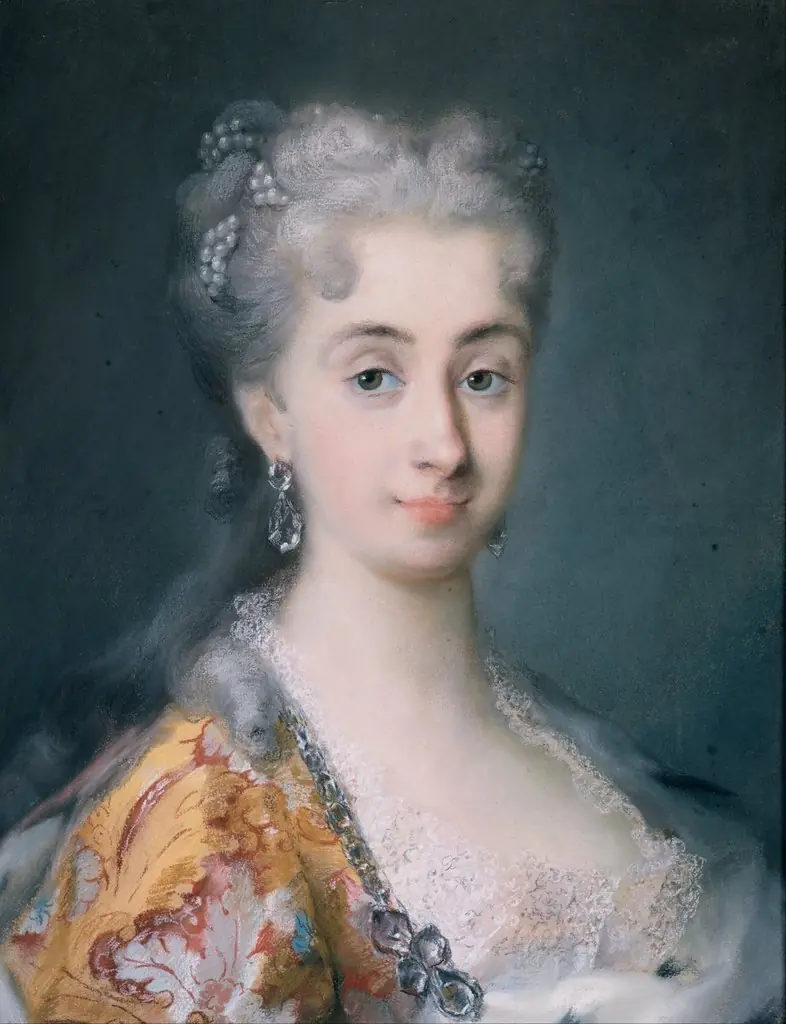 Lucrezia Mocenigo
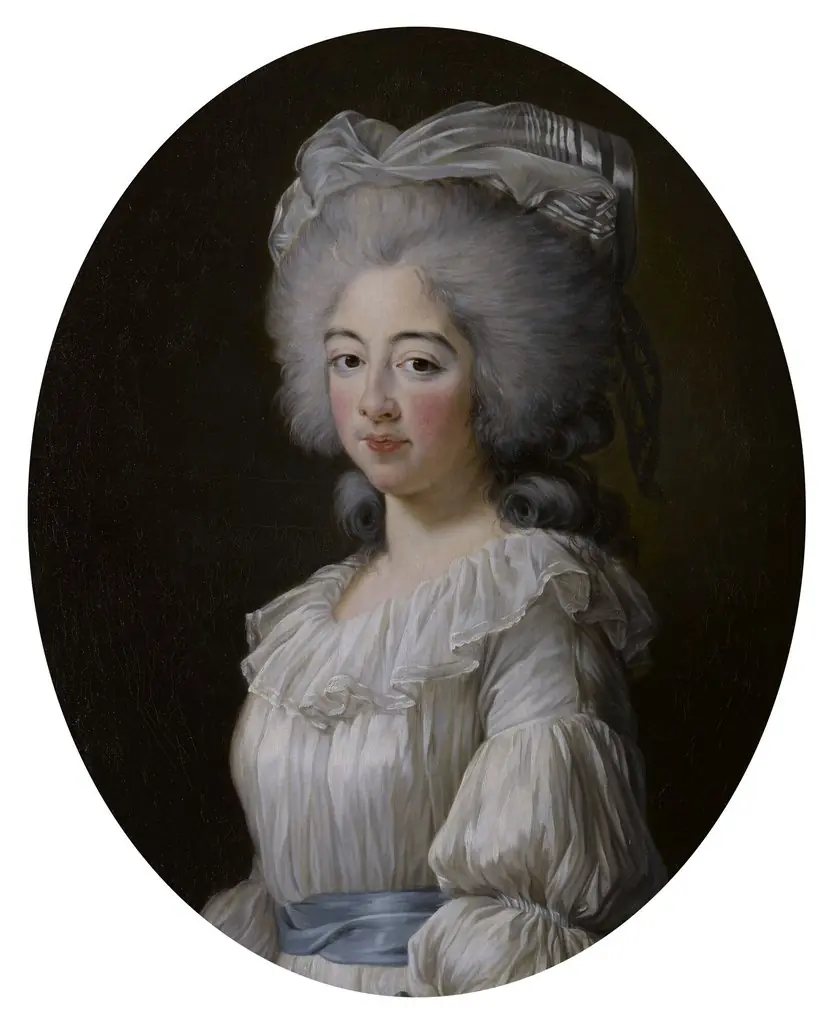 Portrait of Marie Joséphine of Savoy (1753-1810), Countess of Provence
 Portret de femeie
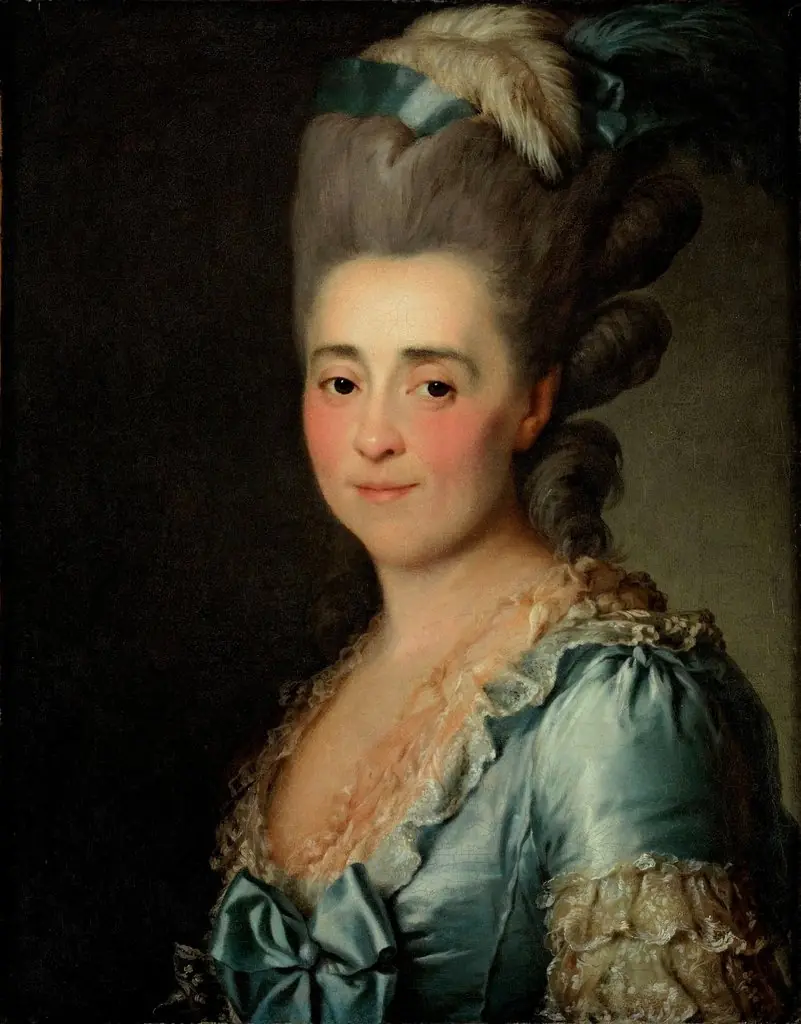 Portrait of Natalia Saltikova (1742-1782)
 Portrait of Anna Szaniawska née Scypion (?–1795)