Artwork
Portrait of a Man
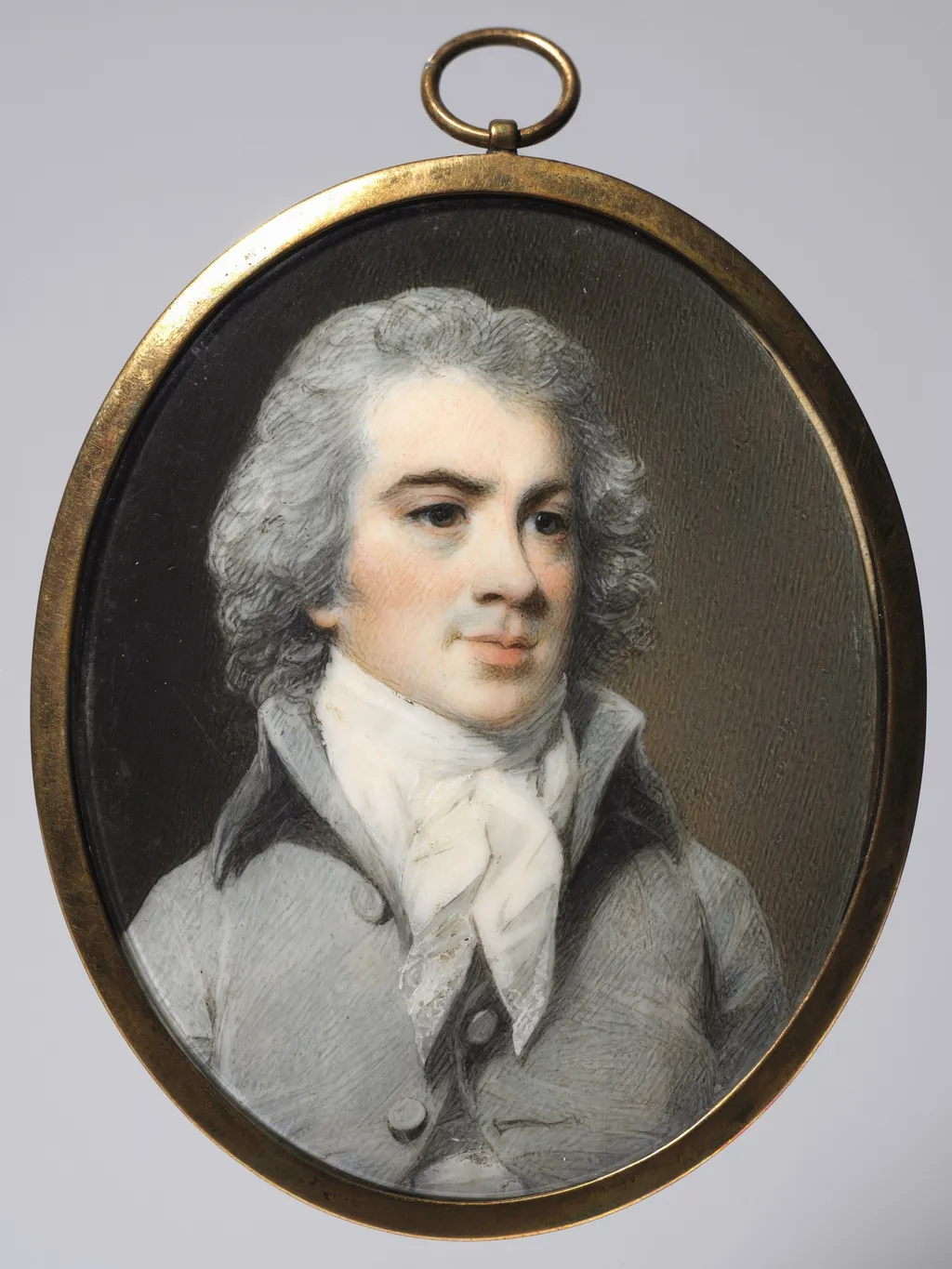
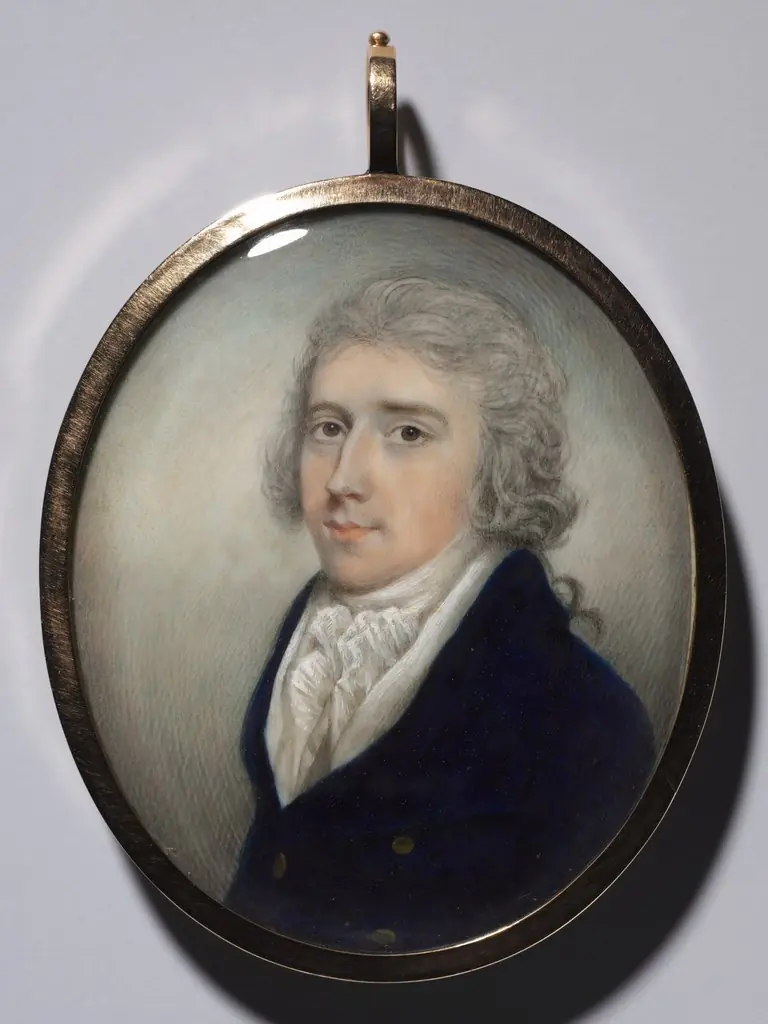
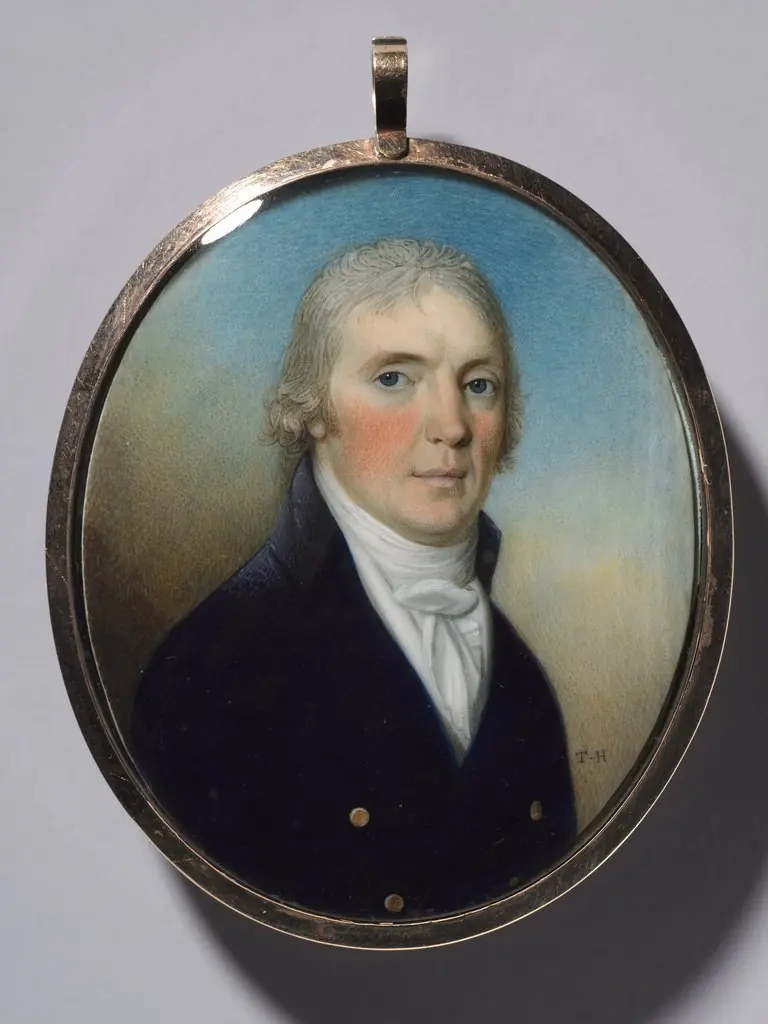
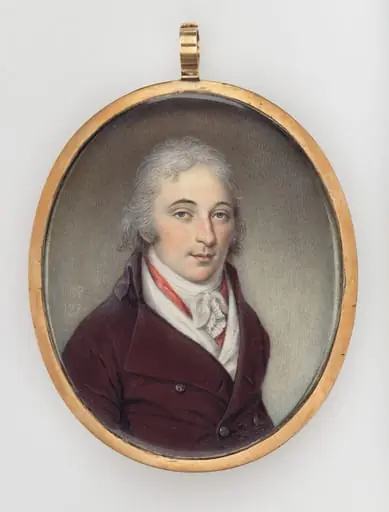
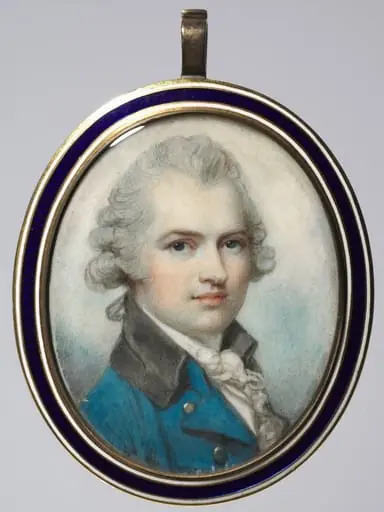
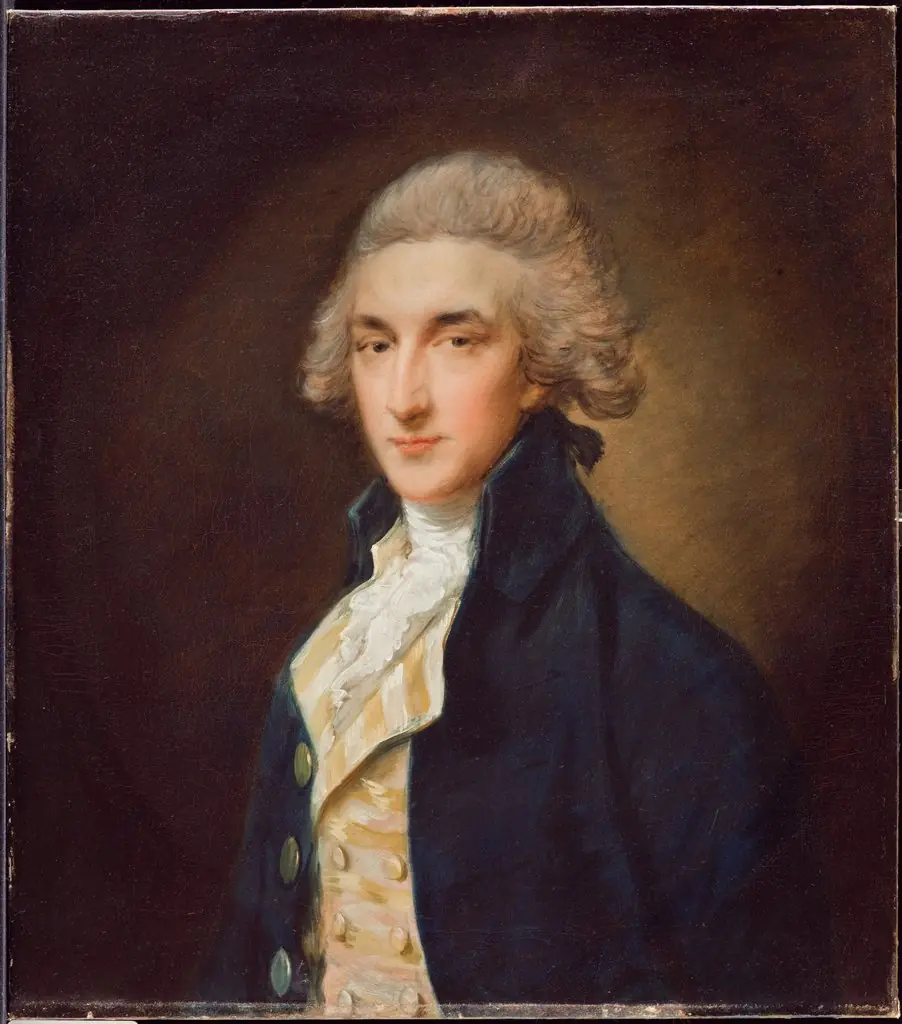
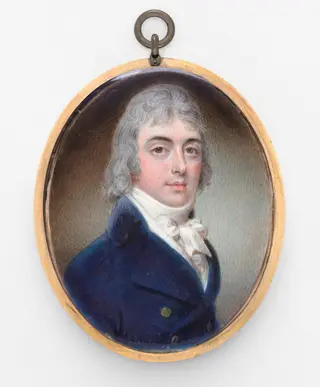
Portrait of a Man is an unspecified painting. It dates from 1798 and is held in the collection of the Cleveland Museum of Art. This oval painting depicts an unidentified man against a somber, textured backdrop.
About this work
Subject & Meaning
The painting titled Portrait of a Man is classified as a portrait, indicating that it represents a specific individual rather than a generic scene.
The painting titled Portrait of a Man is classified as a portrait, indicating that it represents a specific individual rather than a generic scene. confirms the genre as portrait and the date 1795.
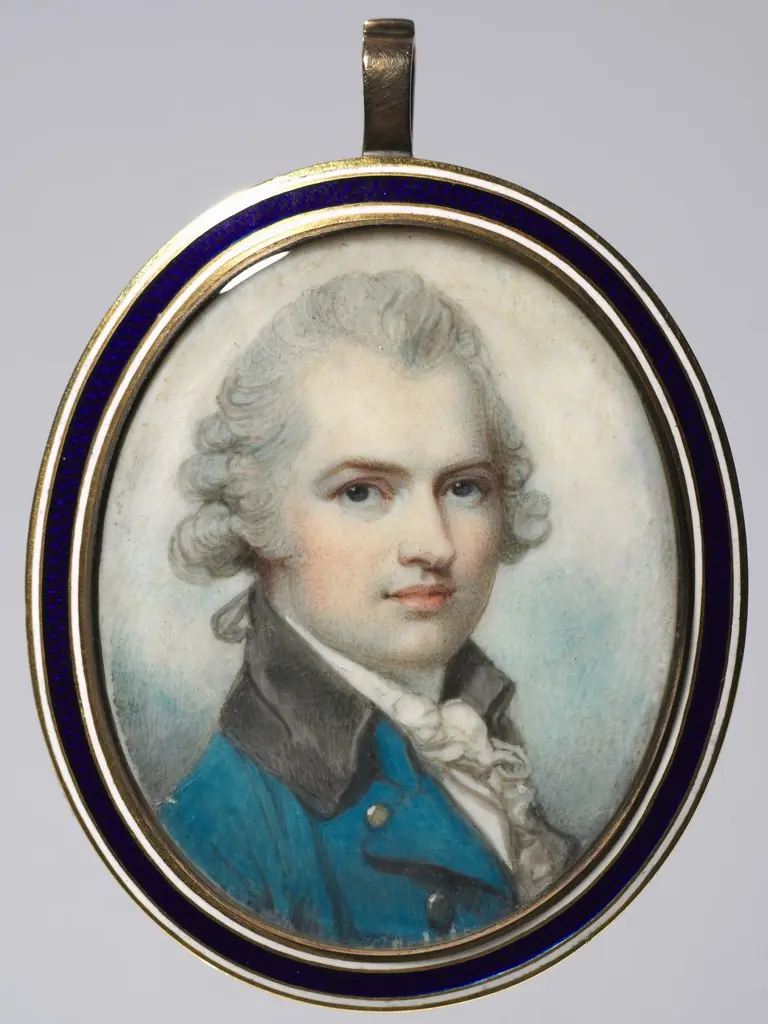
According to, the work is a portrait miniature executed by George Engleheart, a British miniaturist active in the late 18th century, and it is held by the Cleveland Museum of Art. The miniature format suggests a focus on detailed facial representation, typical of elite sitters of the period.
No additional symbolic attributes or narrative elements are documented in the sources; the meaning is therefore tied to the conventional function of a formal portrait in late‑Georgian Britain, emphasizing likeness and status.
History & Provenance
Portrait of a Man is a 1795 portrait miniature painting held in the collection of the Cleveland Museum of Art, where it is recorded under accession number 1943.640. The work is classified as a painting and falls within the museum's miniature genre holdings. Its creation is attributed to George Engleheart, a British artist active from 1752 to 1829, as noted in the institution's catalog.
The piece has remained in the museum's custody since its acquisition and has not been listed in publicly documented exhibition schedules within the available sources.
Overview
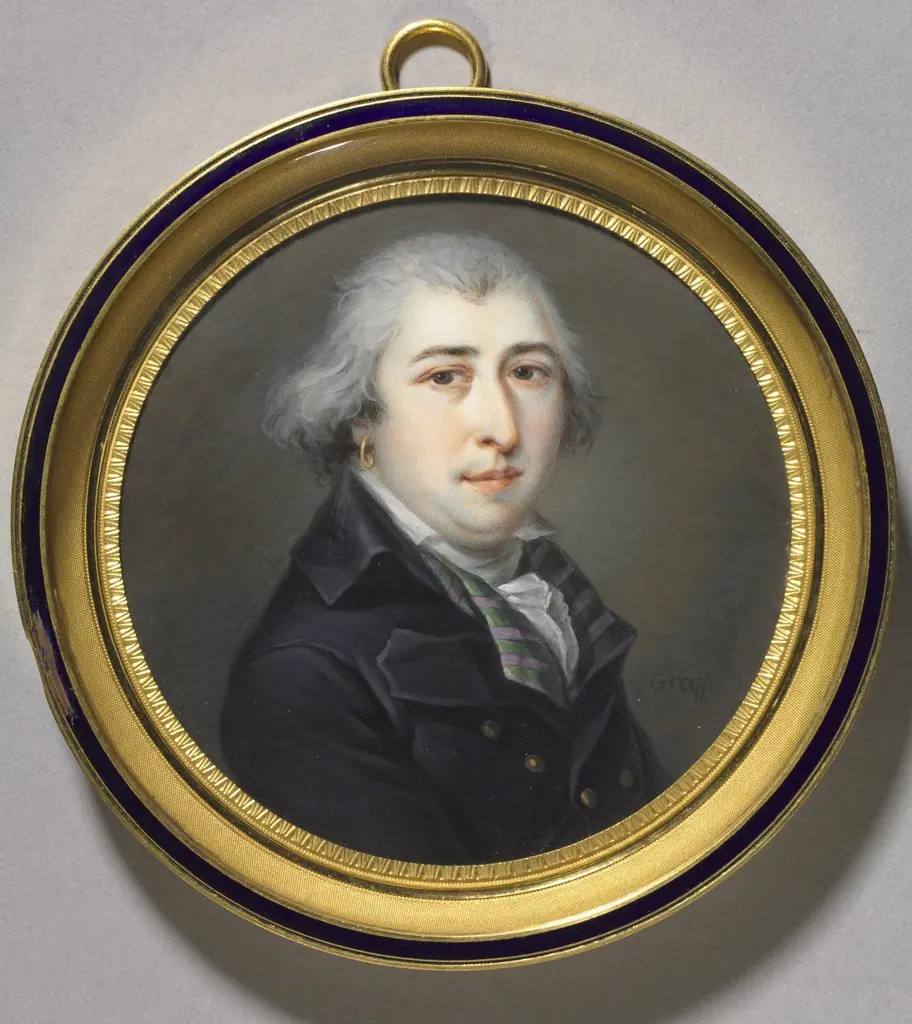
This oval painting depicts an unidentified man against a somber, textured backdrop. He is shown with curly gray hair, a white cravat, and a gray coat featuring a high collar. His face, rendered with a pale complexion, conveys a serious demeanor.
The artwork possesses an aged quality, with a subtle fading evident towards its perimeter, contributing to its historical character.
Technique & Style
The artist employed soft, blended brushstrokes to create a smooth surface, particularly in the rendering of the man's features. A notable characteristic is the dramatic contrast between the subject's illuminated face and the deep, dark background. This technique effectively draws the viewer's attention to the sitter, emphasizing his presence within the composition. The limited color palette further contributes to the painting's subdued and focused aesthetic.
Artist & collection