Artwork
Matthew Baillie (1761–1823), F.R.S., after Hoppner
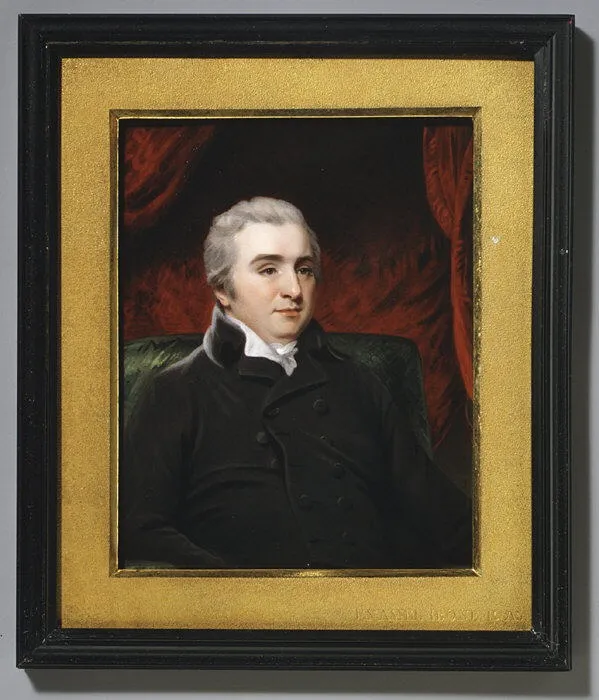
Matthew Baillie (1761–1823), F.R.S., after Hoppner is an unspecified painting by the Aestheticist artist Henry Bone. It dates from 1817 and is held in the collection of the Metropolitan Museum of Art. This work is a vitreous enamel portrait of Matthew Baillie, a prominent physician and Fellow of the Royal Society.
About this work
Subject & Meaning
The work functions as a visual record of scientific prestige in early‑19th‑century Britain, celebrating the intersection of medicine and societal influence.
The portrait shows Matthew Baillie, a Scottish physician and Fellow of the Royal Society, rendered in vitreous enamel by Henry Bone in 1817. Baillie is depicted in formal attire, his posture upright and gaze direct, emphasizing his status as a learned gentleman. The work functions as a visual record of scientific prestige in early‑19th‑century Britain, celebrating the intersection of medicine and societal influence.
By positioning Baillie as the central figure, the painting underscores his role as a patron of knowledge and reflects contemporary values of intellectual achievement.
Technique & Style
Executed in vitreous enamel, this portrait of Matthew Baillie is a small-scale cabinet-picture format, measuring 130 mm in height by 103 mm in width. The work is classified as a painting rather than a print, reflecting the painterly handling that the enamel medium permits. Produced in 1817 by Henry Bone after a composition by Hoppner, the piece belongs to the genre of portraiture and depicts a male sitter.
Vitreous enamel as a support and medium demands meticulous, miniaturist technique, with successive fused layers of pigmented glass producing a luminous, highly finished surface suited to refined likenesses of this kind.
History & Provenance
The vitreous enamel portrait of Matthew Baillie (1761–1823), created by Henry Bone after a work by Hoppner, is held in the collection of the Metropolitan Museum of Art. This piece, dated 1817, depicts the physician and anatomist Matthew Baillie and is classified as a portrait. The artwork measures 130 units in height and 103 units in width.
While the source identifies the specific holding institution and the creation date, it does not provide a specific inventory or accession number for the object. Furthermore, the available documentation does not list any past or future exhibition history for this particular enamel portrait within the museum's records.
Overview
This work is a vitreous enamel portrait of Matthew Baillie, a prominent physician and Fellow of the Royal Society. Created in 1817 by English artist Henry Bone, it showcases his mastery of a challenging medium. The painting depicts Baillie with a calm demeanor, rendered with a smooth, luminous surface characteristic of enamel. It is currently held in the collection of The Metropolitan Museum of Art.
Artist & collection

Artist
Henry Bone (6 February 1755 – 17 December 1834) was an English enamel painter. By c. 1800 he had attracted royal patronage for his portrait miniatures This patronage continued throughout the reigns of three monarchs;…

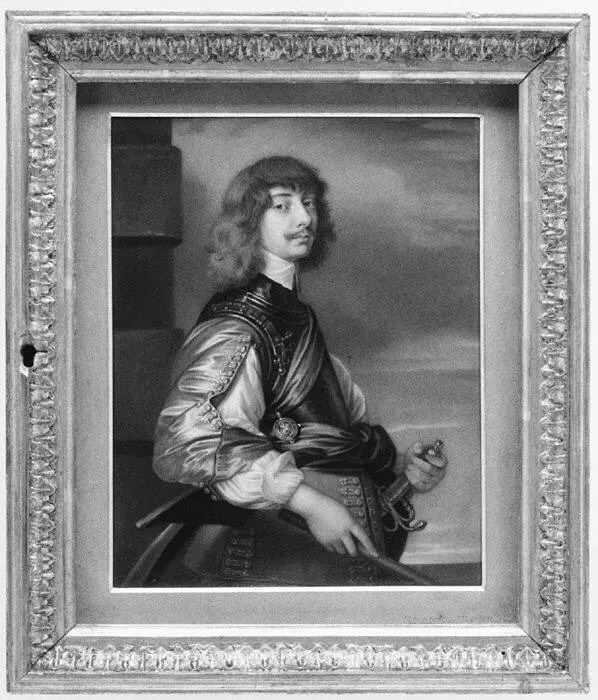
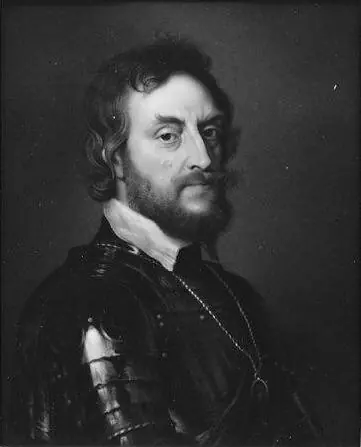
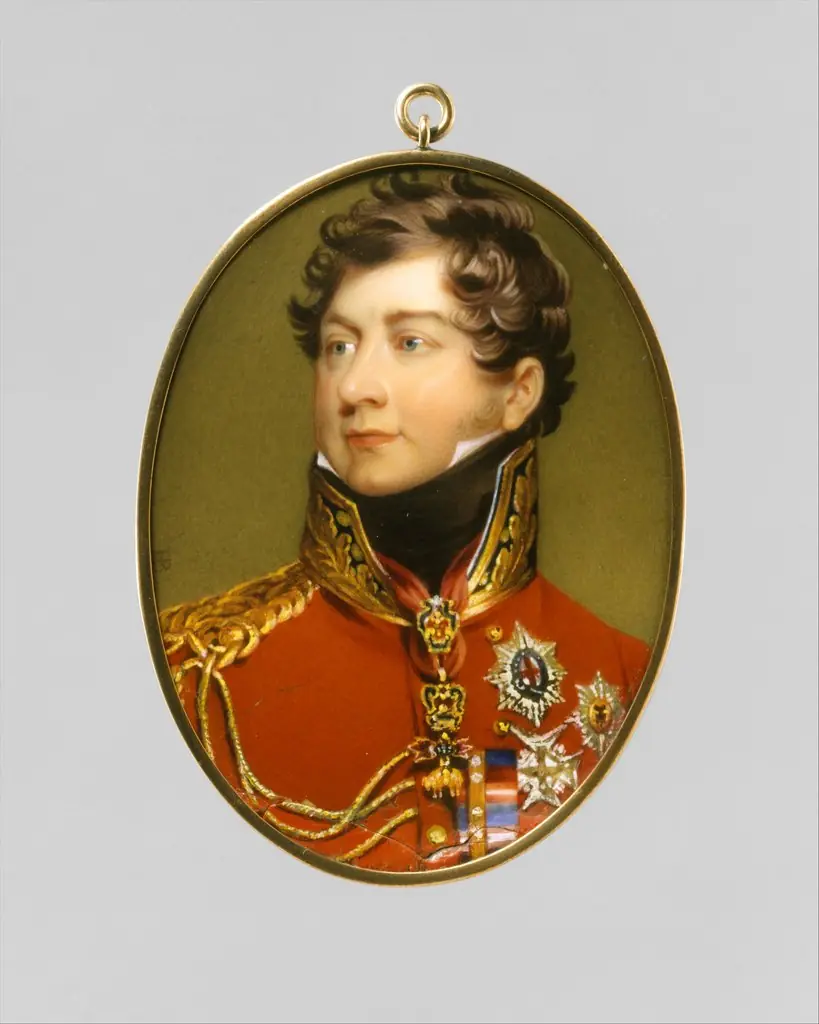
- Portrait of a Man
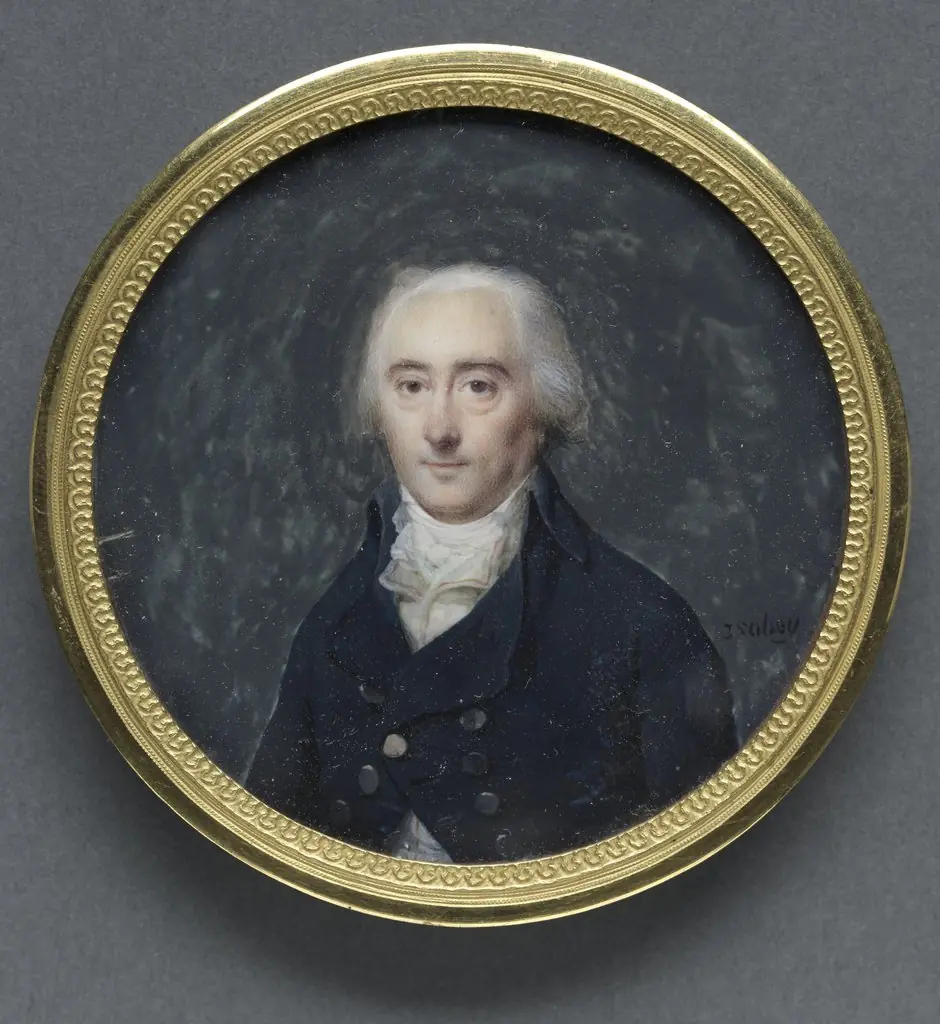 Portrait of a Man
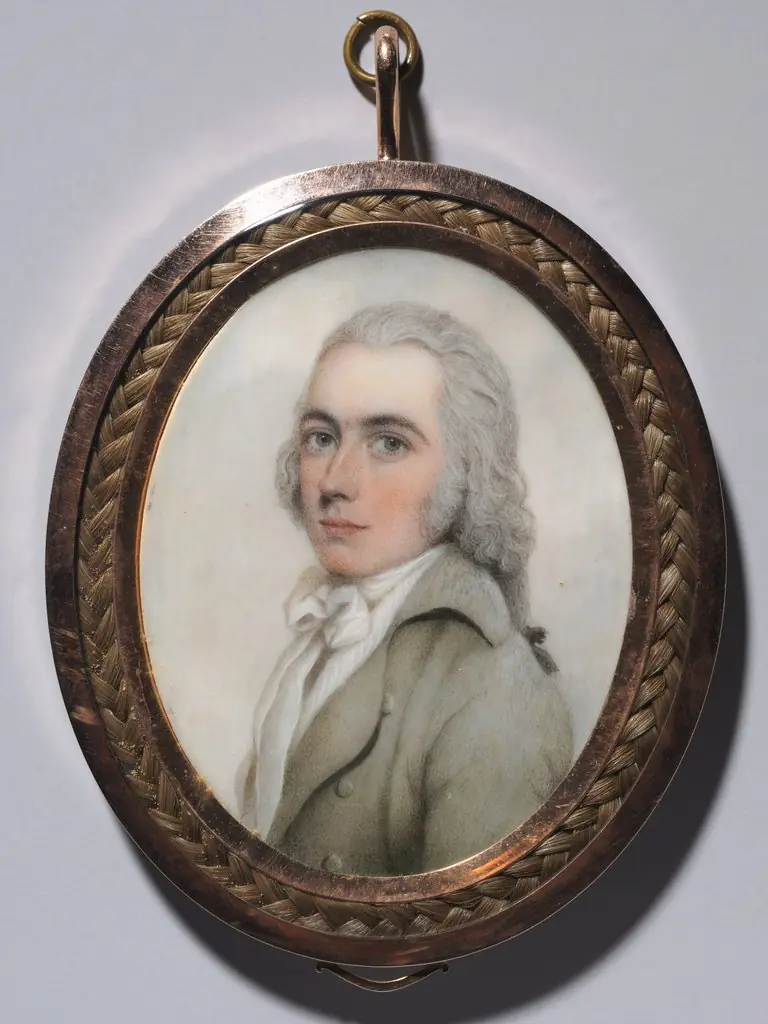 Portrait of a Man
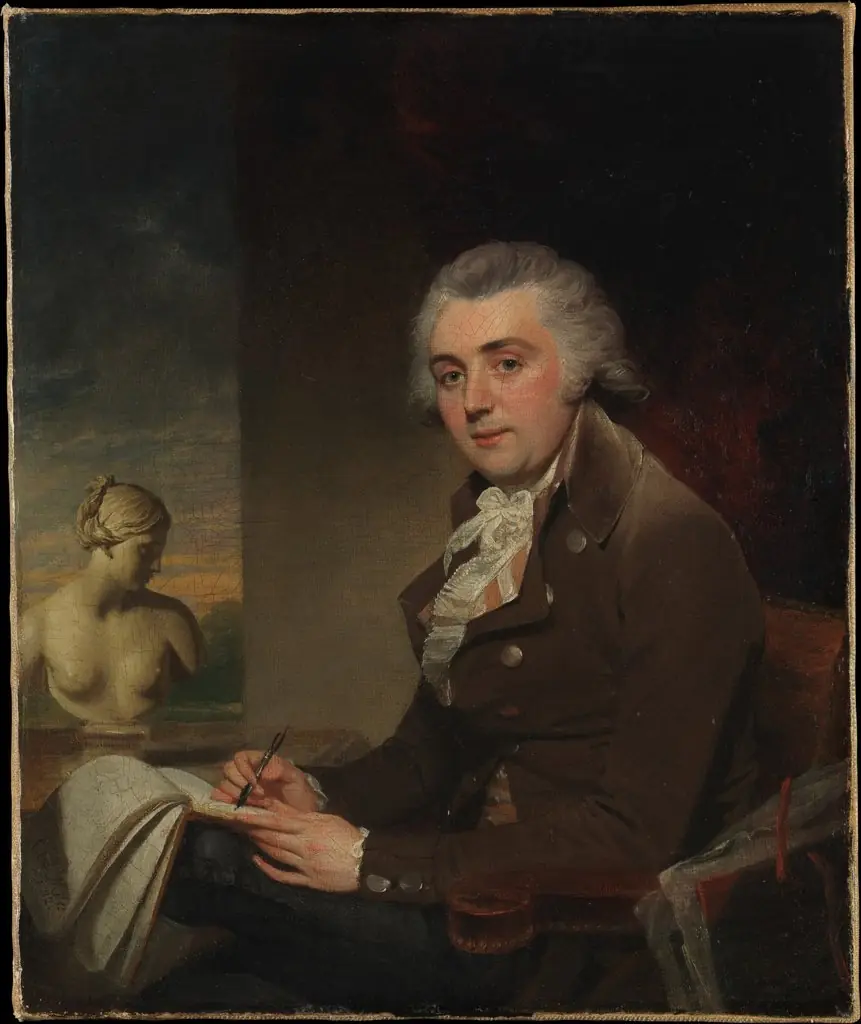 Edward Miles (1752–1828)
 Alexander Baron Seton (1738-1814), jur.dr., godsägare, född i Skottland, verksam i Sverige och Skottland, g.m. 1. Elizabeth Angus, 2. Anne Innes of Cathlow, systerson till och adopterad av George Seton
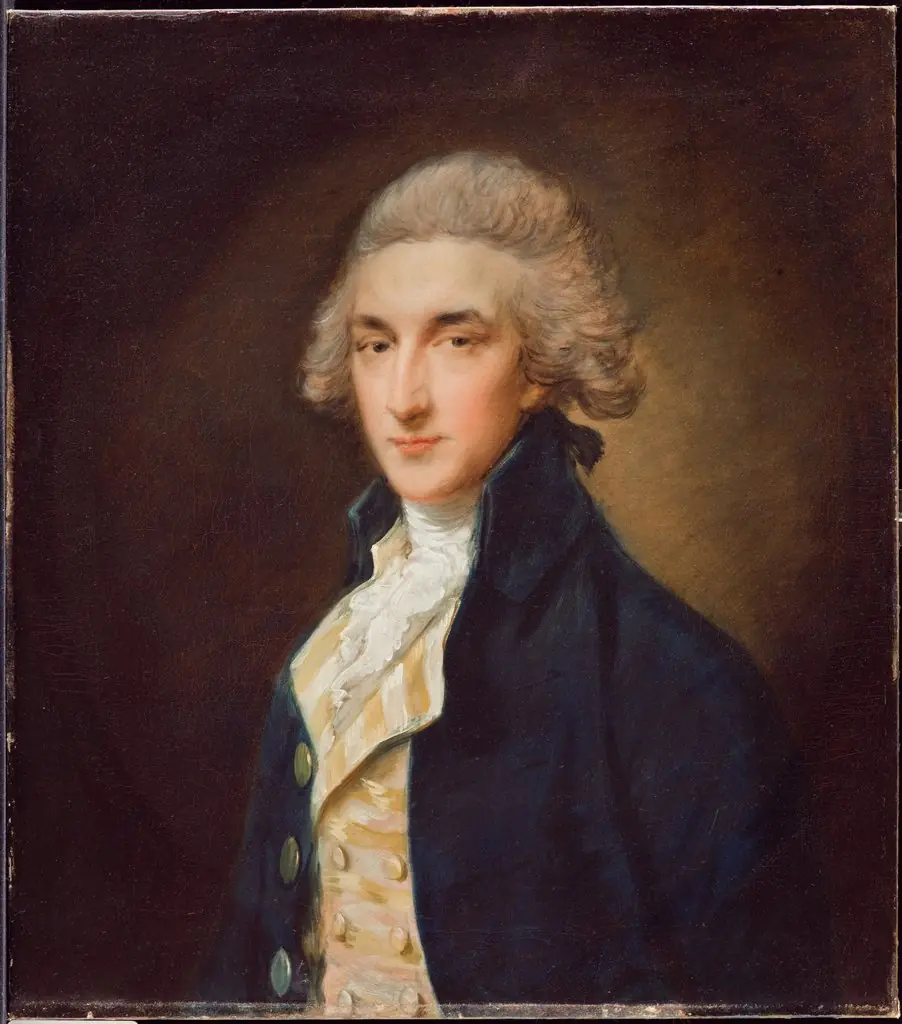 Sir John Edward Swinburne
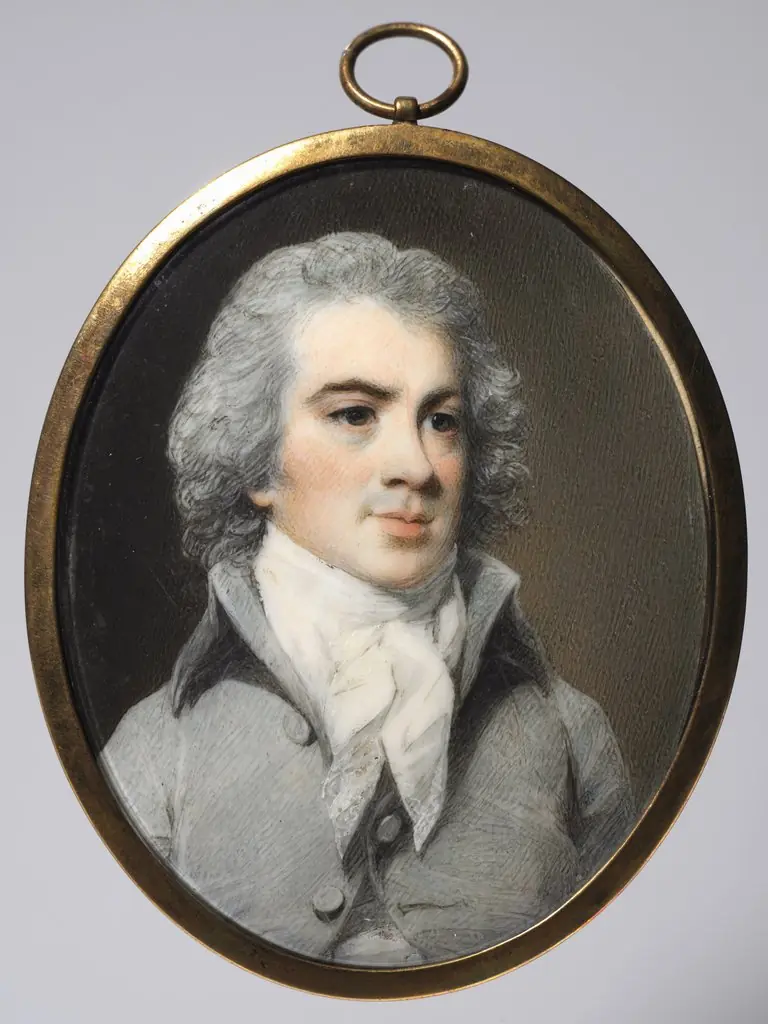 Portrait of a Man
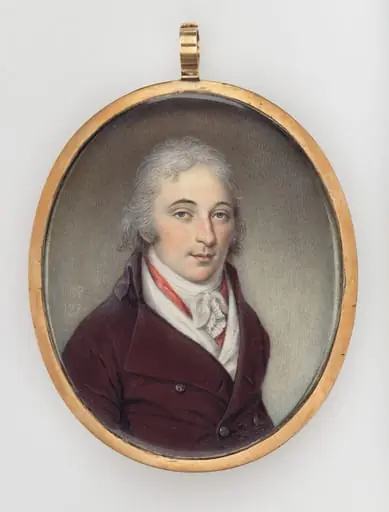 A. T. Kerr, Esquire
 Curtis Clay
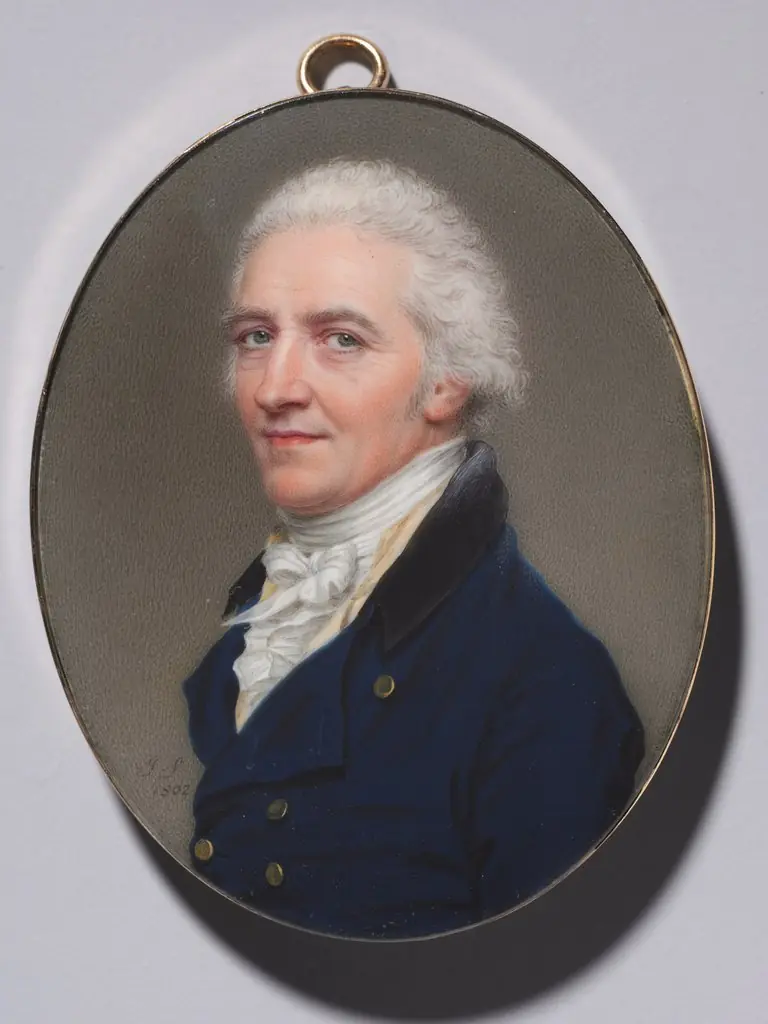 Self-Portrait
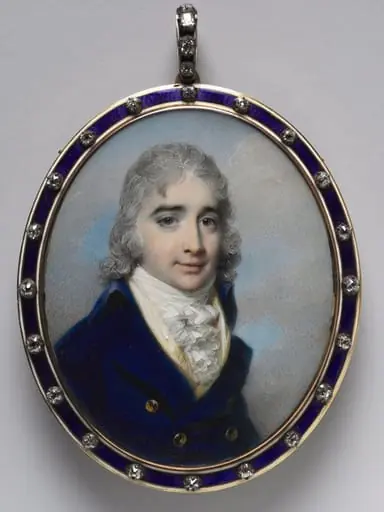 Portrait of a Man
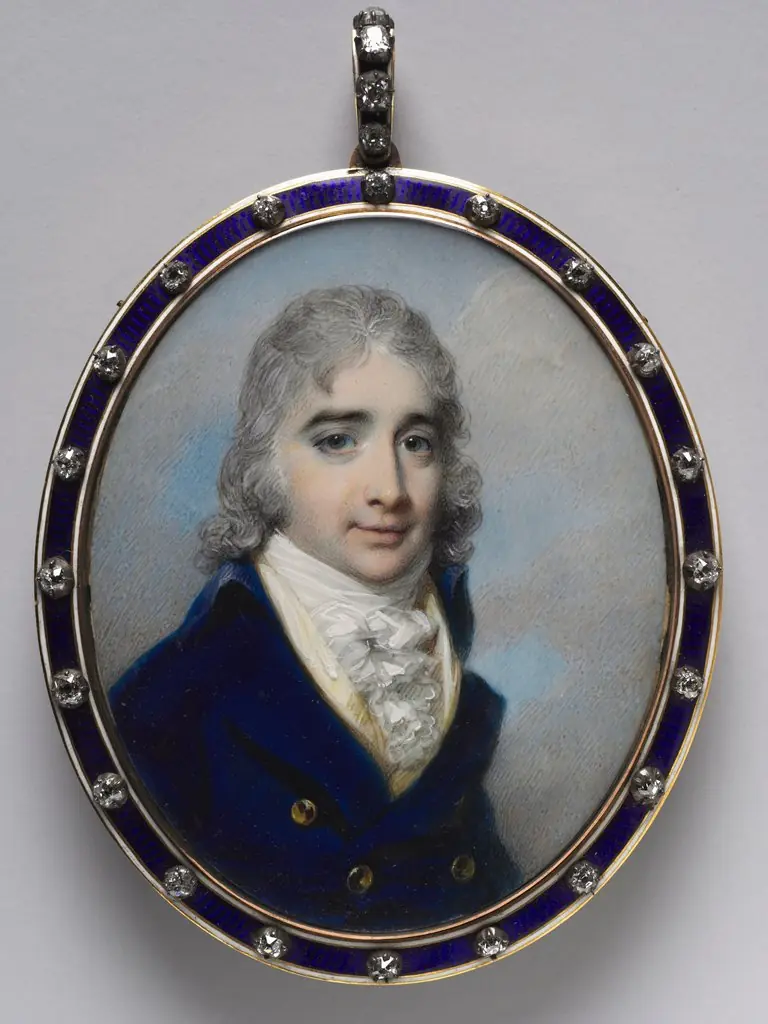 Portrait of a Man