Artwork
Portrait of a Man
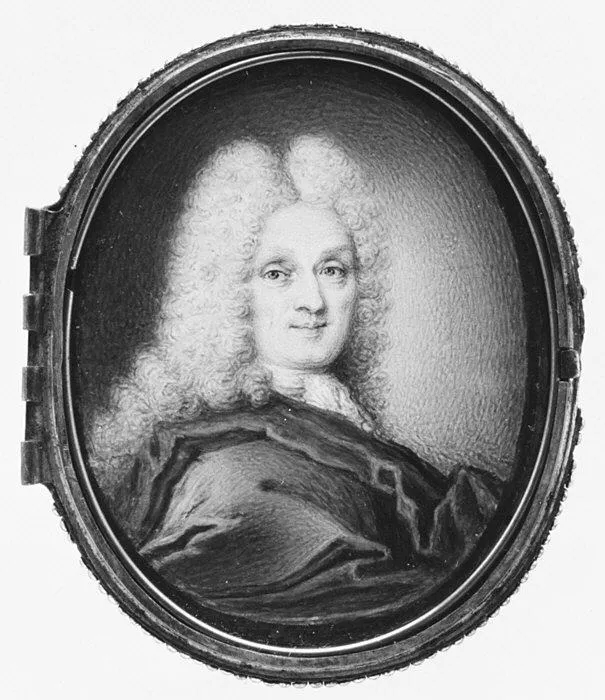
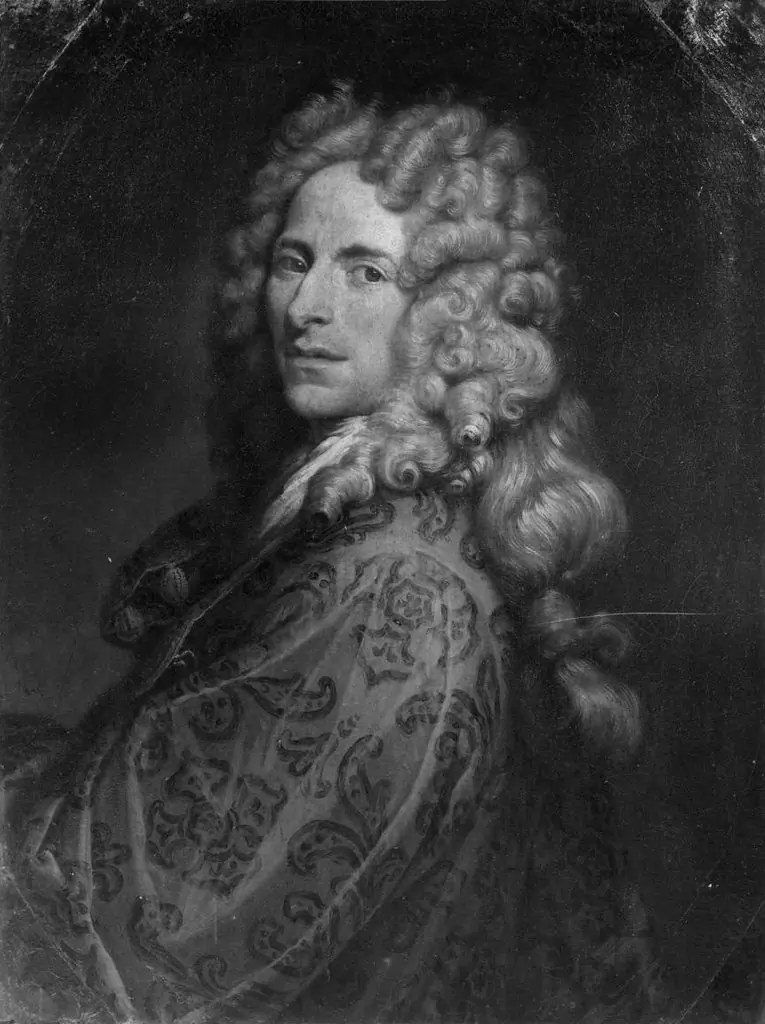
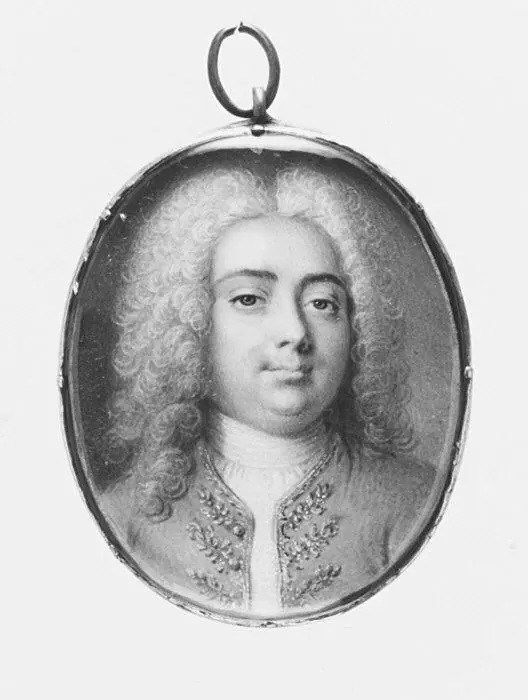
Portrait of a Man is an unspecified painting. It dates from 1700 and is held in the collection of the Metropolitan Museum of Art. This painted portrait depicts an unidentified man, presented against a subtly graded background.
About this work
History & Provenance
Portrait of a Man, dated 1700, is an oil painting depicting a male subject and is classified as a portrait, attributed to an unidentified French painter.
Portrait of a Man, dated 1700, is an oil painting depicting a male subject and is classified as a portrait, attributed to an unidentified French painter. It is held in the collection of the Metropolitan Museum of Art, New York, under accession number 95.14.92, and measures 54 cm in height by 43 cm in width. While the specific circumstances of its commission and the identity of the artist remain unrecorded, the inception date is established as 1700. No further details regarding prior ownership chains or exhibition history are provided in the available documentation.
Overview
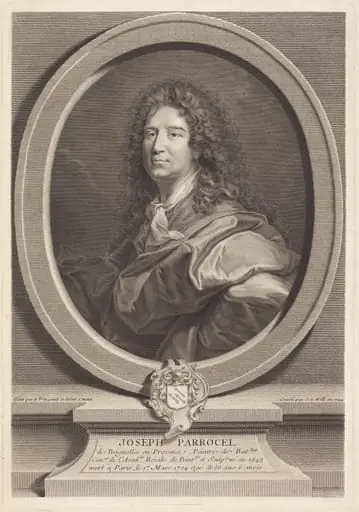
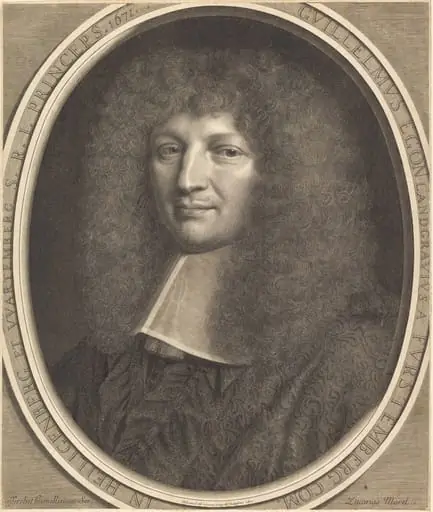
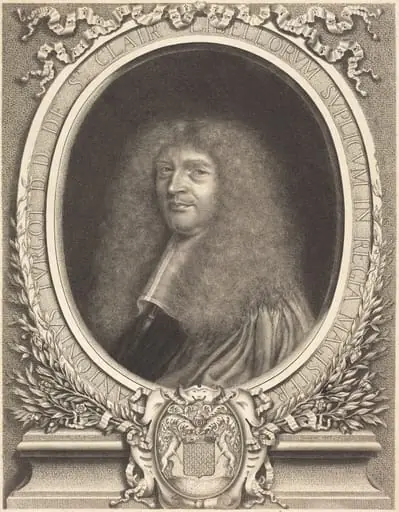
This painted portrait depicts an unidentified man, presented against a subtly graded background. The subject is characterized by his curly white hair and a formal dark robe, with his features illuminated to draw the viewer's attention. The artwork exemplifies a traditional approach to portraiture, focusing on the individual's presence and a sense of direct engagement.
Subject & Meaning
The sitter is depicted with a neutral expression, his gaze directed outward, establishing a direct connection with the observer. His curly white hair is styled in a manner consistent with contemporary fashion, framing his face. The dark, formal robe he wears contributes to an impression of dignity and status, underscoring the serious nature of the portrayal.
Technique & Style
The artist employs chiaroscuro, a technique utilizing strong contrasts between light and dark, to create a profound sense of depth and three-dimensionality. This skillful manipulation of illumination and shadow effectively models the form, particularly highlighting the man's face and hair. The result is a lifelike quality that enhances the realism of the portrait, guiding the viewer's eye to the central figure.
Artist & collection