Artwork
Portrait of a Prince (Possibly Mohammad Mirza)
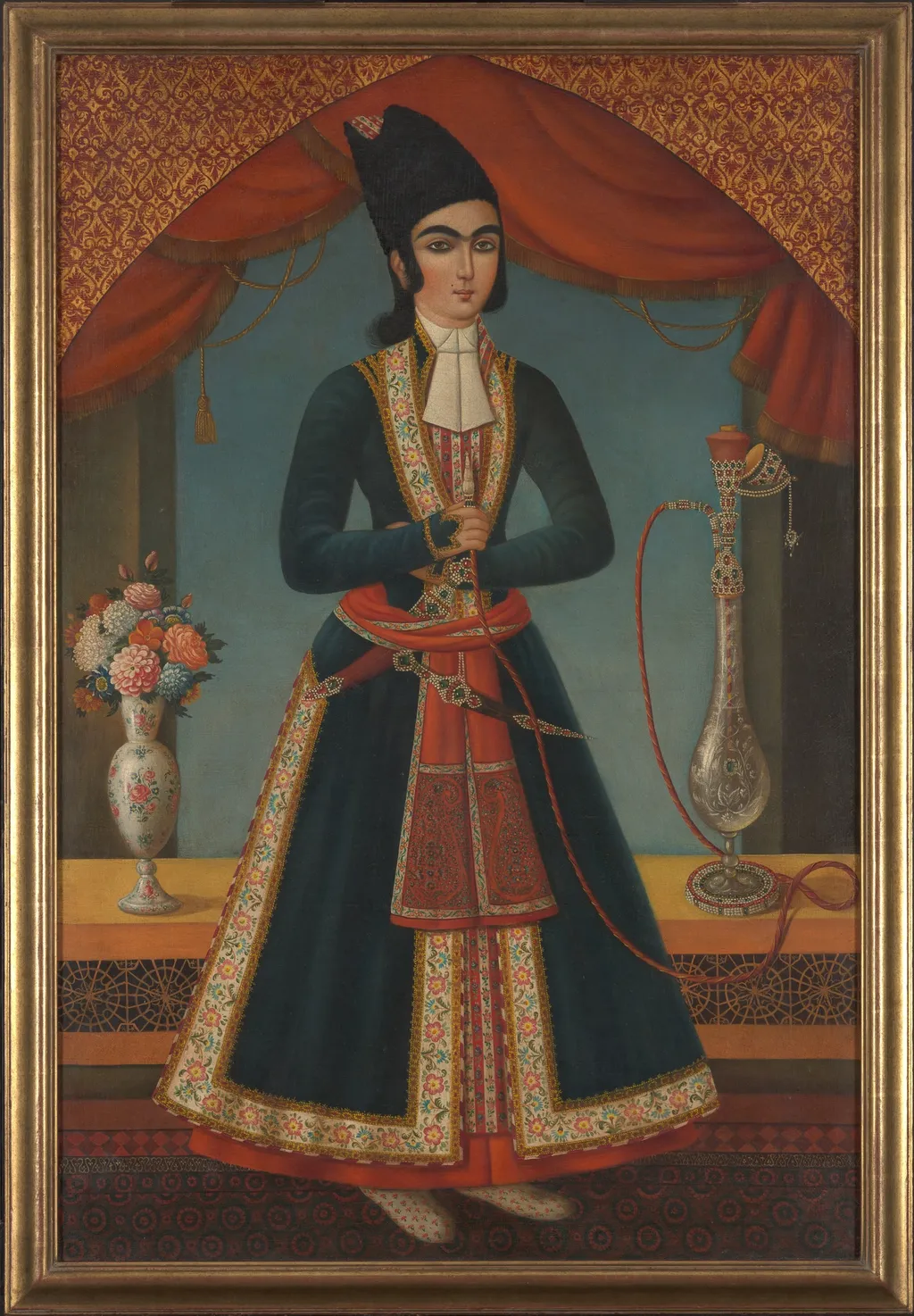
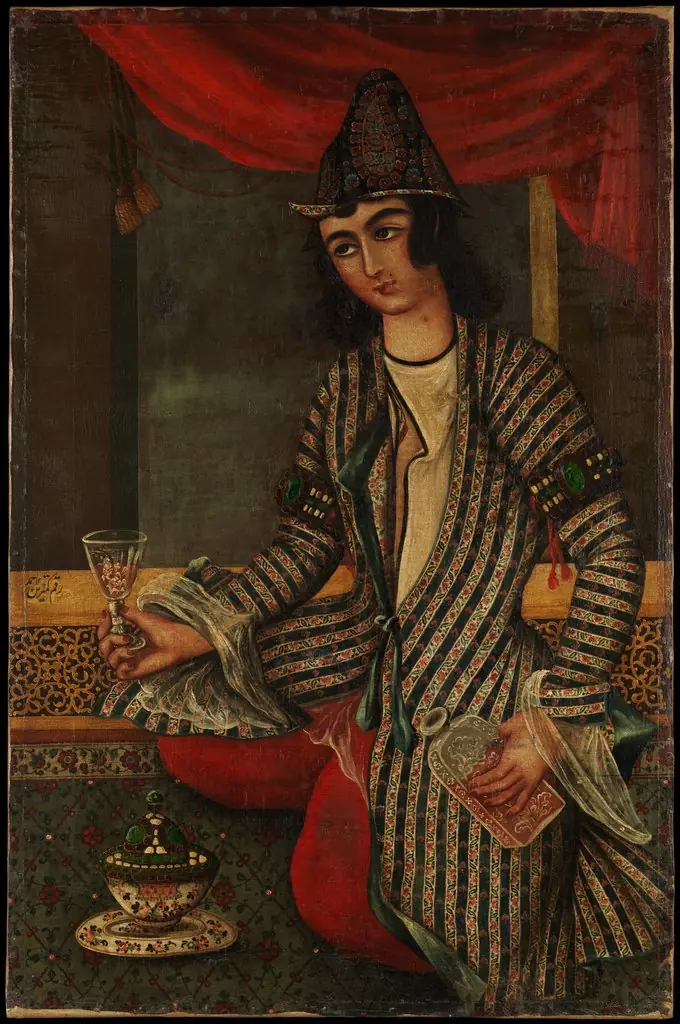
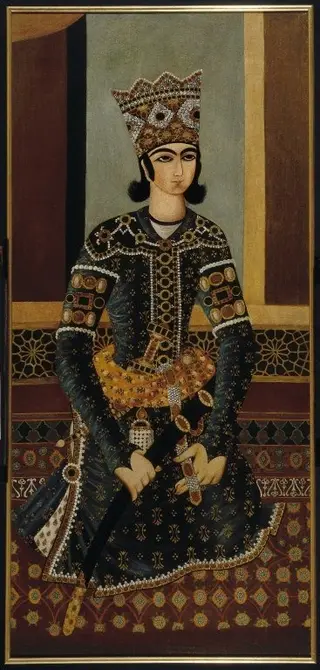
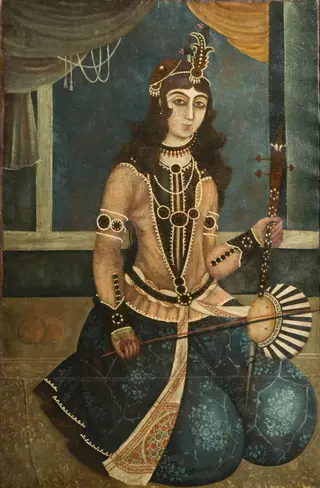
Portrait of a Prince (Possibly Mohammad Mirza) is an oil painting. It dates from 1820 and is held in the collection of the Metropolitan Museum of Art. The oil painting depicts a seated male figure within an interior setting, surrounded by opulent furnishings.
About this work
Technique & Style
The work is an oil painting executed on canvas, reflecting early 19th-century Iranian portraiture. Its formal style aligns with contemporary court portrait conventions, emphasizing dignified representation and subtle chiaroscuro. The handling of brushwork suggests a skilled application of oil medium to achieve textural depth and nuanced tonal transitions.
History & Provenance
No earlier ownership history, commission details, or intermediate provenance steps are documented in the available sources.
Portrait of a Prince (Possibly Mohammad Mirza) was created in 1820 in Iran, executed in oil on canvas. The work entered the collection of the Metropolitan Museum of Art, where it is currently held. No earlier ownership history, commission details, or intermediate provenance steps are documented in the available sources.
The painting is attributed to an anonymous artist, and no information is provided regarding the circumstances of its commission or its chain of custody prior to acquisition by the Metropolitan Museum of Art.
Portrait of a Prince (Possibly Mohammad Mirza) is held in the collection of the Metropolitan Museum of Art. It is accessioned under the inventory number 2006.254. The work was displayed in the museum's exhibition "Islamic Art of the Persianate World," which ran from 2006 through 2007.
Legacy
The painting's attribution to possibly Mohammad Mirza has shaped its scholarly discourse, particularly regarding early 19th-century Persian portraiture. Its presence in the Metropolitan Museum of Art collection has ensured visibility within major institutional narratives of Orientalist art, though this visibility has not consistently translated into widespread recognition of its artistic significance. The work's stylistic elements reflect Qajar-era techniques, influencing later interpretations of courtly representation in Persian miniature traditions.
Current scholarship engages with its ambiguous authorship as a case study in the challenges of attributing works to anonymous or minimally documented artists within historical art markets.
The painting's legacy is primarily defined by its role as a reference point in studies of 19th-century Iranian art rather than as a catalyst for direct artistic movements.
Overview
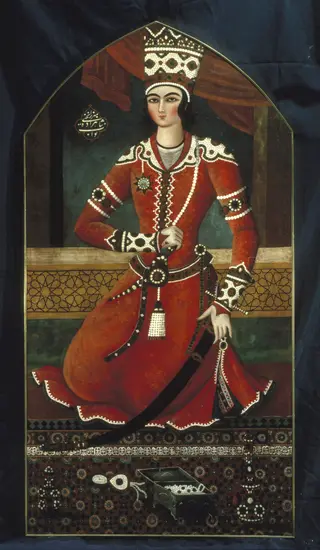
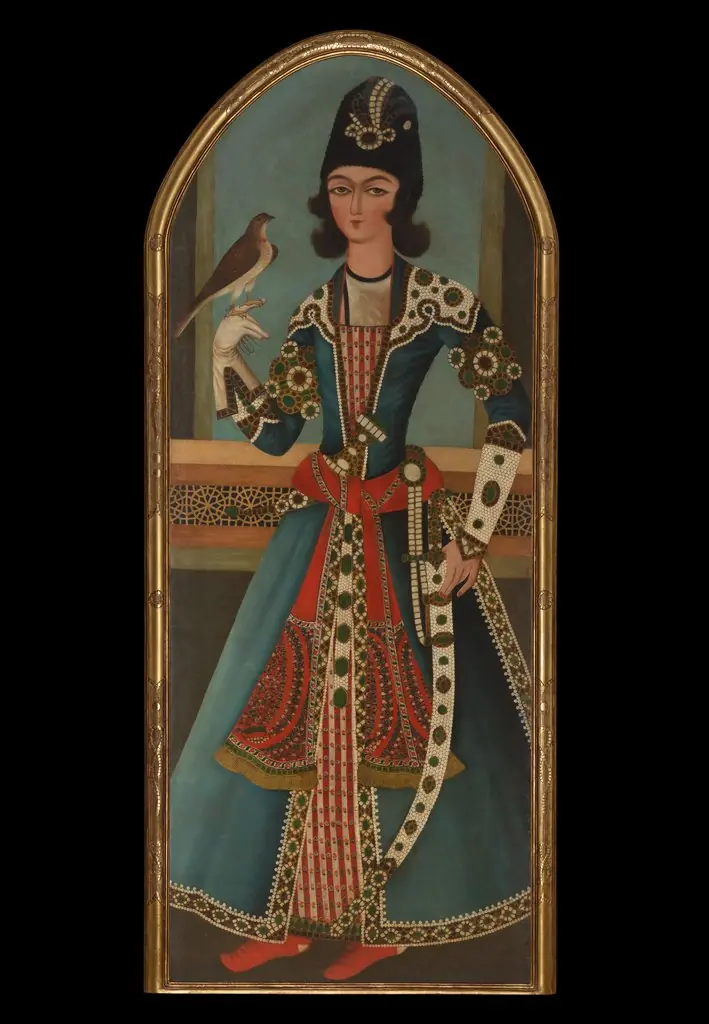
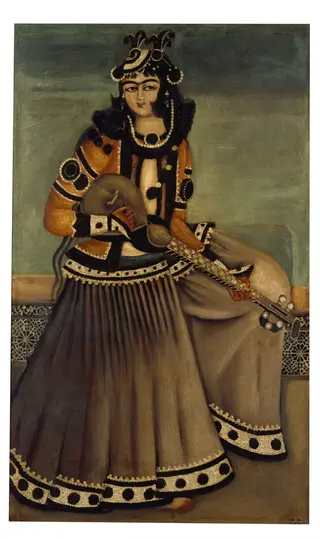
The oil painting depicts a seated male figure within an interior setting, surrounded by opulent furnishings. He wears a dark coat accented with red and gold trim, complemented by a tall hat lined in red. His left hand holds a small object, while his right hand rests on his chest.
A blue curtain frames the background, above which hangs a red draped cloth, and the composition includes a hookah on the right and a vase of pink and white flowers on a shelf to the left.
Subject & Meaning
The sitter is presented in luxurious attire, suggesting high social standing or royal affiliation, possibly a prince such as Mohammad Mirza. The inclusion of a hookah, a symbol of leisure and status in certain cultures, reinforces the notion of privilege and refined taste. The careful rendering of textiles and accessories underscores the importance of display and personal prestige in the portrait's intended audience.
Context
Portraits of aristocratic figures in richly appointed interiors were common in the late 18th to early 19th centuries across the Middle East and South Asia, serving both as personal commemoration and as visual affirmation of authority. Elements such as the hookah and elaborate textiles reflect cultural practices of hospitality and display, situating the work within a tradition of elite portraiture that emphasized wealth and refinement.
Artist & collection