Subject
Carpet
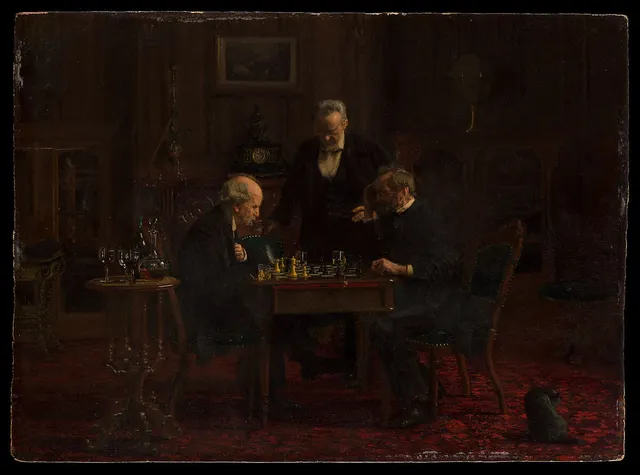
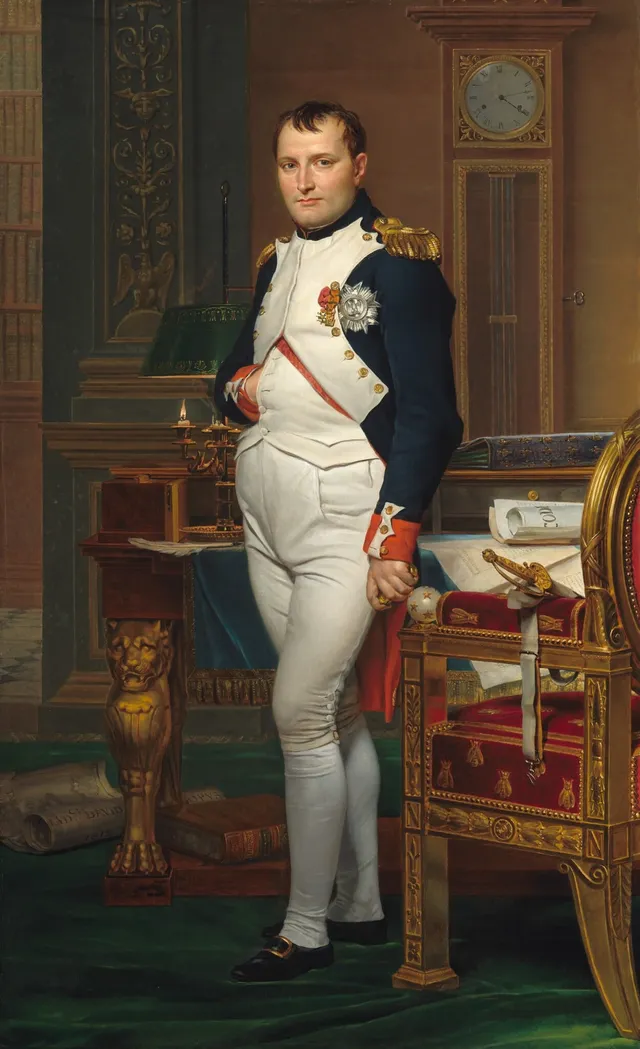
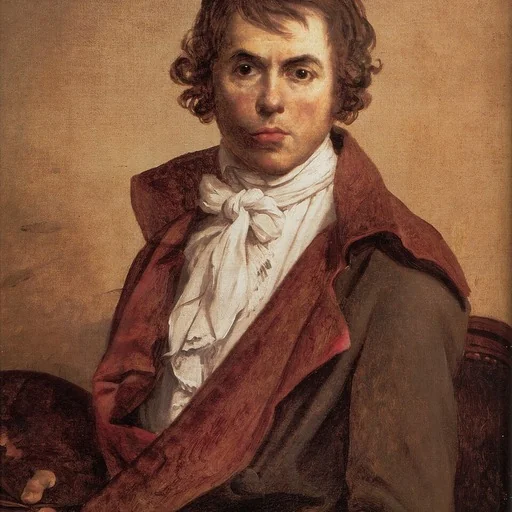
Carpet is a subject in art. The gallery holds 48 works in this subject in art, including works by Thomas Eakins, Jacques-Louis David and Ralph Earl.
A carpet or rug is a textile floor covering that typically consists of an upper layer of pile attached to a backing. In Europe, the pile was traditionally made of wool, but since the 20th century, synthetic fibres such as polypropylene, nylon, and polyester have been used as less expensive alternatives.
Key artists
Overview
A carpet is a textile floor covering consisting of an upper layer of pile attached to a backing. Traditionally, the pile was made of wool, but since the 20th century, synthetic fibers like polypropylene, nylon, and polyester have become common, less expensive alternatives. The terms carpet and rug are often used interchangeably, though rugs are generally smaller and loose-laid, while carpets more often refer to fitted, wall-to-wall floor coverings. Historically, the term carpet also encompassed table and wall coverings, as textiles were not commonly used on floors in European interiors until the 15th century. Carpets can be produced through various methods, including weaving, needle felting, hand-knotting, tufting, flat weaving, hooking, and embroidery.
Iconography & meaning
Before widespread literacy and photography, carpets functioned as primary media for cultural expression, serving as archives that passed down stories, beliefs, and cosmologies. Motifs in Persian carpets symbolize concepts like fertility, protection, and prosperity, or denote specific tribal affiliations. Anatolian kilims can narrate a weaver's personal hopes and fears through inherited symbolic arrangements. Carpets also carry ceremonial significance, most notably the red carpet, which symbolizes grand respect, hospitality, and luxury. This tradition traces back to 458 B.C. in Aeschylus's Agamemnon, where Clytemnestra orders a path of purple textiles to welcome her returning husband. Beyond secular ceremonies, specialized prayer rugs, typically small and oriented, are produced across the Islamic world for religious practice.
Across movements & periods
The treatment and status of carpets shifted considerably across periods and cultures. In the Near East, the term encompassed all flat textiles used to cover walls, tables, and floors, whereas European usage eventually restricted the meaning to floor coverings. The oldest known knotted carpet, the Pazyryk carpet, dates to the 5th century B.C. and was preserved in a Siberian permafrost grave, displaying advanced techniques that suggest a long prior evolution. Alexander the Great brought oriental carpets to Europe around 330 B.C., but they remained luxury imports used as table or bed covers for nobility through the Middle Ages. In 1606, the Savonnerie manufactory in Paris began producing carpets on looms, and under Louis XIV, national production was encouraged, eventually moving carpets from palaces to bourgeois homes. The 19th century brought mechanization, lowering costs and transitioning carpets to widespread floor use. The 20th century saw the rise of synthetic fibers and fitted carpets, while contemporary practices merge traditional hand-knotting with modern design.
Notable depictions
European paintings serve as vital records for the history of carpets, particularly because few early textiles survive. In the 15th and 16th centuries, artists documented knotted carpets from Islamic regions with such precision that specific carpet types are now named after them. Domenico Ghirlandaio, Hans Holbein, and Lorenzo Lotto are prominent examples, giving their names to the Ghirlandaio, Holbein, and Lotto carpet types. Wilhelm von Bode, founder of the Islamic Department at the Kaiser Friedrich Museum in Berlin, systematically studied these depictions. He observed that European paintings frequently showed carpets as decorative table covers, at the feet of a Madonna, or draped over balconies. Bode then searched Italian churches and art markets to find actual carpets matching those in the paintings, building a foundational collection for the museum by 1904. His research established the Berlin School method for studying knotted carpets from Islamic regions.
Legacy
The legacy of carpet weaving extends from ancient trade routes to contemporary art and museum conservation. Historically, carpets were highly prized commodities that drove global trade and innovation in weaving and dyeing. Today, institutions like the Azerbaijan National Carpet Museum, the Carpet Museum of Iran, and the Museum of Carpet in Kidderminster preserve this heritage. The Azerbaijan museum, established in 1967, actively acquires historical pieces like 17th-century Karabakh carpets, while the Berlin Museum suffered significant losses when large-format carpets were destroyed by fire in 1945. In the contemporary era, the tradition of artist-designed rugs has persisted. In the 1920s and 1930s, Marie Cuttoli commissioned works by Pablo Picasso, Joan Miro, and Le Corbusier, translating modernist art into woven textiles. This practice continues today through collaborations between modern artists and traditional weavers in locales like Nepal and Morocco, maintaining the medium as a dynamic intersection of art, design, and cultural heritage.
Works
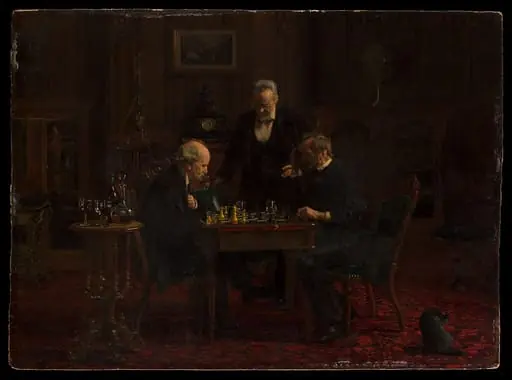 The Chess Players
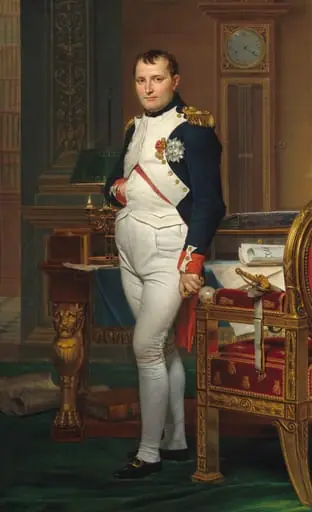 The Emperor Napoleon in His Study at the Tuileries
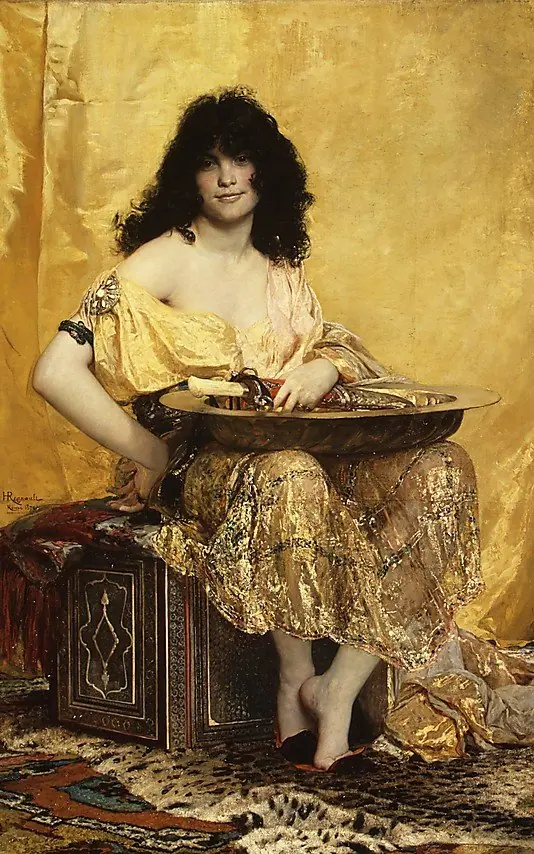 Salome
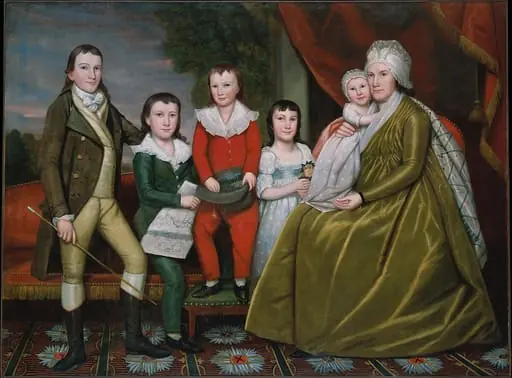 Mrs. Noah Smith and Her Children
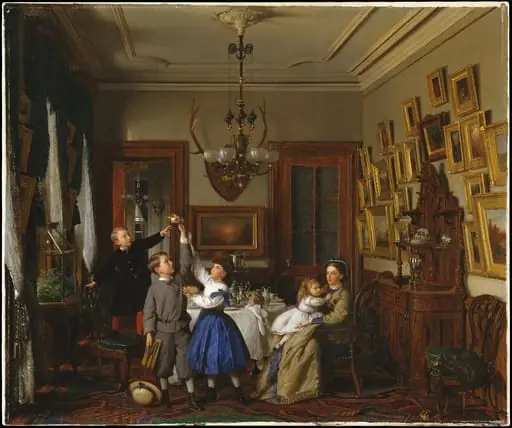 The Contest for the Bouquet: The Family of Robert Gordon in Their New York Dining-Room
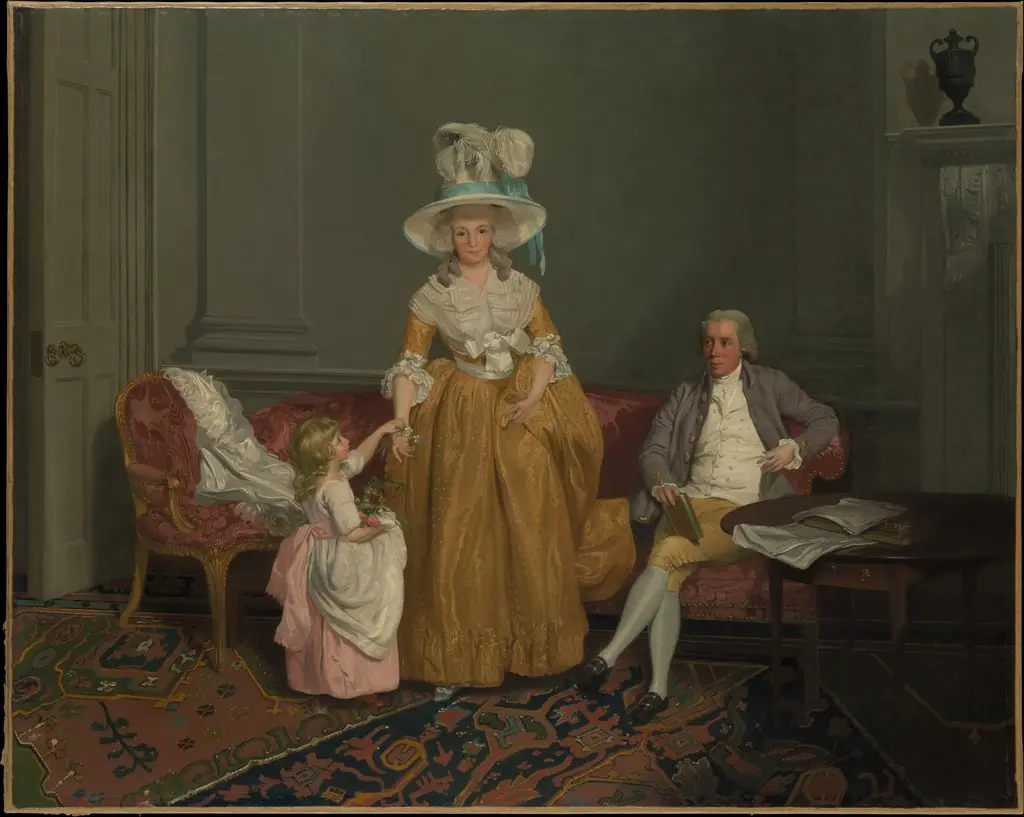 The Saithwaite Family
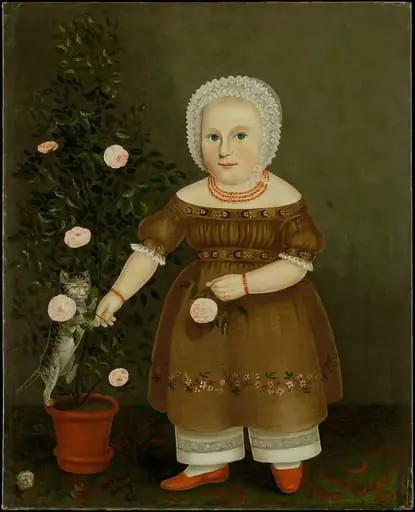 Emma Homan
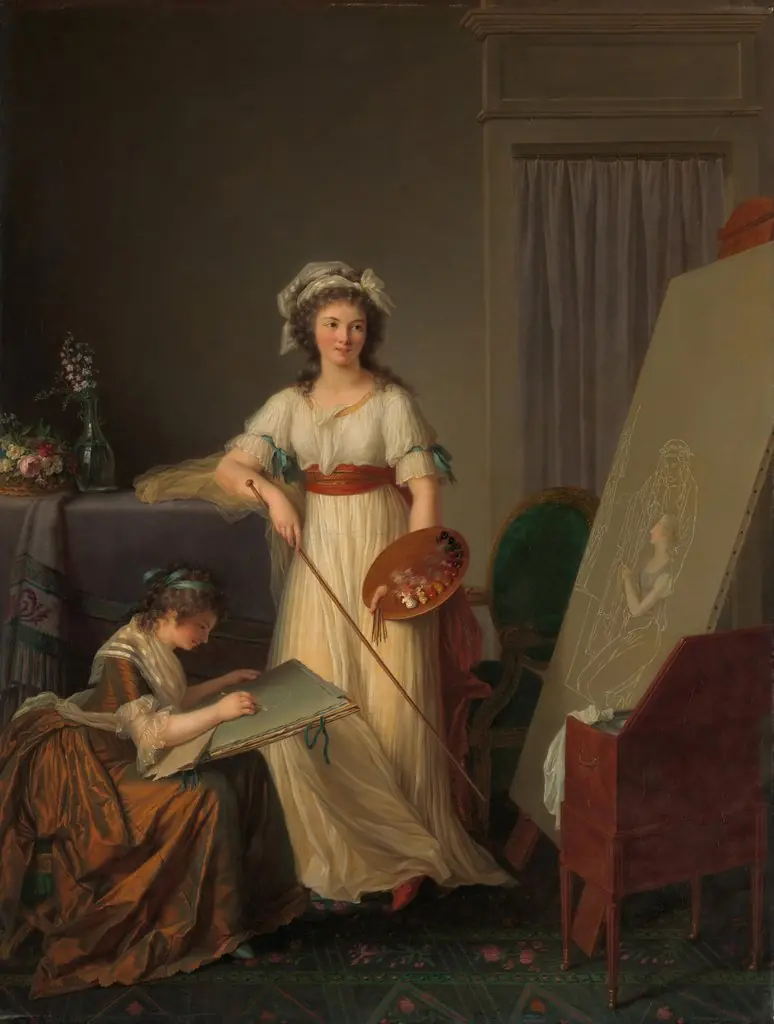 The Interior of an Atelier of a Woman Painter
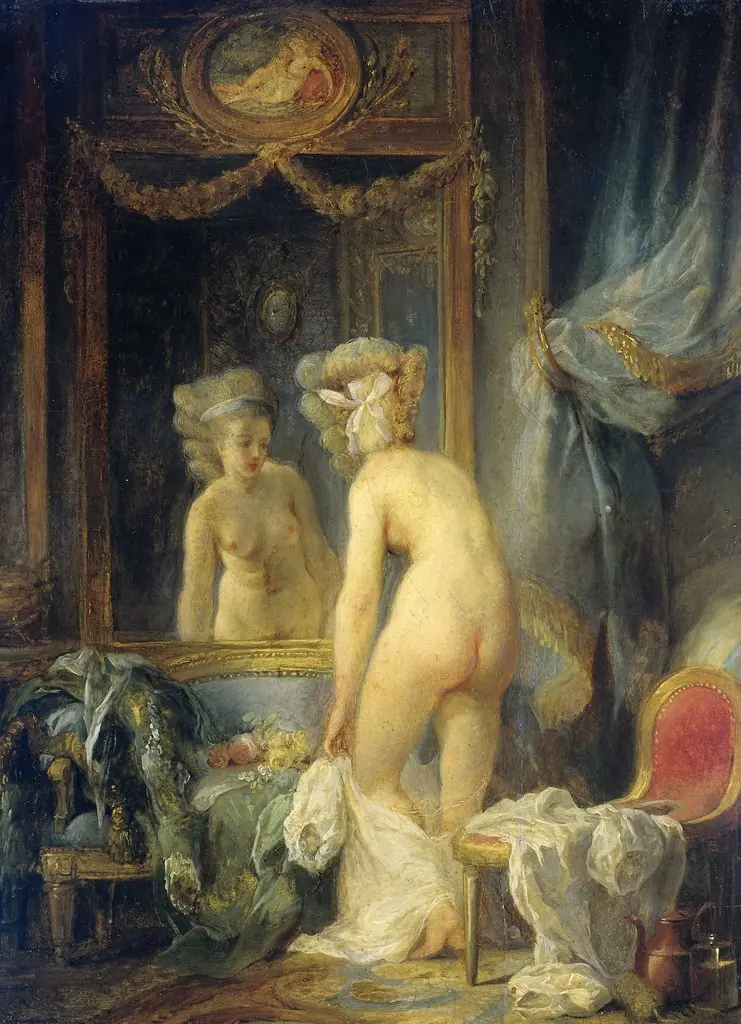 Morning Toilet
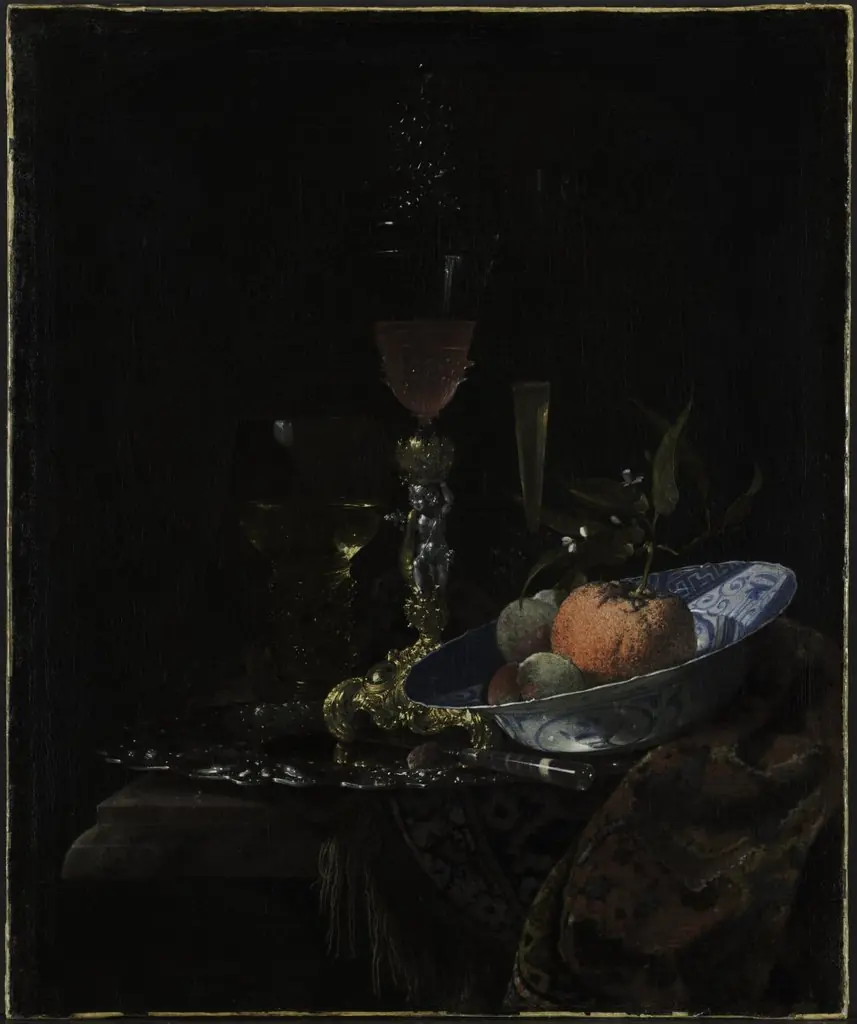 Wineglass and a Bowl of Fruit
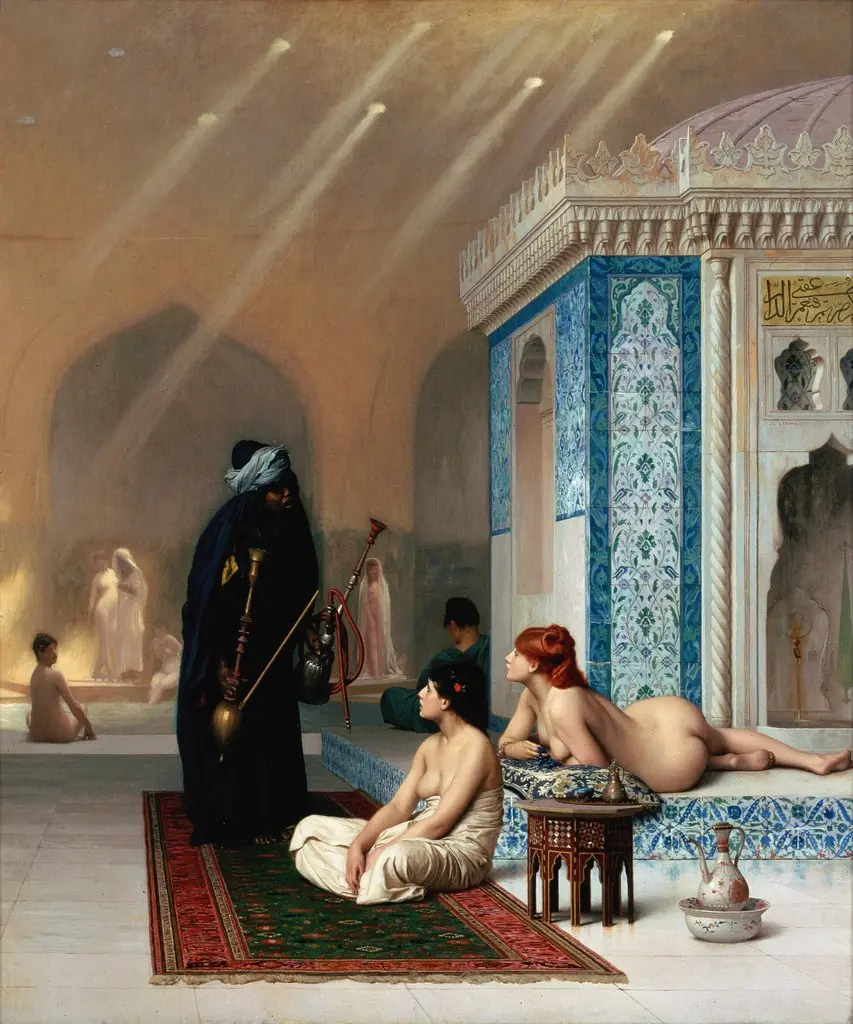 Pool in a Harem
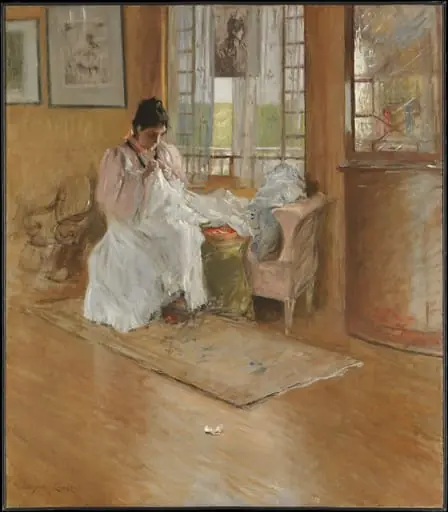 For the Little One
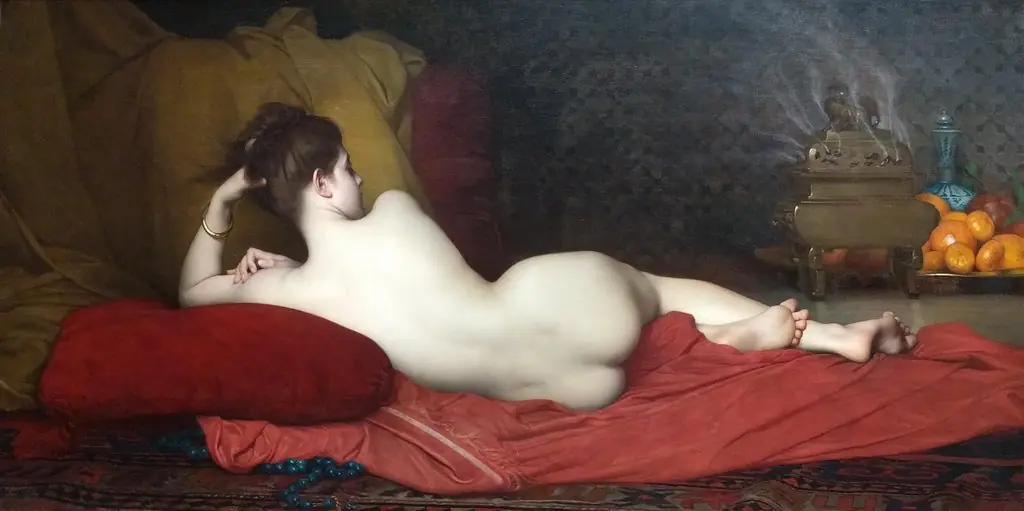 Odalisque
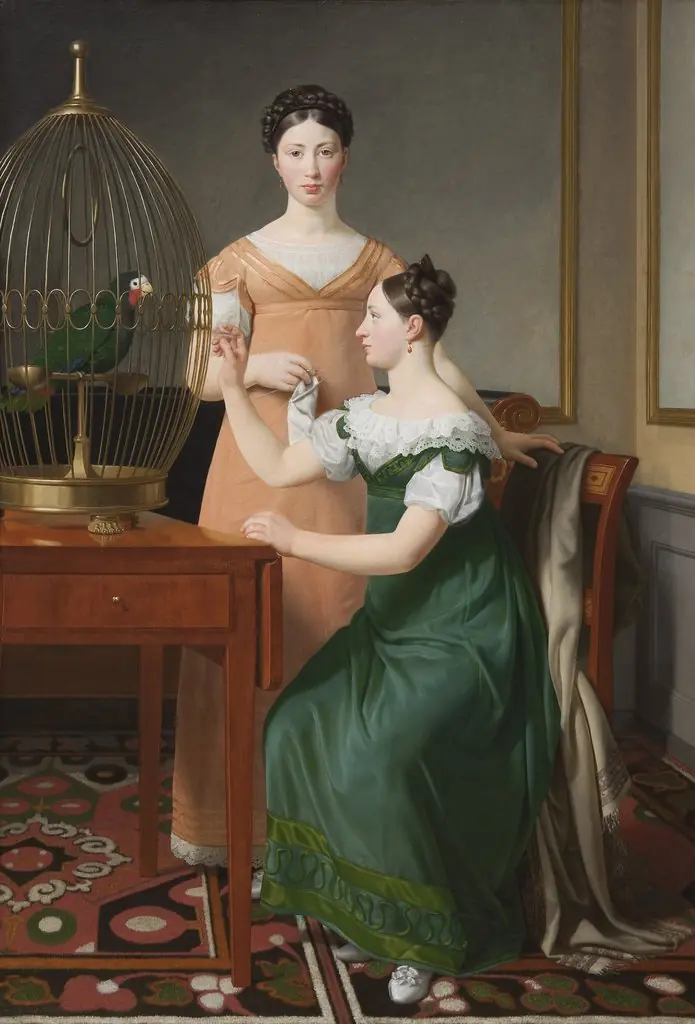 Bella and Hanna. The Eldest Daughters of M. L. Nathanson
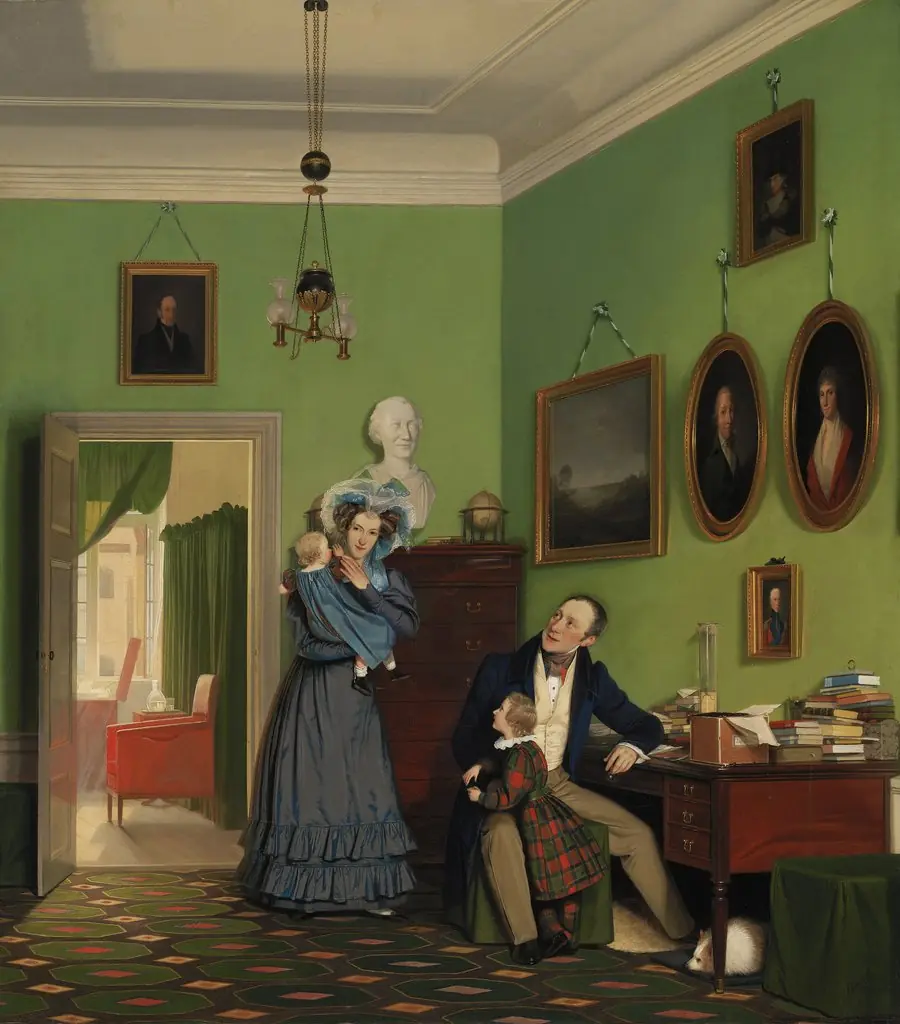 Familien Waagepetersen
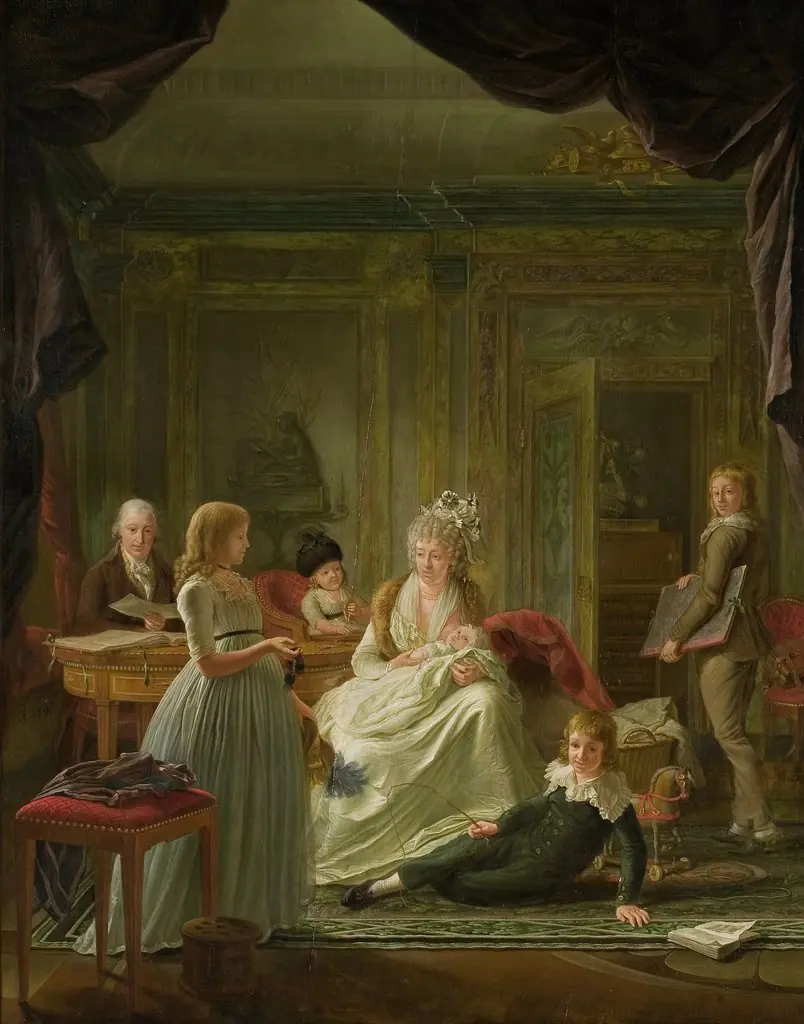 Portrait of Aernout van Beeftingh, his Wife Jacoba Maria Boon and their Children
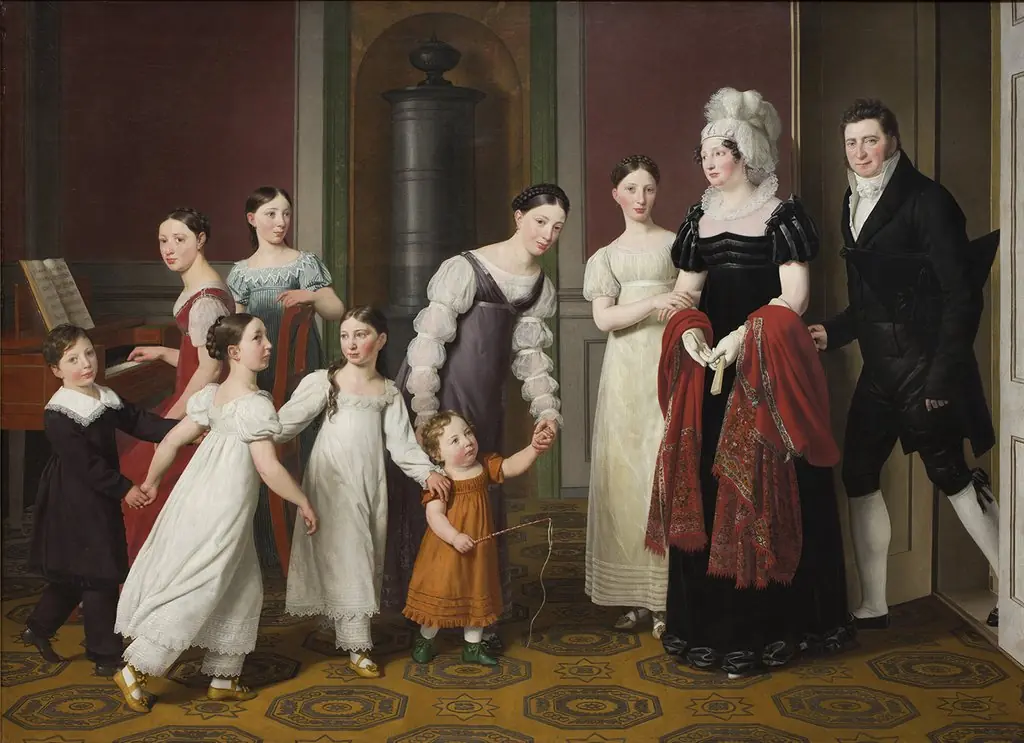 Familien Nathanson
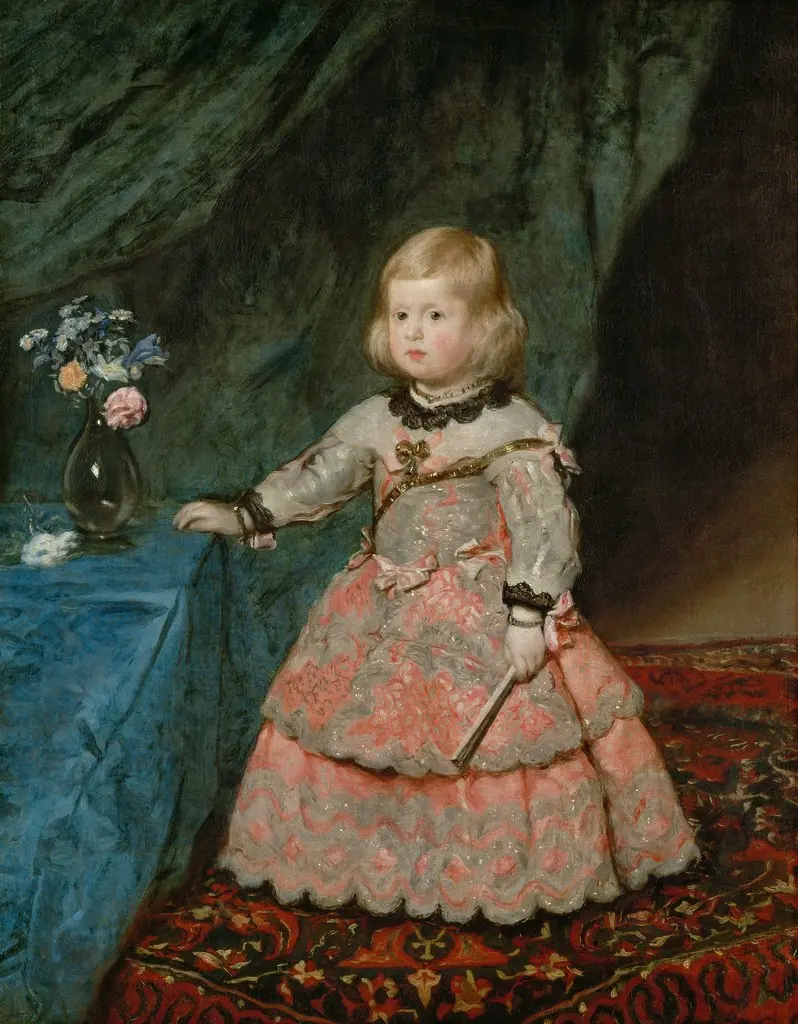 Infanta Margarita Teresa
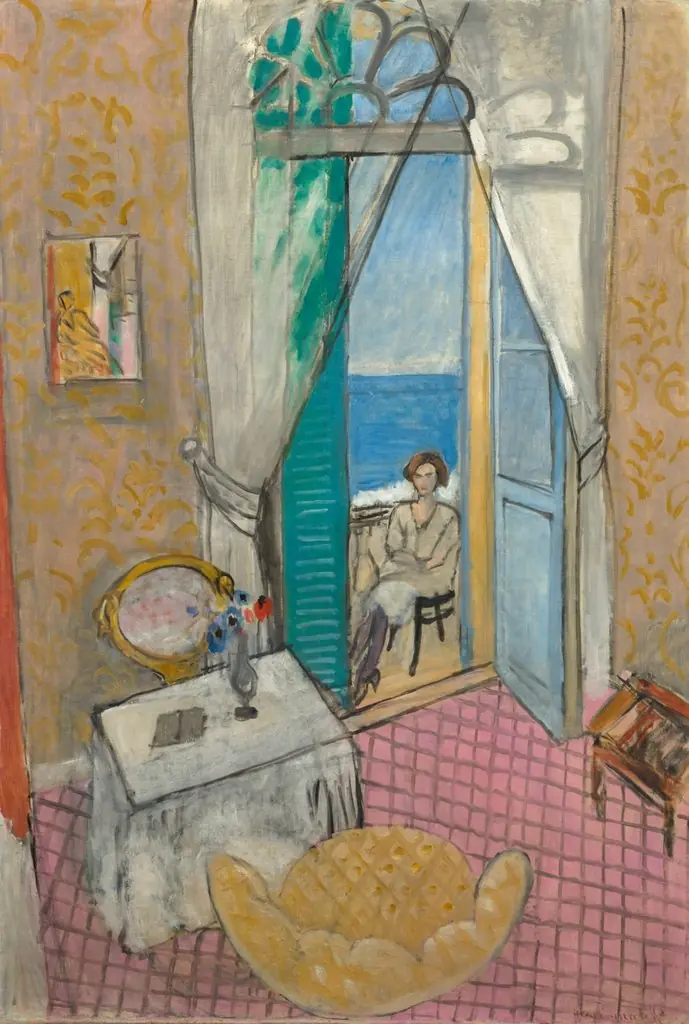 Interior at Nice
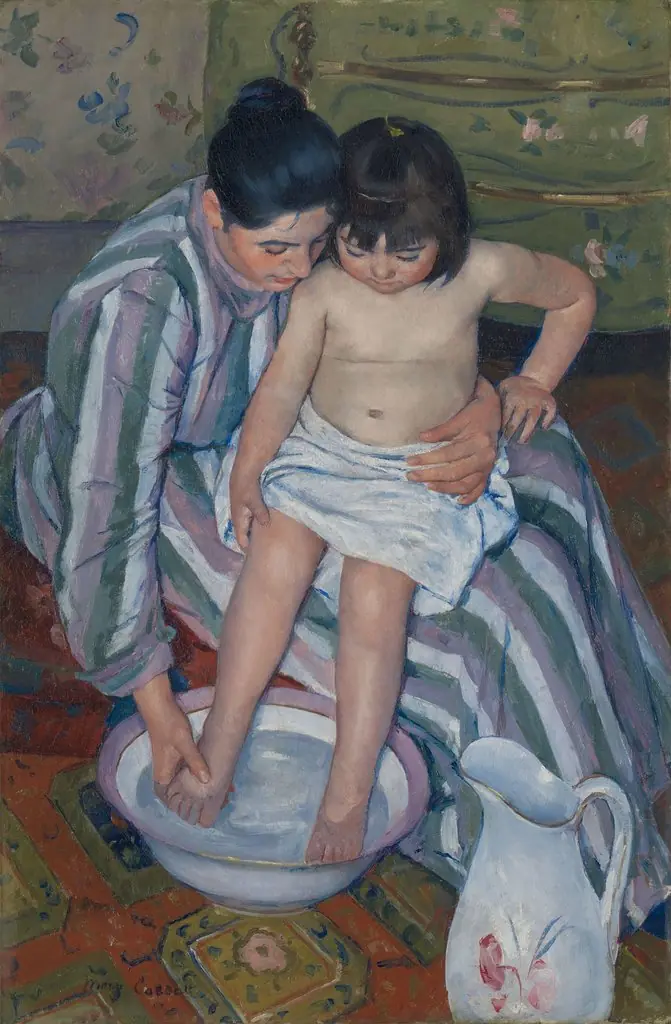 The Child's Bath
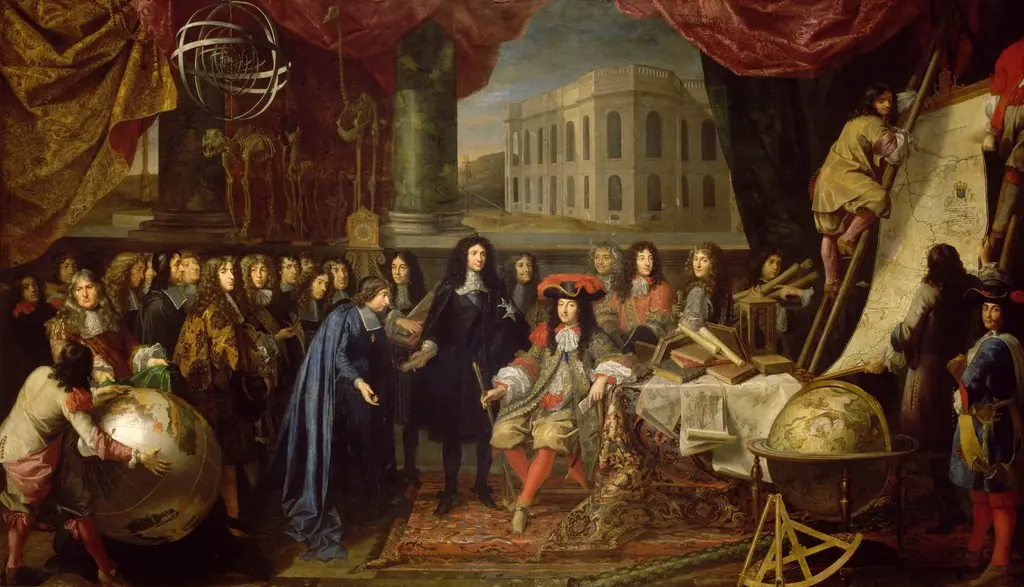 Establishment of the French Academy of Sciences and of Paris Observatory
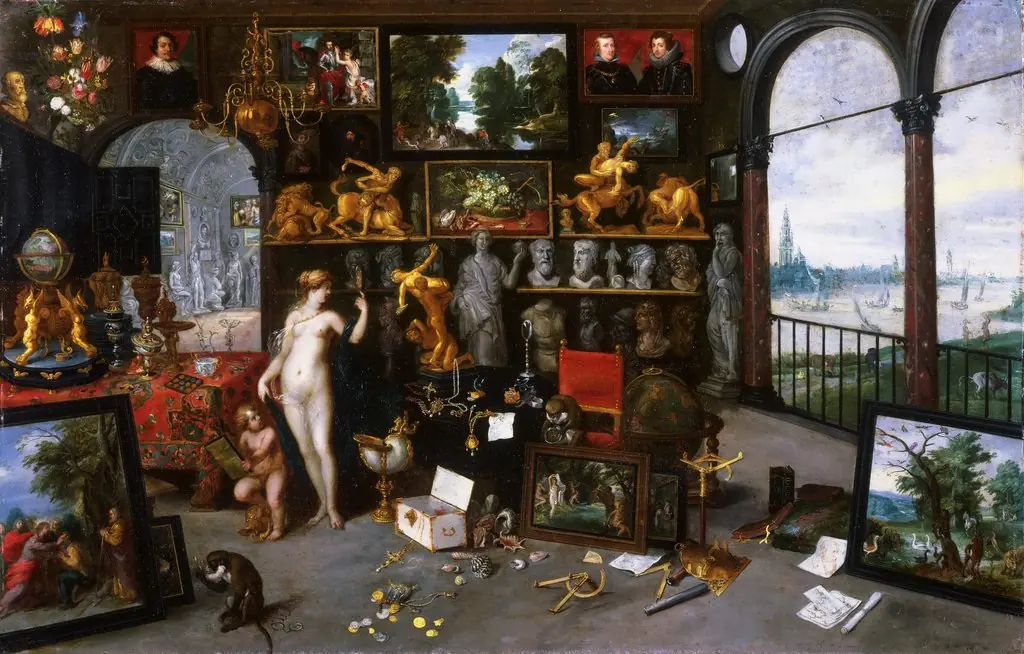 Allegory of Sight (Venus and Cupid in a Picture Gallery)
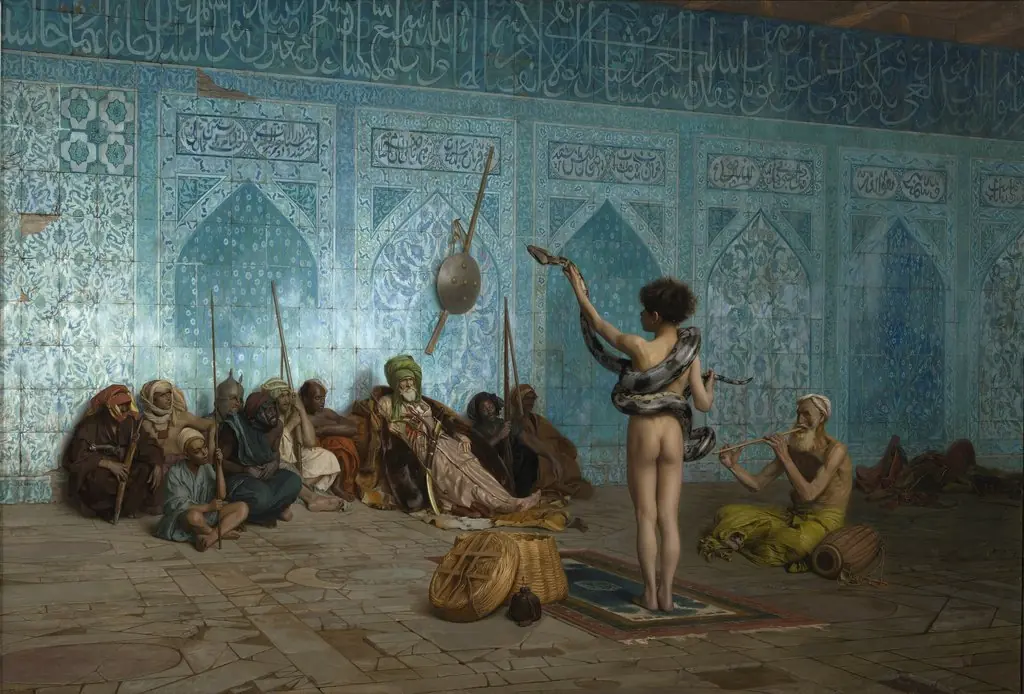 The Snake Charmer
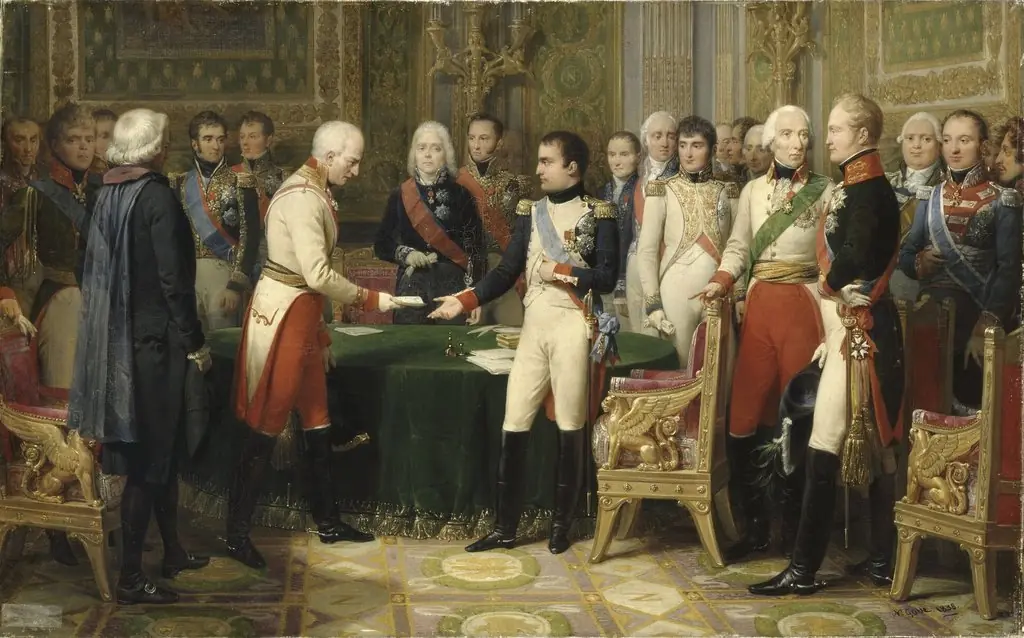 Napoleon I receiving Baron Vincent, the Austrian Ambassador, at Erfurt, 1808
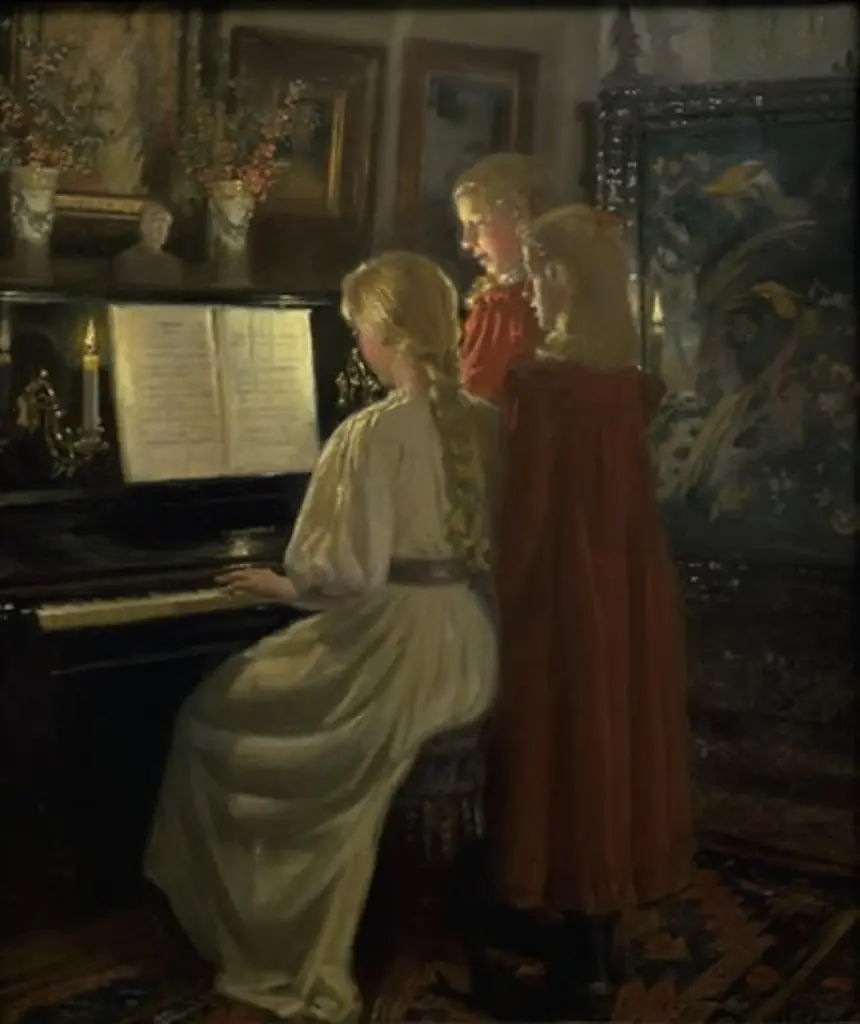 Children Singing
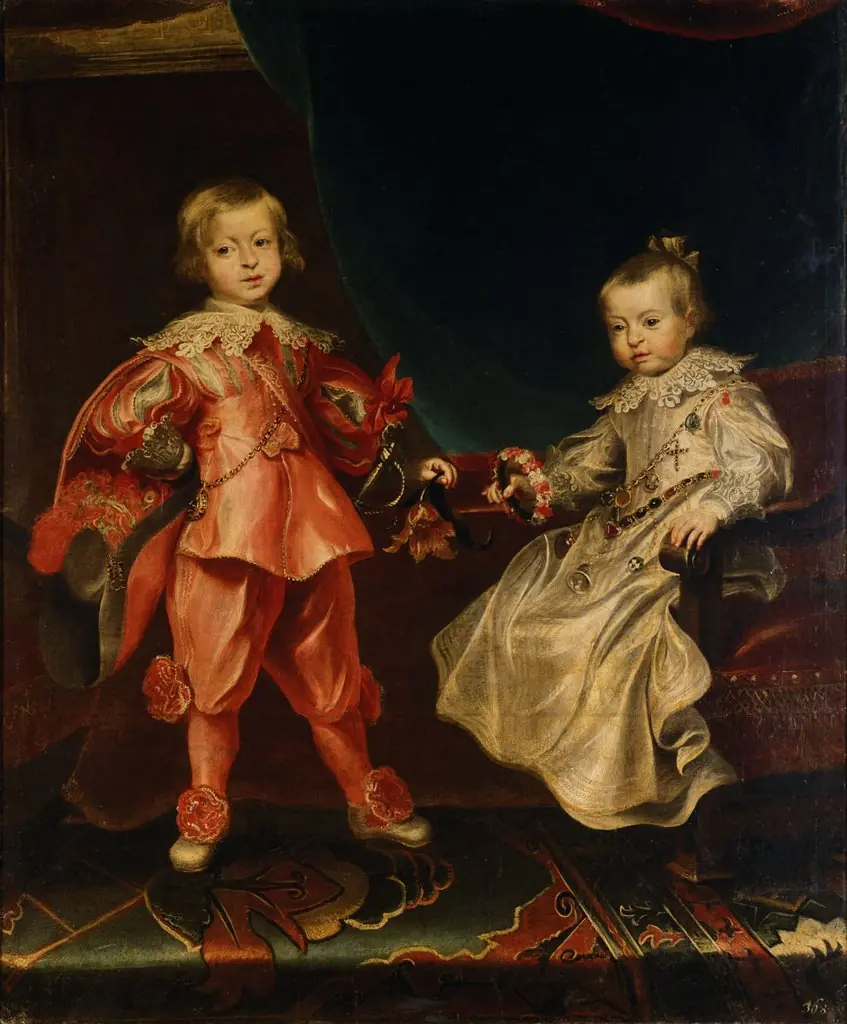 Portrait of Ferdinand IV with his sister Maria Anna
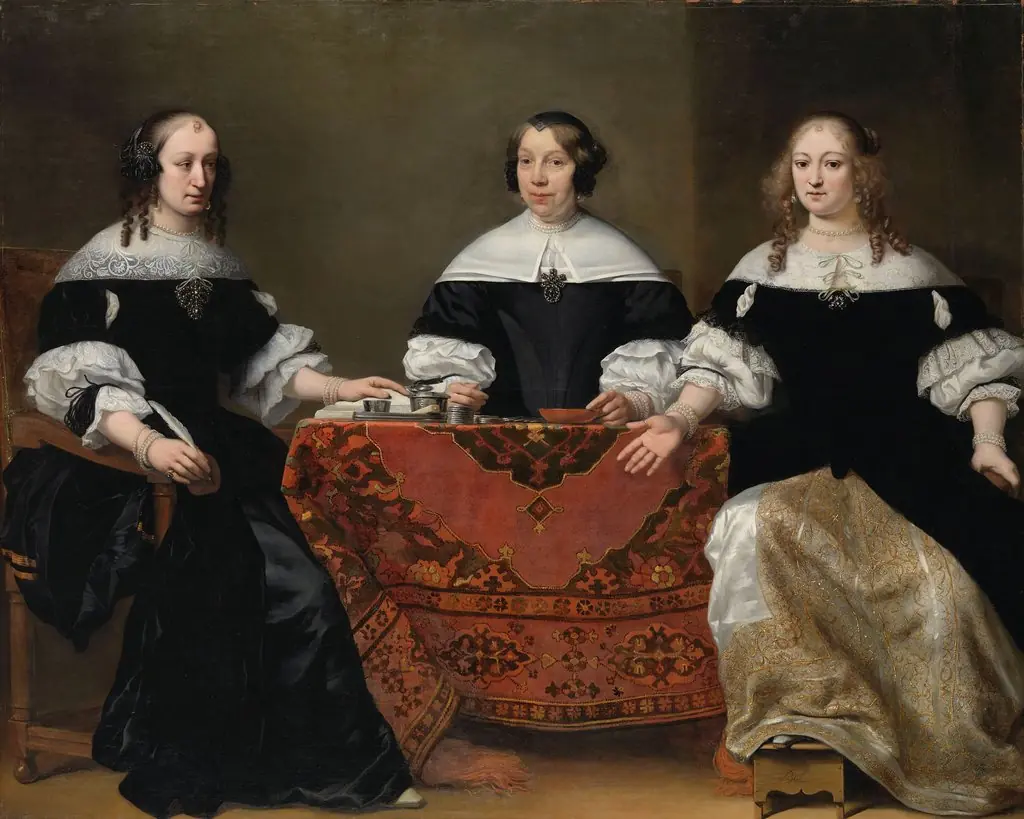 Portrait of the Three Regentesses of the Leprozenhuis, Amsterdam
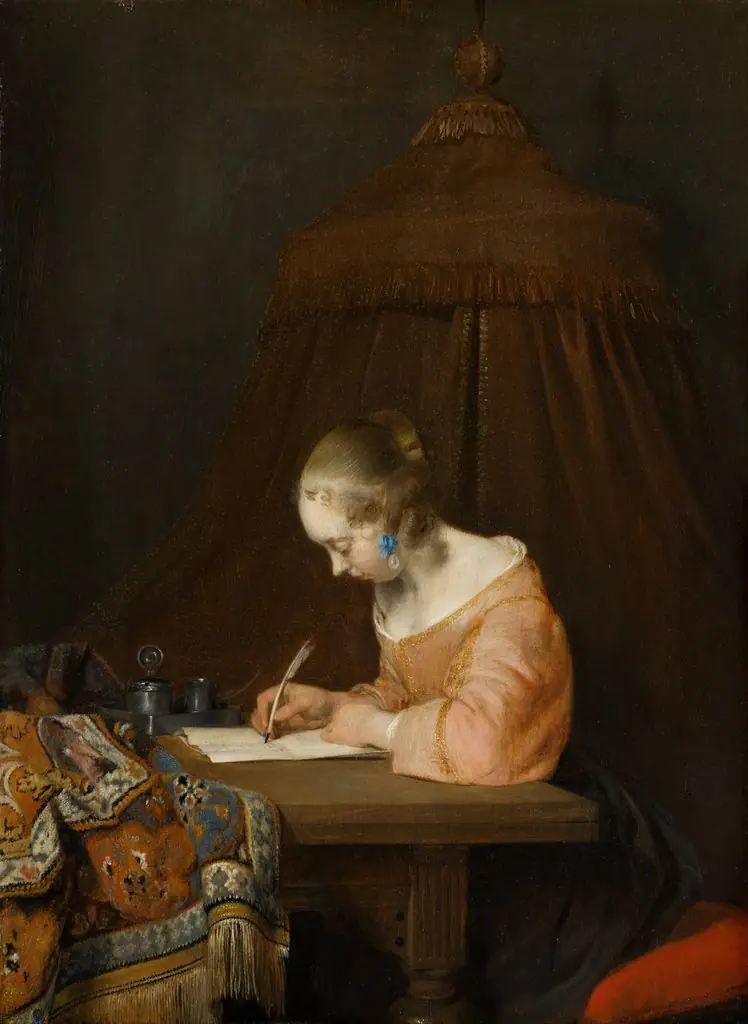 Woman writing a letter
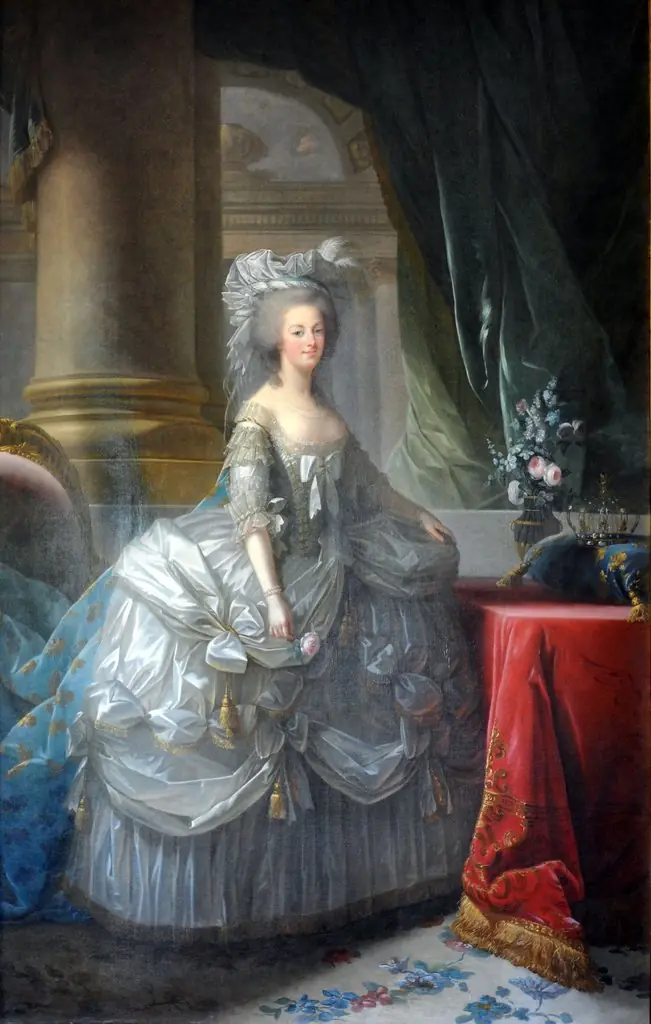 Marie Antoinette in Court Dress
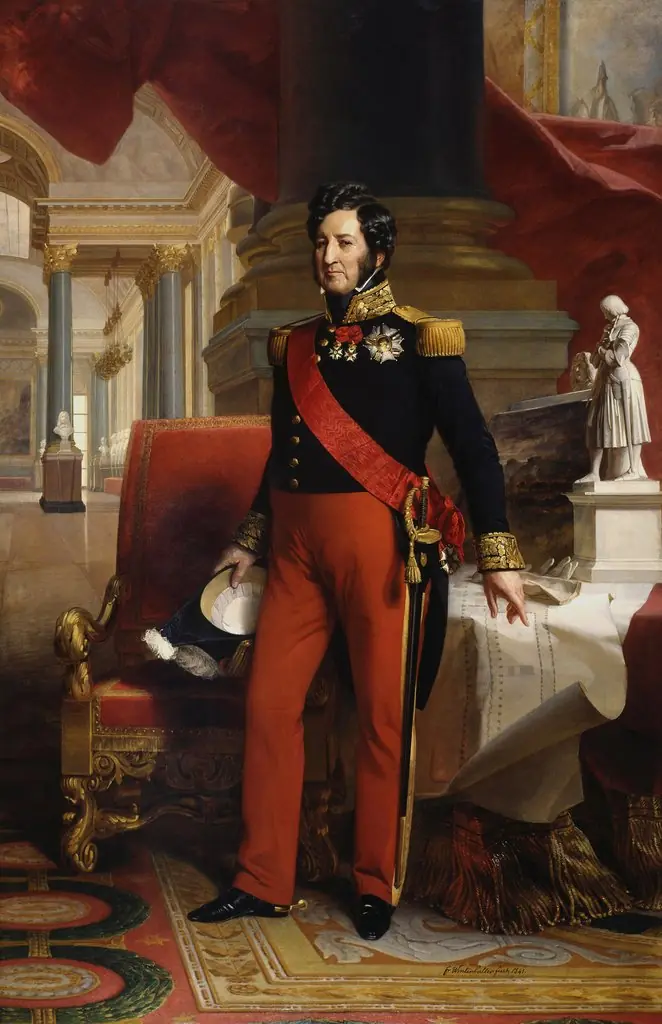 Louis-Philippe I, King of the French (1773–1850)
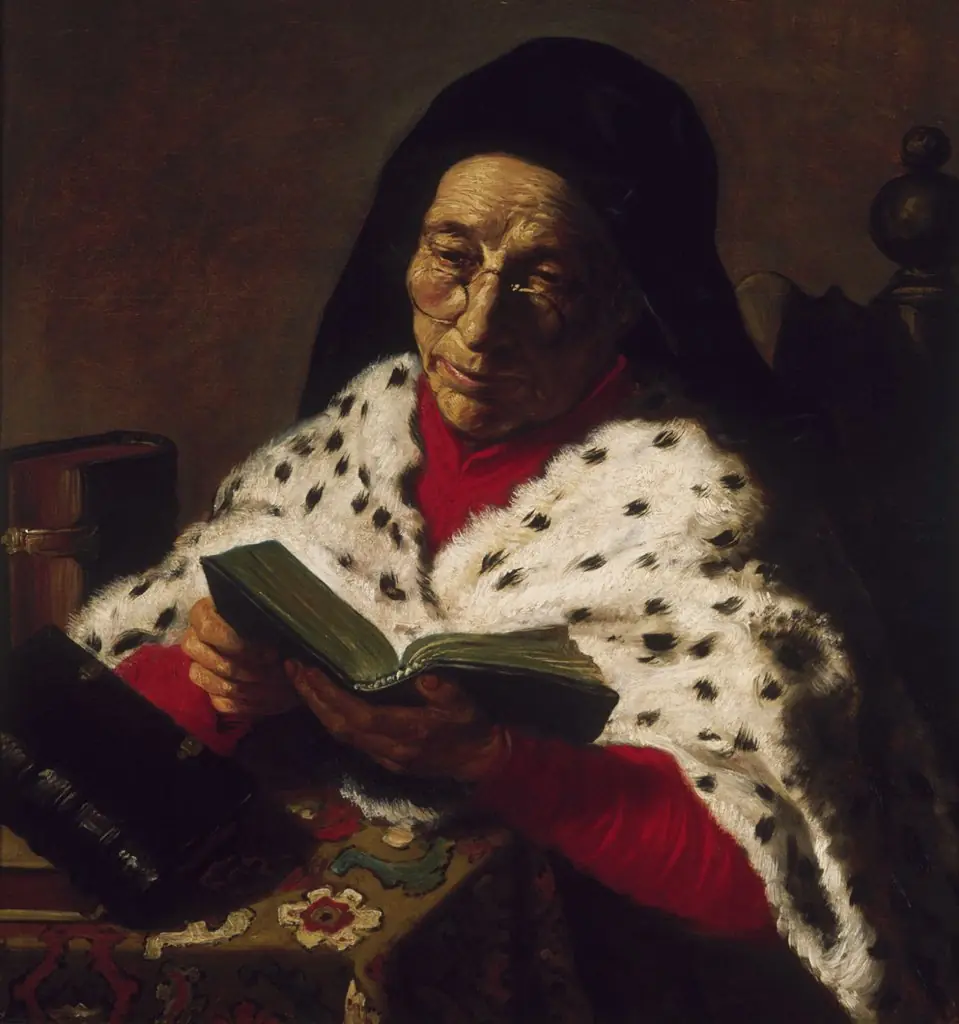 Old Woman Reading
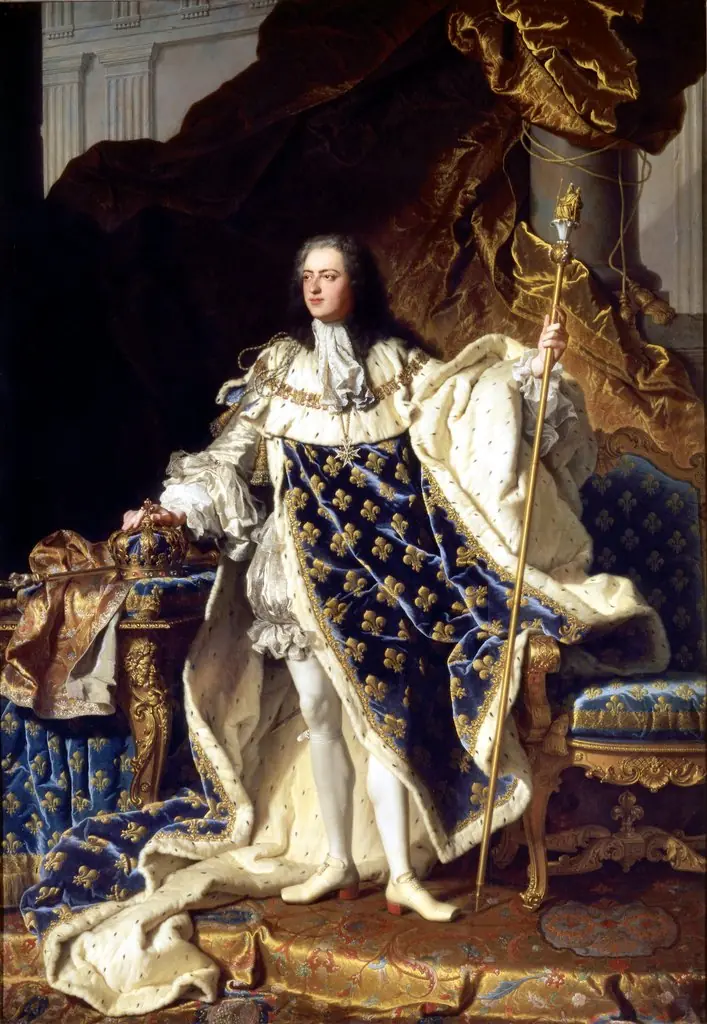 Louis XV in Coronation Robes
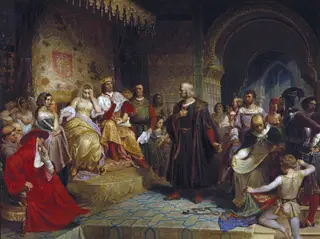 Columbus Before the Queen
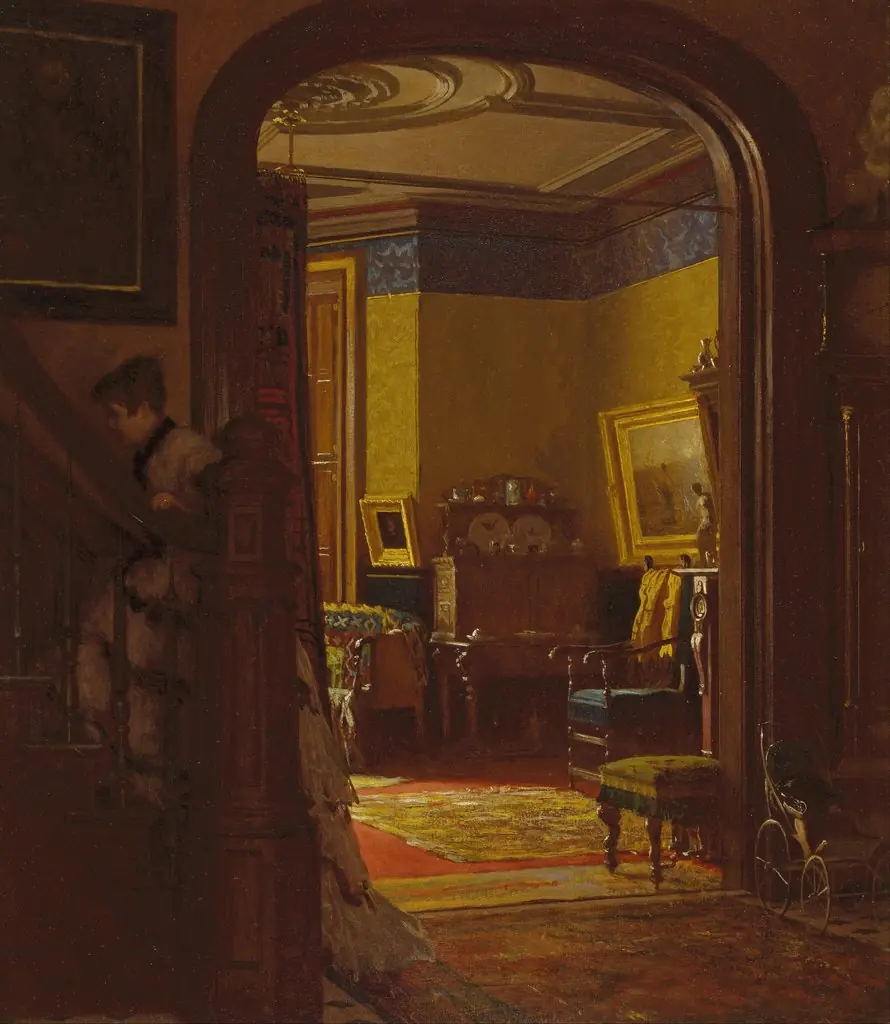 Not at Home
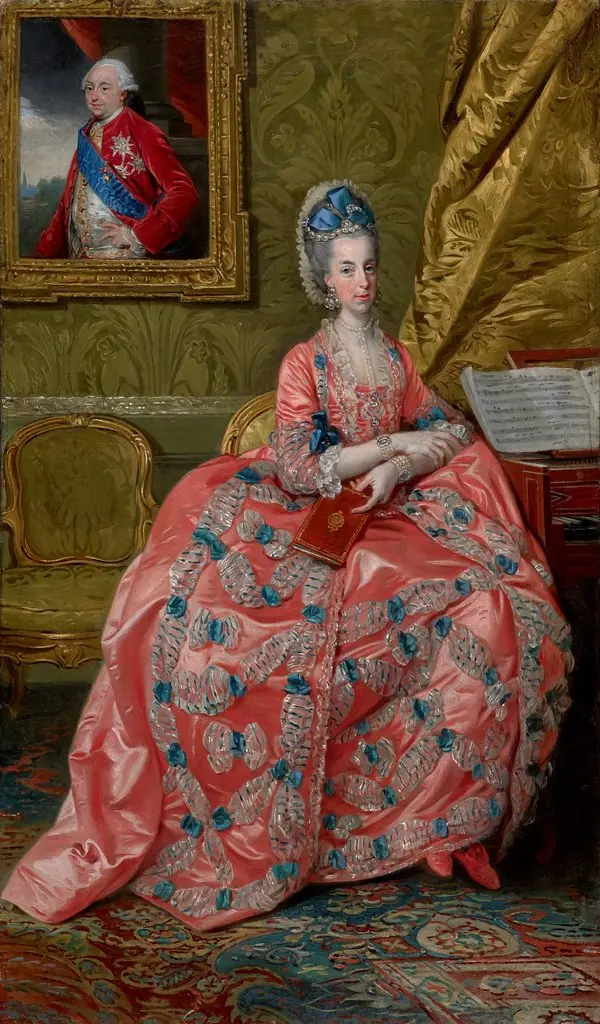 Portrait of the Archduchess Maria Amalia of Austria, Duchess of Parma
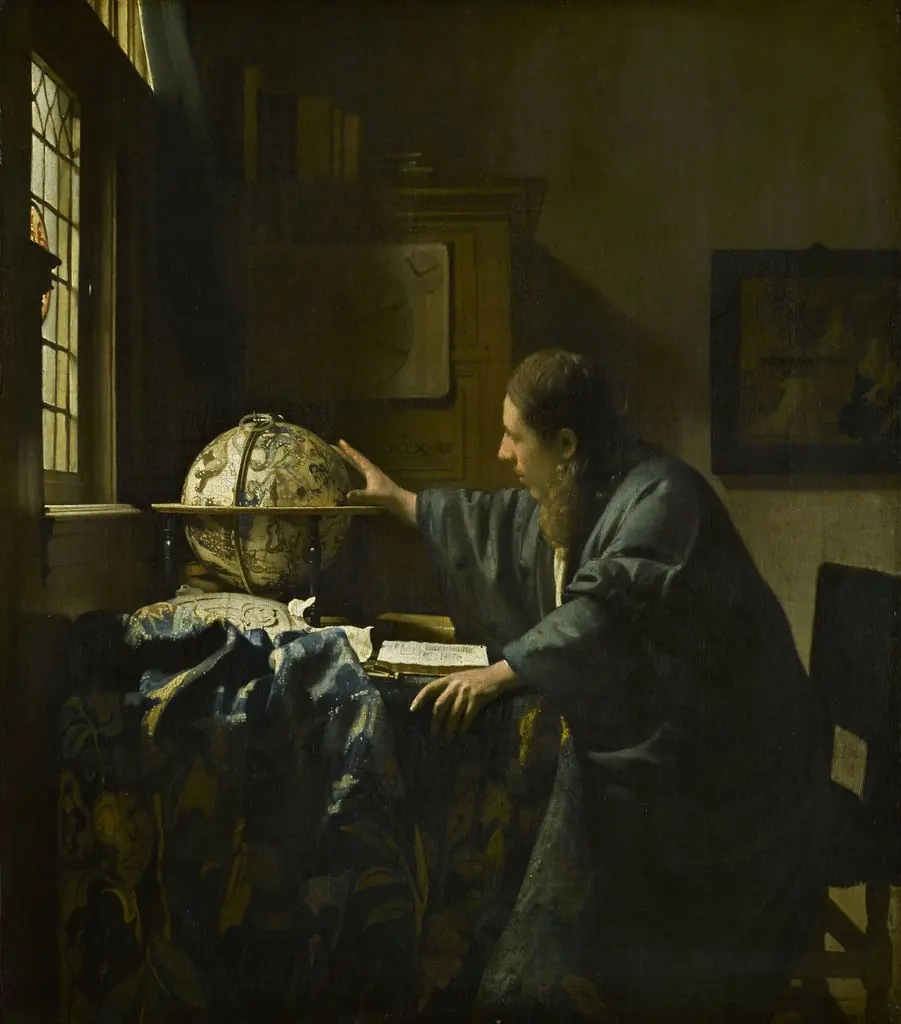 The Astronomer
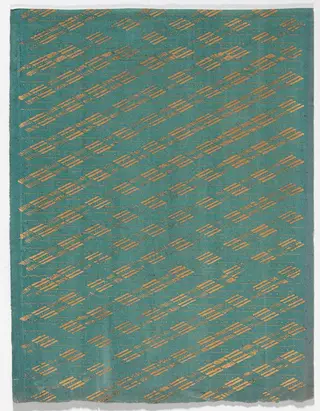 Endpaper
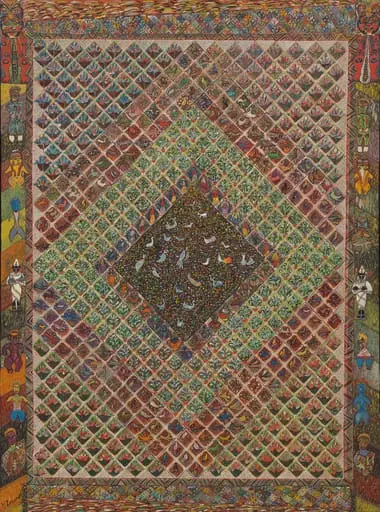 Untitled
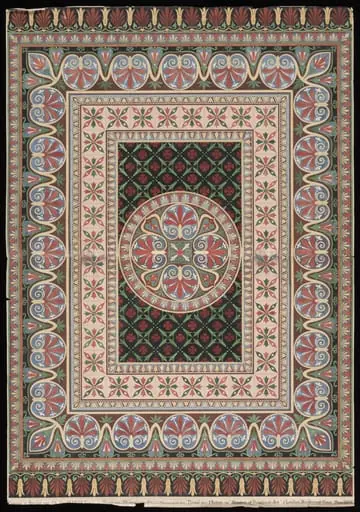 Untitled
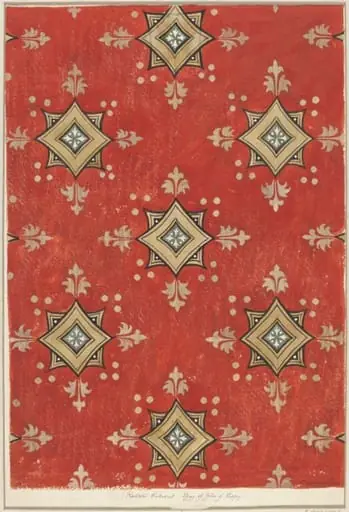 Untitled
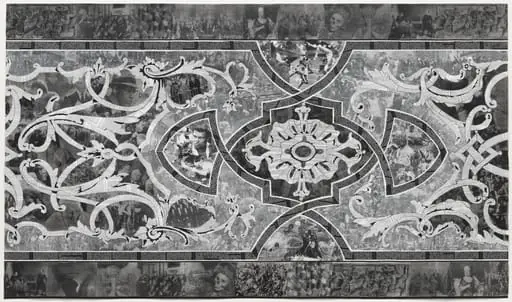 Untitled
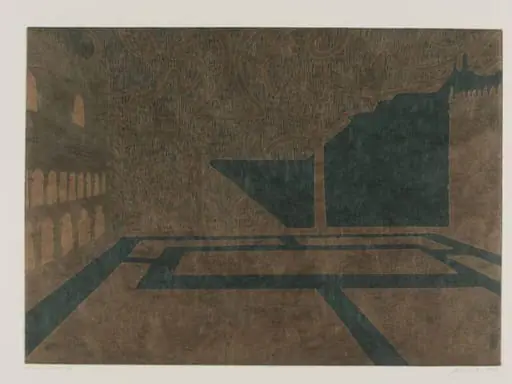 St. Mark's Square
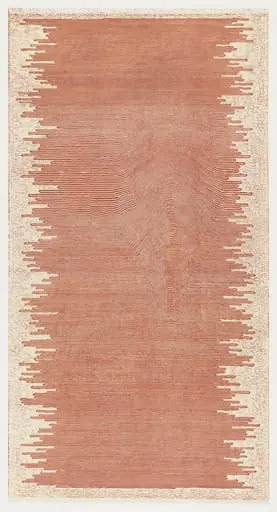 Untitled
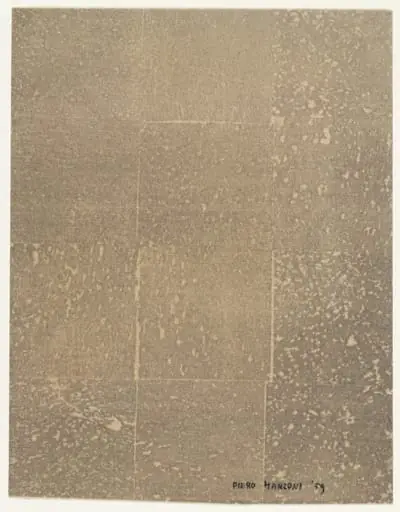 Untitled
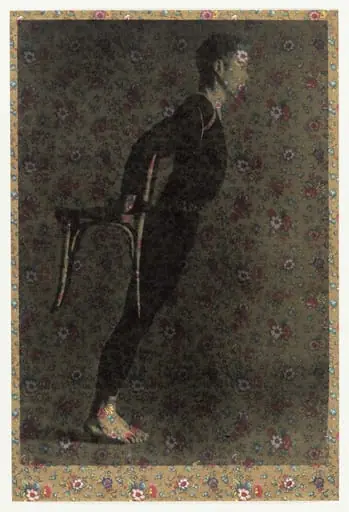 Untitled
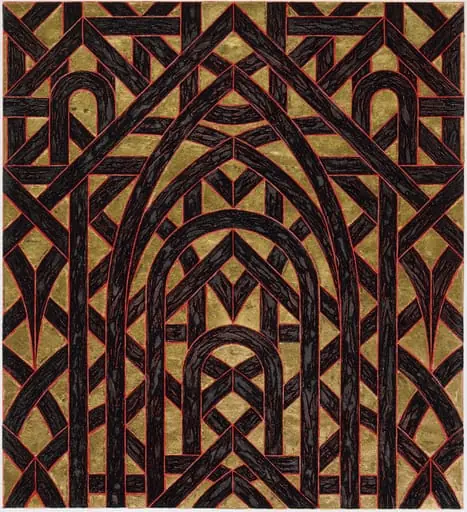 Untitled
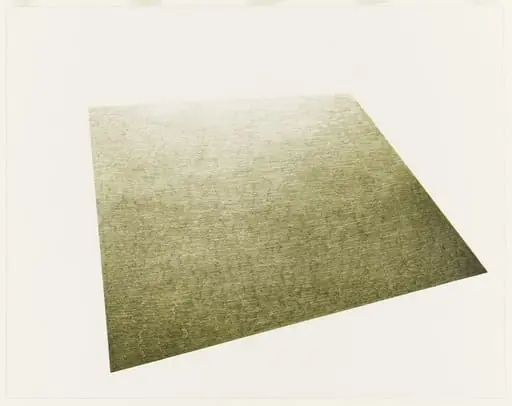 Untitled
 Untitled
Frequently asked questions
What is Carpet?
Carpet is a subject in art. A carpet or rug is a textile floor covering that typically consists of an upper layer of pile attached to a backing.
How many Carpet works does Artifact World Gallery have?
Artifact World Gallery holds 48 public-domain Carpet works, all free to view and download.
Who are the key Carpet artists?
Key Carpet artists in the collection include Thomas Eakins, Jacques-Louis David and Ralph Earl.
Where can I see Carpet works?
Carpet works in the collection are held by Museum of Modern Art, Metropolitan Museum of Art and Statens Museum for Kunst.