Artwork
Portrait of an unknown man
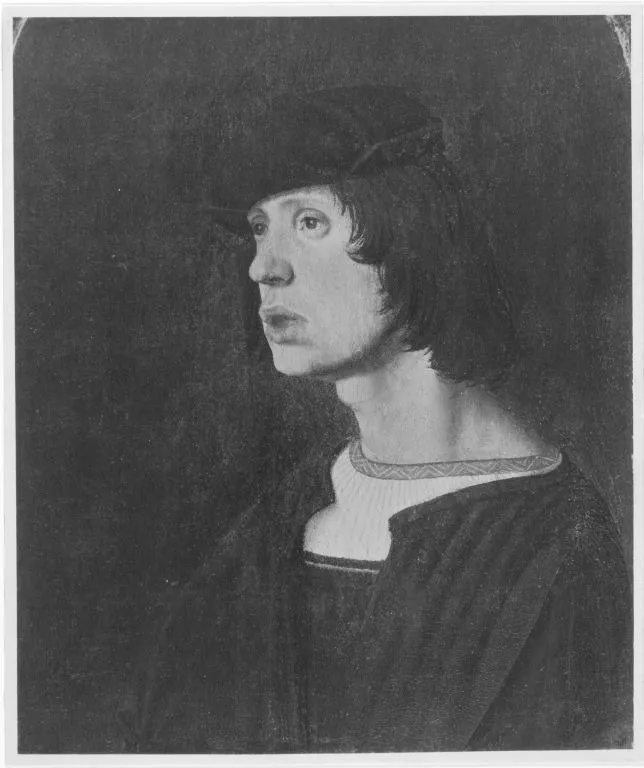
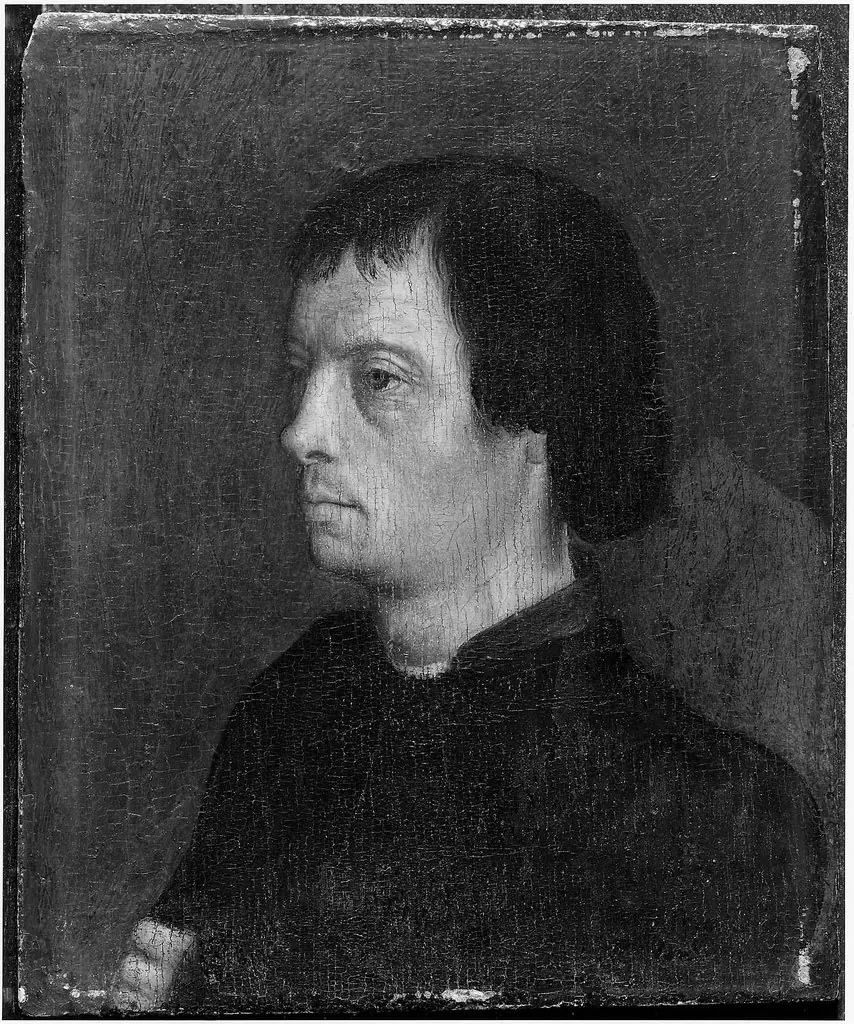
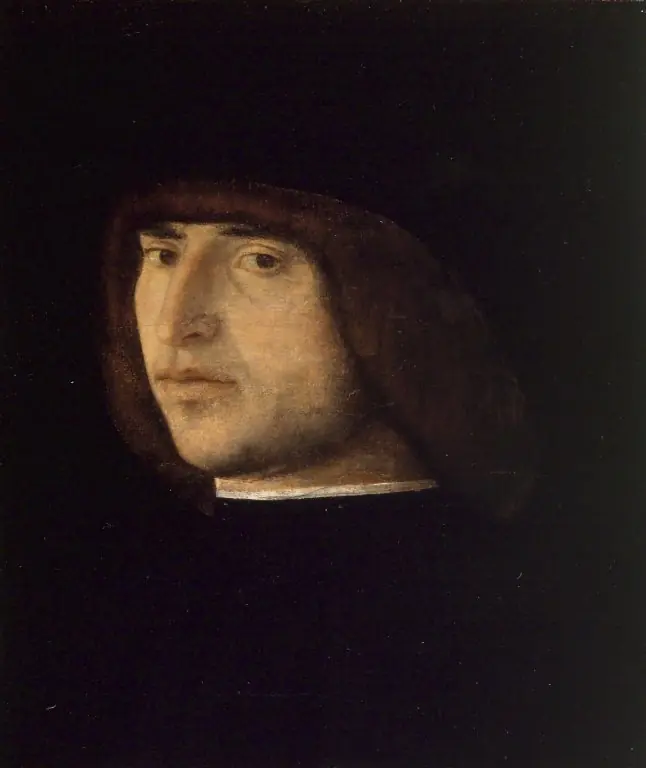
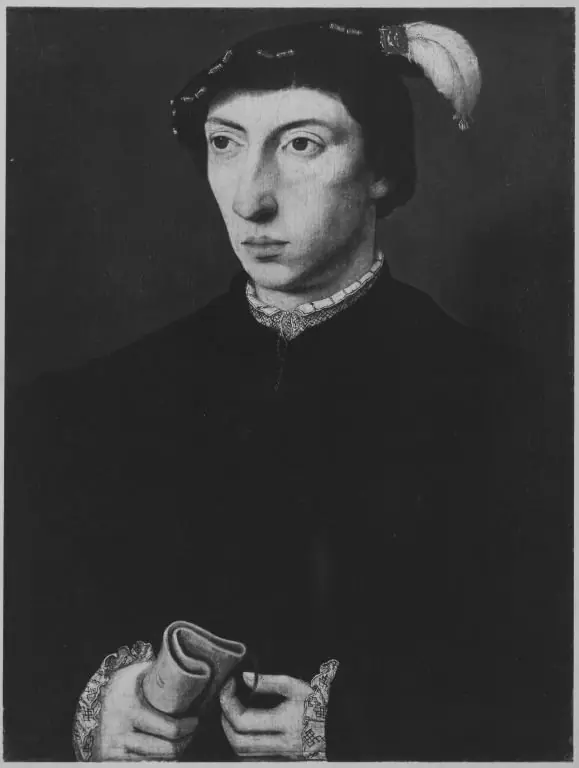
Portrait of an unknown man is an oil painting by the Northern Renaissance artist Unknown. It dates from 1470 and is held in the collection of the Bavarian State Painting Collections. The work is an oil painting that presents a close‑up view of a man's profile.
About this work
Subject & Meaning
The painting is held by the Bavarian State Painting Collections at the Alte Pinakothek in Munich.
The painting depicts an unidentified man, rendered as a small-scale oil-on-oak-panel portrait. Because the sitter's identity is not recorded, the work functions less as a commemoration of a named individual than as a study of an anonymous male subject, a common convention in late-fifteenth-century Netherlandish portraiture. The portrait genre itself carries the principal meaning: the careful, close-up presentation of a single human face, intended to convey presence and likeness rather than narrative or allegorical content.
No symbolic attributes, inscriptions, or iconographic devices are documented for the panel, so the work's significance lies in its straightforward characterization of the unnamed sitter rather than in any encoded symbolism.
The painting is held by the Bavarian State Painting Collections at the Alte Pinakothek in Munich.
Technique & Style
The portrait is executed in oil paint on an oak panel, a support characteristic of Northern European panel painting of the period. The work is small in scale, measuring 21.6 cm in height by 18 cm in width, an intimate format suited to private devotional or commemorative use.
Stylistically, the painting is attributed to a Dutch artist working around 1470, with a possible later date near 1520 also noted in the cataloguing. The handling is consistent with late fifteenth-century Netherlandish portraiture, focused on the depiction of an unidentified male sitter. The panel is held in the Bavarian State Painting Collections and displayed at the Alte Pinakothek.
History & Provenance
Created around 1470, this oil painting on oak panel is attributed to an anonymous Dutch master active during that period, with some scholarship suggesting a possible date as late as 1520. The work depicts an unidentified male subject. Historically, the painting entered the holdings of the Bavarian State Painting Collections.
It is currently housed in the Alte Pinakothek, where it remains part of the institution's permanent assembly of Netherlandish art.
The Portrait of an unknown man is held by the Bavarian State Painting Collections and is located within the Alte Pinakothek in Munich. Created around 1470, the work is cataloged as an oil painting on oak panel depicting a male subject. The piece measures 21.6 cm in height and 18 cm in width.
No specific inventory or accession numbers are provided in the available records, nor is there any documented exhibition history for this work in the current sources.
Overview
The work is an oil painting that presents a close‑up view of a man's profile. He wears a dark hat and a plain white collar edged with a subtle pattern, set against an unadorned dark background that isolates his features. The composition emphasizes the sitter’s face, allowing the viewer to focus on his calm, slightly serious expression.
Context
Portraits of unnamed individuals were common in the 17th and 18th centuries, serving as studies of character or as generic representations for decorative purposes. The work’s emphasis on chiaroscuro aligns it with a broader European tradition that used light to model form and convey psychological depth, situating it within that historical visual language.
Artist & collection