Artwork
Portrait of Gaston de Foix, French Military Commander
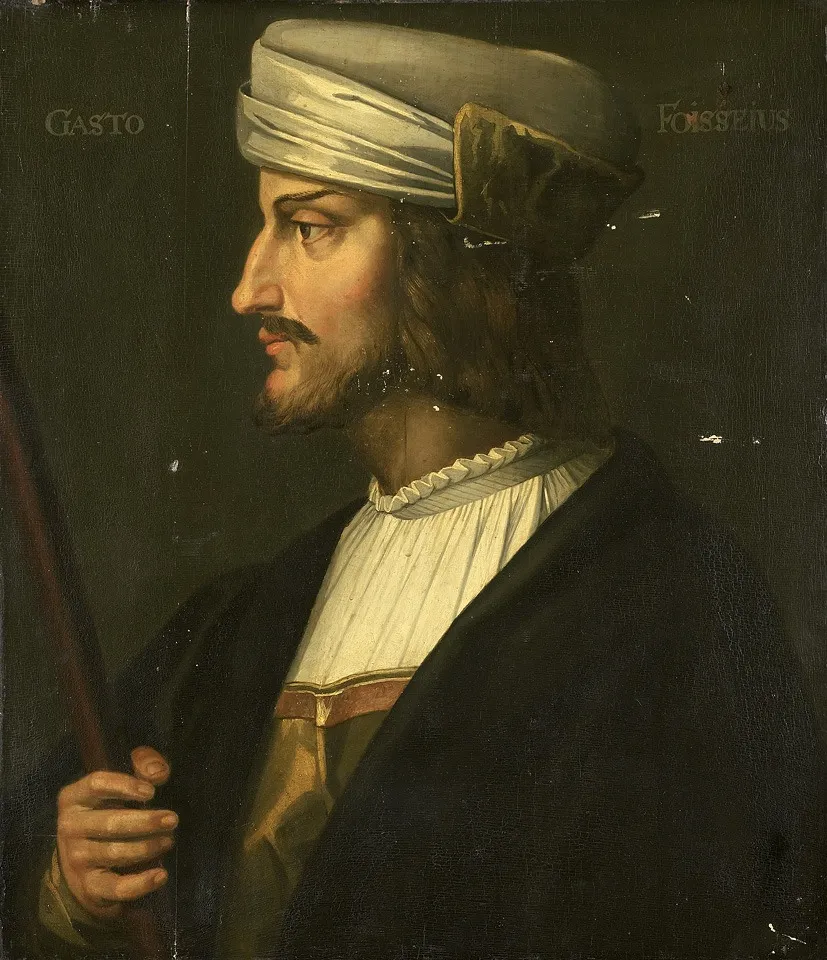
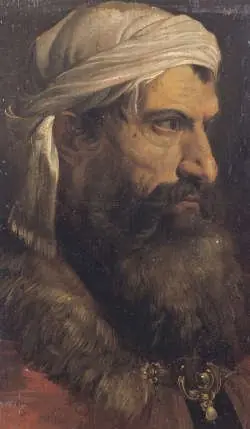
Portrait of Gaston de Foix, French Military Commander is an oil painting. It dates from 1650 and is held in the collection of the Rijksmuseum. The work is an oil painting that presents a solitary figure in profile, turned toward the left.
About this work
History & Provenance
Originating in France, the work depicts Gaston of Foix, Duke of Nemours, and measures 53 cm in height by 46 cm in width.
The Portrait of Gaston de Foix, French Military Commander is an anonymous oil painting on panel created in 1650. Originating in France, the work depicts Gaston of Foix, Duke of Nemours, and measures 53 cm in height by 46 cm in width. The painting is currently held in the collection of the Rijksmuseum, National Art Gallery of the Netherlands.
No specific details regarding the original commission, the identity of the artist, or the intermediate ownership chain prior to its museum acquisition are provided in the available records.
The work is held in the collection of the Rijksmuseum, National Art Gallery of the Netherlands. Its inventory number is not provided in the sources. The painting was created in France in 1650 and depicts Gaston of Foix, Duke of Nemours. It has been exhibited at the Rijksmuseum as part of its collection display.
Overview
The work is an oil painting that presents a solitary figure in profile, turned toward the left. He is dressed in a white turban edged with gold, a dark jacket, and a white shirt with a ruffled collar. A staff is grasped in his right hand, and his expression is solemn. The background is rendered in deep shadow, which isolates the sitter and emphasizes his features.
Subject & Meaning
The portrait depicts a French military commander, identified as Gaston de Foix. His attire, a turban and formal clothing, suggests a blend of contemporary fashion and martial authority. The serious gaze and the staff, a symbol of command, convey his role as a leader and the gravity of his position during a period of frequent warfare.
Technique & Style
The artist employs chiaroscuro, contrasting illuminated areas of the face, turban, and clothing with a dark, unlit backdrop. This handling creates a three‑dimensional sense of volume and draws the eye to the sitter’s features. The smooth brushwork on the fabrics and the precise rendering of the turban’s gold band reflect a refined, courtly style typical of early 16th‑century portraiture.
Artist & collection

 Andrea de' Franceschi
 Portrait of Andrea dei Franceschi
 Man with a Pipe
 Man with a Pipe
 Knight of Malta
 Portrait of Lorenzo di Giovanni de' Medici
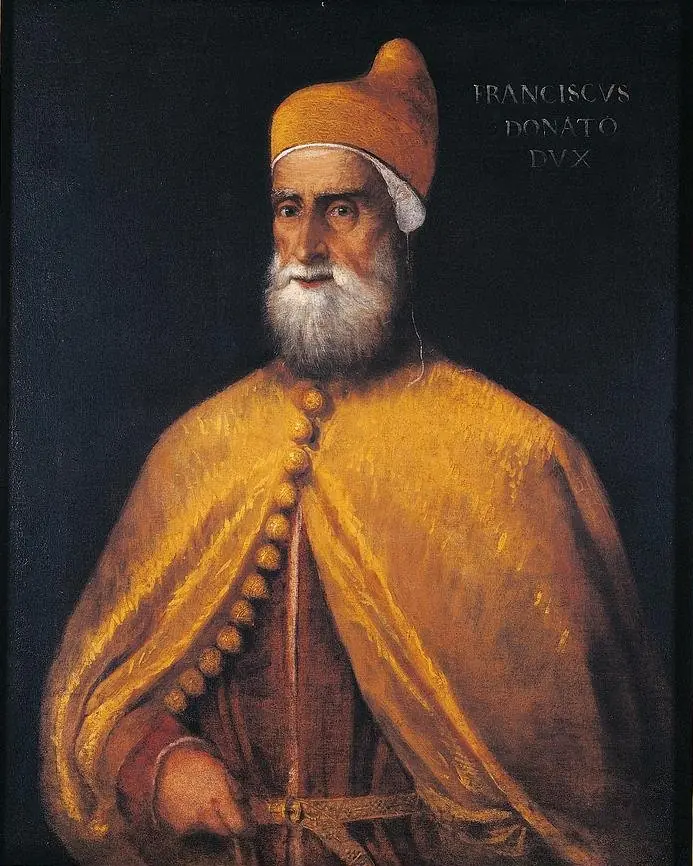 Portrait of Doge Francesco Donà
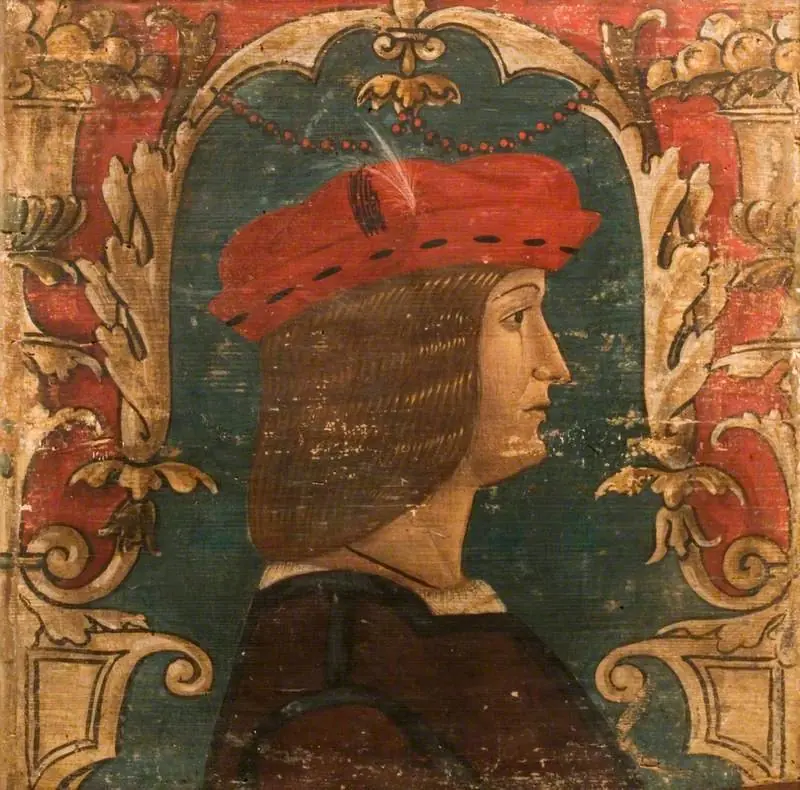 Profile Bust of a Man Facing Right (one of 29 painted panels from a frieze)
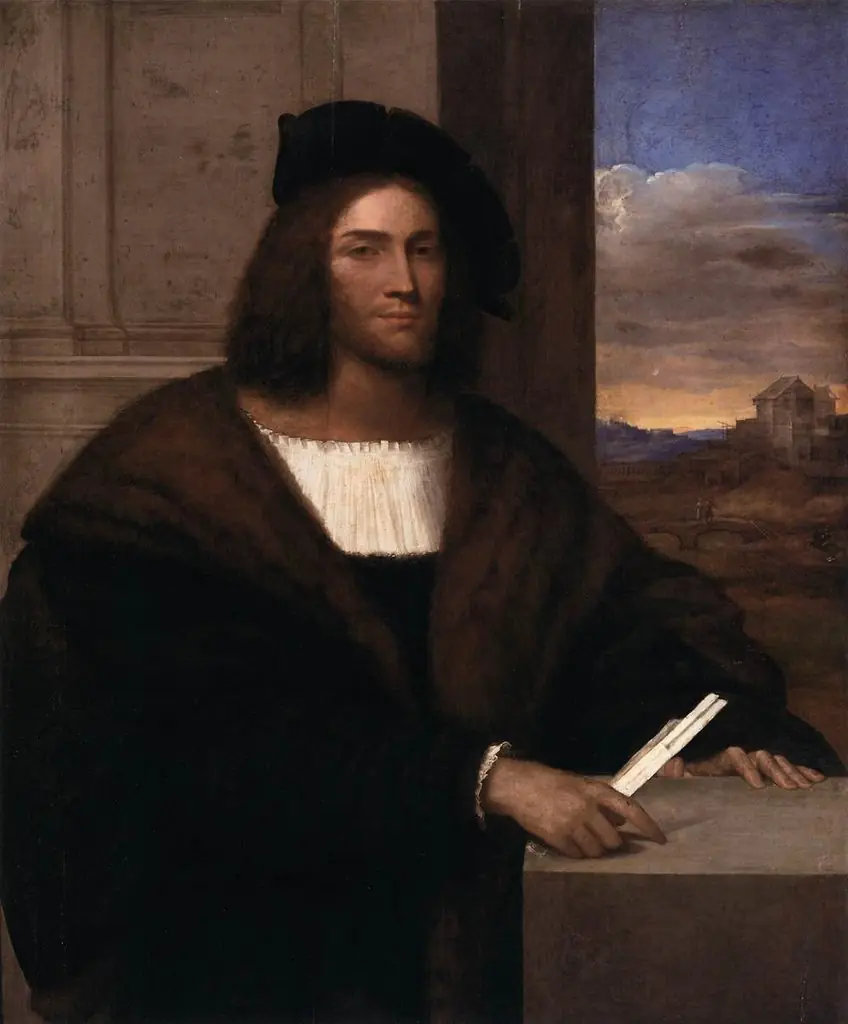 Portrait of a Man
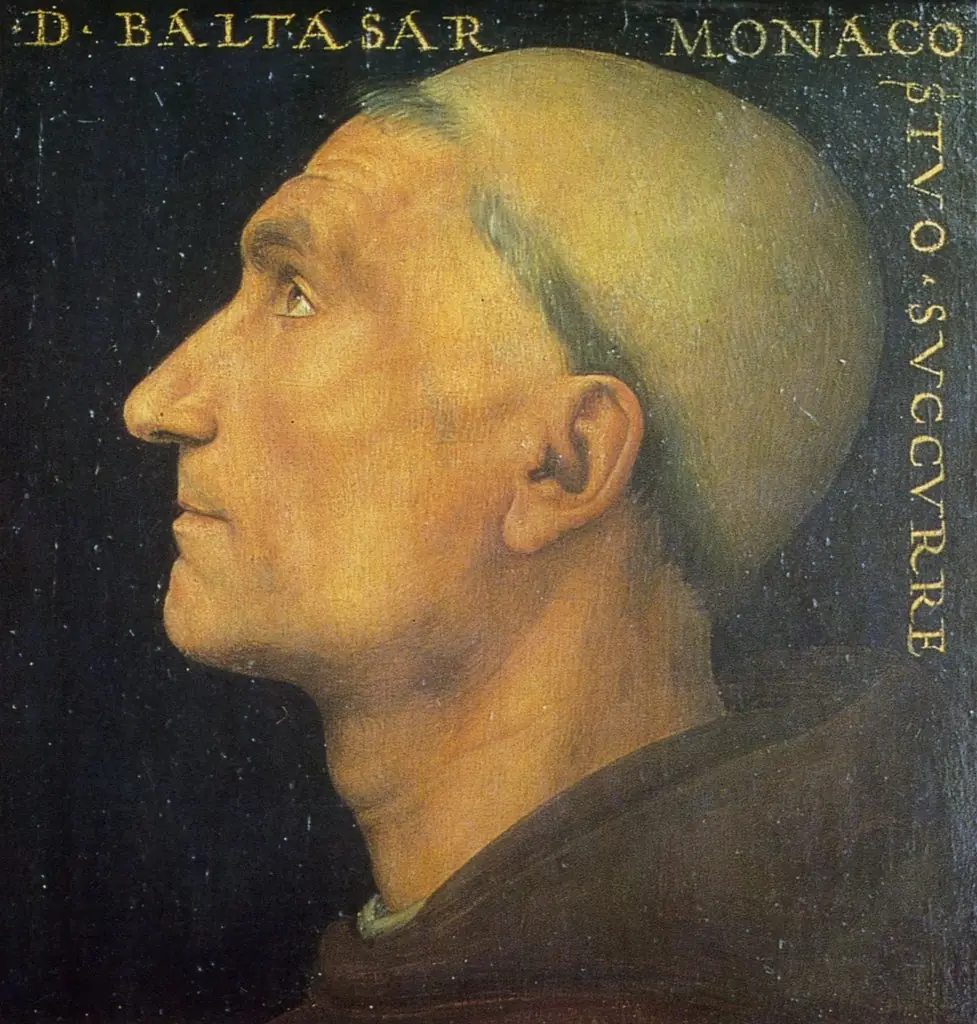 Don Baldassare di Antonio di Angelo
 Man with turban
- Portrait of Francis I, King of France