Artwork
Portrait of Martin Luther (1483-1546)
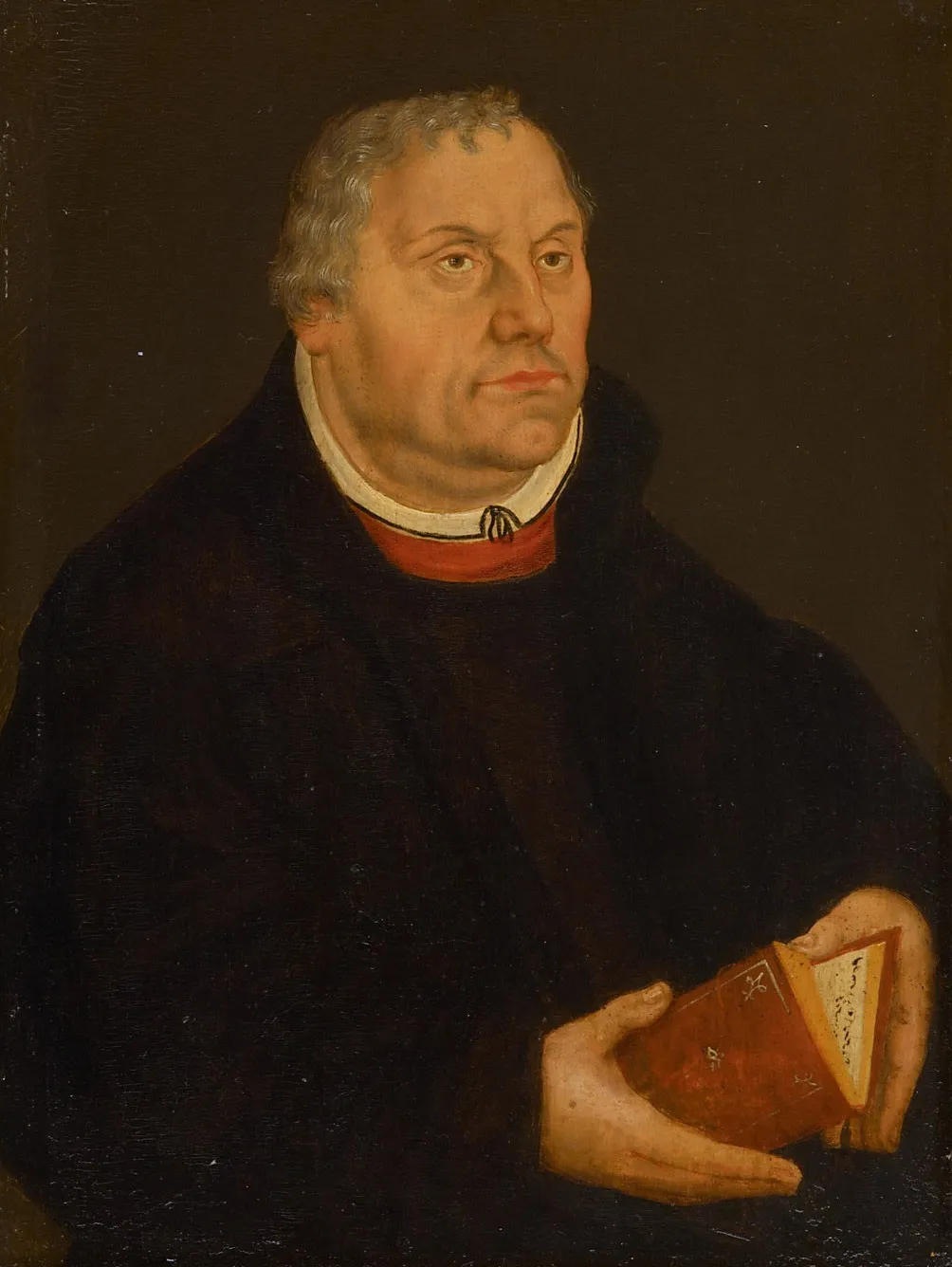
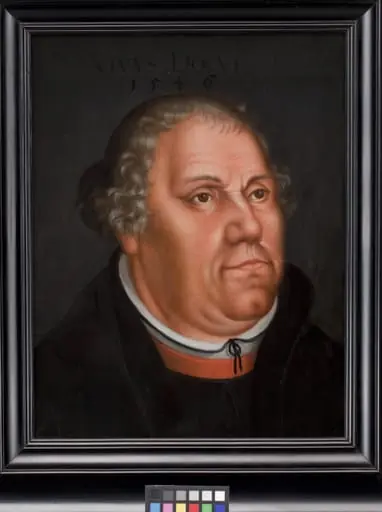
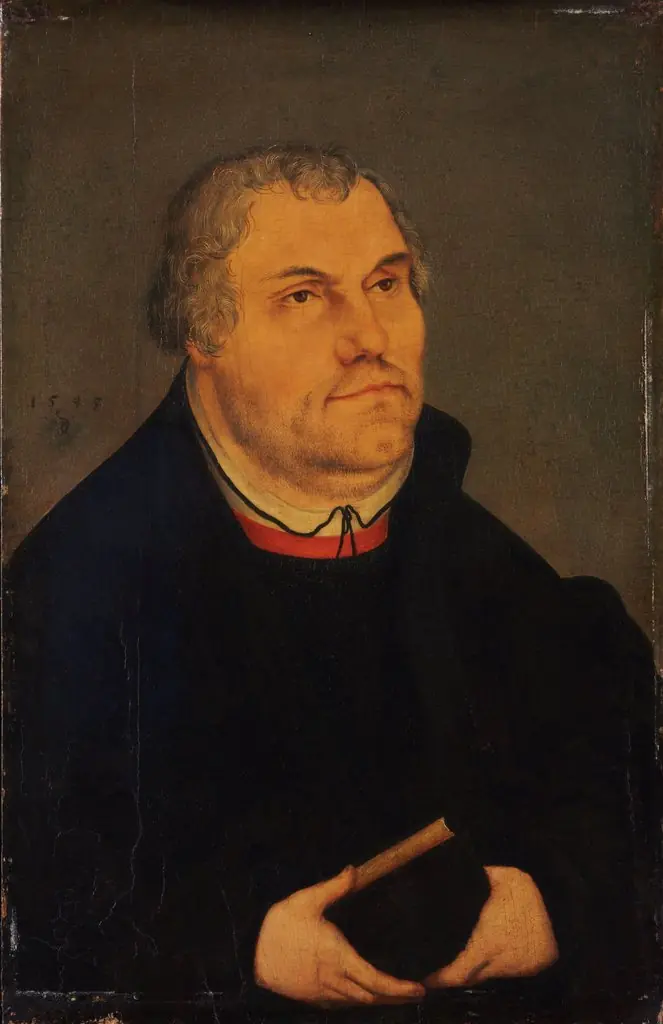
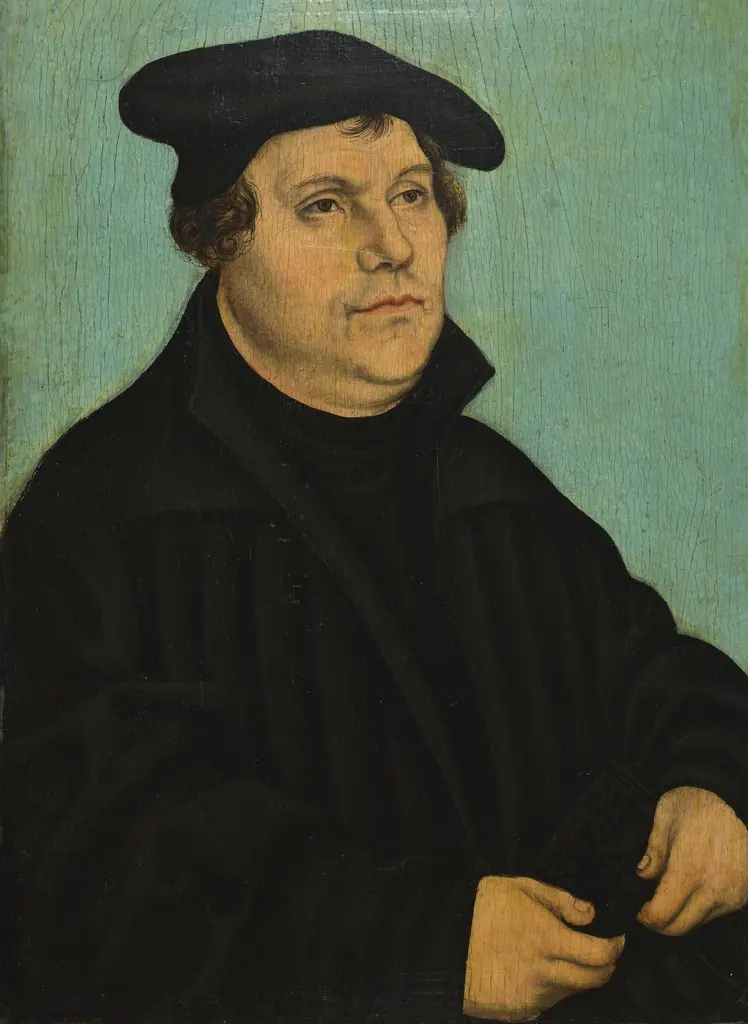
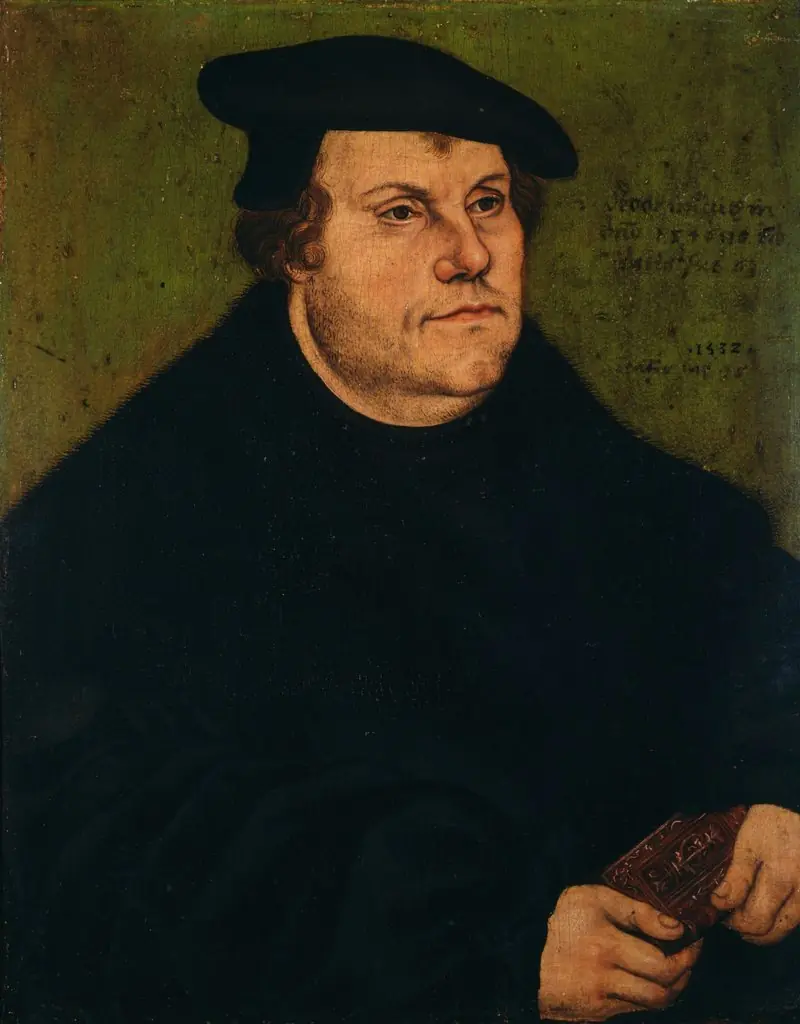
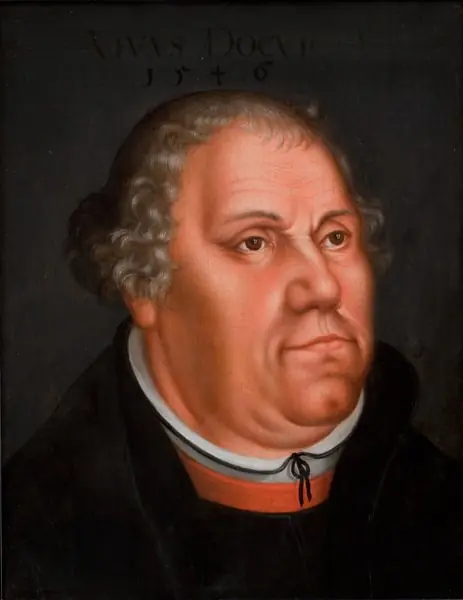
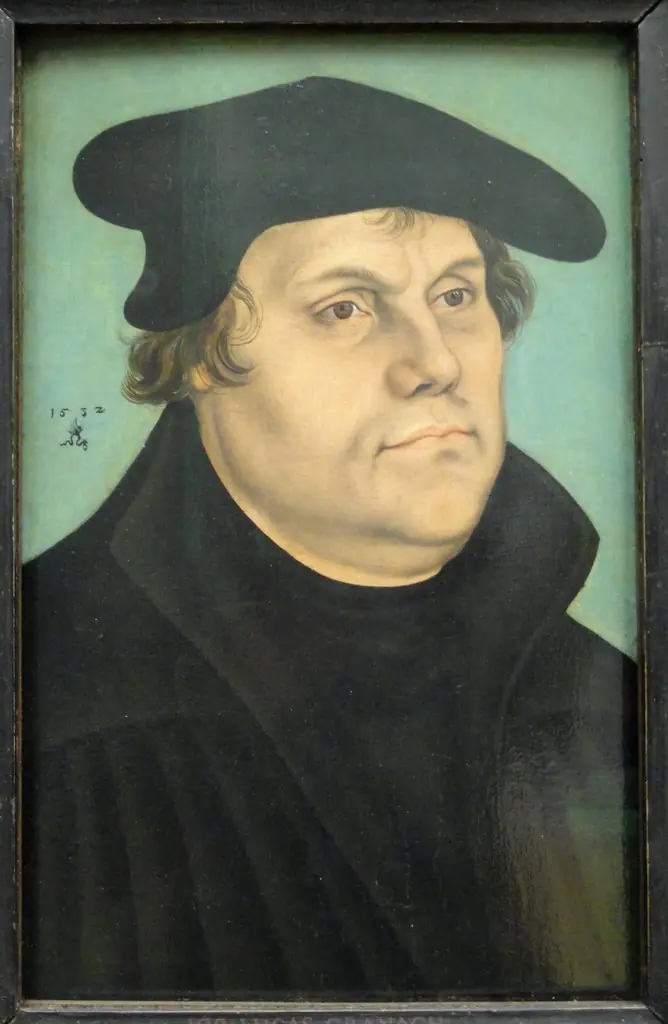
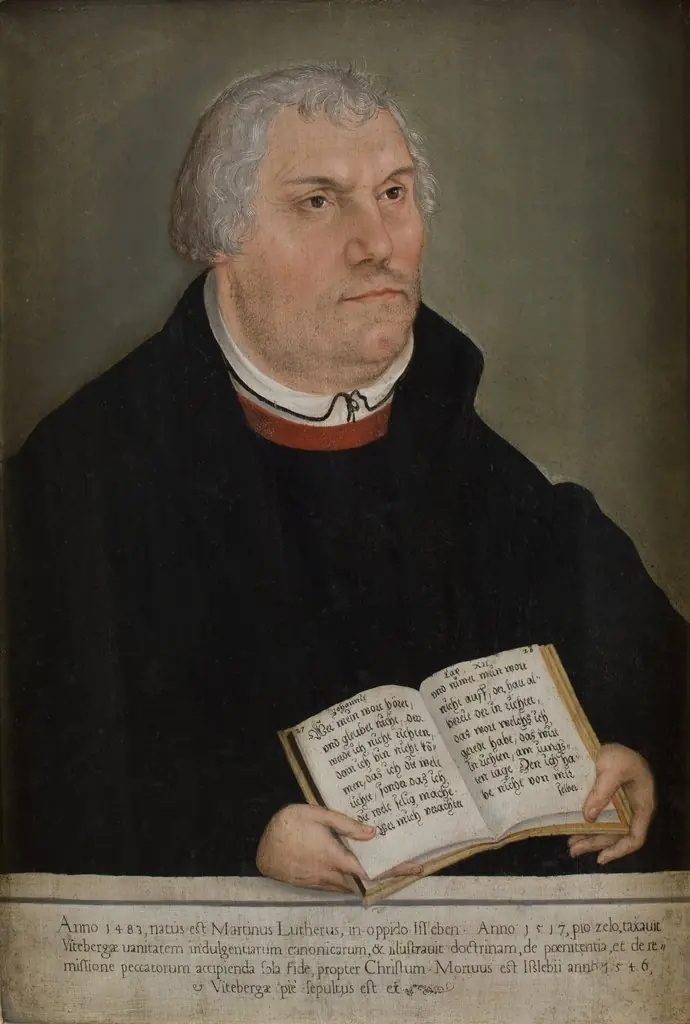
Portrait of Martin Luther (1483-1546) is an unspecified painting by the Late Mannerist artist Unknown. It dates from 1575 and is held in the collection of the Kunsthistorisches Museum. The work is a panel painting depicting a solitary figure dressed in a black robe with a vivid red collar.
About this work
Subject & Meaning
The work shows Martin Luther in a conventional portrait format, rendered on panel in 1575.
The work shows Martin Luther in a conventional portrait format, rendered on panel in 1575. It follows the visual language of early Reformation portraiture, presenting the reformer in sober dress without overt attributes, allowing his likeness to serve as a symbolic representation of his theological authority. The composition’s simplicity underscores Luther’s role as a spiritual figure rather than a historical narrative, inviting viewers to focus on his presence as a central subject of the painting.
Technique & Style
The work is executed on a wooden panel, painted in oil to achieve a smooth, almost enamel-like surface that renders the sitter's features with precise clarity. The brushwork emphasizes fine linear detail in the facial contours and clothing, while the muted palette and restrained chiaroscuro convey a sober, introspective presence. The composition is tightly framed, focusing attention on Luther's gaze and the subtle folds of his attire, reflecting the formal conventions of 16th‑century portraiture.
The painting's handling demonstrates careful preparation of the panel, with a primed ground that supports delicate glazing techniques to build depth in skin tones. The overall condition remains stable, showing minimal craquelure and no significant pigment loss, allowing the original tonal relationships to persist.
Stylistically, the piece aligns with the late Renaissance emphasis on naturalistic representation and psychological immediacy, while the restrained decorative elements underscore a focus on the sitter's character rather than ornamental flourish.
History & Provenance
The work is dated to 1575 and is catalogued as a panel painting after Lucas Cranach the Younger, not as an autograph work by the elder Cranach. It entered the collection of the Kunsthistorisches Museum, where it remains held. The painting depicts Martin Luther and is recorded with dimensions of 23 cm in height and 17 cm in width.
The attribution to Lucas Cranach the Younger as the model or source aligns with the museum’s classification of the work as a portrait genre piece within its holdings.
The 1575 panel portrait of Martin Luther, executed after Lucas Cranach the Younger, is held in the collection of the Kunsthistorisches Museum. This work, which depicts the reformer in a small format measuring 23 cm in height and 17 cm in width, remains part of the museum's permanent holdings. The provided sources do not contain specific accession numbers or a record of past exhibitions for this particular painting.
Overview
The work is a panel painting depicting a solitary figure dressed in a black robe with a vivid red collar. He holds a brown, leather‑bound book in his left hand, and his gaze meets the viewer directly. The composition is set against a dark background that isolates the subject, emphasizing his solemn expression.
Context
Panel portraiture of this period often served to commemorate notable individuals, especially those involved in religious or intellectual movements. The stark background and restrained attire reflect the austere aesthetic associated with early Reformation figures, aligning the visual presentation with the subject’s theological stance.
Artist & collection