Artwork
Portrait of Prince Sur Singh Rathor of Bikaner (1594–1631)
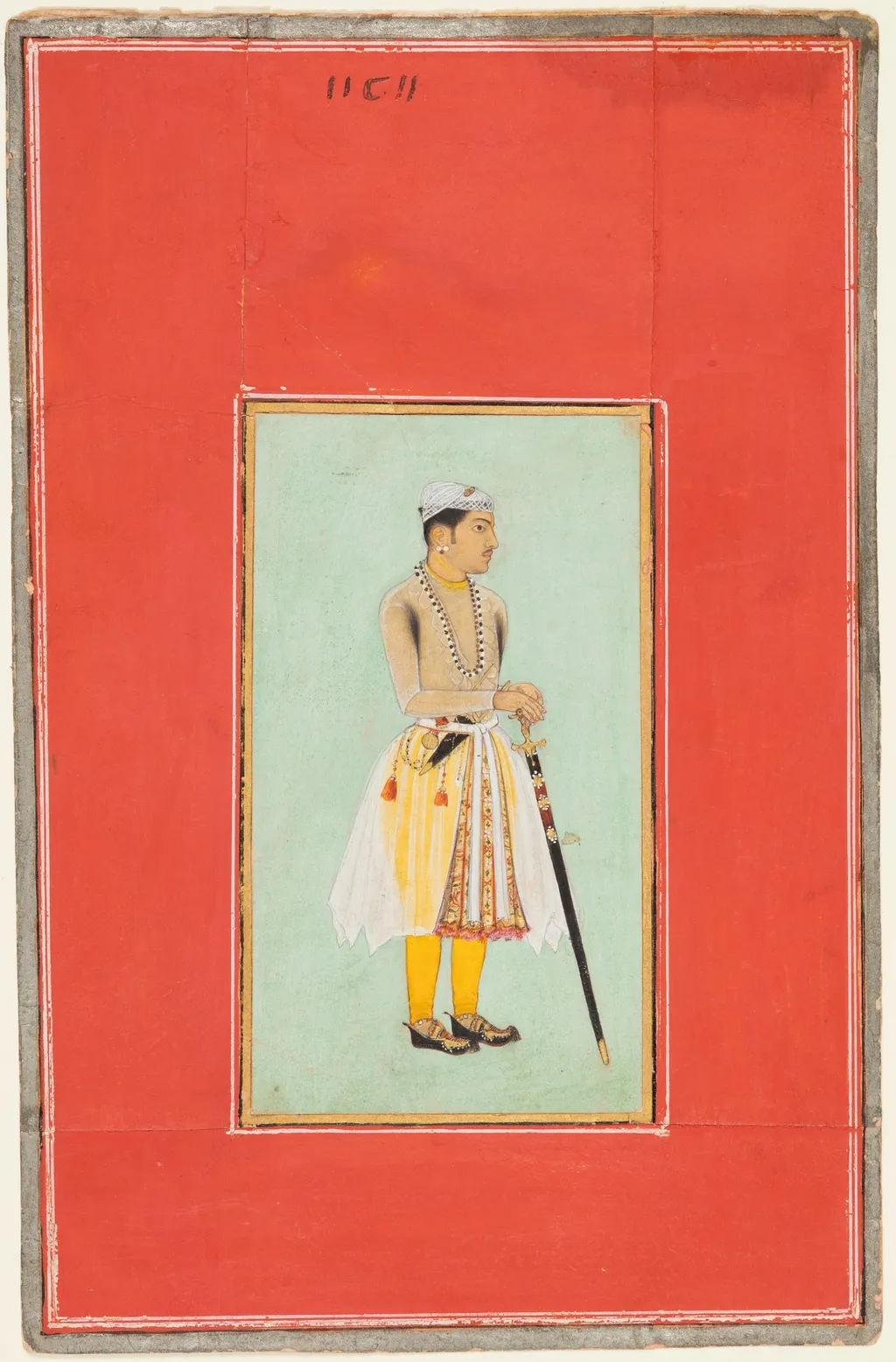
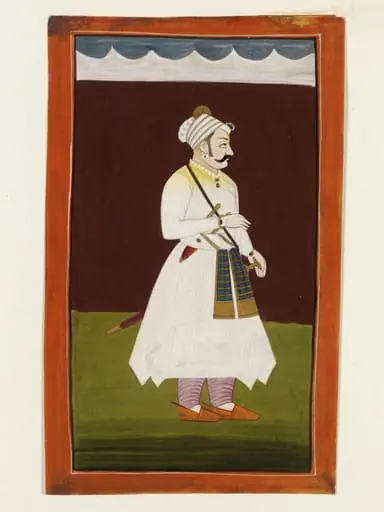
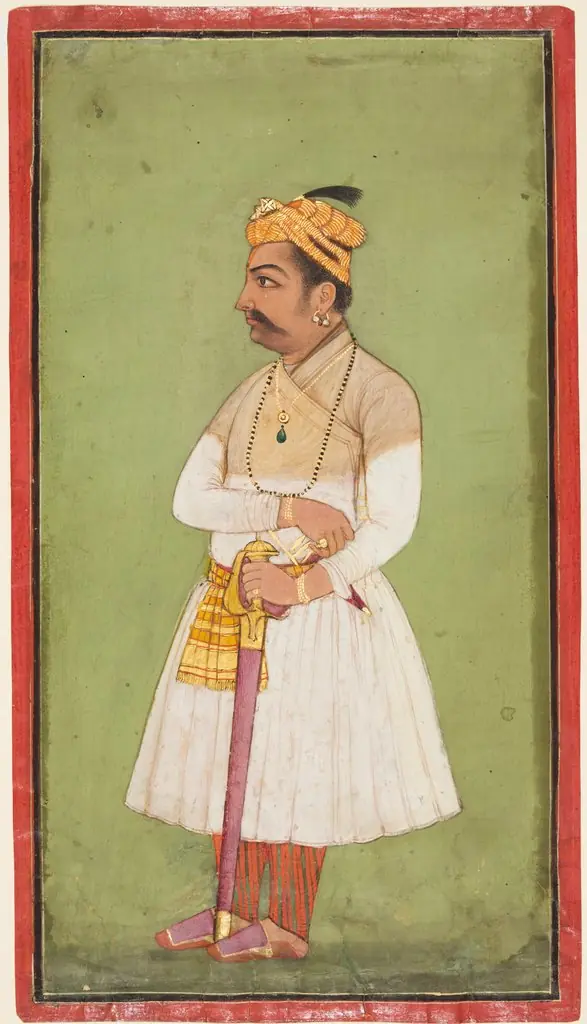
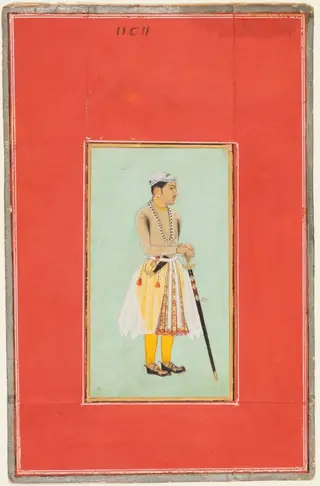
Portrait of Prince Sur Singh Rathor of Bikaner (1594–1631) is an unspecified painting. It dates from 1612 and is held in the collection of the Cleveland Museum of Art. This painting depicts Prince Sur Singh Rathor, who ruled Bikaner from 1594 to 1631.
About this work
Subject & Meaning
As part of the Cleveland Museum of Art’s collection, the work serves as a visual record of aristocratic representation in 17th‑century Indian painting.
The painting shows Prince Sur Singh Rathor of Bikaner, a member of the Rathor lineage of the Rajput court. Rendered as a formal portrait in 1612, it conveys the sitter’s princely rank through conventional court attire and regalia typical of early‑Mughal Rajput portraiture. Its creation in the Bikaner State underscores patronage of royal imagery that affirmed dynastic authority and cultural identity.
As part of the Cleveland Museum of Art’s collection, the work serves as a visual record of aristocratic representation in 17th‑century Indian painting.
History & Provenance
Created in 1612 within the Bikaner State, this portrait depicts Prince Sur Singh Rathor. The work was produced by an unknown artist, as no specific creator is attributed in the available records. It is currently held in the collection of the Cleveland Museum of Art, where it is cataloged under the accession number 2018.188.
The painting serves as a historical document of the prince during his lifetime, which spanned from 1594 to 1631.
The Portrait of Prince Sur Singh Rathor of Bikaner is held in the collection of the Cleveland Museum of Art, located in Cleveland. The institution catalogs the work under the accession number 2018.188. Created in 1612 within the Bikaner State, the painting is attributed to an unknown artist.
The provided sources confirm the museum's ownership and the specific inventory identifier but do not list any past or current exhibitions for this object.
Overview
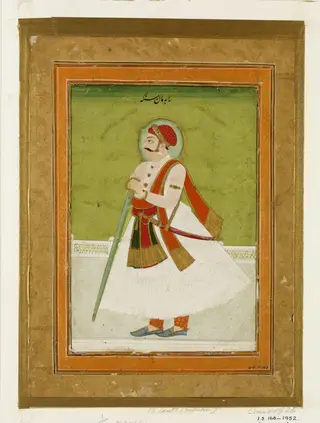
This painting depicts Prince Sur Singh Rathor, who ruled Bikaner from 1594 to 1631. The artwork captures the prince in a formal pose, showcasing the elaborate attire typical of his status during the period. Rendered with attention to detail, the portrait serves as a visual record of a significant historical figure, reflecting the artistic traditions prevalent in the region at the time.
Technique & Style
The artist employs a clear, descriptive style, focusing on the prince's elaborate garments. He wears a white turban, a yellow sash, and a long skirt adorned with red and gold patterns, complemented by matching yellow stockings and shoes. The figure stands against a simple green background, which allows the vibrant colors and detailed designs of his attire to stand out, all enclosed within a distinct red border.
Artist & collection