
Subject
Turban
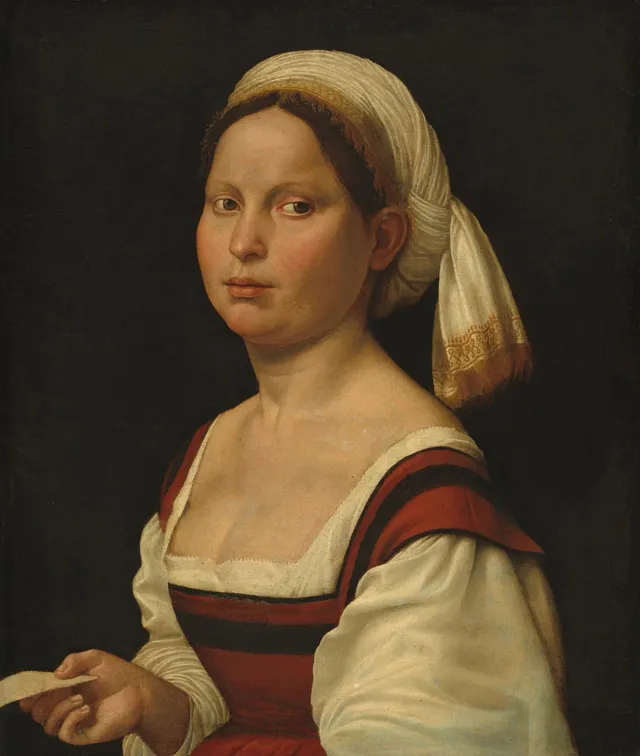
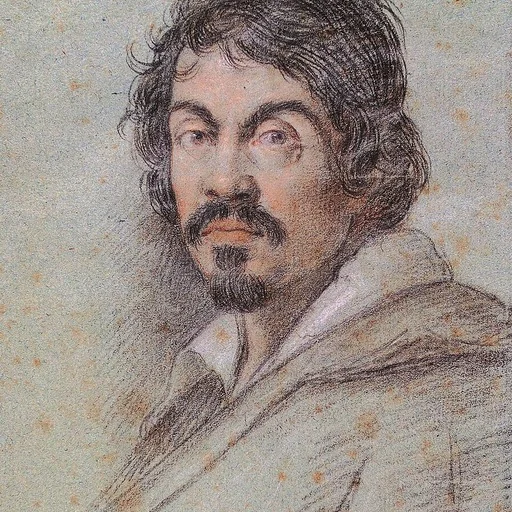
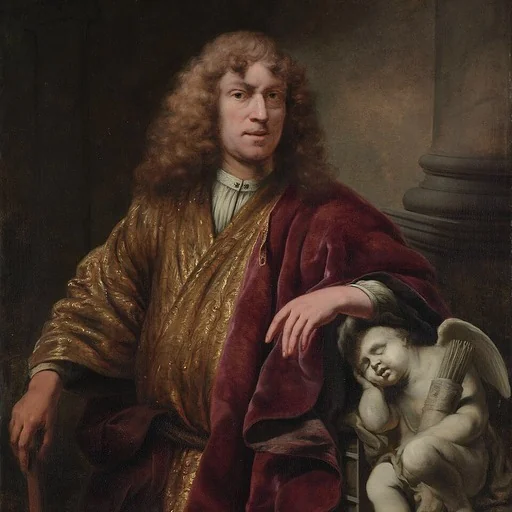
Turban is a subject in art. The gallery holds 75 works in this subject in art, including works by Jean Léon Gérôme, Caravaggio and Ferdinand Bol.
family name
Key artists
Overview
A turban is a type of headwear created by winding cloth around the head, with variations found across numerous cultures and geographic regions. Communities with prominent turban-wearing traditions exist throughout South Asia, Southeast Asia, the Middle East, the Arabian Peninsula, North Africa, the Horn of Africa, and among some Turkic peoples in Russia. The form serves multiple functions: practical protection against sun, dust, and wind; religious observance; social and regional identification; and ceremonial display. The earliest known depiction appears on a Mesopotamian sculpture dating to approximately 2350 BCE. In art, the turban recurs as a motif that signals cultural identity, religious affiliation, social status, and exoticism, making it a versatile and enduring visual element across periods and movements.
Iconography & meaning
The iconography of the turban varies considerably by context. In religious art, it denotes faith and piety: Sikh men wear the dastar as a sacred obligation, while Shia Muslims regard turban-wearing as a confirmed tradition (Sunnah mu'akkadah), with white turbans standard for clerics and black reserved for sayyids, descendants of Muhammad. Sufi scholars traditionally wear green turbans symbolizing paradise. In South Asian contexts, the pagri or safa indicates honor and respect, with colors chosen for specific occasions, saffron for valour, white for peace, and pink for spring or marriage. The method of wrapping can signal social position, marital status, or regional identity. In African contexts, particularly among the Tuareg, the indigo tagelmust carries spiritual significance, with face-veiling believed to protect spiritual vulnerability. For nobility across cultures, elaborate turbans served as displays of rank and court ceremony, exemplified by the qalansuwa in ancient Persian society and its adoption by Islamic caliphates. In Western art, the turban frequently carries Orientalist connotations, signaling exoticism or otherness when depicted on figures from the Middle East, North Africa, or Asia.
Across movements & periods
The treatment of the turban in art evolved significantly across movements and periods. In early religious art, turbans appeared in biblical scenes as historically plausible headwear for ancient Near Eastern settings. Byzantine soldiers wore a style called phakeolis in the period 400-600, and this form persisted in Greek frescoes from 10th-century Cappadocia. During the Renaissance and Baroque periods, artists used turbans to lend historical authenticity to biblical subjects and to signal the wealth or foreign status of sitters in portraiture. The 19th century saw intensified Orientalist interest, with painters depicting turbans in harem scenes and Middle Eastern genre subjects as part of a broader fascination with exotic cultures. In the same period, ethnographic interest produced documented studies of actual turban traditions, such as those in Rajasthan where seasonal, caste, and ceremonial variations were meticulously classified. The 20th century brought both continued documentary interest and modernist abstraction of the form. Contemporary practice includes the turban's adoption as fashion statement, with designers such as Jean Paul Gaultier incorporating it into collections from 2013 onward, while also maintaining its role in religious and cultural identity for Sikh, Muslim, and African communities.
Notable depictions
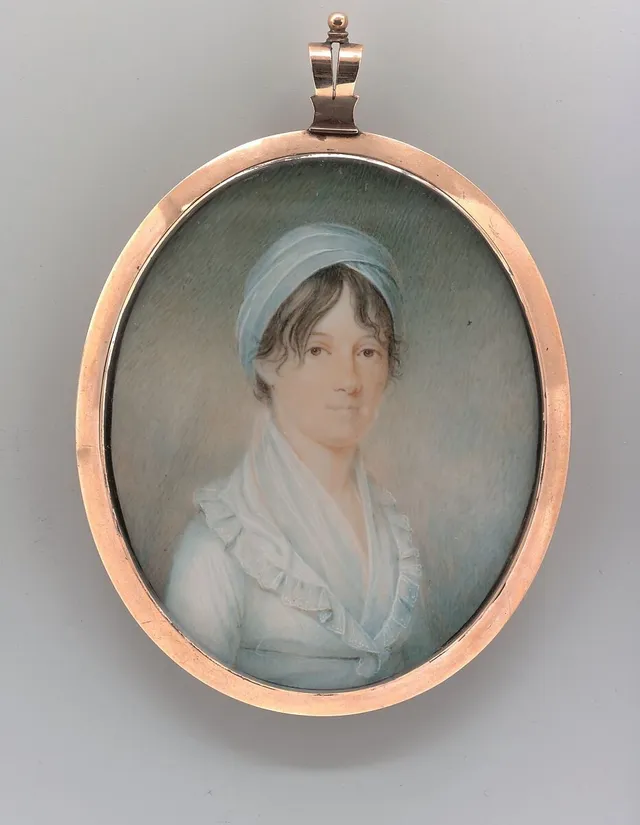
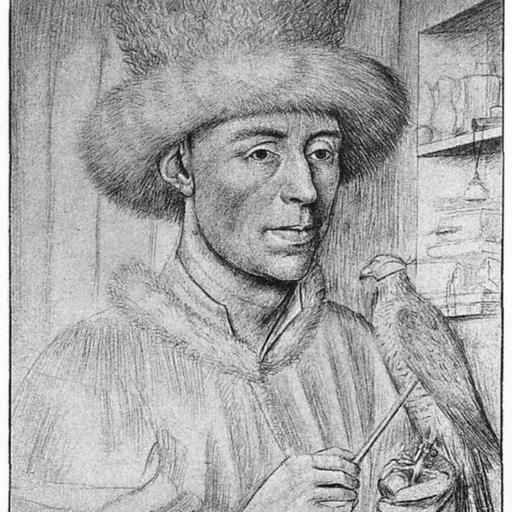
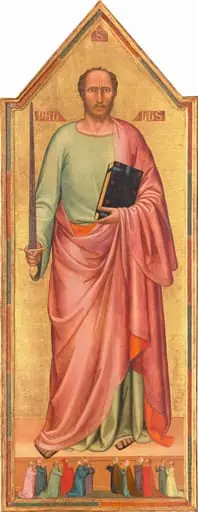
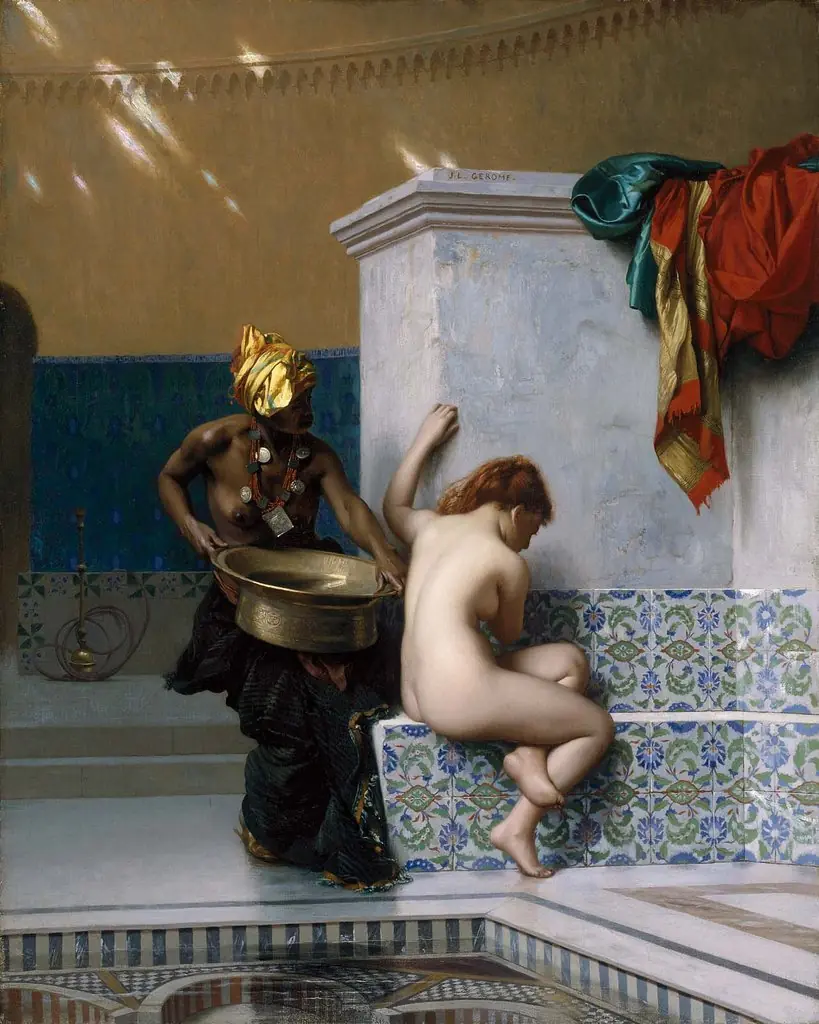
Specific notable depictions in the collection include Portrait of a Man in a Turban, a direct engagement with the motif as a subject in itself. The Orientalist works Moorish Bath and Pool in a Harem by unnamed artists in this collection represent the 19th-century European fascination with imagined Middle Eastern and North African interiors. The religious works Saint Paul and a Group of Worshippers, Separation of David and Jonathan, and The Return of the Prodigal Son demonstrate the turban's use in biblical narrative. In portraiture, Mrs. Jonathan Pinkney, Jr. and Mrs. Robert Shurlock (Henrietta Ann Jane Russell, 1775-1849) and Her Daughter Ann show the turban as fashionable or domestic headwear in European and American contexts. Beyond this collection, the Metropolitan Museum of Art holds a 19th-century Turkish Turban Ornament of silver sheet, gilded with filigree and enamel, measuring 4 1/16 inches in height, which represents the luxury craftsmanship applied to actual turban accessories. The Detroit Institute of Arts preserves an Eastern Sioux turban from circa 1880 made of otter pelt, deerskin, feathers, glass beads, and porcupine quill, demonstrating Native American adaptation of the form. Among Seminole and Miccosukee communities, multicolored cotton turbans with silver bands and ostrich plumes are worn by elders and religious leaders during the annual Green Corn Dance, their most important religious gathering.
Legacy
The turban's legacy in art and culture extends from ancient practical headwear to contemporary symbol of identity and fashion. Its persistence across millennia reflects both functional utility and deep cultural embedding. In South Asia, institutions such as the Surabhi Restaurant and Turban Museum in Jaipur, housed in a 1727 haveli that was the palace of the prime minister of Sawai Jai Singh, preserve and display regional turban traditions from Rajasthan, Madhya Pradesh, and Gujarat, with demonstrations and competitions maintaining living practice. The museum's collection documents how turbans vary by season, community festival, and family circumstance such as marriage, birth, and death. Globally, the turban has become a contested symbol: for Sikh communities, it remains a non-negotiable religious requirement; for African and African diaspora communities, headwraps and turbans represent cultural continuity and resistance to erasure; in fashion contexts, its adoption raises questions of cultural appropriation versus appreciation. The turban's appearance in 77 works within this collection alone testifies to its enduring hold on artistic imagination, while contemporary movements for diversity and inclusion have prompted broader acceptance and visibility of turban-wearers in public life. The form thus continues to operate simultaneously as practical garment, religious obligation, ethnic marker, and aesthetic statement, its meanings multiplying rather diminishing with time.
Works
 Saint Paul and a Group of Worshippers
 Portrait of a Young Woman
 Moorish Bath
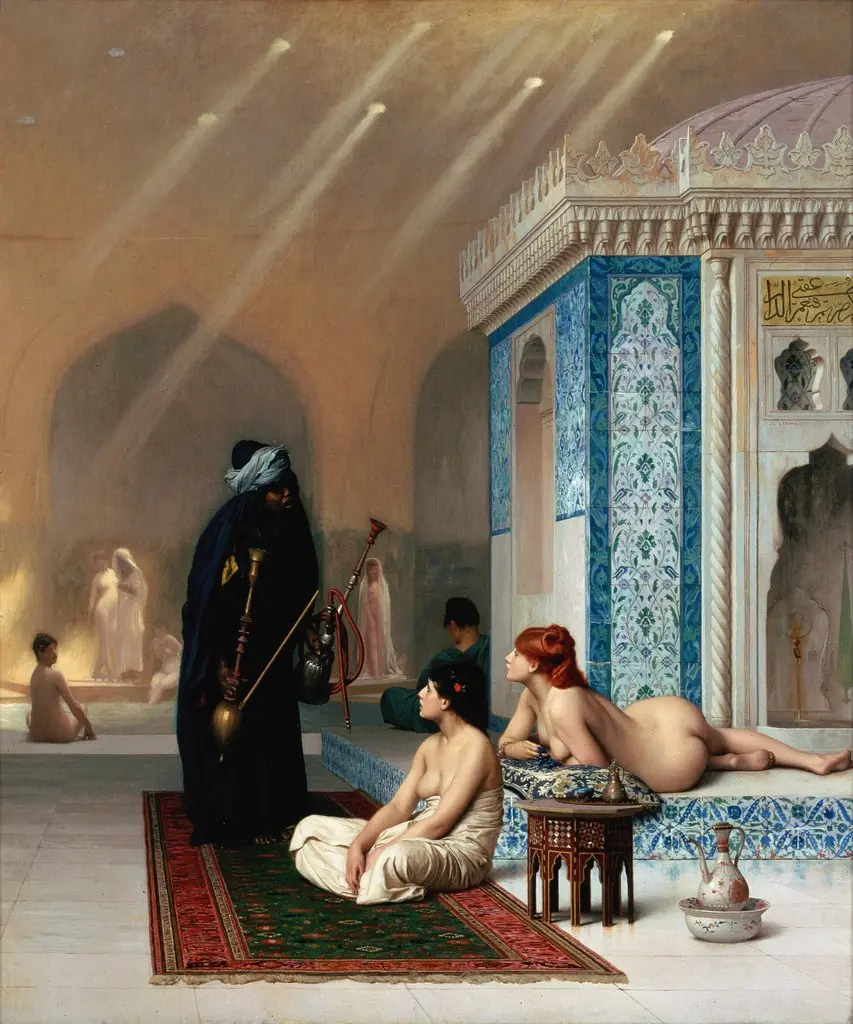 Pool in a Harem
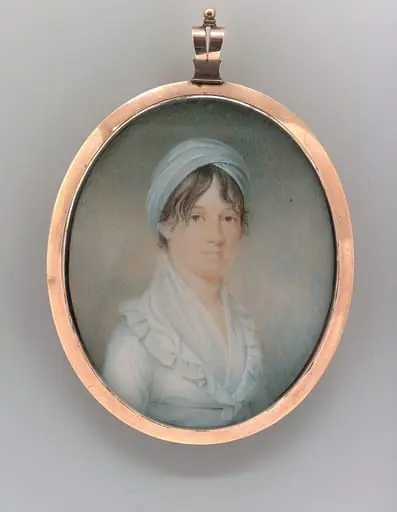 Mrs. Jonathan Pinkney, Jr. (Elizabeth Munroe)
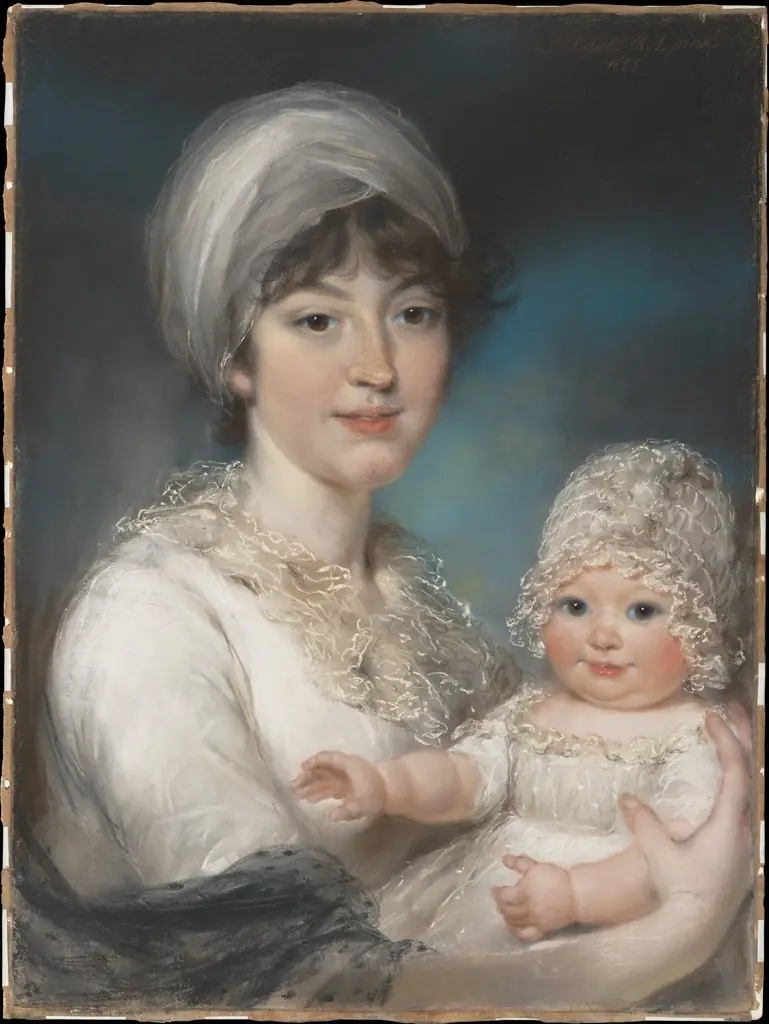 Mrs. Robert Shurlock (Henrietta Ann Jane Russell, 1775–1849) and Her Daughter Ann
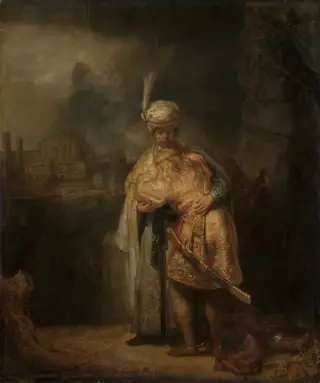 Separation of David and Jonathan
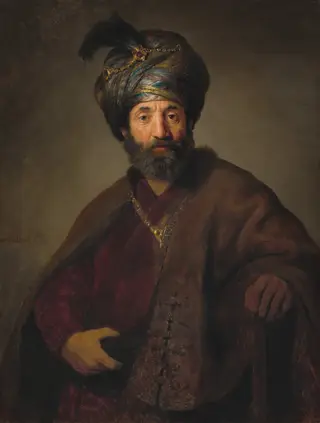 Man in Oriental Costume
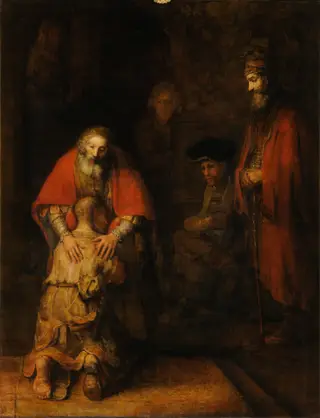 The Return of the Prodigal Son
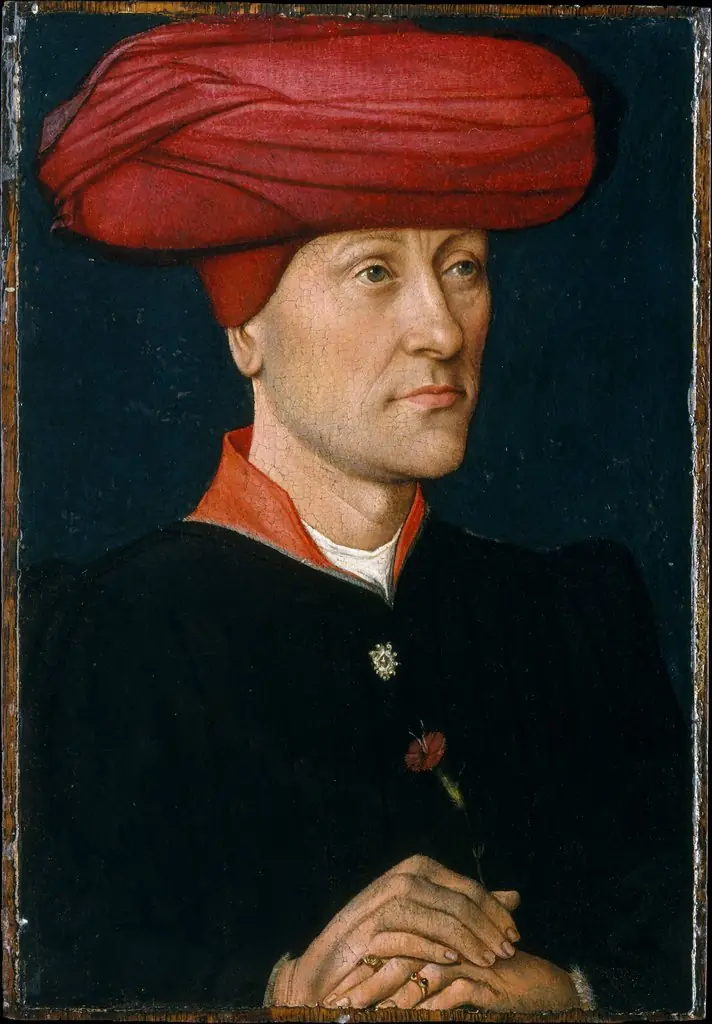 Portrait of a Man in a Turban
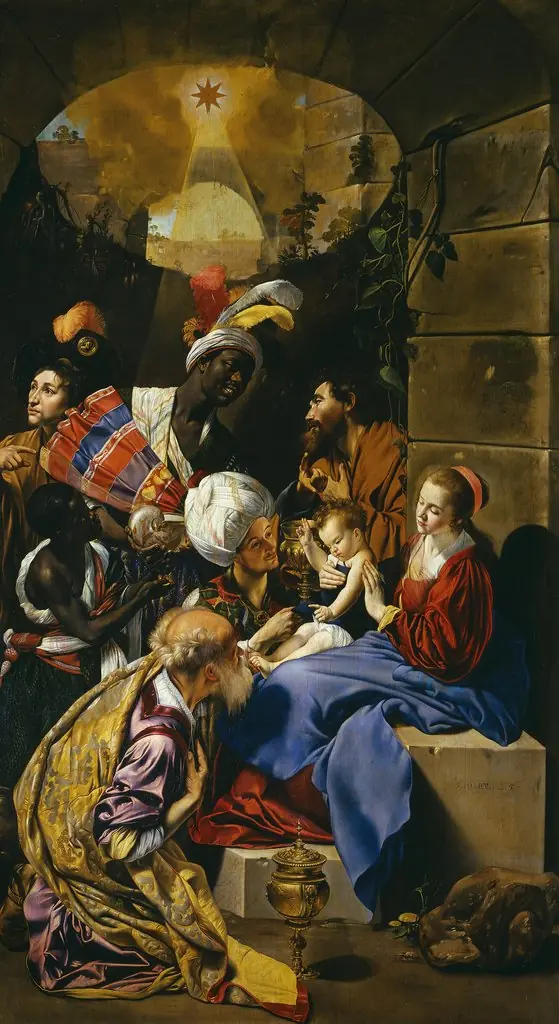 The Adoration of the Magi
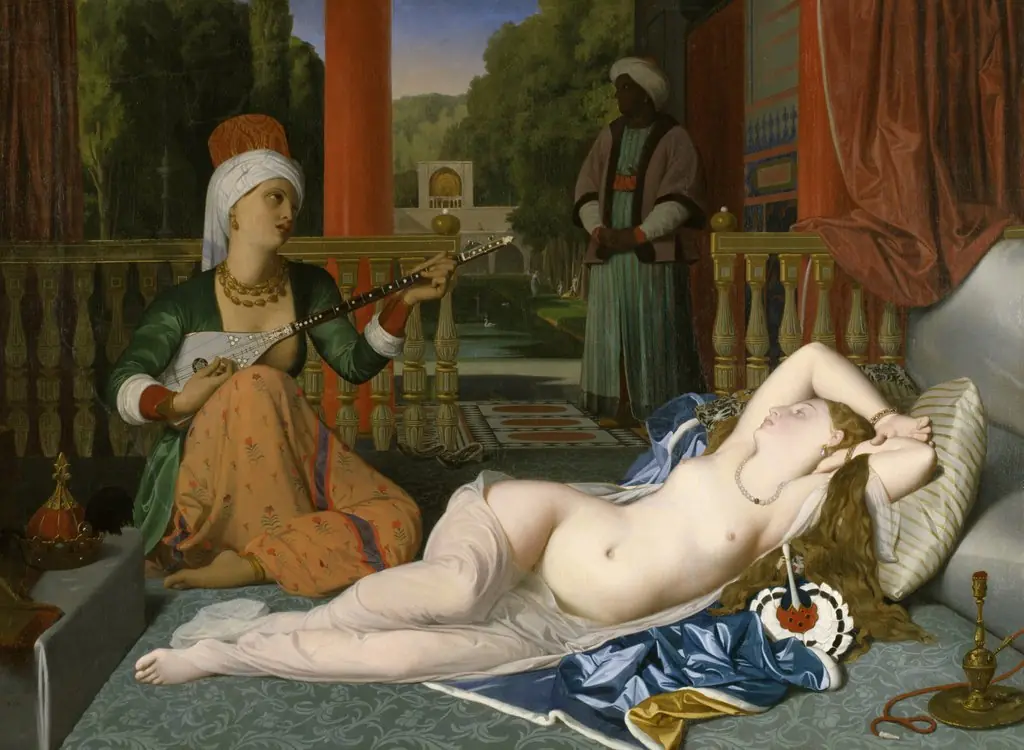 Odalisque with Slave
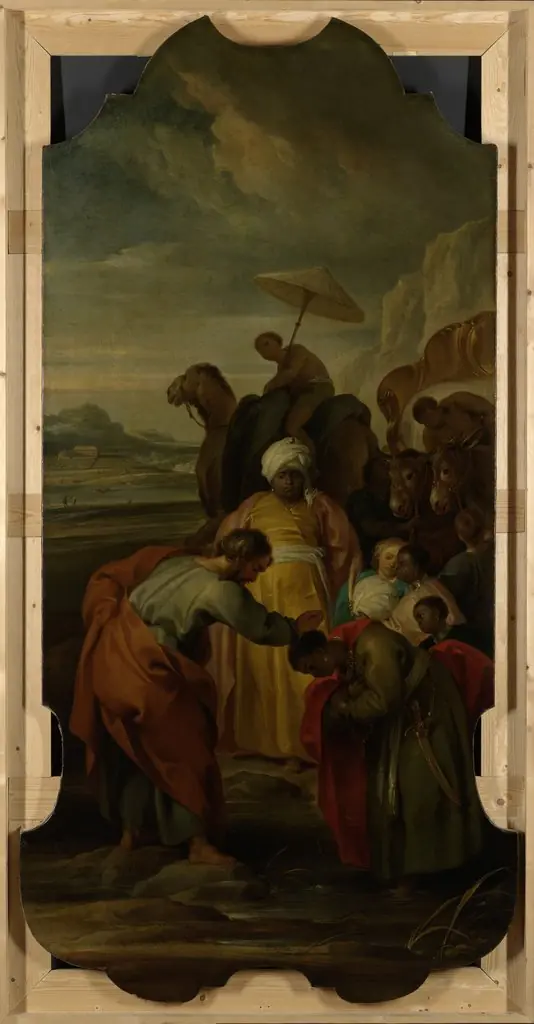 Saint Philip Baptizes the Eunuch
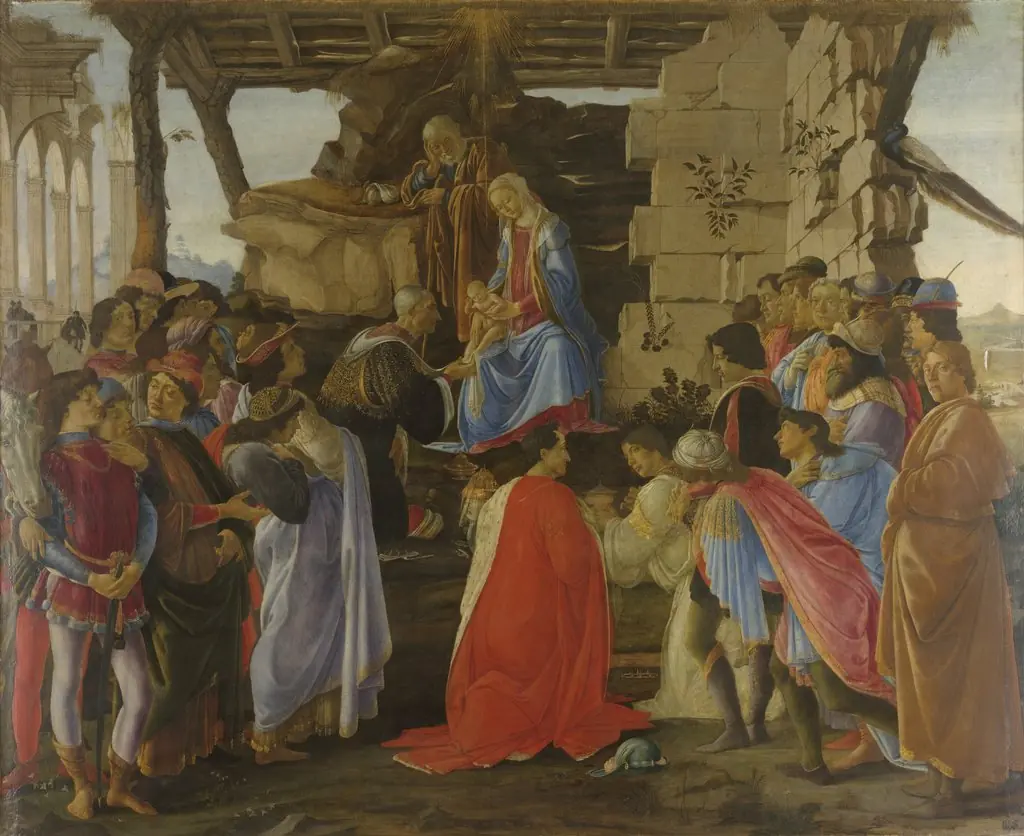 Adoration of the Magi
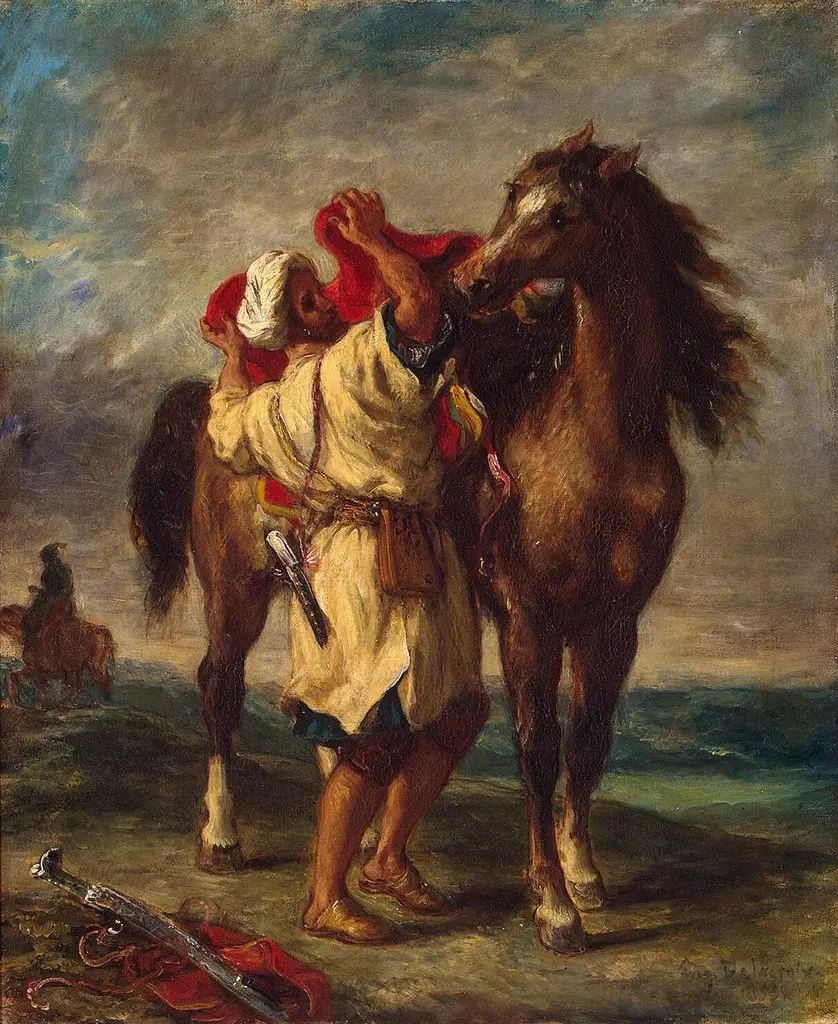 Arab Saddling his Horse
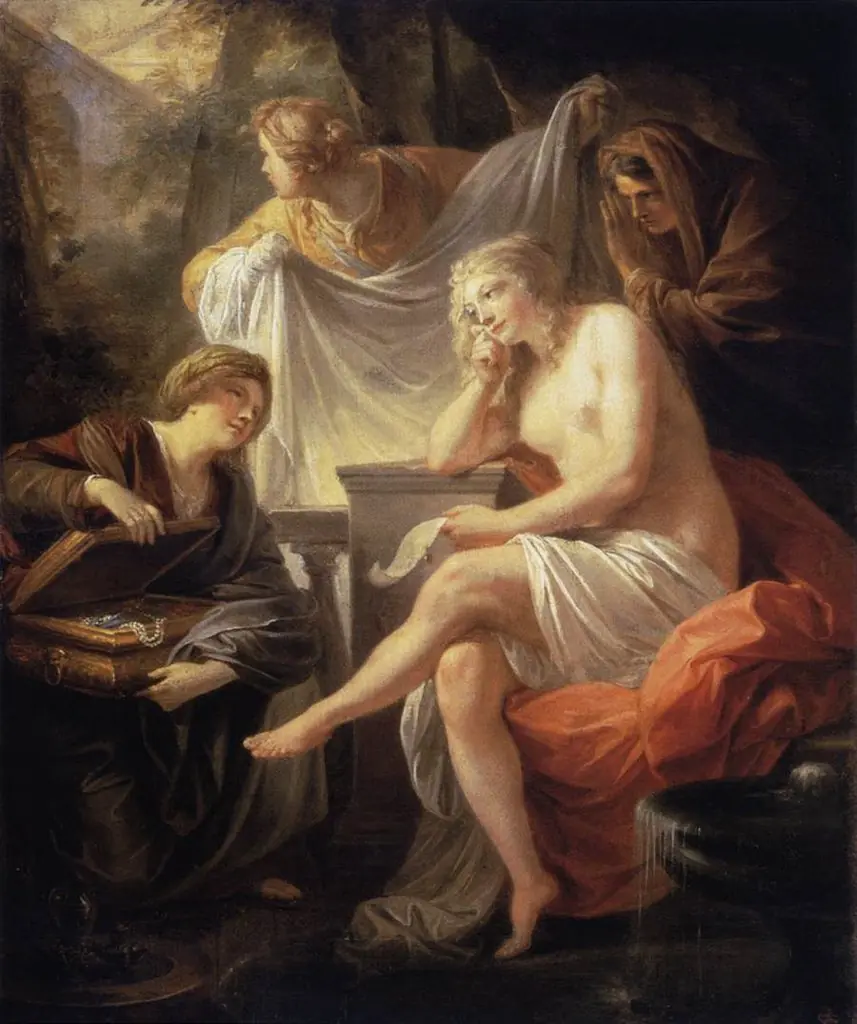 Bathsheba at her bath
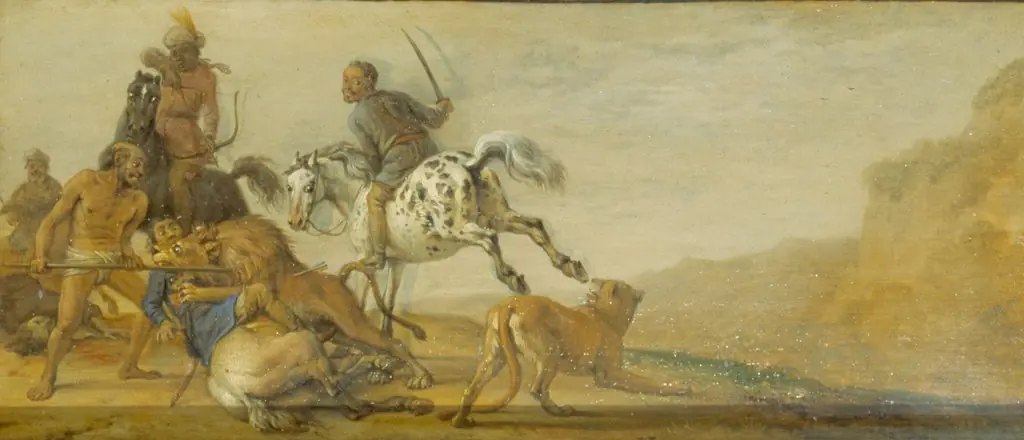 The Lion Hunt
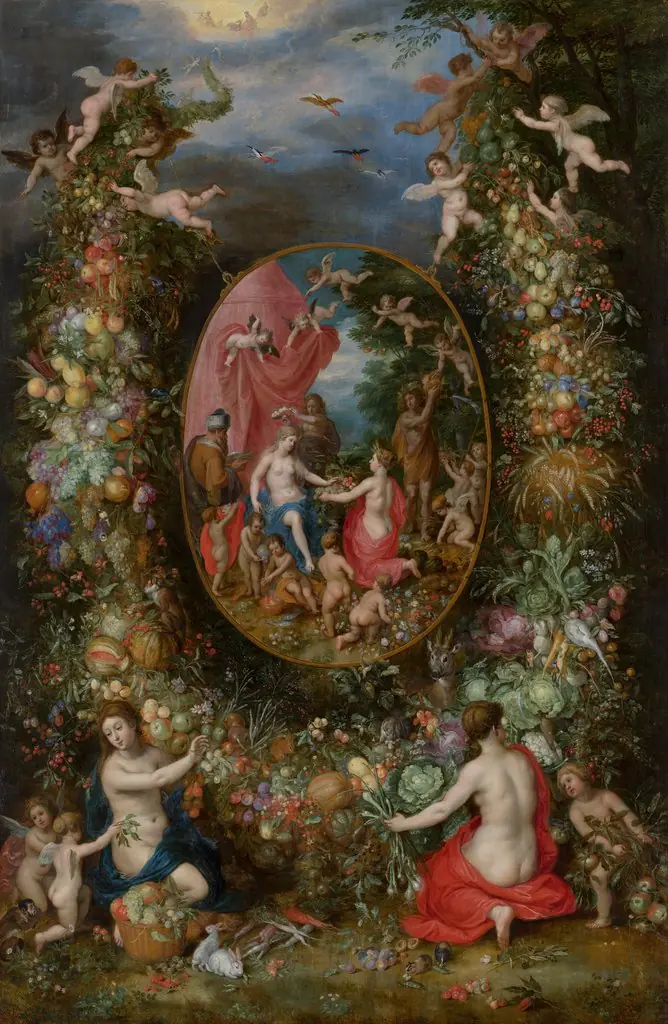 Garland of Flowers around an Allegory of Farming
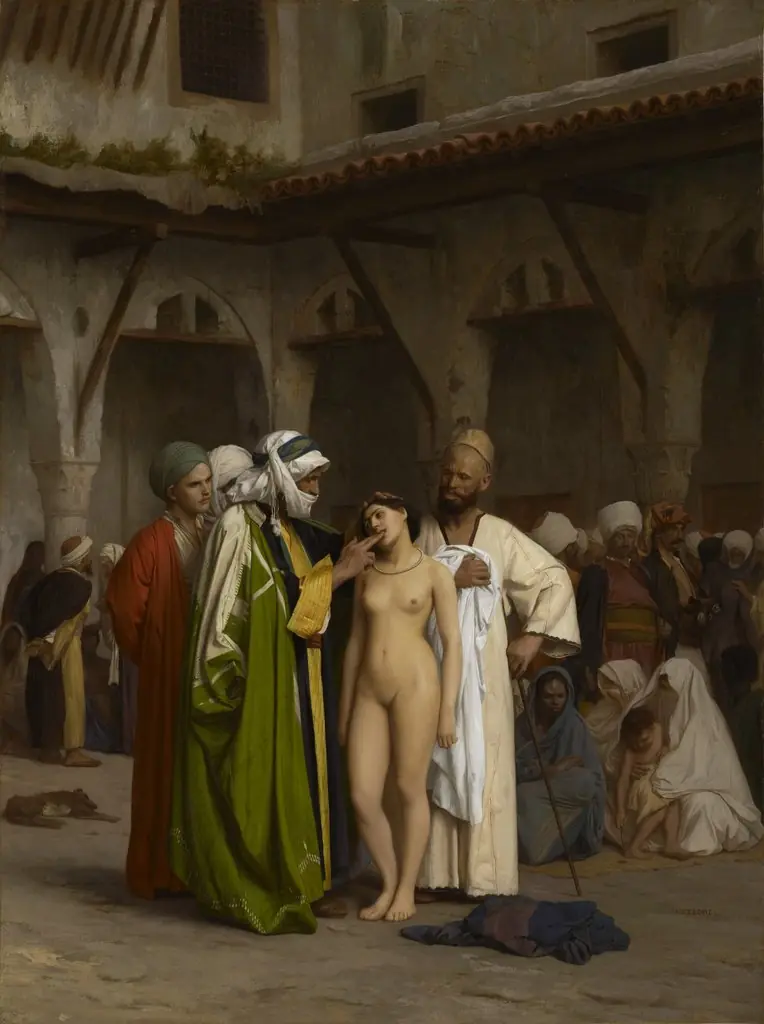 The Slave Market
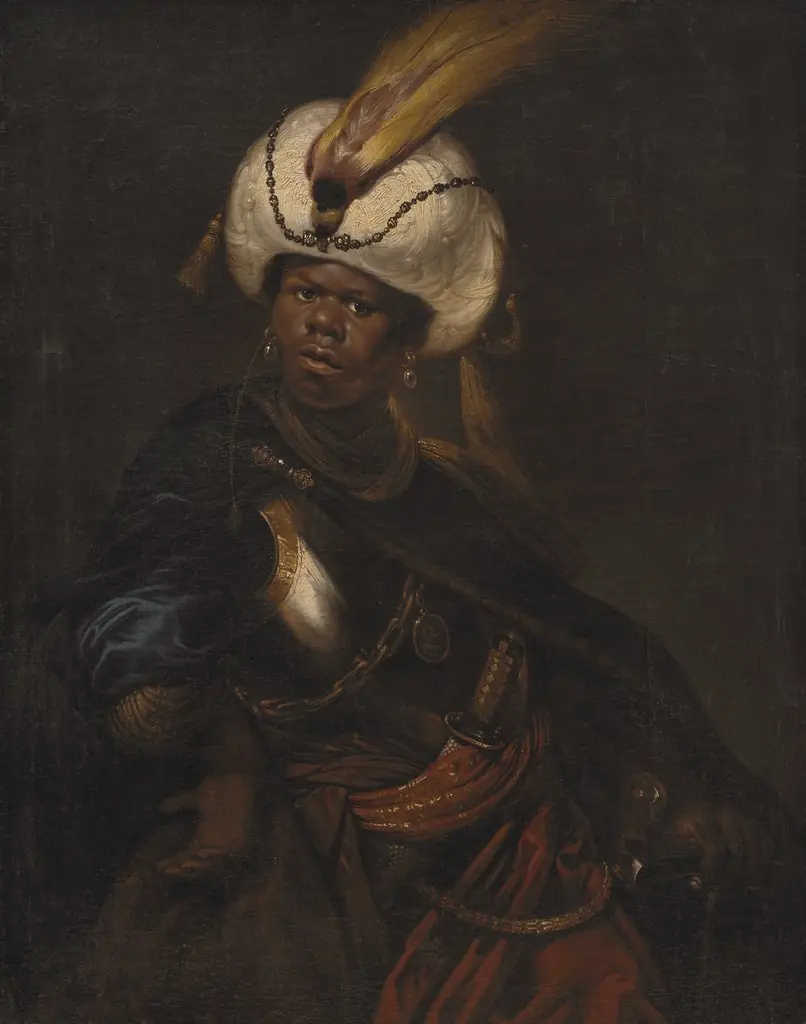 A Man Wearing a Turban and Armour
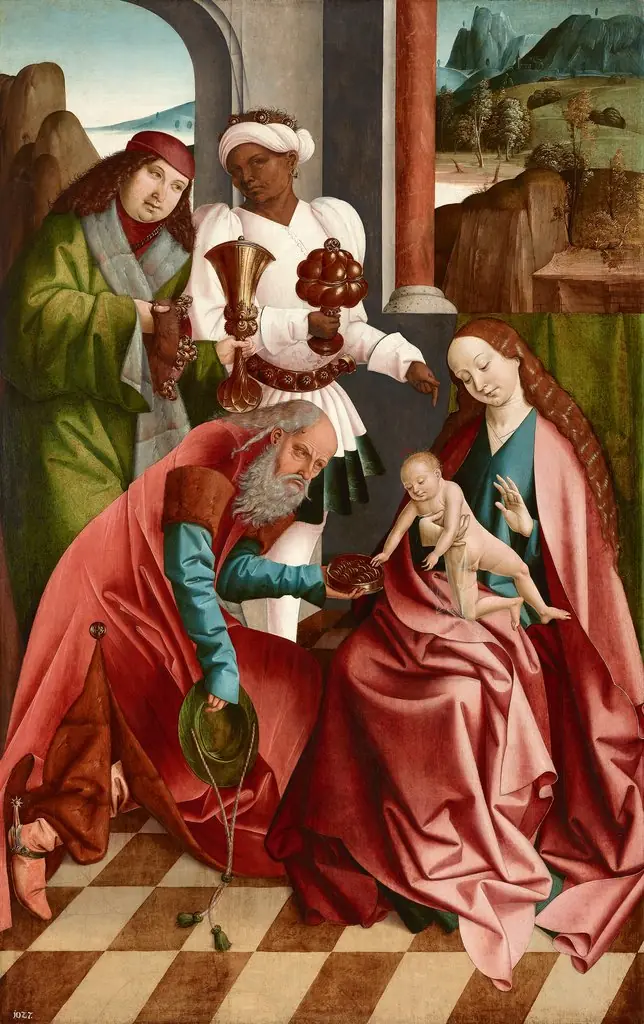 Anbetung der Heiligen Drei Könige
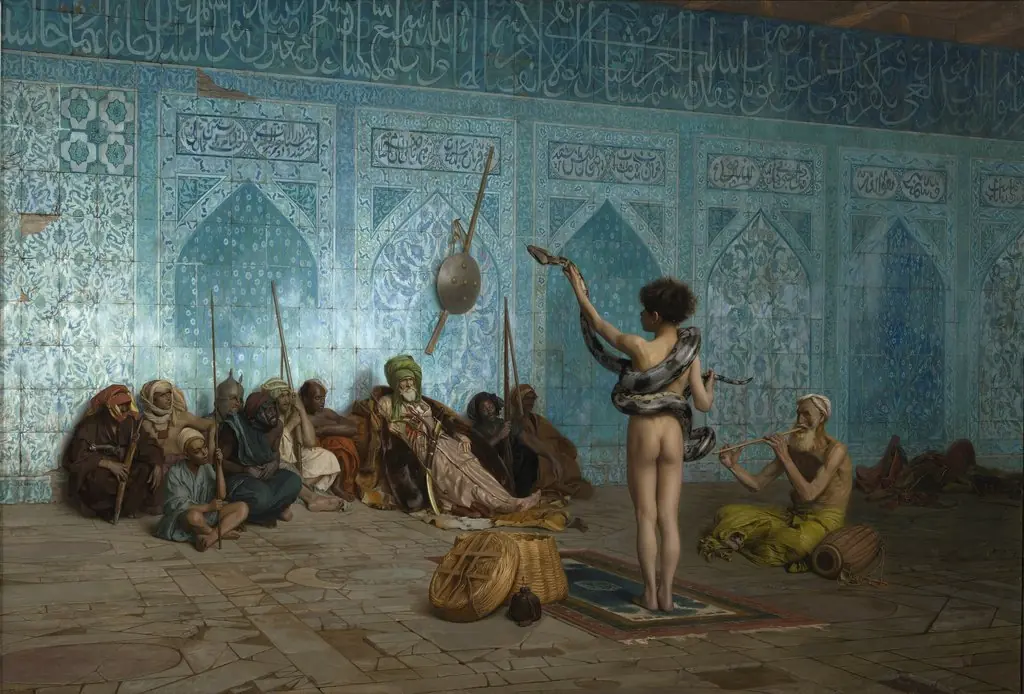 The Snake Charmer
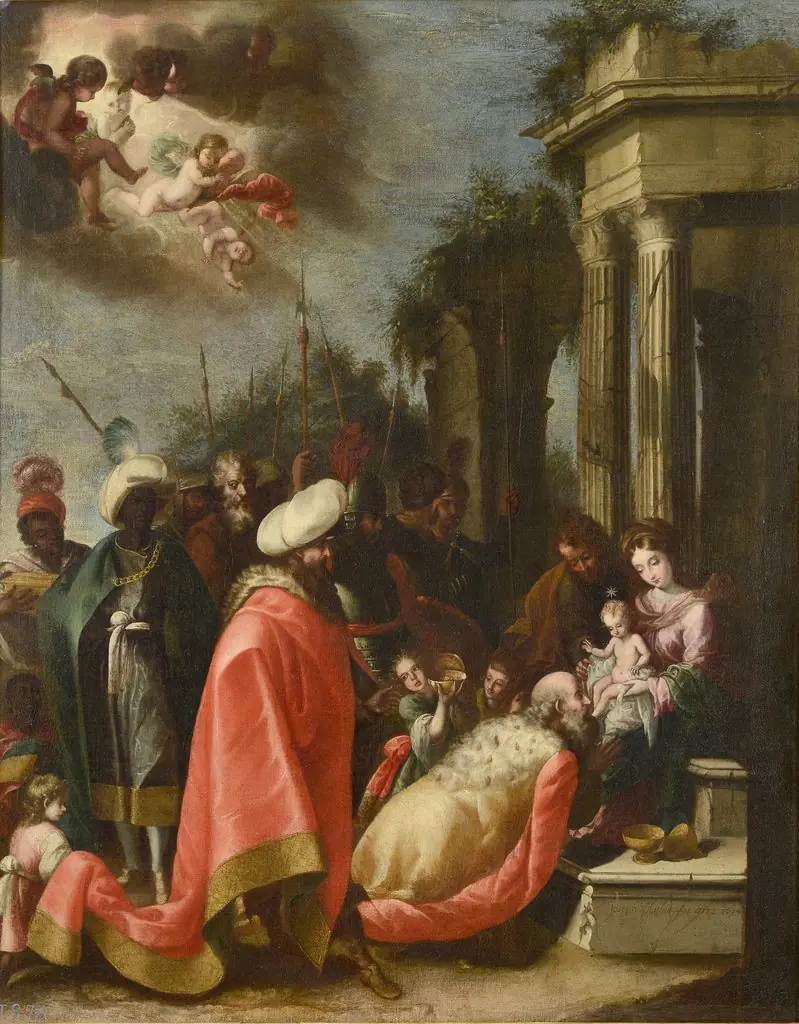 Adoración de los Reyes Magos
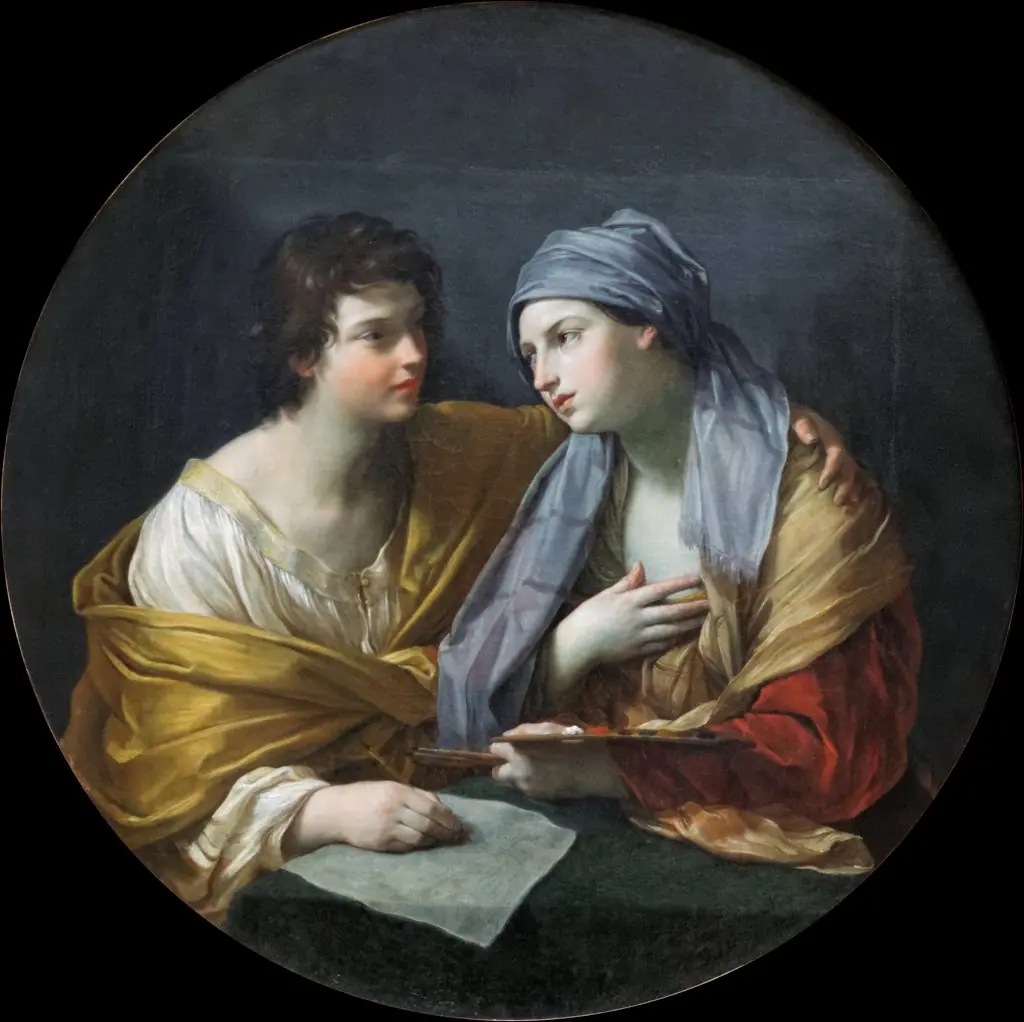 The Union of Drawing and Color
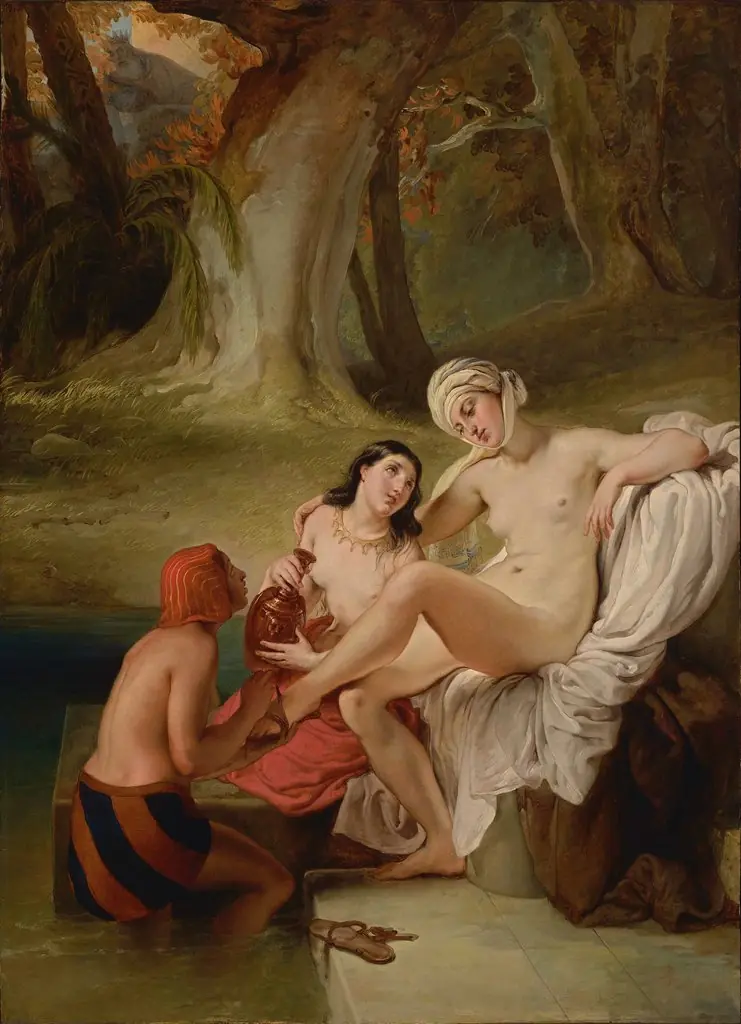 Bathsheba Bathing
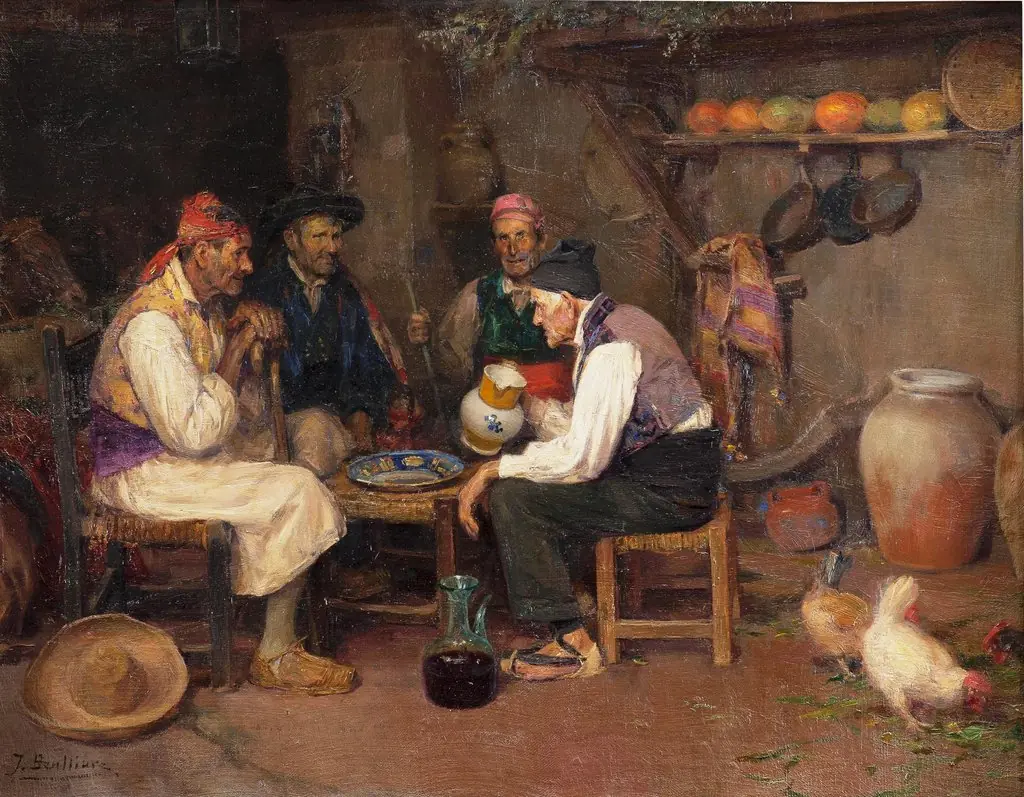 Palique y trago
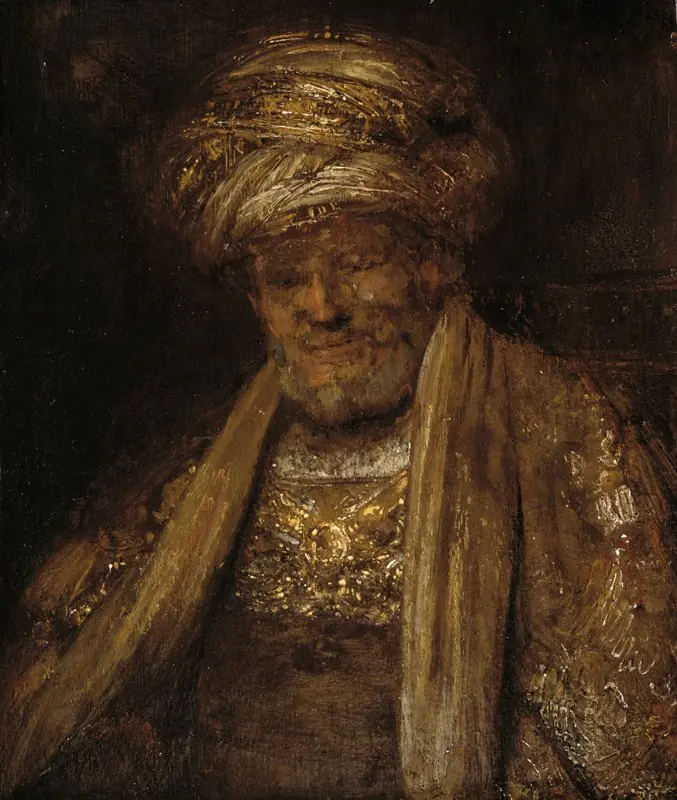 Portrait of an Oriental Man
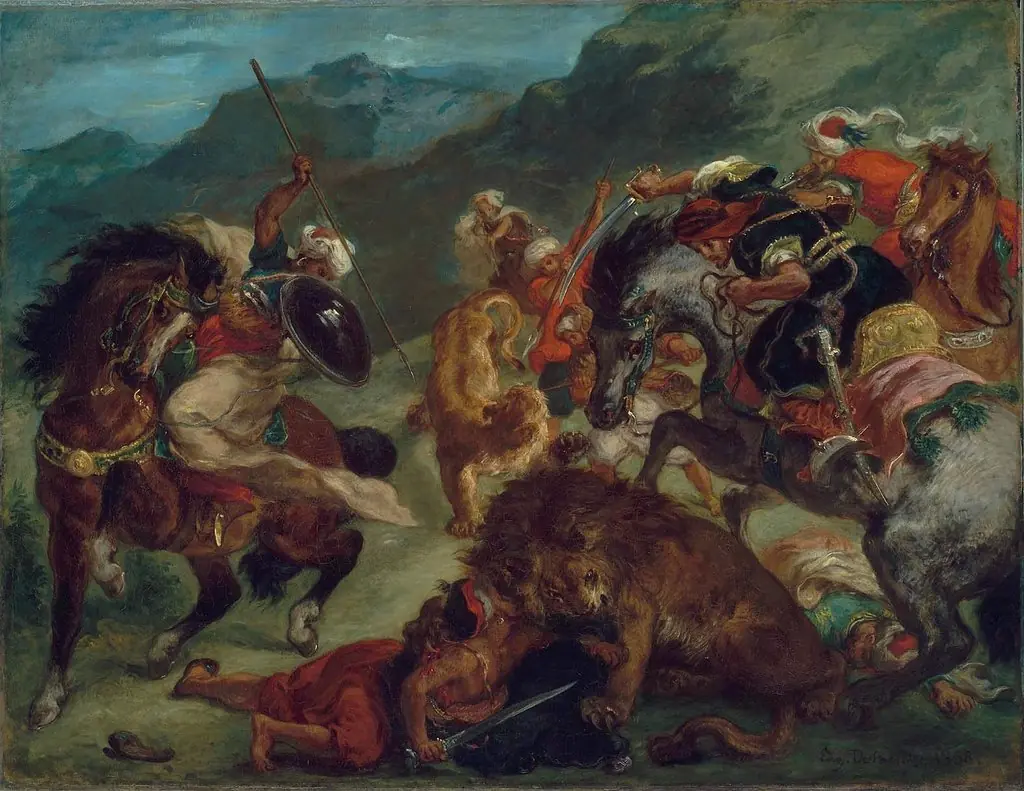 Lion Hunt
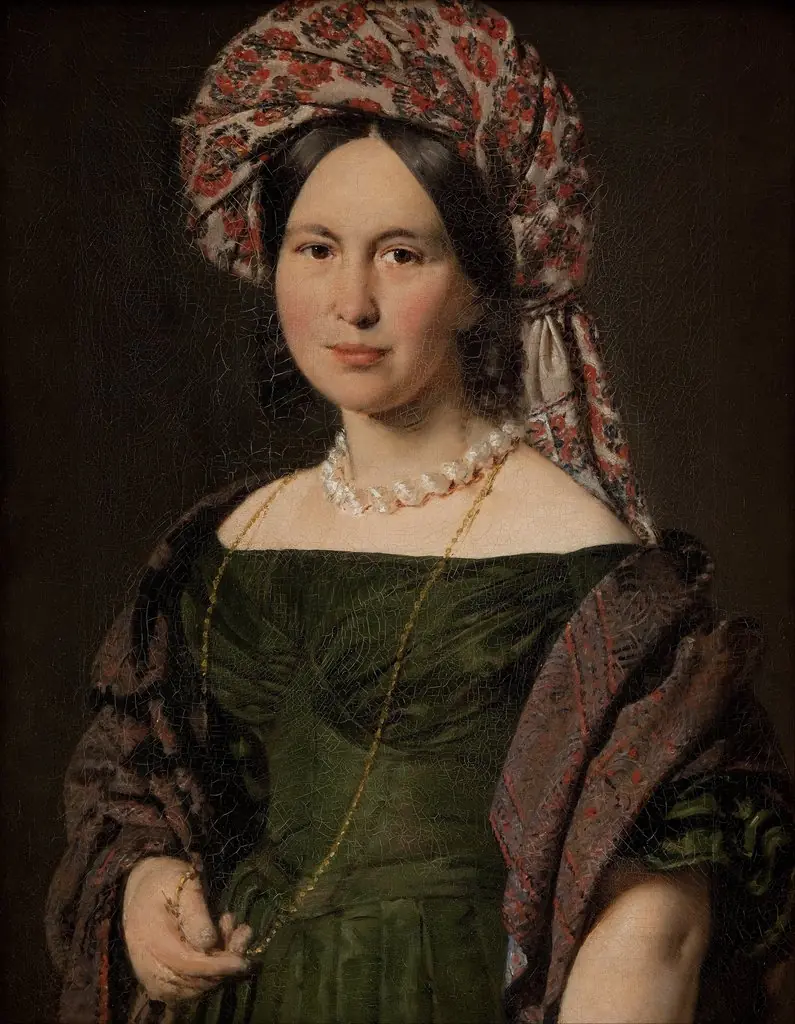 Portrait of Cathrine Jensen, née Lorenzen, the Artist's Wife Wearing a Turban
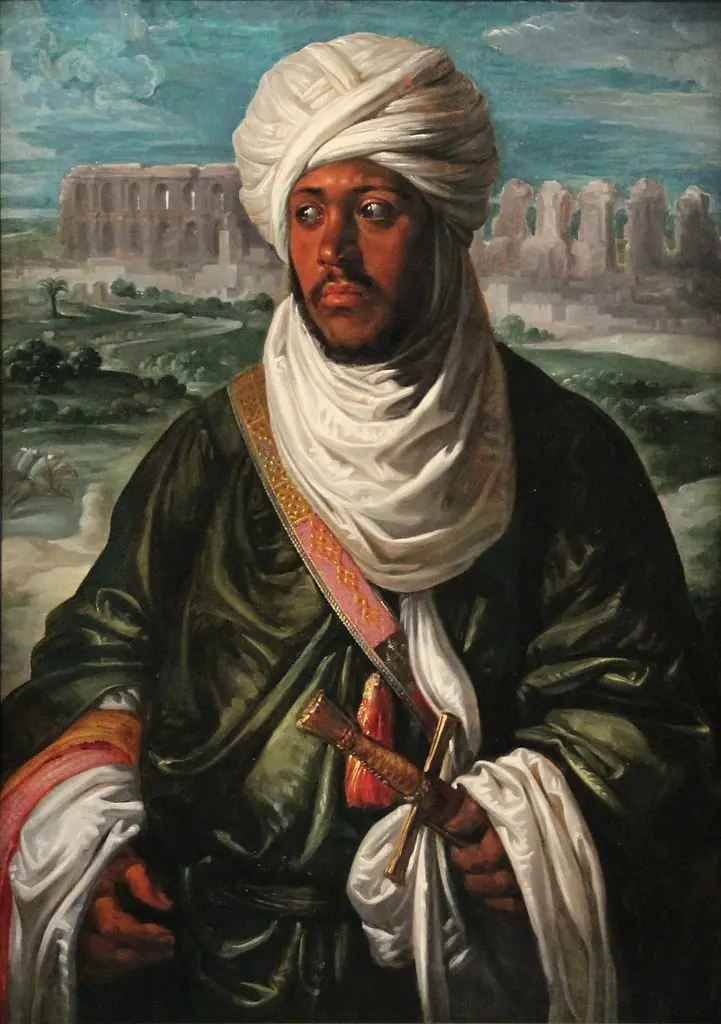 Portrait of Mulay Ahmad
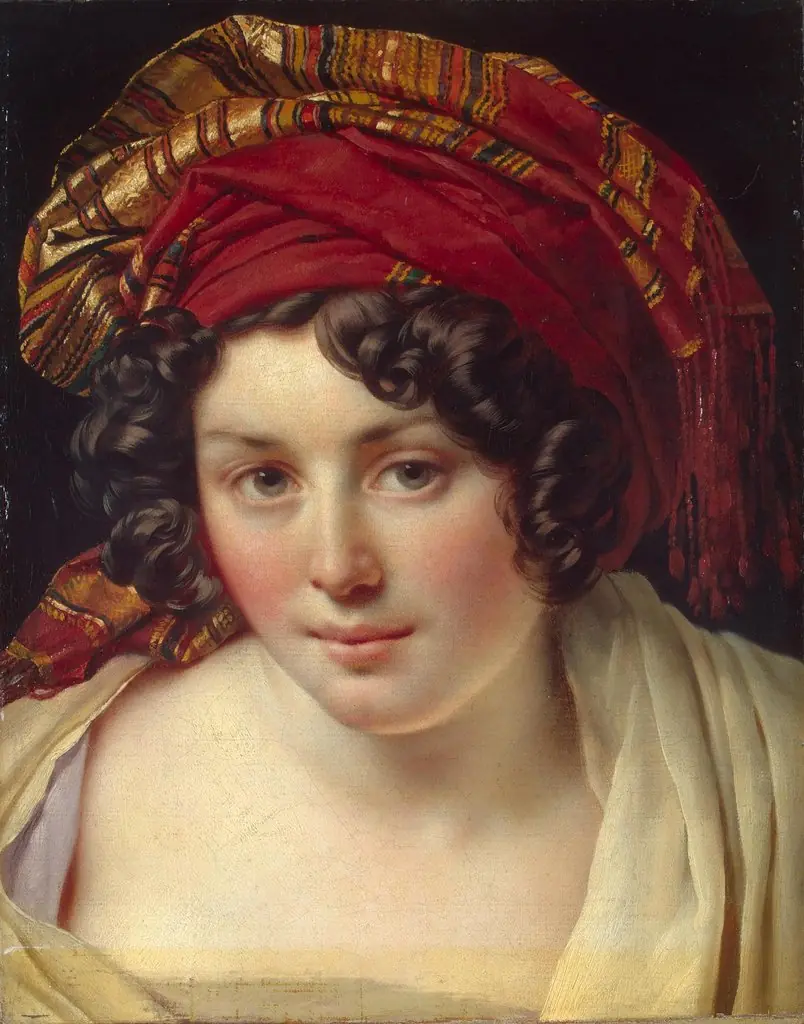 Head of a Woman in a Turban
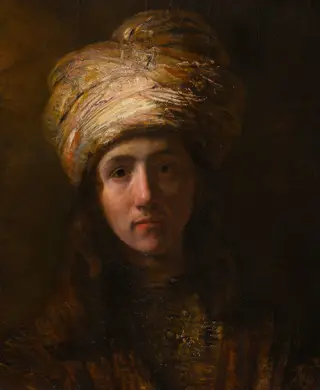 Young Man in a Turban
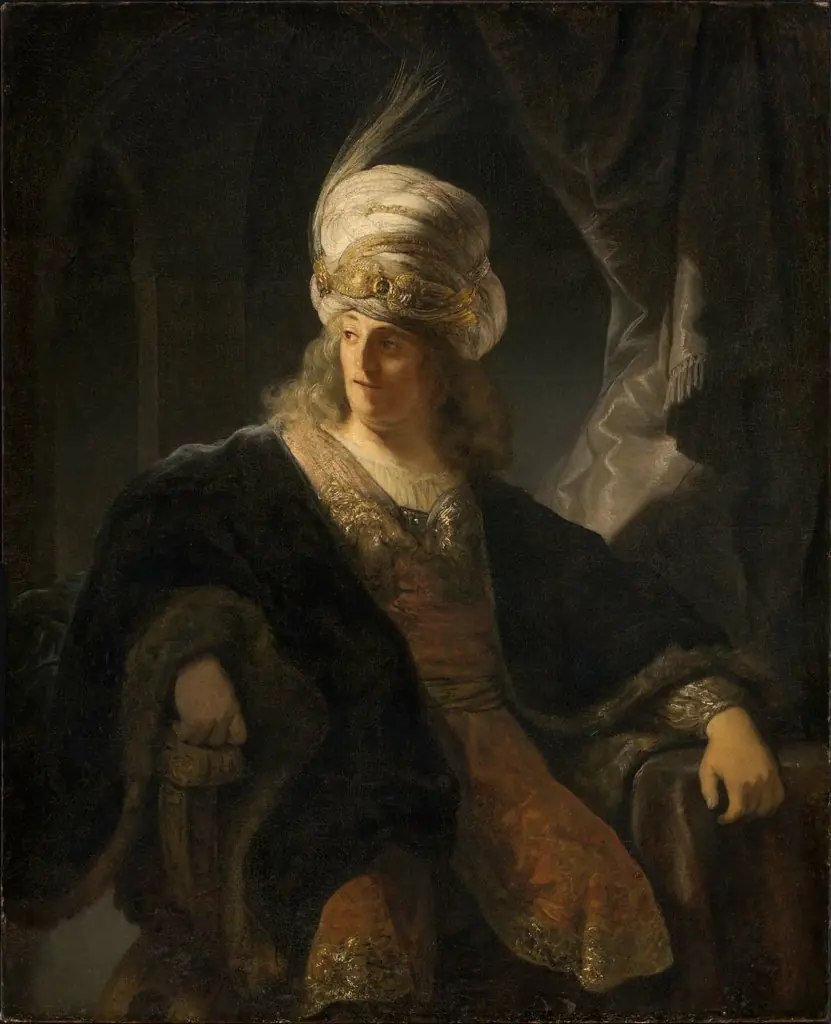 Young Man in Oriental Costume
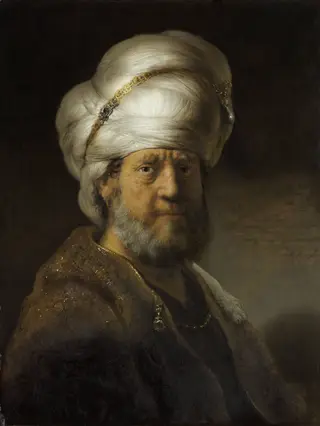 Man in Oriental Dress
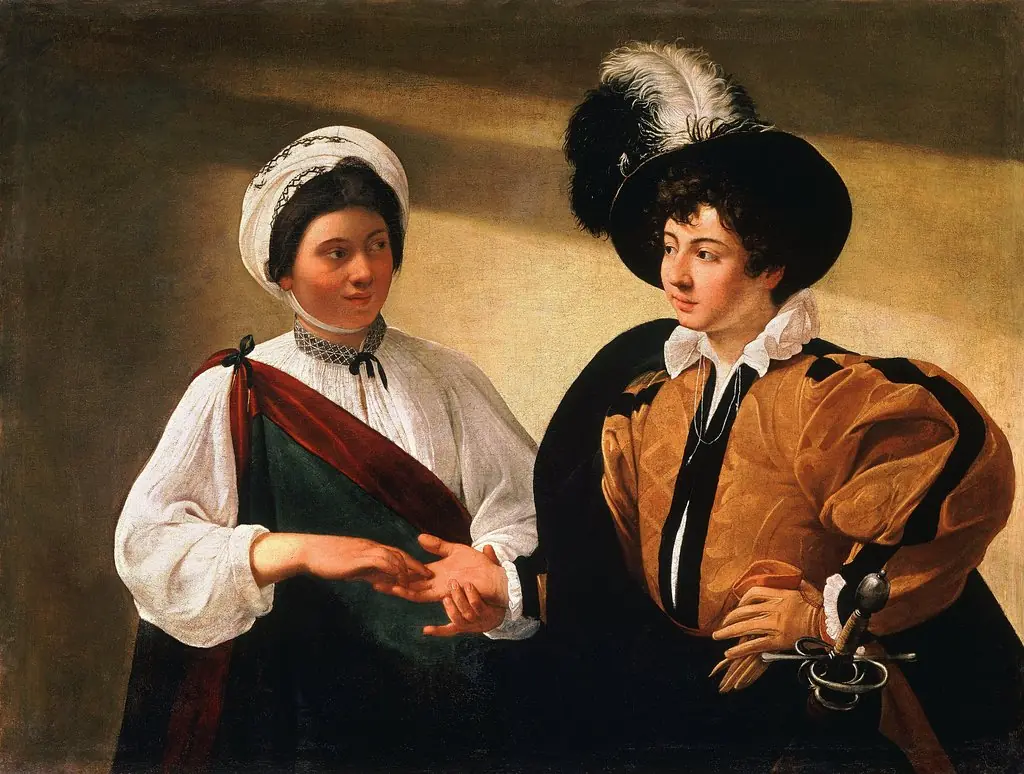 The Fortune Teller
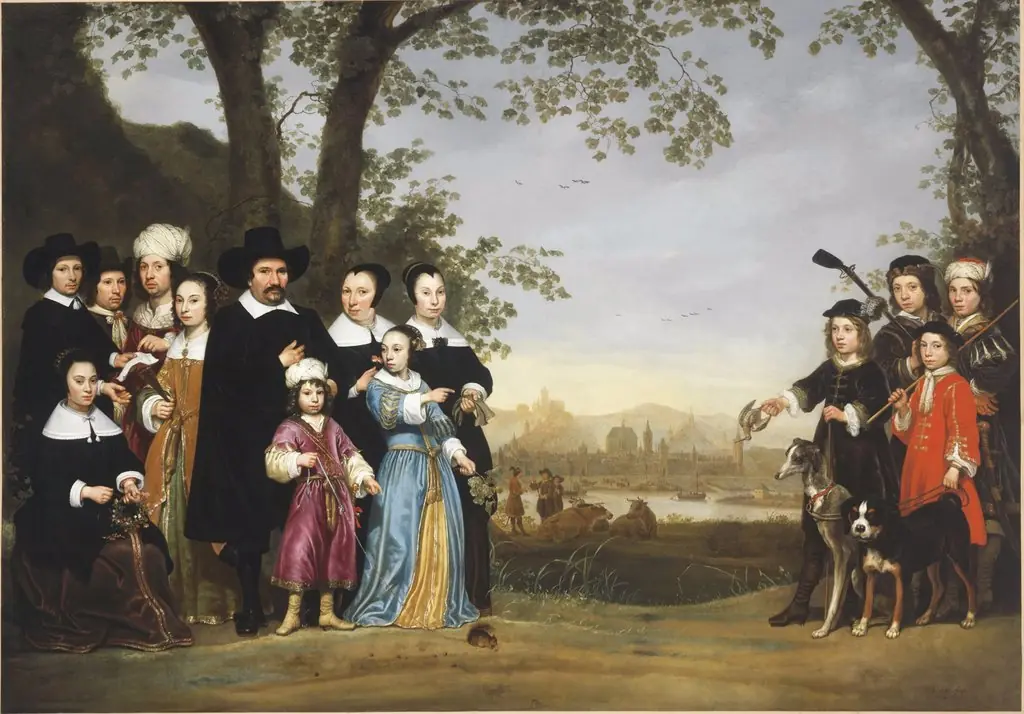 Portrait of the Sam Family
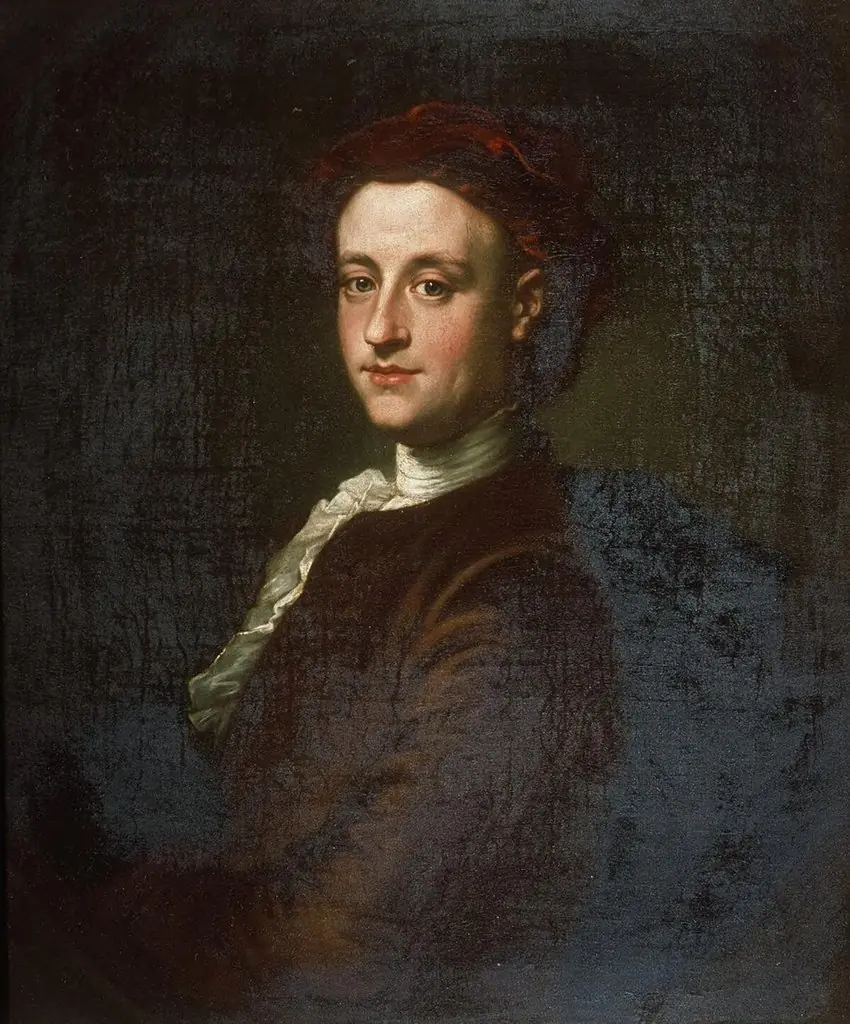 Portrait of a gentleman in red turban
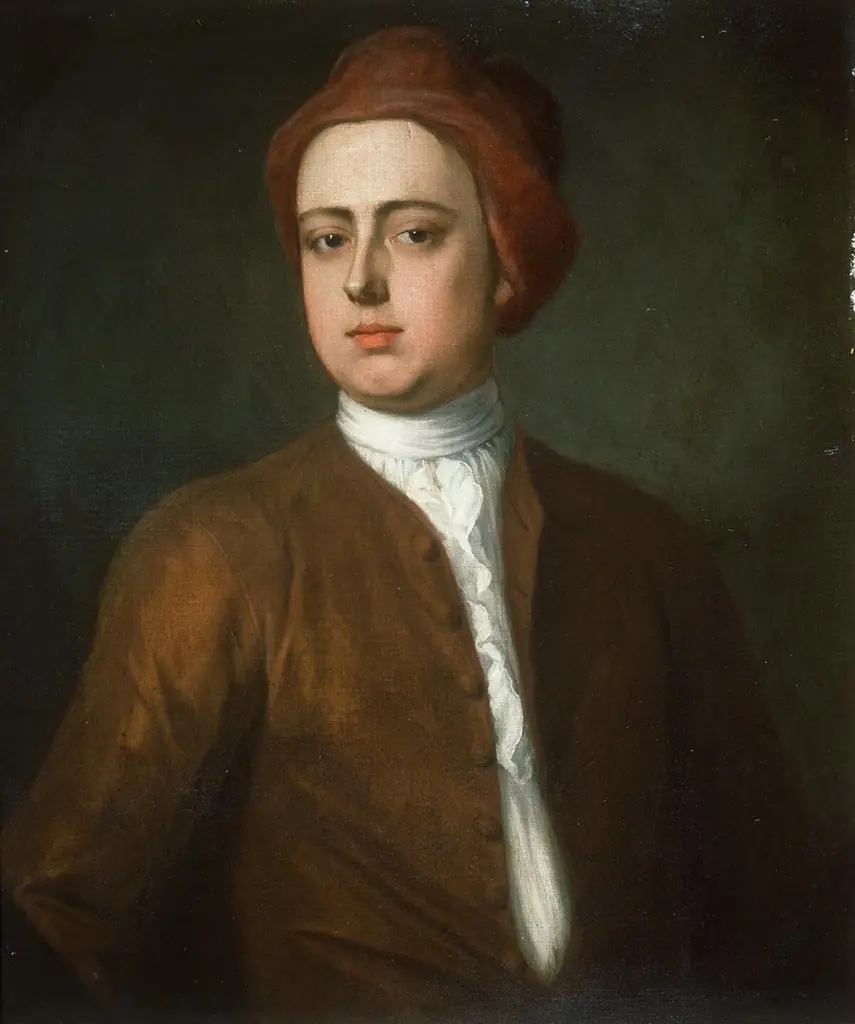 Portrait of a gentleman in red turban
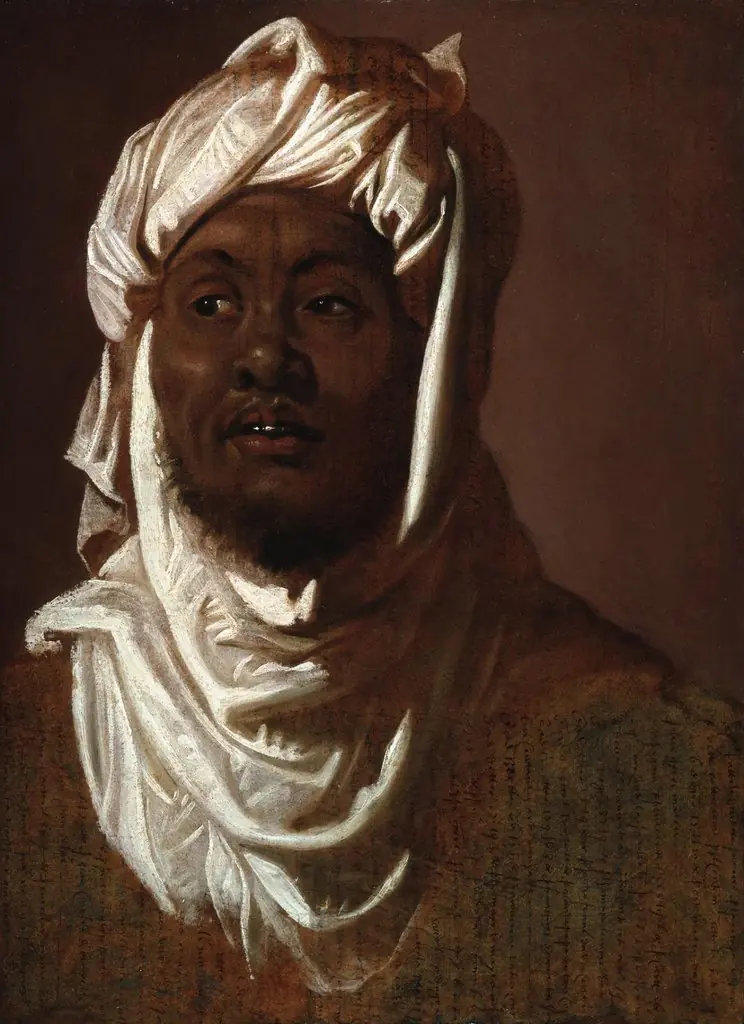 Study for the Head of a Moorish King
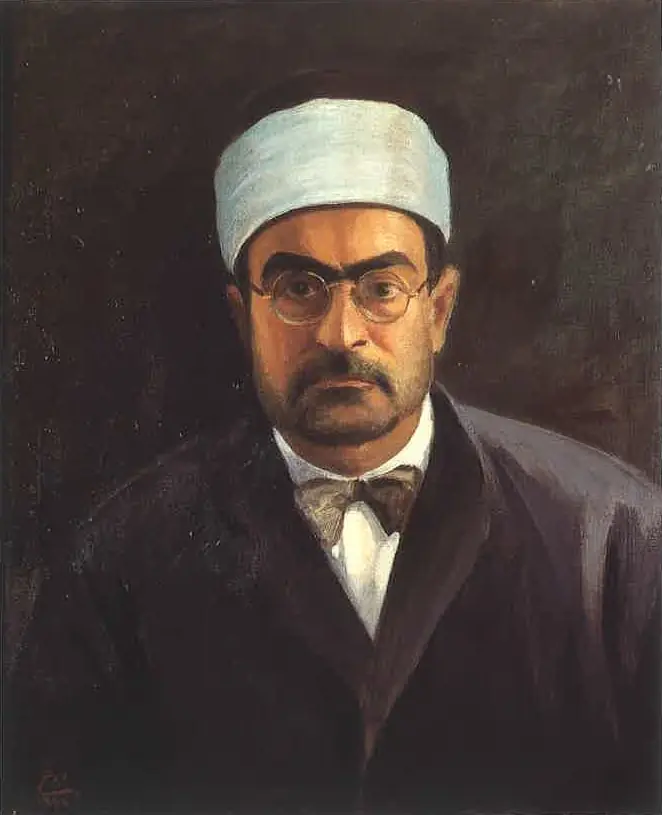 Portrait of Sheikh Mustafa Al-Ghalayini (1885 - 1944)
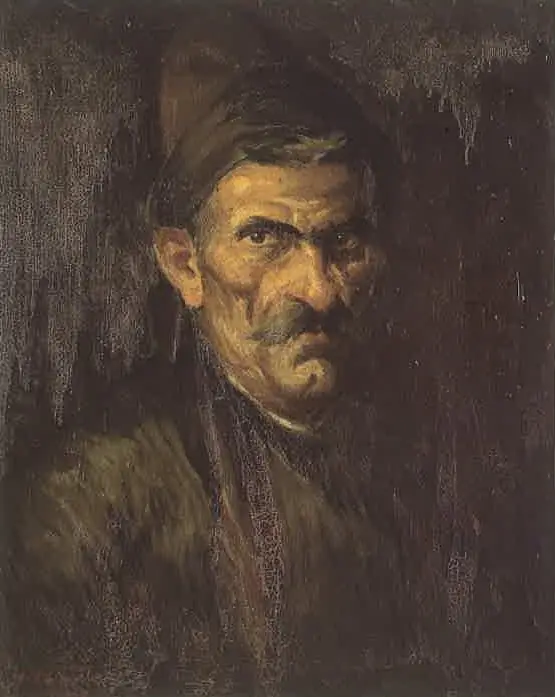 Three Paintings of a Muleteer (3)
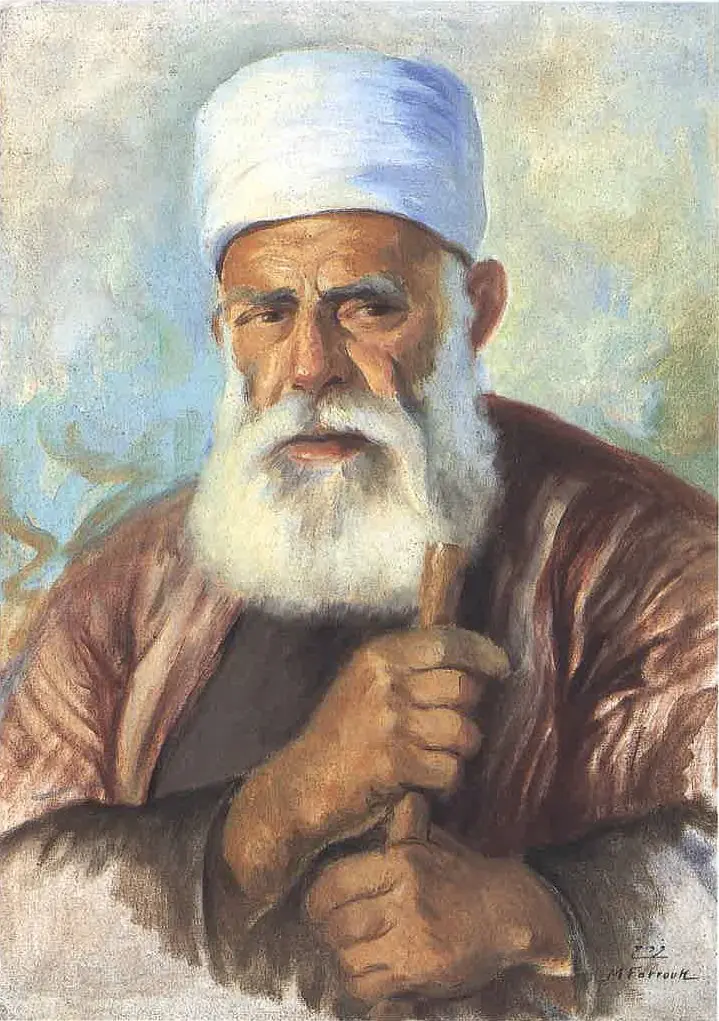 A Druze Sheikh
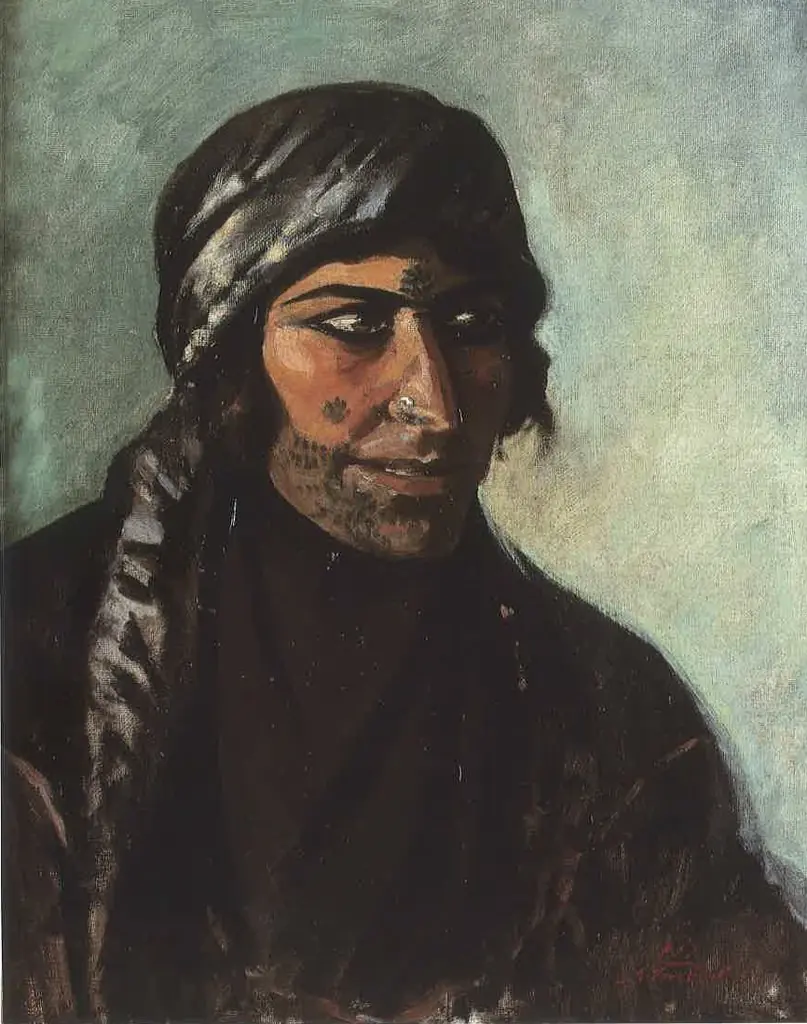 Portrait of a Bedouin Fortune teller
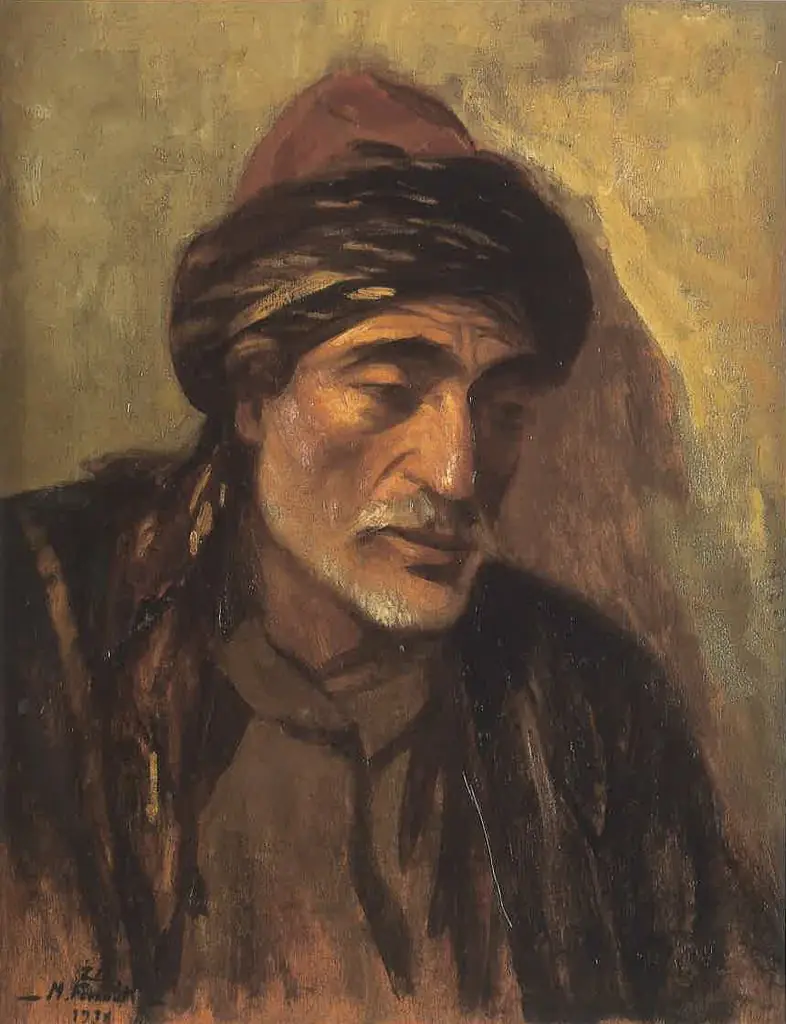 Portrait of a Lebanese Villager
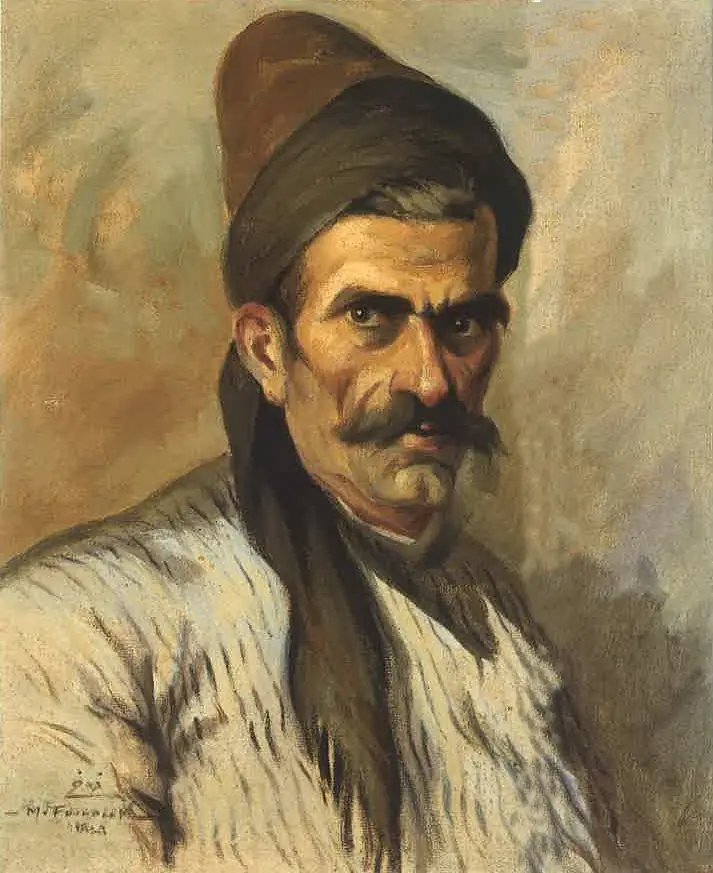 Three Paintings of a Muleteer (2)
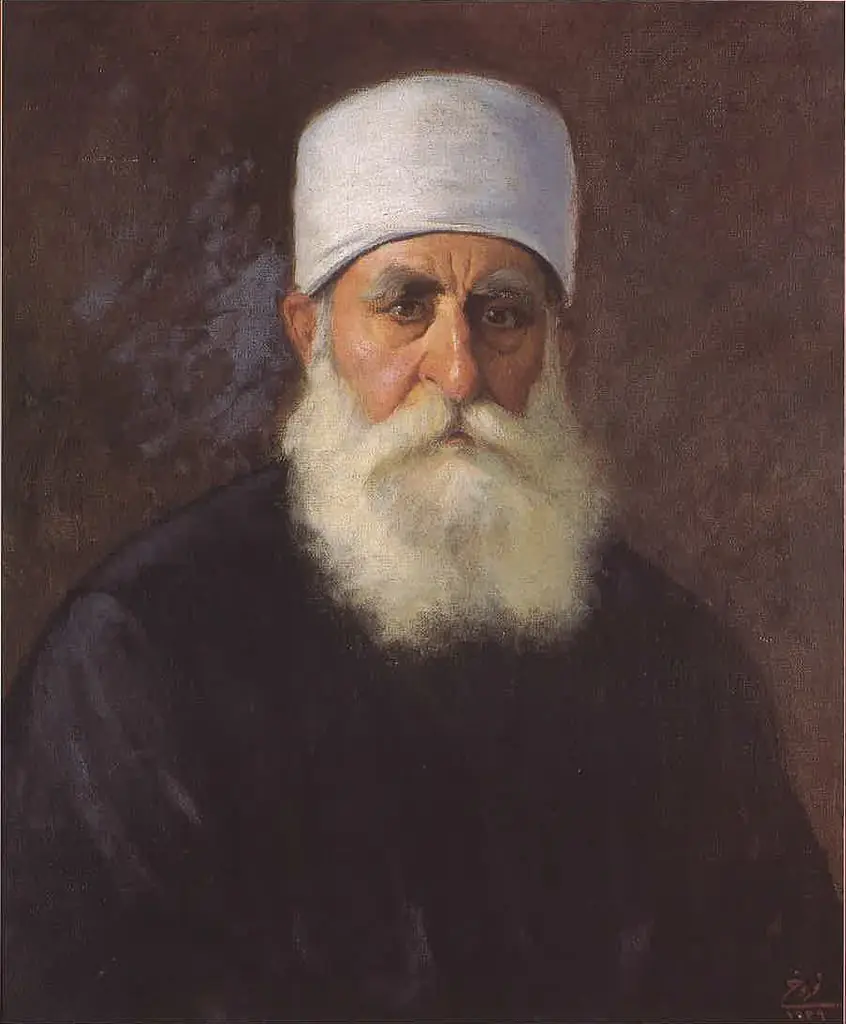 Portrait of Sheikh Saïd Hamdane
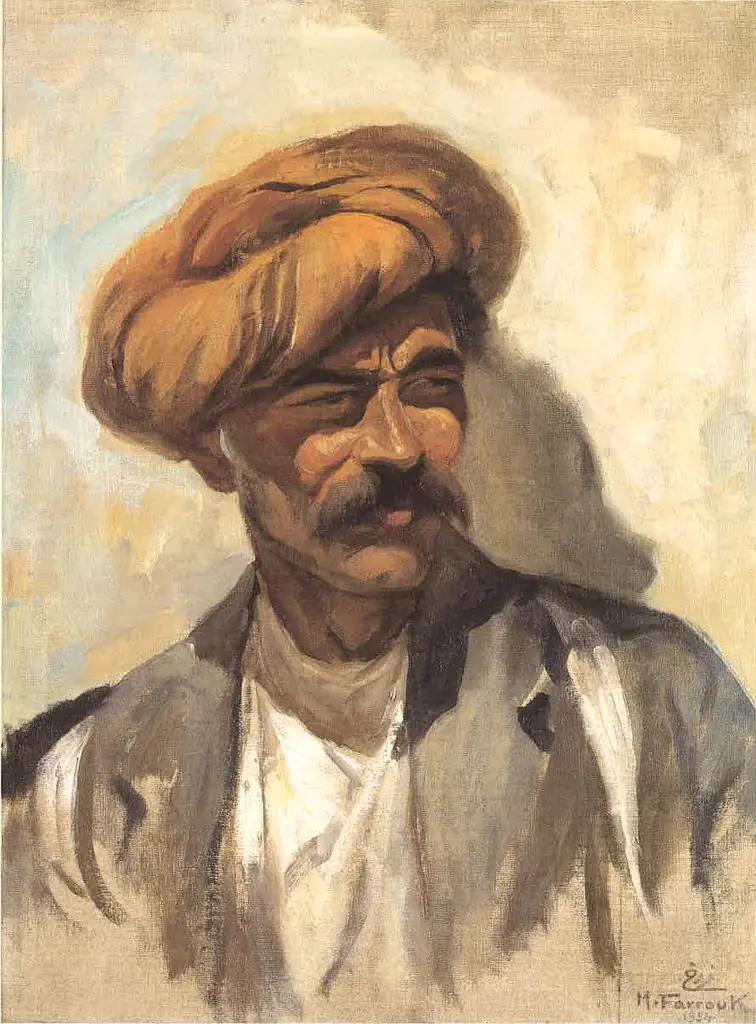 A Kurdish Porter
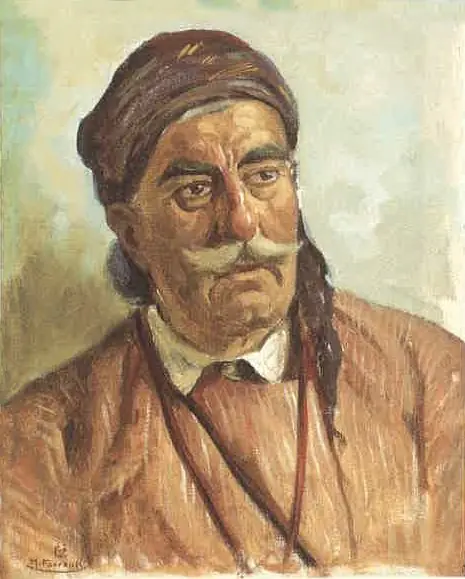 Portrait of a Qawwas
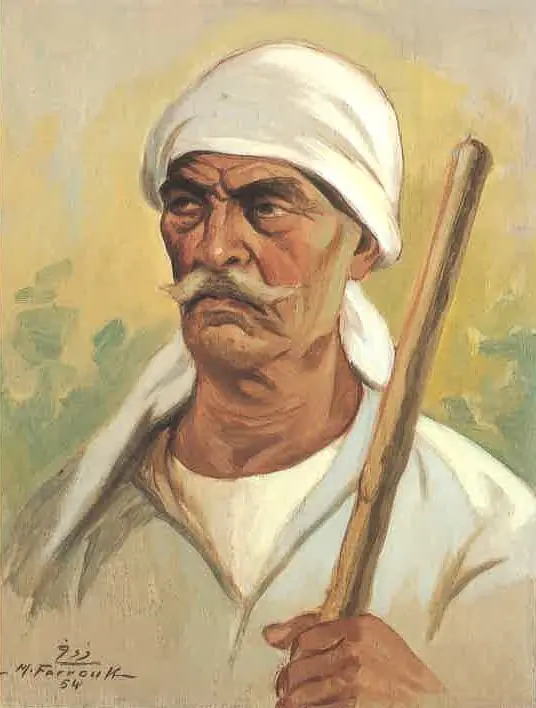 The Village Guard
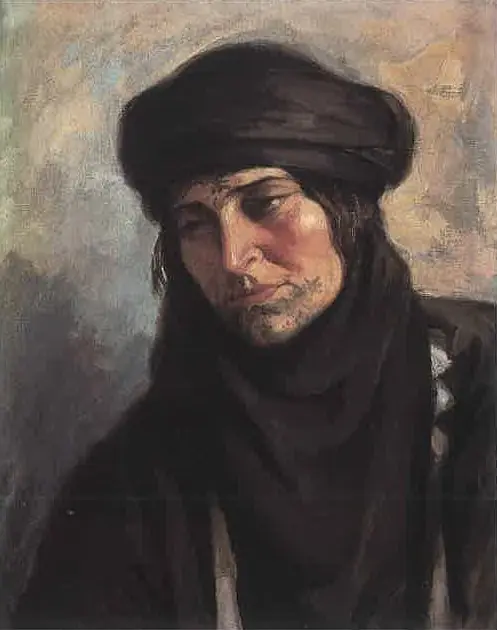 Portrait of a Bedouin Woman
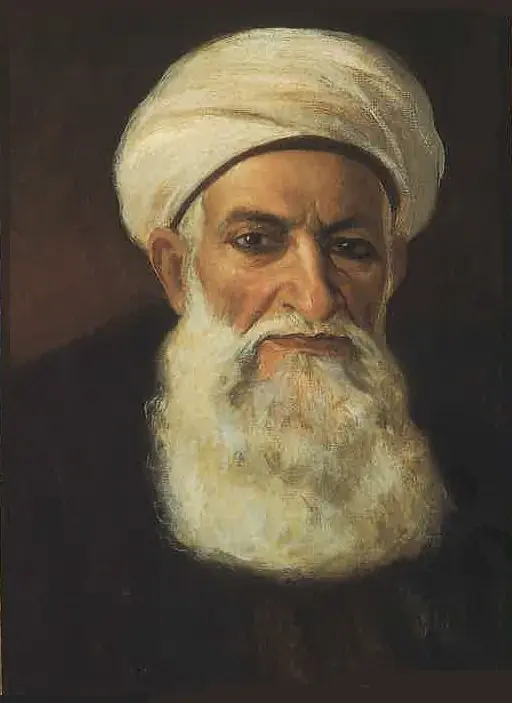 Portrait of Sheikh Selim Nasser
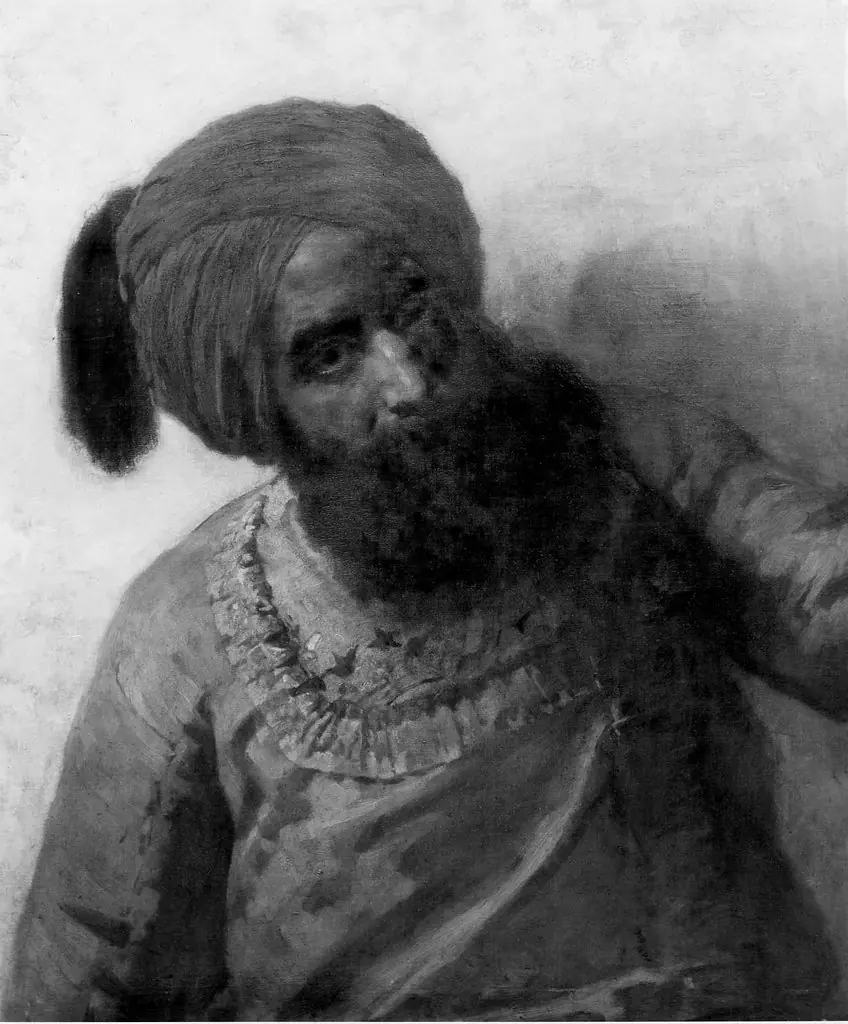 Study of a Hindu
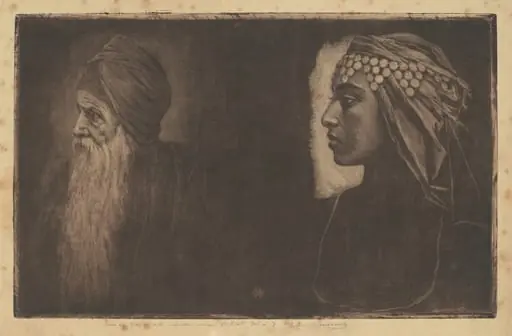 Salomon and Cleopatra
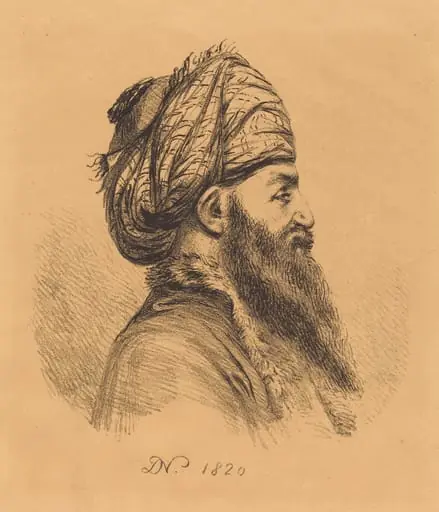 Profile Head of a Man in a Turban
 Bătrân cu turban
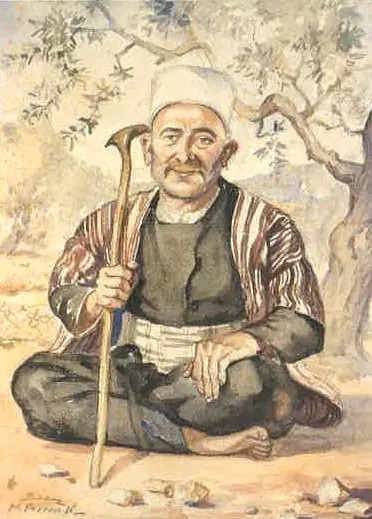 A Druze from the Chouf
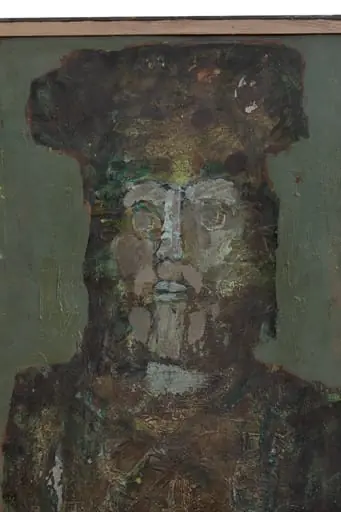 Voievod
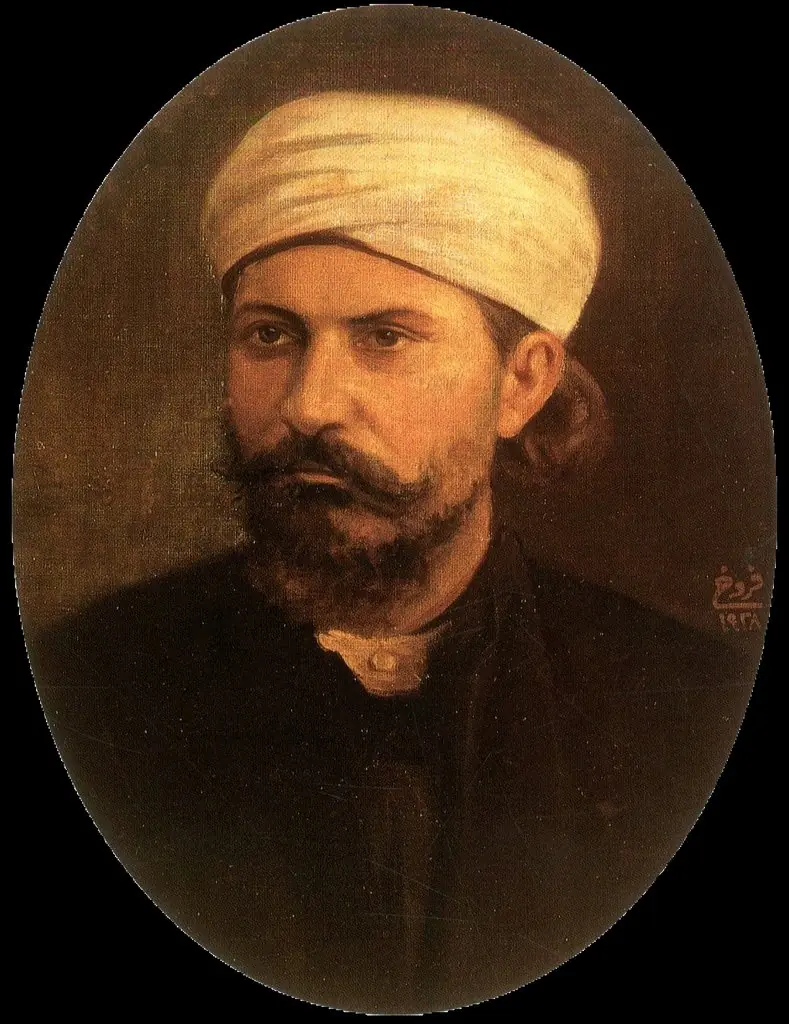 Al-Dāʿīa Jamal Al-Din Al-Afghani
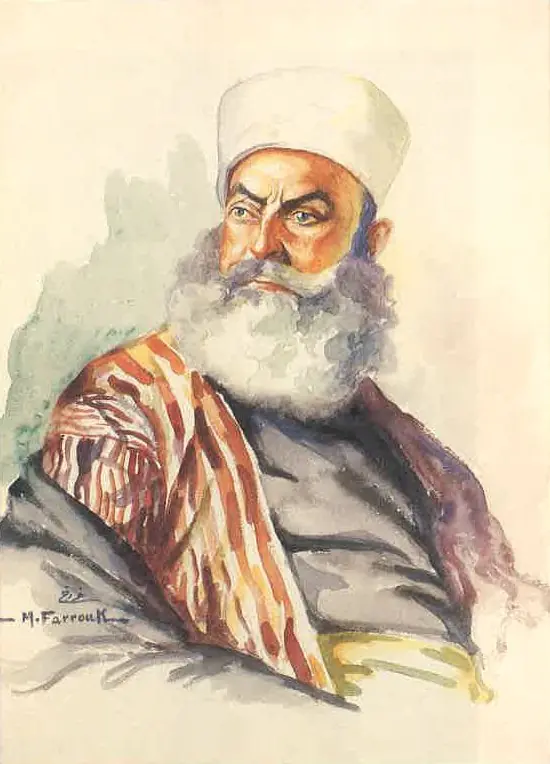 A Druze Sheikh from the Mala'eb Family of Bayssour
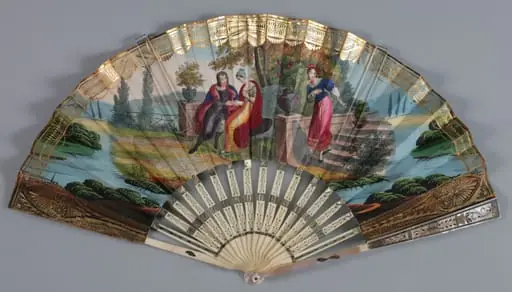 Eventail plié
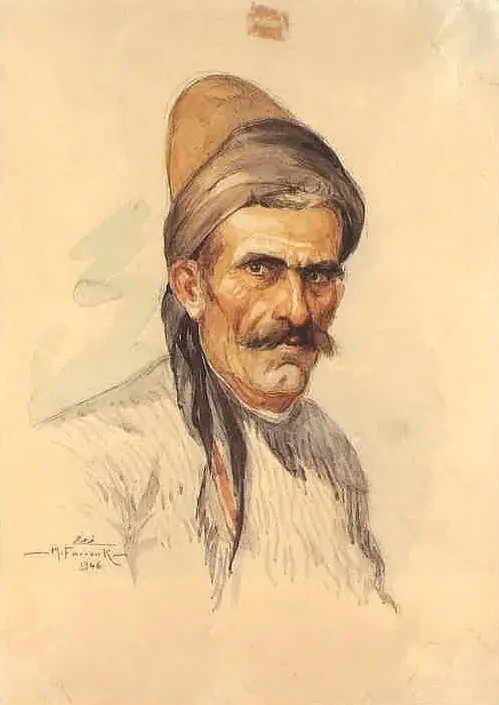 Three Paintings of a Muleteer (1)
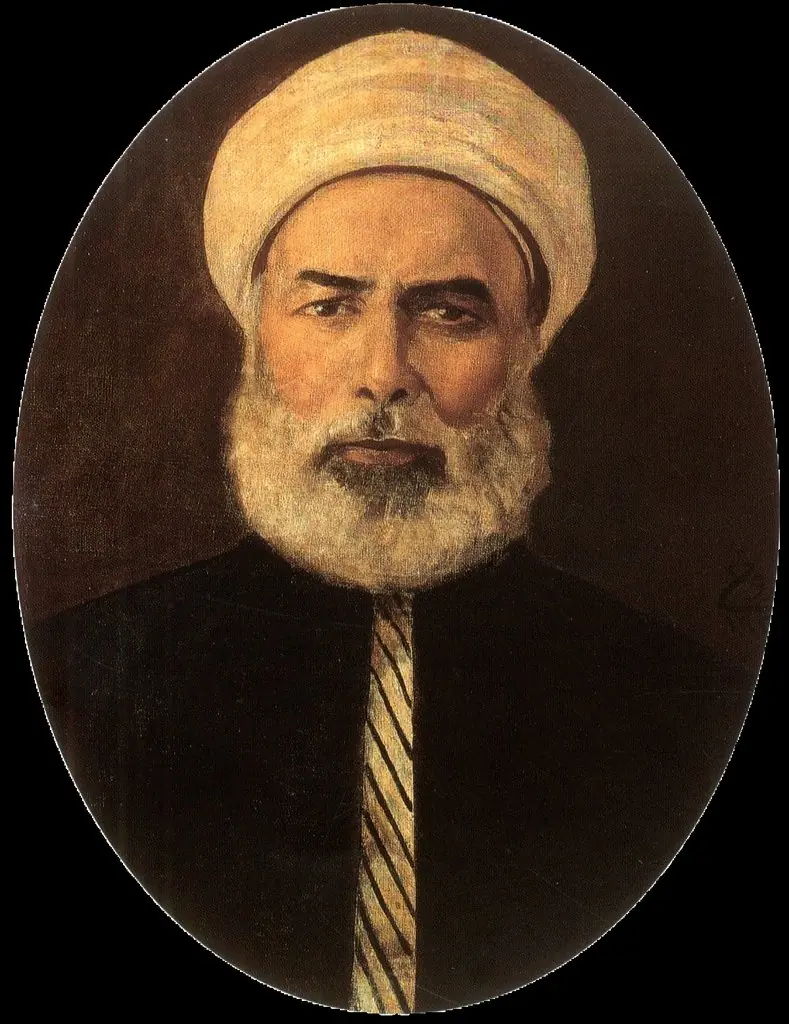 Imam Muhammad Abduh
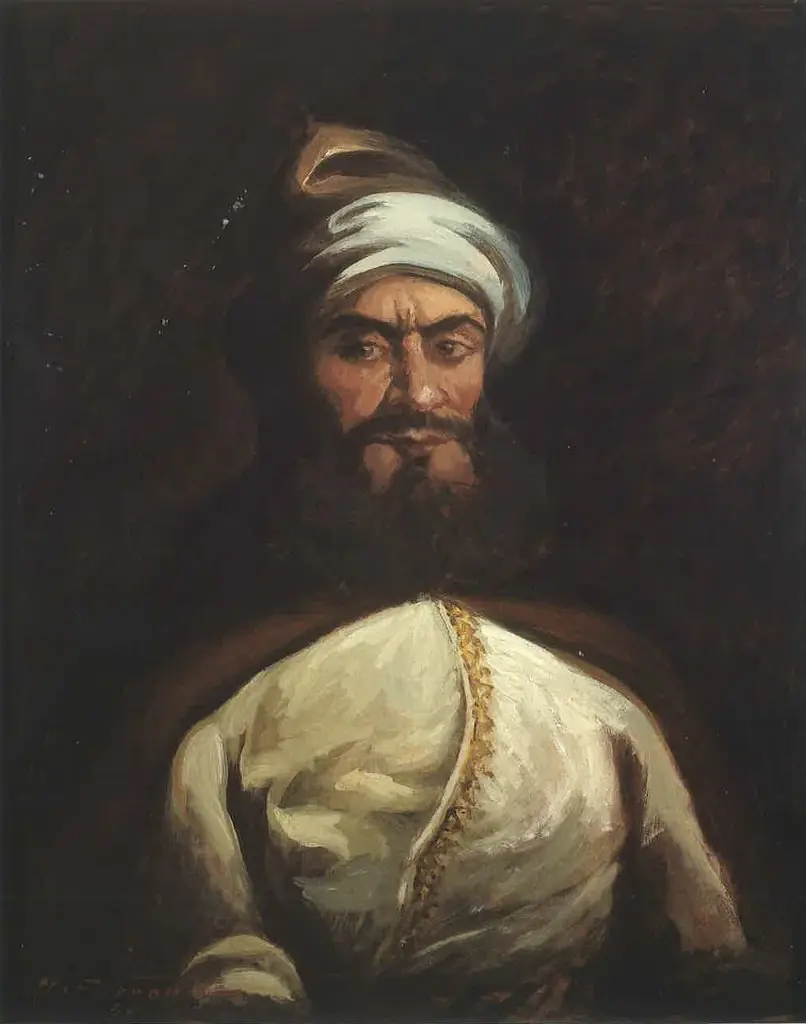 Emir Fakhr Al-Din
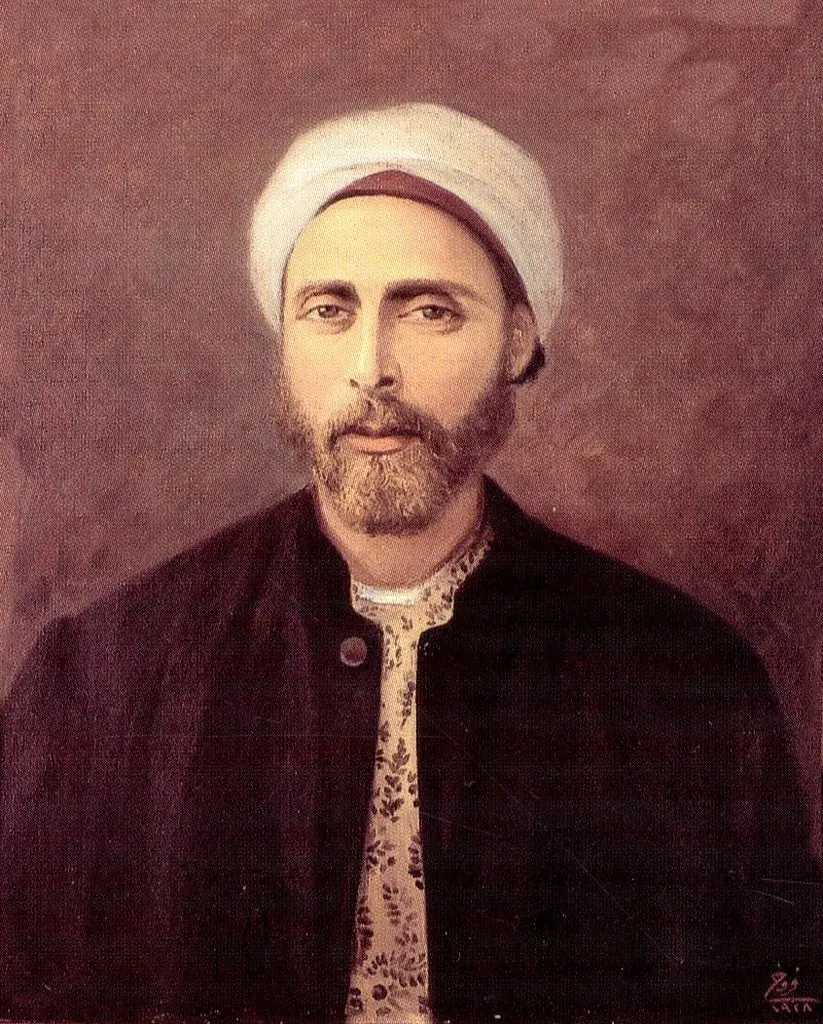 Hajj Hussein Beyhum
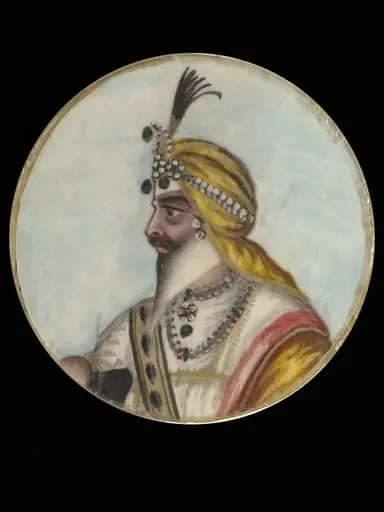 Chattar Singh Atariwala
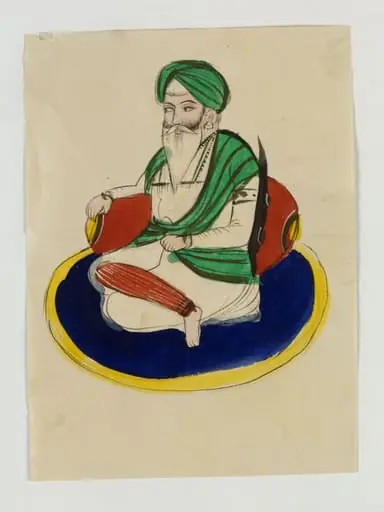 One of five drawings of Sikh heroes
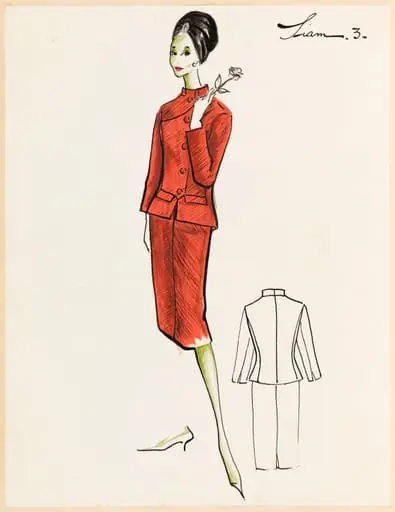 Liam
Liam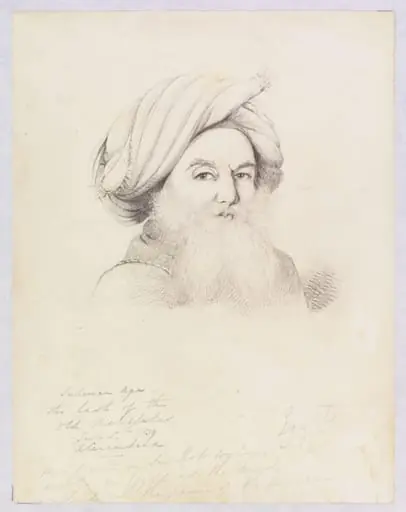 Suliman Aga, the last of the old Mamelukes
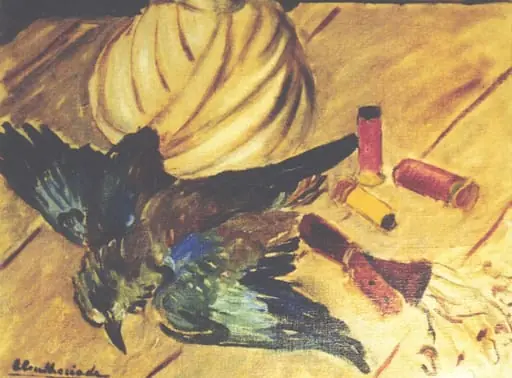 Porumbel turcesc
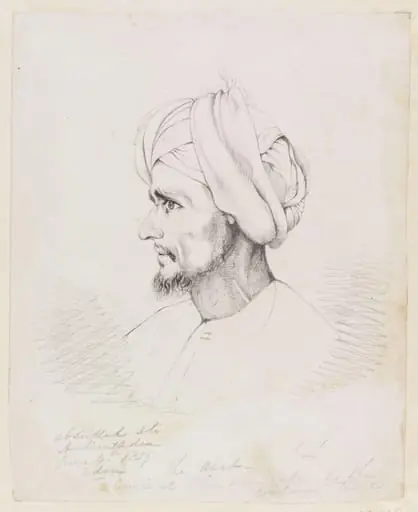 Abdullah Ali Hakim of Aden
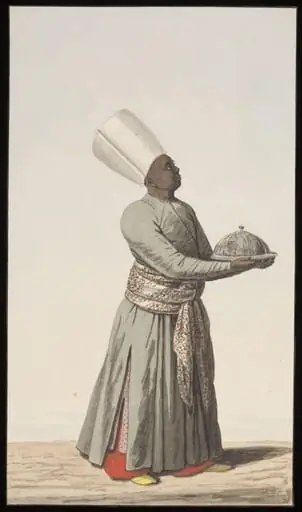 Mutfakçi or chef
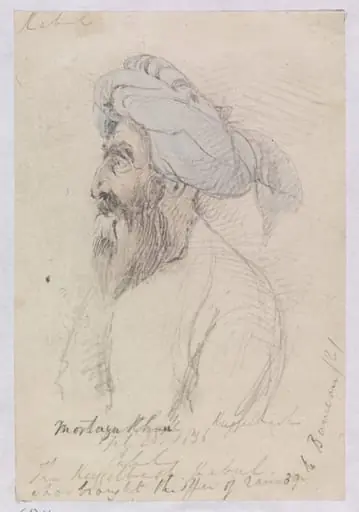 Mortaza Khan Kuzzelbash
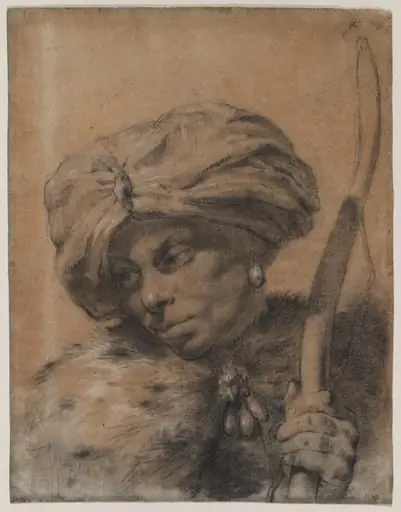 Archer with Turbaned Headdress
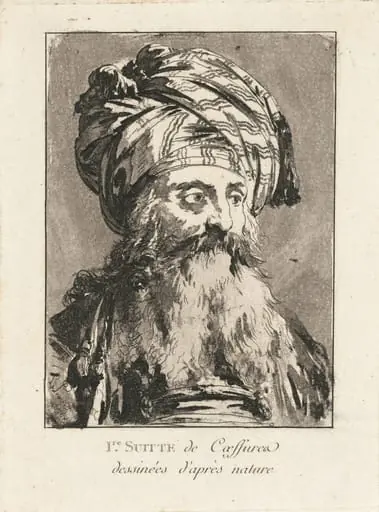 Head of a Turbaned Man
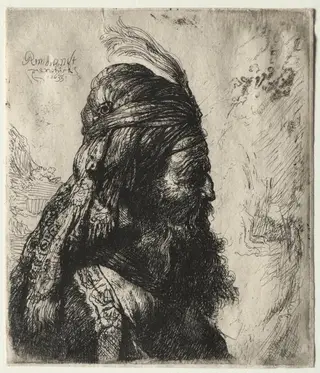 The Third Oriental Head
Frequently asked questions
What is Turban?
Turban is a subject in art. family name
How many Turban works does Artifact World Gallery have?
Artifact World Gallery holds 75 public-domain Turban works, all free to view and download.
Who are the key Turban artists?
Key Turban artists in the collection include Jean Léon Gérôme, Caravaggio and Ferdinand Bol.
Where can I see Turban works?
Turban works in the collection are held by Sursock Museum, Hermitage Museum and Victoria and Albert Museum.