Artwork
Portrait of the Danish King Christian II
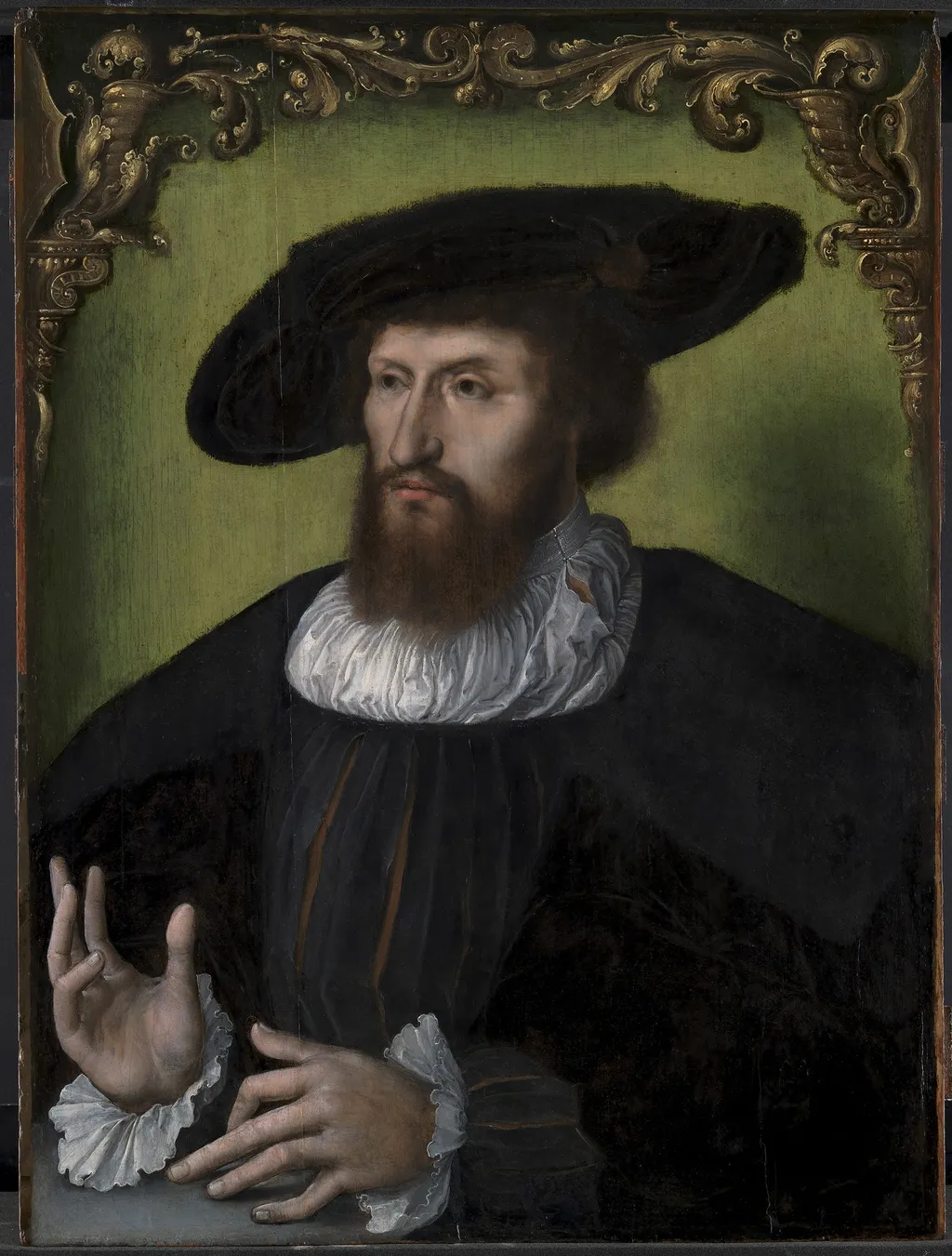
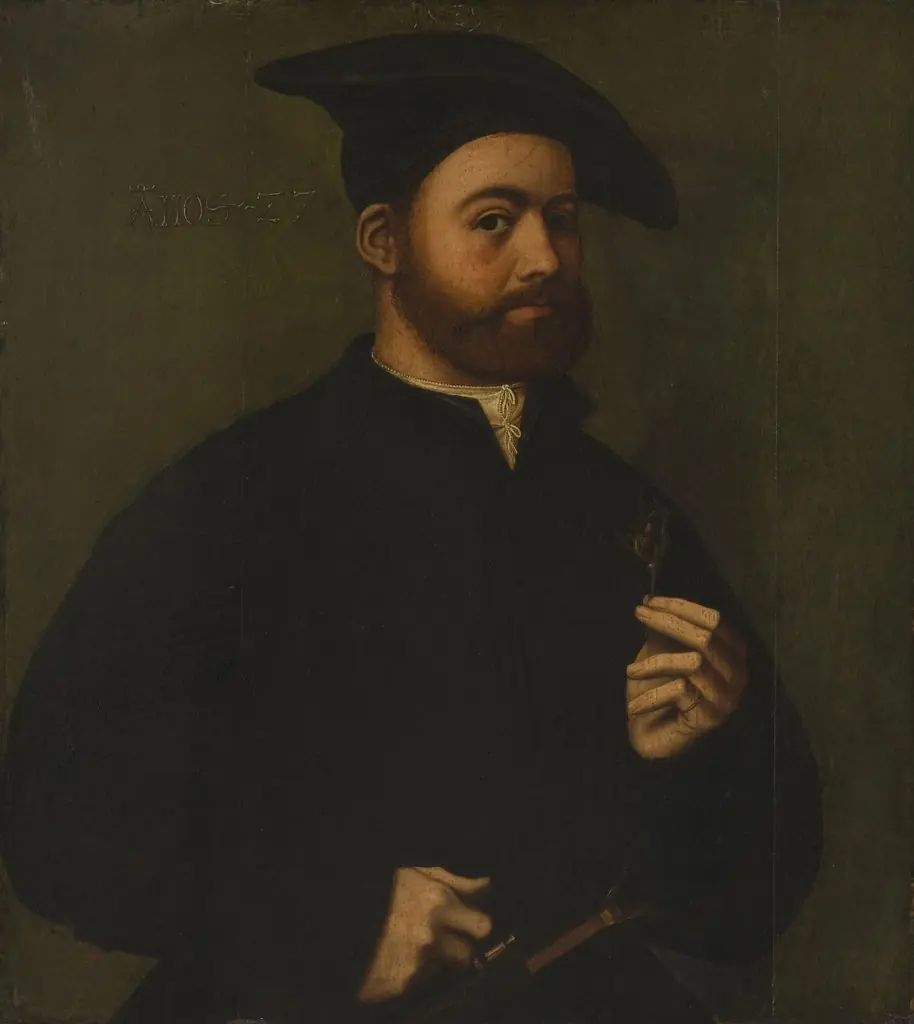
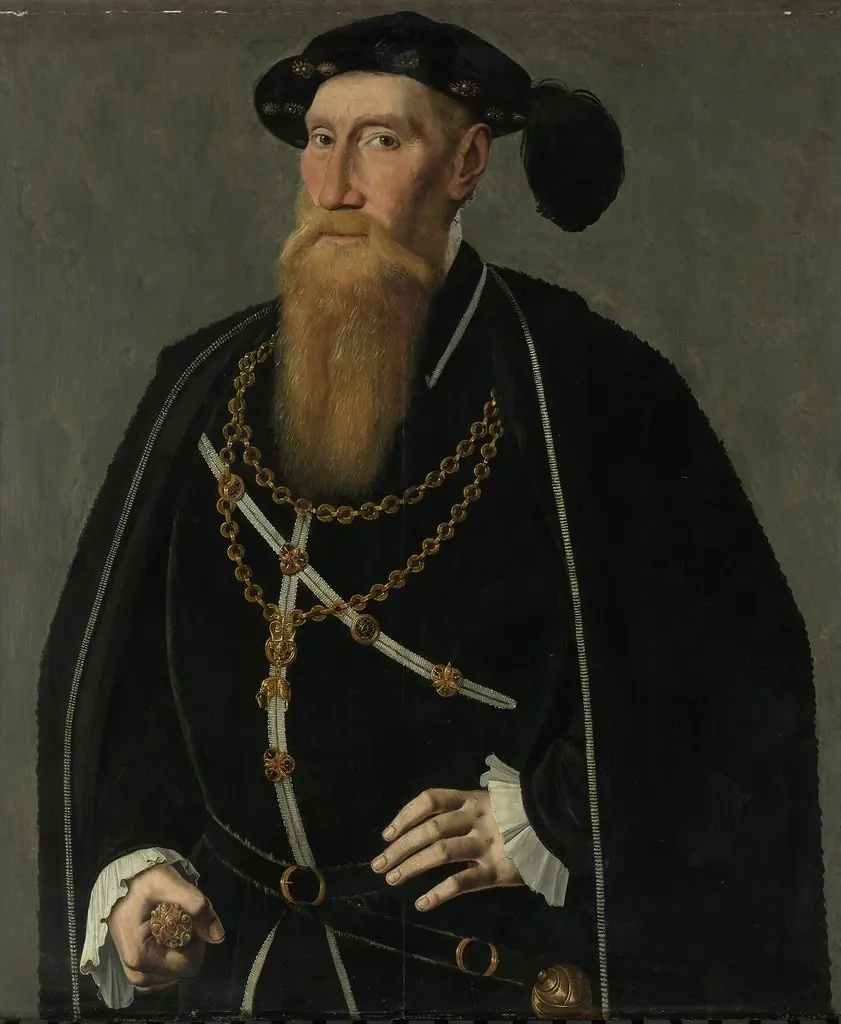
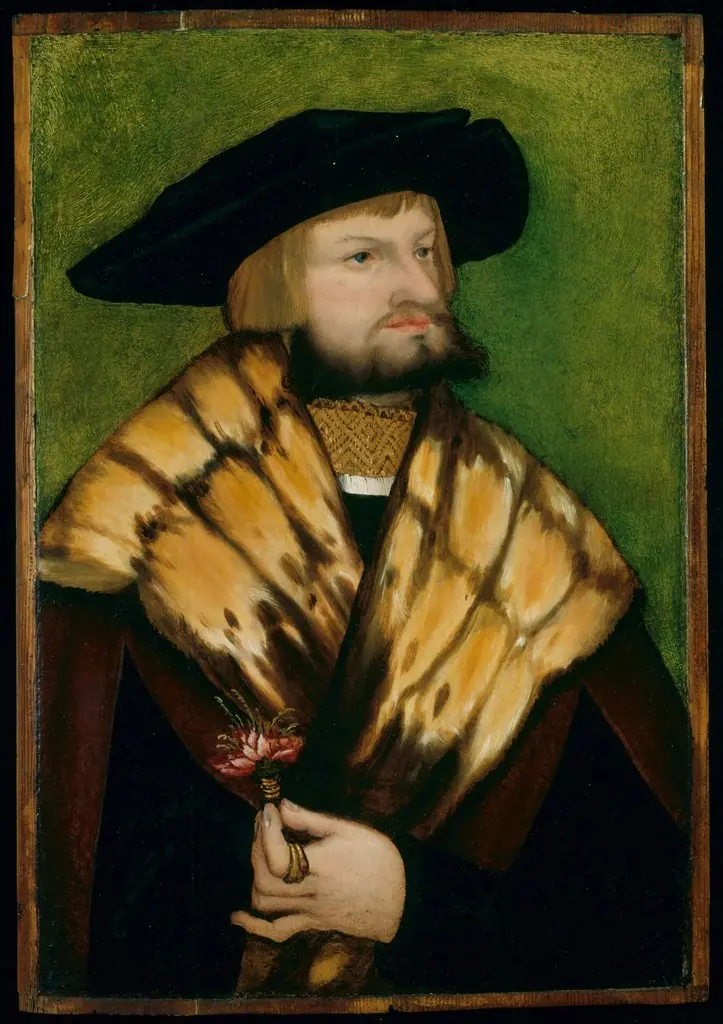
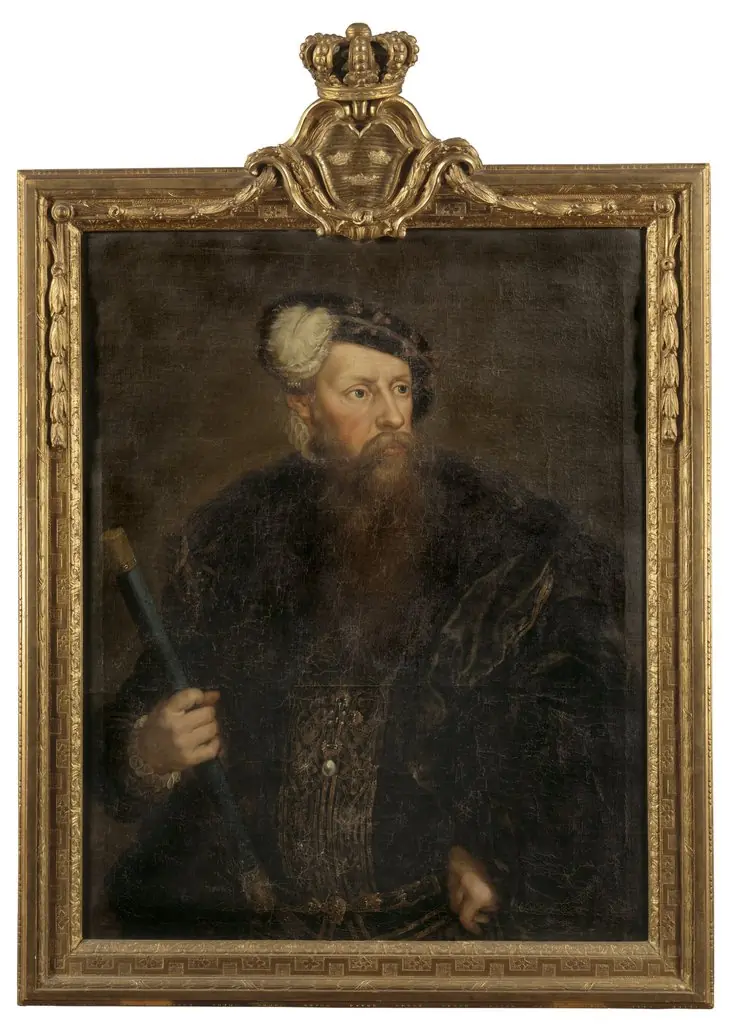
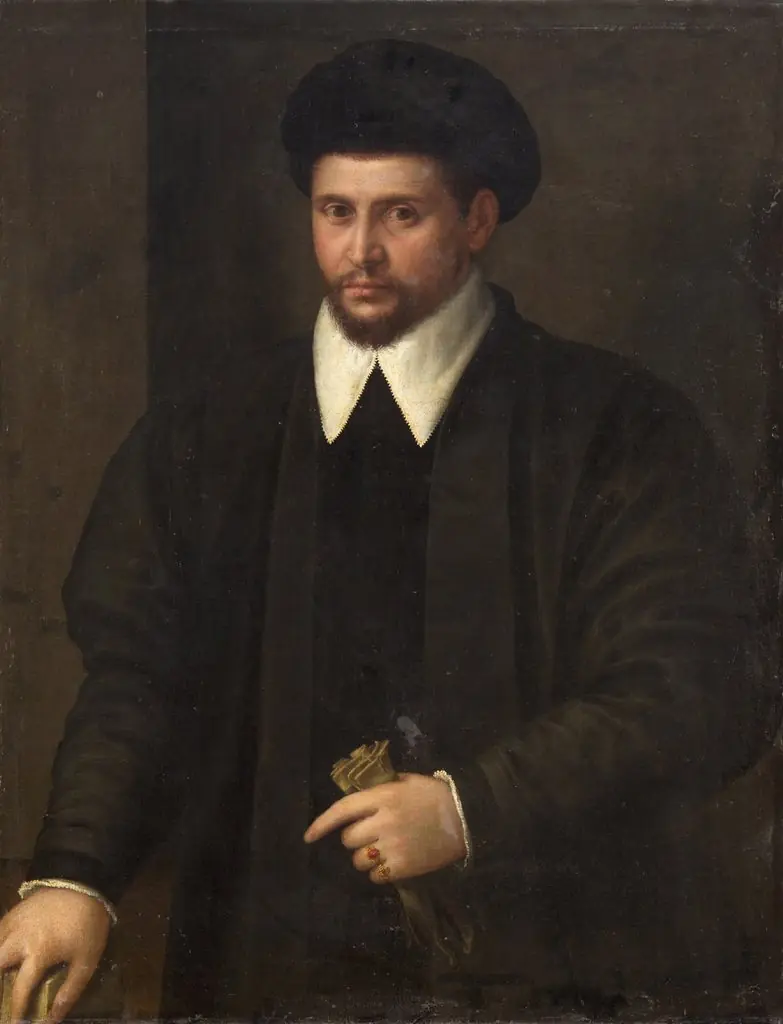
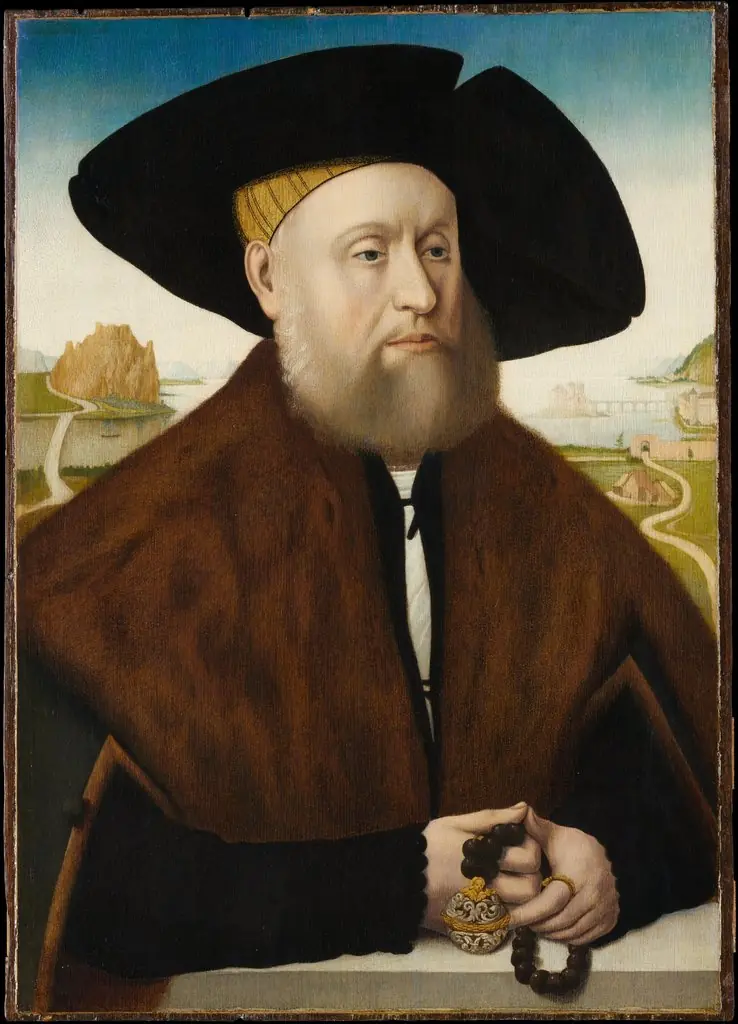
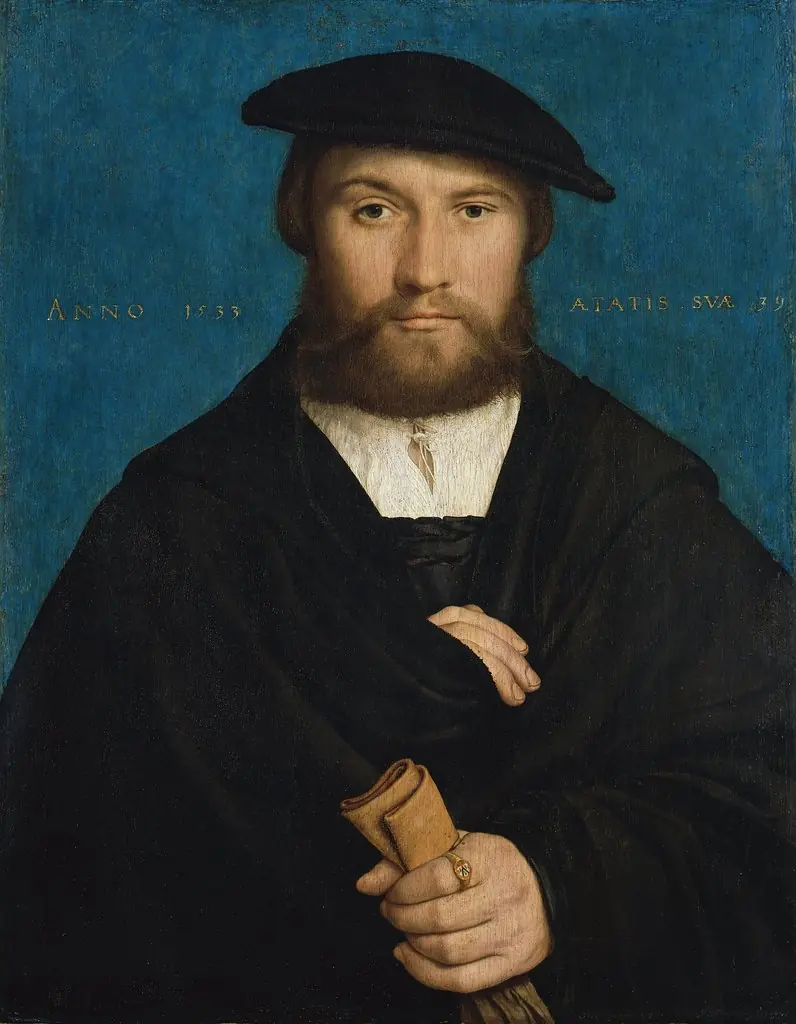
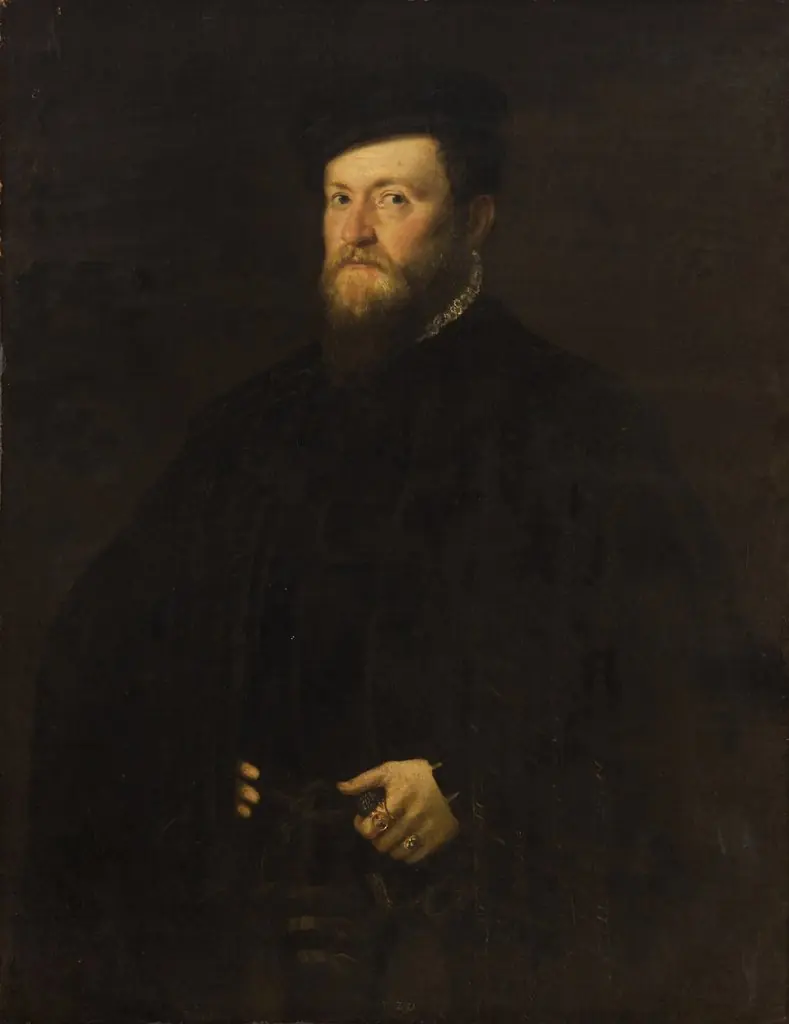
Portrait of the Danish King Christian II is an unspecified painting by the Northern Renaissance artist Unknown. It dates from 1516 and is held in the collection of the Statens Museum for Kunst. The work is a painted portrait showing a bearded man in a black hat and dark robe trimmed with a white ruffled collar.
About this work
Subject & Meaning
The artwork is a portrait whose main subject is Christian II of Denmark. As a representation of a monarch, the painting functions to depict the Danish king's likeness and royal status. The genre conventions of early sixteenth-century portraiture serve to communicate his identity and authority, capturing his physical appearance as the ruling sovereign.
Technique & Style
No further technical details regarding underdrawing, ground, pigment handling, or current condition are documented in the available sources.
The work is classified as a painting and dated to 1516, executed in oil on a panel support. Its dimensions are recorded as 500 cm in height by 375 cm in width, making it an unusually large-scale portrait. Stylistically, it belongs to the Netherlandish portrait tradition of the first quarter of the sixteenth century, presenting Christian II of Denmark as the sole identified sitter.
No further technical details regarding underdrawing, ground, pigment handling, or current condition are documented in the available sources.
History & Provenance
The Portrait of the Danish King Christian II was created in 1516. The painting depicts Christian II of Denmark and was executed by an unidentified Netherlandish artist active during the first quarter of the sixteenth century. Measuring 500 by 375 cm, the work is held in the collection of the Statens Museum for Kunst.
Overview
The work is a painted portrait showing a bearded man in a black hat and dark robe trimmed with a white ruffled collar. He raises his right hand with an open palm while his left hand rests on a surface before him, set against a muted green background. The composition focuses closely on the sitter’s face and attire, emphasizing fine detail.
Context
Royal portraits of this era served diplomatic and propagandistic purposes, presenting monarchs in dignified attire that reinforced their legitimacy. The inclusion of specific clothing elements, such as the ruffled collar, aligns with contemporary fashion at the Danish court and signals the sitter’s high rank.
Artist & collection