Artwork
Portrait of Virgilio Marchi
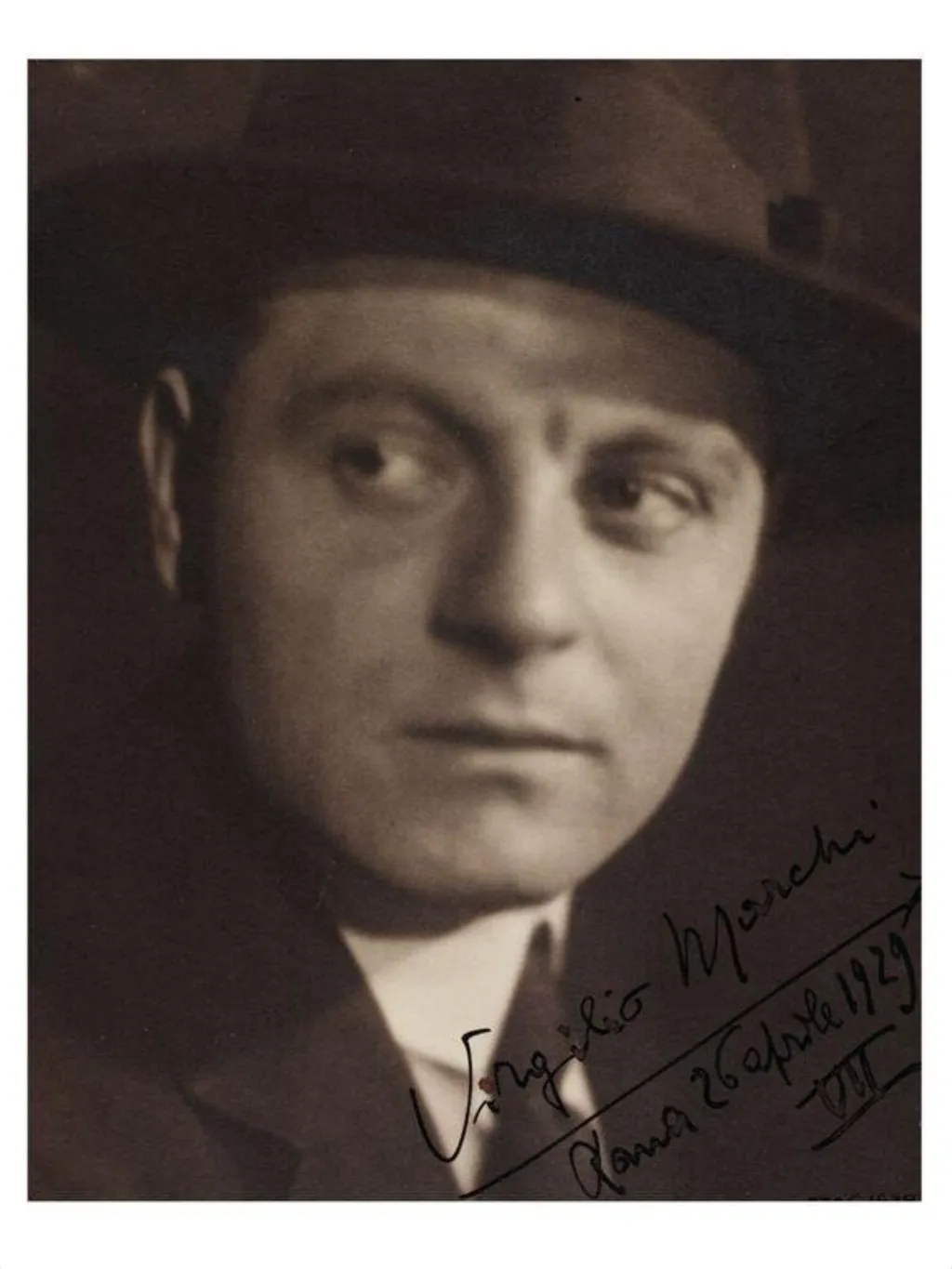
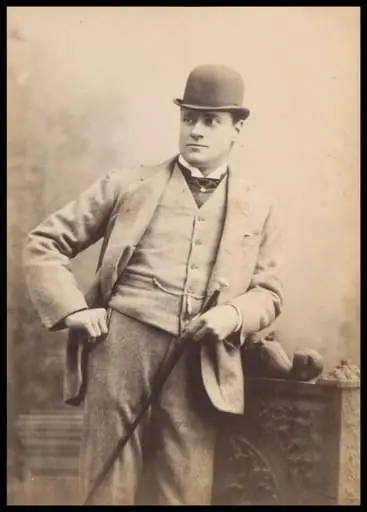
Portrait of Virgilio Marchi is a photographic photography by Unknown. It dates from 1929 and is held in the collection of the Victoria and Albert Museum. The portrait presents Virgilio Marchi seated, dressed in formal attire, his gaze directed straight at the camera.
About this work
Overview
The portrait presents Virgilio Marchi seated, dressed in formal attire, his gaze directed straight at the camera. The image is a black‑and‑white photograph that emphasizes contrast and shadow, giving the sitter a resolute, almost cinematic presence. A handwritten signature in the lower right corner identifies Marchi as the subject and suggests the photograph was meant for public distribution.
Subject & Meaning
Virgilio Marchi (1885–1960) was an Italian architect linked to the second generation of Futurism. He embraced the movement’s call to abandon historicist styles, championing the dynamism of modern transport and construction. His self‑authored manifesto of 1920 articulated these ideas, and his involvement in theatre and film set design reflects a broader engagement with contemporary visual culture.
Technique & Style
The photograph employs dramatic chiaroscuro, with strong lighting that isolates Marchi’s face against a dark background. This stylistic choice aligns with the portraiture trends of the 1930s, where stark shadows and a direct stare conveyed confidence and modernity, echoing the visual language of cinema and advertising of the era.
History & Provenance
The image bears Marchi’s own signature, indicating it was likely produced as a promotional portrait for admirers of his work. It circulated among circles connected to the avant‑garde review "Noi," edited by Enrico Pampolini, which gathered artists and writers involved in Futurist and related movements.
Context
Marchi’s portrait sits at the intersection of several 1930s cultural currents: the rise of Futurist architecture, the burgeoning film industry, and the visual aesthetics of modern design. His appearance, reminiscent of contemporary film stars, underscores the period’s blending of artistic disciplines and the architect’s role as both creator and public figure.
Artist & collection









 Guy Little Theatrical Photograph
 H Beard Print Collection
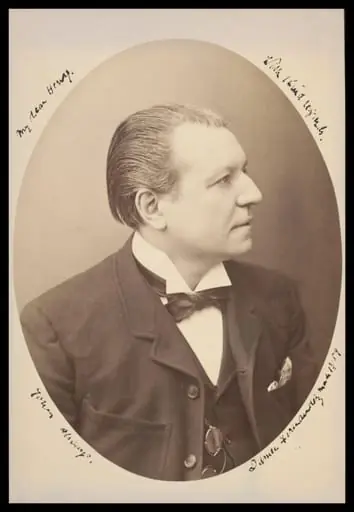 Guy Little Theatrical Photograph
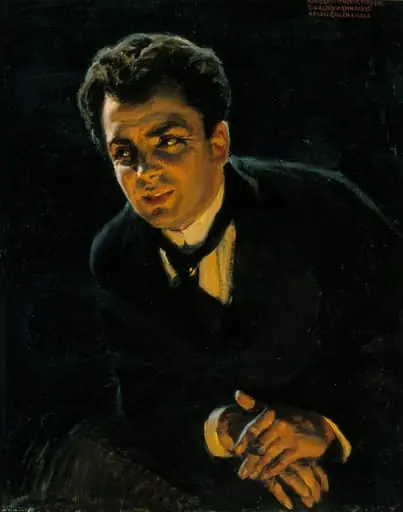 Saksalaisen näyttelijä Rudolf Rittnerin muotokuva
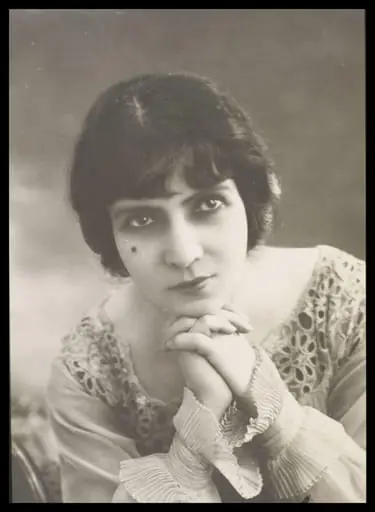 Guy Little Theatrical Photograph
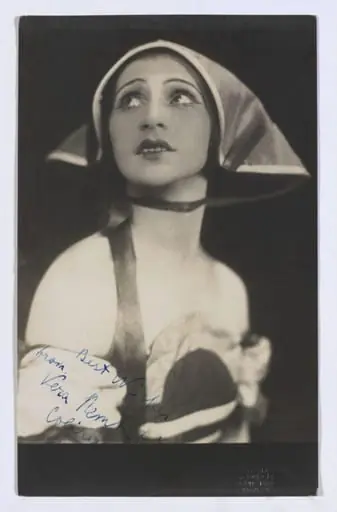 Les Tentations de la Bergère
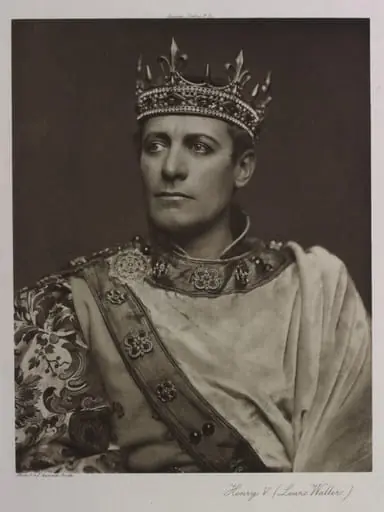 H Beard Print Collection
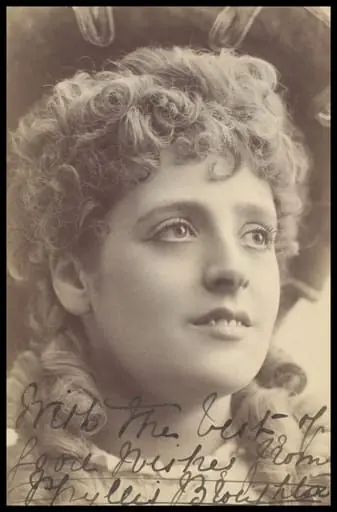 Guy Little Theatrical Photograph
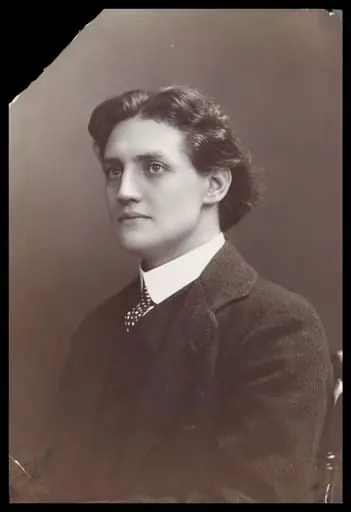 Guy Little Theatrical Photograph
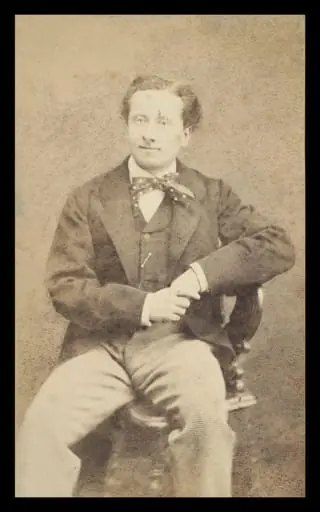 Guy Little Theatrical Photograph
 Guy Little Theatrical Photograph
- Guy Little Theatrical Photograph