Artwork
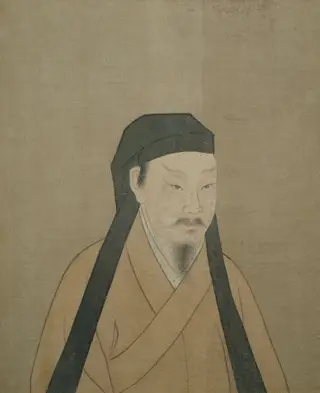
Portrait Study of Seigen
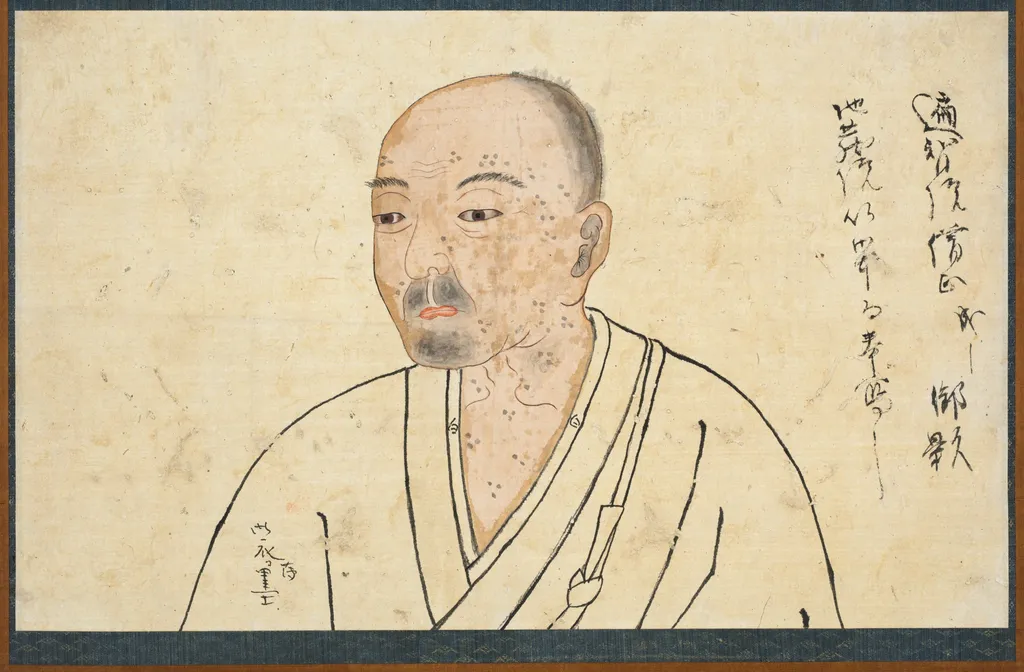
Portrait Study of Seigen is an unspecified painting. It dates from 1300 and is held in the collection of the Cleveland Museum of Art.
About this work
Subject & Meaning
No additional symbolic elements, iconographic details, or deeper allegorical meanings are provided in the available records regarding this specific study.
The work is a portrait study depicting a figure identified as Seigen. Created around 1300 in Japan, the painting functions as a likeness of this specific individual. The title explicitly names the subject, indicating the primary purpose of the artwork is to represent Seigen.
No additional symbolic elements, iconographic details, or deeper allegorical meanings are provided in the available records regarding this specific study.
Technique & Style
Portrait Study of Seigen is a painting created in Japan around the year 1300. The work is classified within the portrait genre and is attributed to an unknown artist. It is currently held in the collection of the Cleveland Museum of Art.
As a painting from this period and region, the piece represents the formal stylistic traditions of Japanese portraiture, though specific details regarding the exact medium, support materials, or current physical condition are not provided in the available records.
History & Provenance
The Portrait Study of Seigen is a Japanese painting dated to the year 1300. Created by an unknown artist, the work is classified as a portrait. The piece is currently held in the collection of the Cleveland Museum of Art, where it is cataloged under the accession number 1982.55.
No further details regarding the original commission, specific patron, or the intermediate ownership chain prior to its museum acquisition are provided in the available records.
Overview
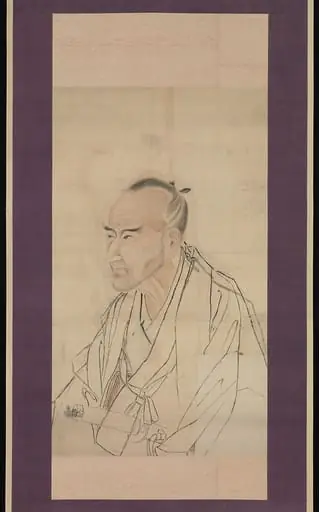
This painting, titled "Portrait Study of Seigen," presents a focused depiction of a bald man. The artist concentrated on rendering the subject's face and hands with particular attention, while other elements of the composition remain understated. Faint script is visible on the right side of the unadorned background, potentially offering an identification of the sitter or a note from the painter.
Artist & collection

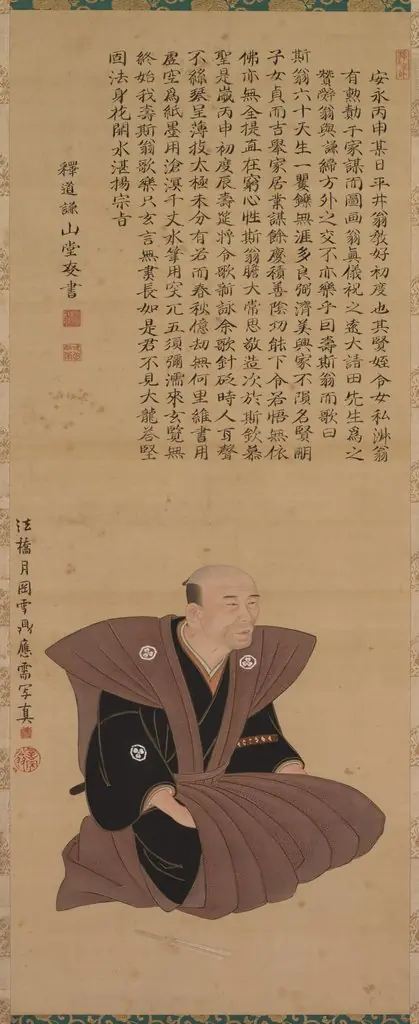 Portrait of Samurai-Official: Hirai KyoseiHirai Kyosei
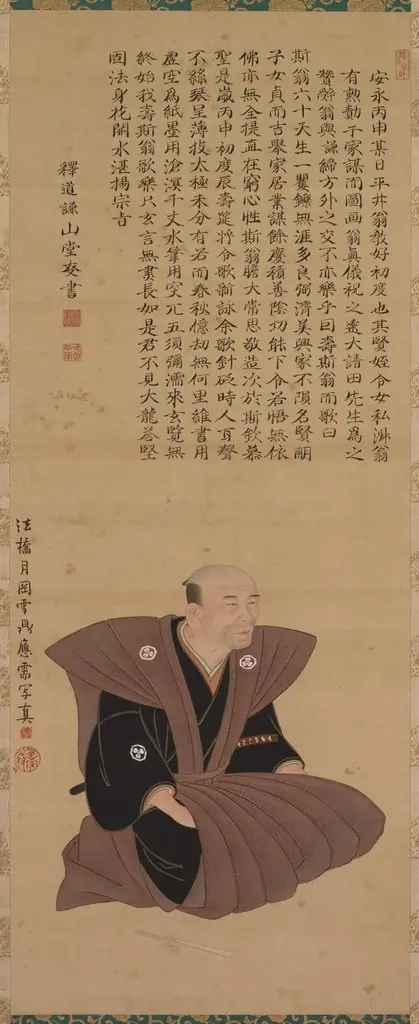 Pair of Portraits of Samurai-Officials: Hirai Kyosei and Hirai Rinsei
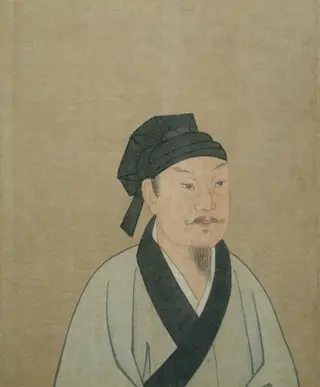 Portrait of a Gentleman
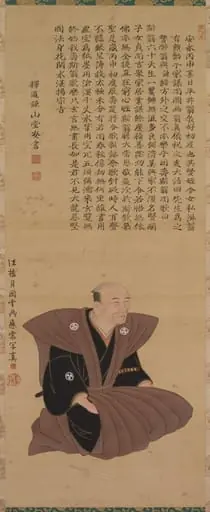 Portrait of Samurai-Official: Hirai KyoseiHirai Kyosei
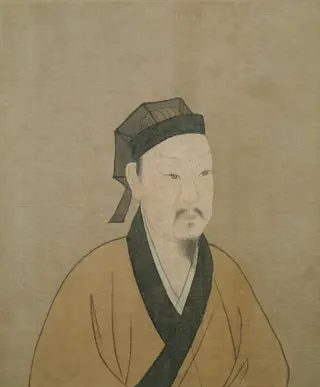 Portrait of a Gentleman
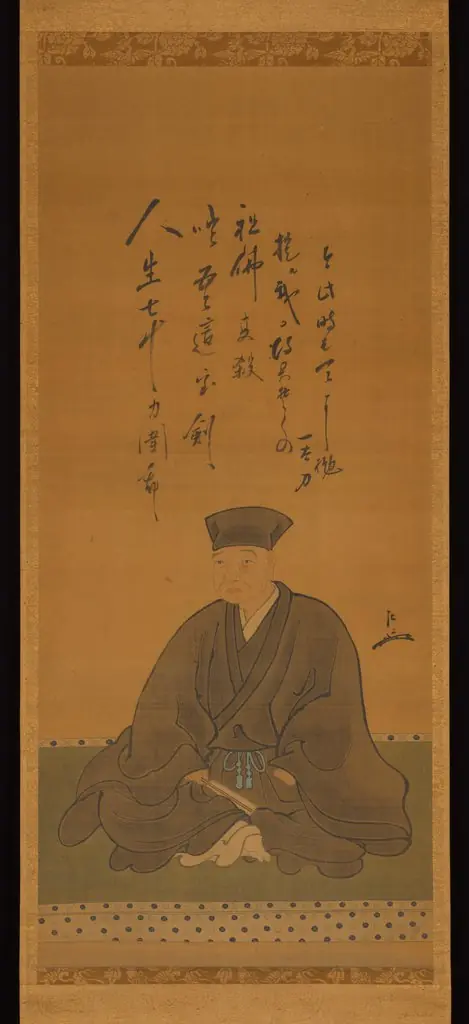 Portrait of Sen no Rikyū with his Death Poem
 Untitled
 Seated Portrait of Emperor Gaozong
 清原元輔 「為重本 時代不同歌合絵巻」 断簡 |The Poet Kiyohara Motosuke, from the “Tameshige Version” of Thirty-six Poetic Immortals (Tameshige-bon Jidai fudō utawase emaki)
 The Poet Sōsei
 Portrait of a Gentleman
- Portrait Study of Seigen