Artwork
Portrait Study of Seigen
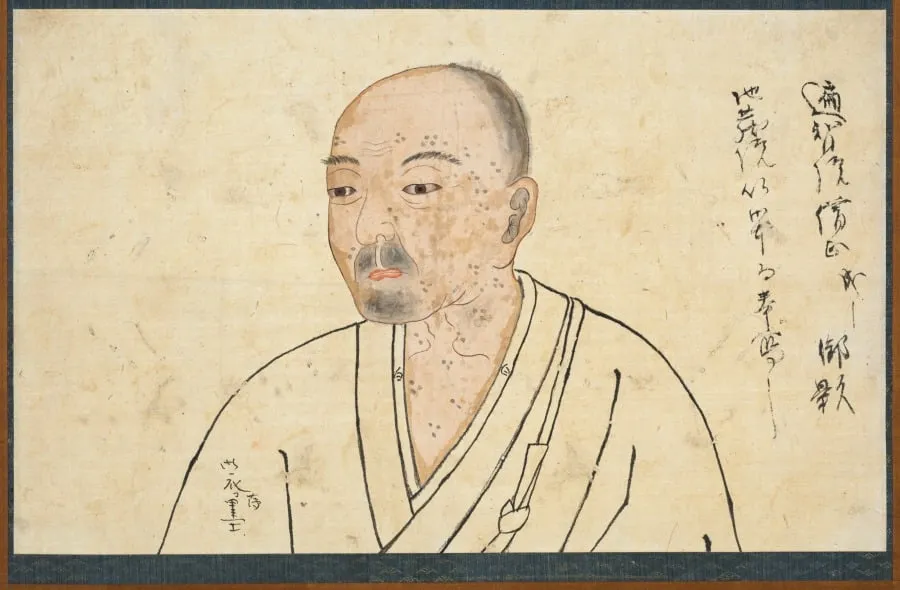
Portrait Study of Seigen is an unspecified painting by the Joseon dynasty painting artist Unknown. It dates from 1304 and is held in the collection of the Cleveland Museum of Art. This portrait study depicts Seigen, a prominent monk who served as abbot of Daigoji, a highly influential Esoteric Buddhist temple in Japan.
- Accession no.
- 1982.55
- Credit line
- John L. Severance Fund
About this work
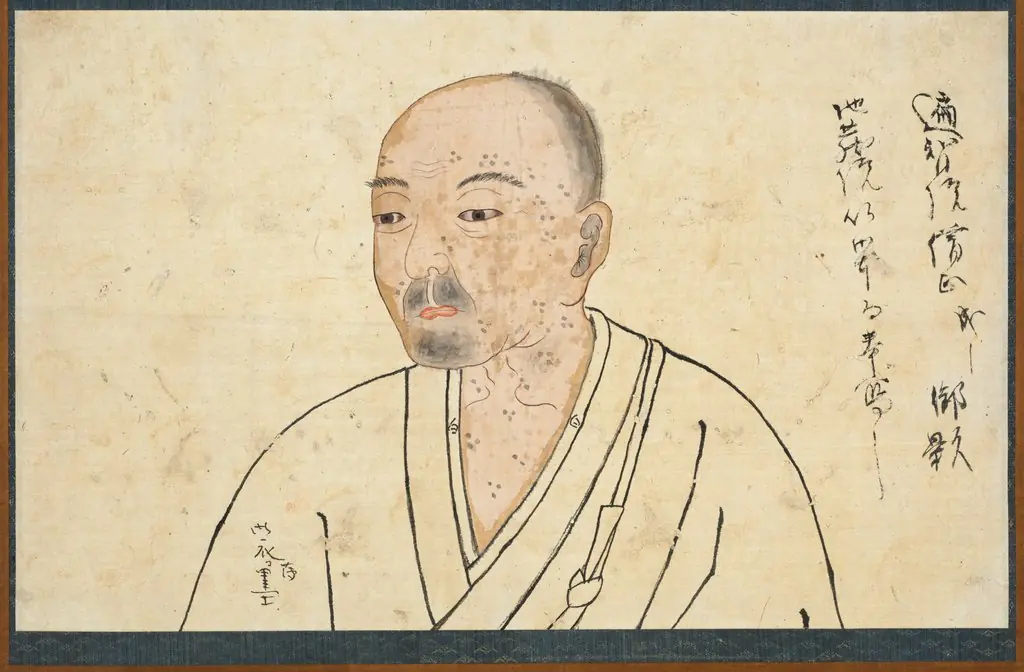
The artist jotted notes in the margins about colors for the robes and even included the monk’s scars from illness.
You see an old ink drawing of a monk’s face, lined with age and marked by small scars.
This isn’t just a portrait, it’s a study sheet. The artist jotted notes in the margins about colors for the robes and even included the monk’s scars from illness. It was copied from a painting in a temple, meant to remember Seigen, a powerful Buddhist leader.
Look up japan, kamakura period (1185–1333) to see more works like this.
Overview
This portrait study depicts Seigen, a prominent monk who served as abbot of Daigoji, a highly influential Esoteric Buddhist temple in Japan. The work is based on an original portrait located in the Jizō’in subtemple of Daigoji.
Subject & Meaning
Seigen (1162–1231) is portrayed with realistic attention to his aged appearance, including scars resulting from an illness. The study honors his legacy as a key figure in Japanese Buddhist history.
Technique & Style
Executed in ink, the drawing features marginal notations by the artist specifying colors intended for the monk’s robes in a presumably final, painted version. The overall approach suggests a preparatory or commemorative study.
History & Provenance
Copied from a portrait in Daigoji’s Jizō’in subtemple during the Kamakura period (1185–1333), the study’s creation date aligns with this era, though the artist remains unidentified.
Context
Created within the Kamakura period, this work reflects the era’s artistic tendencies and the significance of Daigoji in Japanese Buddhism. Similar works from this time often blended religious reverence with realistic depiction.
Legacy
As a study of Seigen, the work contributes to the visual and historical record of Japan’s Esoteric Buddhist leadership during the Kamakura period, highlighting the importance of portraitures in preserving religious figures’ legacies.
Artist & collection









 Untitled
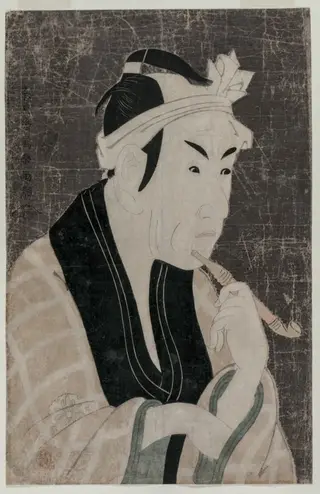 Matsumoto Koshiro IV as Gorobei, the Fish Seller from Sanya
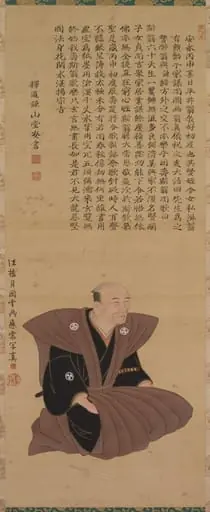 Portrait of Samurai-Official: Hirai KyoseiHirai Kyosei
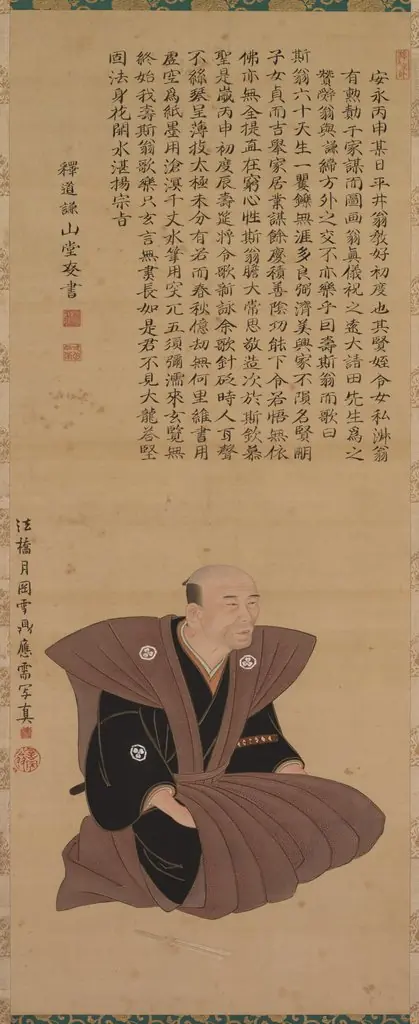 Pair of Portraits of Samurai-Officials: Hirai Kyosei and Hirai Rinsei
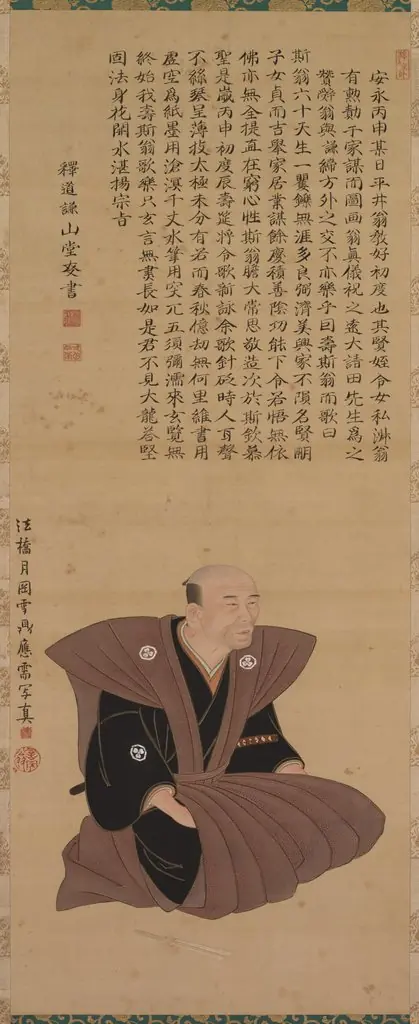 Portrait of Samurai-Official: Hirai KyoseiHirai Kyosei
 Untitled
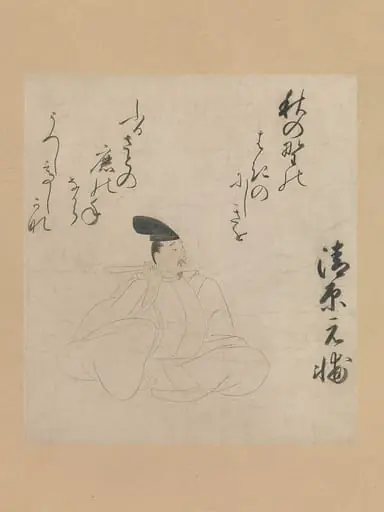 清原元輔 「為重本 時代不同歌合絵巻」 断簡 |The Poet Kiyohara Motosuke, from the “Tameshige Version” of Thirty-six Poetic Immortals (Tameshige-bon Jidai fudō utawase emaki)
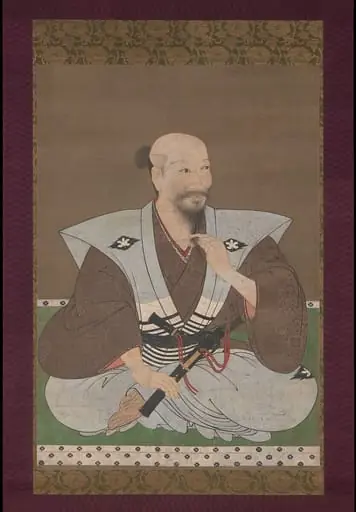 武将肖像画|Portrait of a Warrior
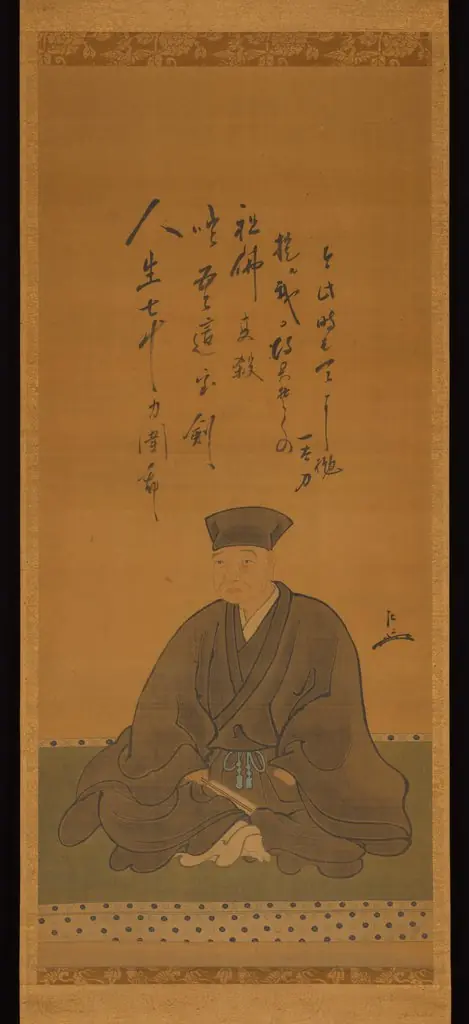 Portrait of Sen no Rikyū with his Death Poem
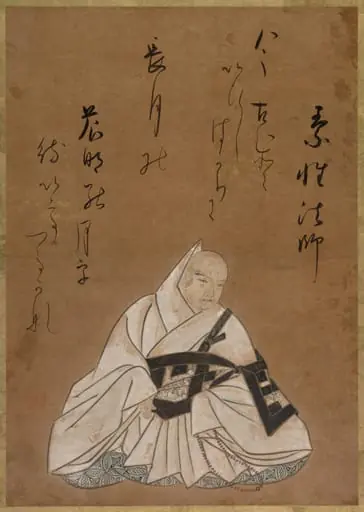 The Poet Sōsei