Artwork
Roundel with Allegorical Figure
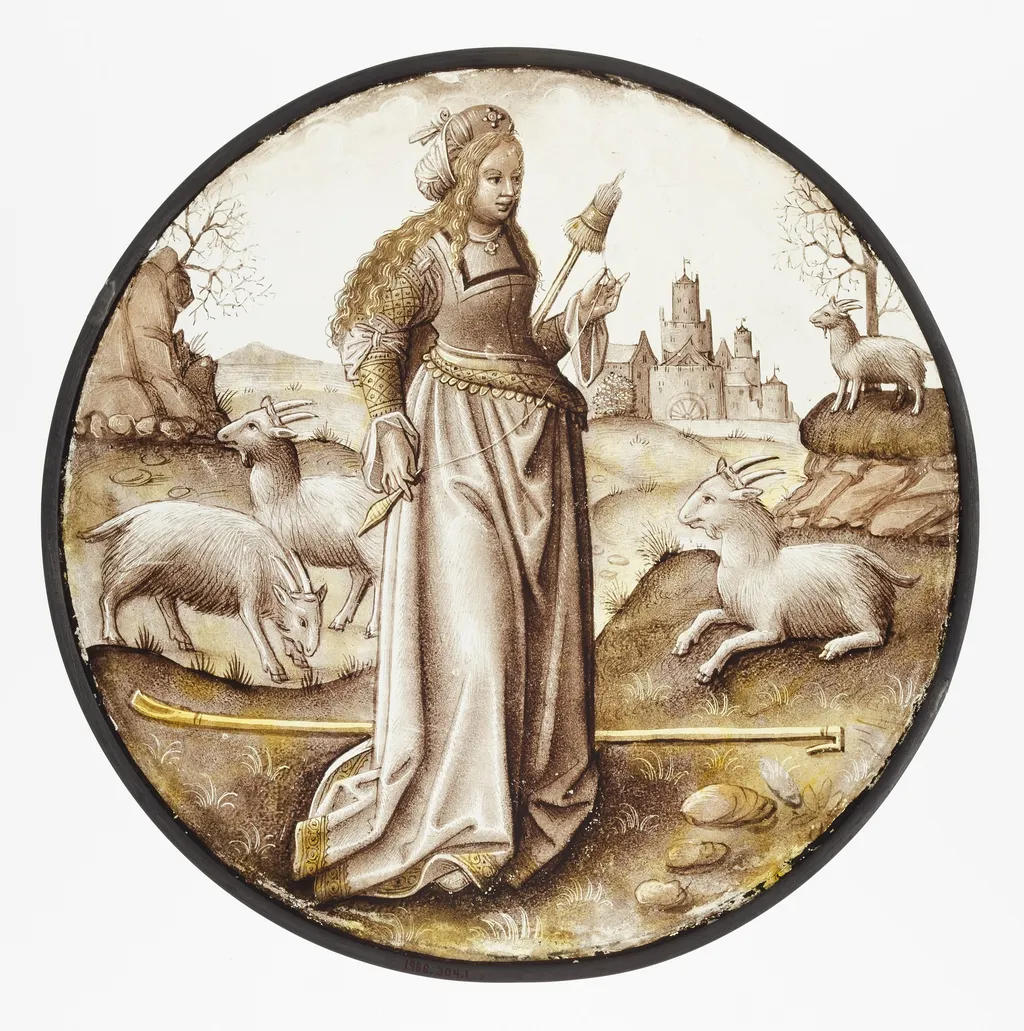
Roundel with Allegorical Figure is an unspecified painting. It dates from 1510 and is held in the collection of the Metropolitan Museum of Art. This circular painting presents a female figure adorned in elaborate historical garments, set within a pastoral landscape.
About this work
Subject & Meaning
The roundel presents an allegorical composition centered on a female figure, classified within the genre of allegory and dated to 1510.
The roundel presents an allegorical composition centered on a female figure, classified within the genre of allegory and dated to 1510. The depicted subject is a woman, accompanied by a goat, an animal pairing that traditionally signals themes of fertility, abundance, or pastoral virtue within allegorical imagery. The combination of a human figure with a goat in a circular format aligns the work with Renaissance conventions of personification, where natural and mythological attributes are condensed into compact symbolic scenes.
As the painting is anonymous and the sources do not specify a named allegory, the precise identity of the figure, whether a virtue, a season, or a mythological personage, cannot be confirmed from available documentation.
Technique & Style
Created in 1510, the Roundel with Allegorical Figure is classified as a painting executed in an allegorical genre. The work is attributed to an anonymous artist and is currently held within the collection of the Metropolitan Museum of Art. While the specific medium and support materials are not detailed in the available records, the piece is defined by its circular format and its depiction of a woman accompanied by a goat.
These formal elements contribute to its identity as a Renaissance-era allegorical composition, focusing on symbolic representation rather than narrative realism. The condition and specific handling techniques remain undocumented in the provided sources, but the work's classification as a painting from the early sixteenth century establishes its historical context within the period's artistic practices.
History & Provenance
The roundel titled "Roundel with Allegorical Figure" is an anonymous painting dated to 1510. It belongs to the genre of allegory and depicts a goat and a woman. The work is part of the Metropolitan Museum of Art's collection, located in New York.
Its provenance traces to the museum's acquisition, with no documented earlier owners. The creation history reflects early 16th‑century workshop practice, executed circa 1510. No record of a specific commission exists in the sources.
Context
The roundel titled Allegorical Figure, dated to 1510, is recorded as an anonymous painting in the Metropolitan Museum of Art, where it is classified as a work of the allegory genre and depicted with a goat and a woman. Its status as an anonymous piece situates it within the broader corpus of early sixteenth‑century European allegorical paintings, reflecting contemporary symbolic interests. The work’s inclusion in the Met’s collection highlights its significance as a representative example of Renaissance visual allegory, studied by scholars examining the period’s use of emblematic imagery.
Overview
This circular painting presents a female figure adorned in elaborate historical garments, set within a pastoral landscape. She holds a staff and a collection of bound sticks, surrounded by a small herd of tranquil goats. In the background, a modest town featuring a church and a prominent tower completes the scene.
The artwork employs a palette of subdued colors and exhibits meticulous attention to detail, characteristic of earlier artistic periods.
Artist & collection

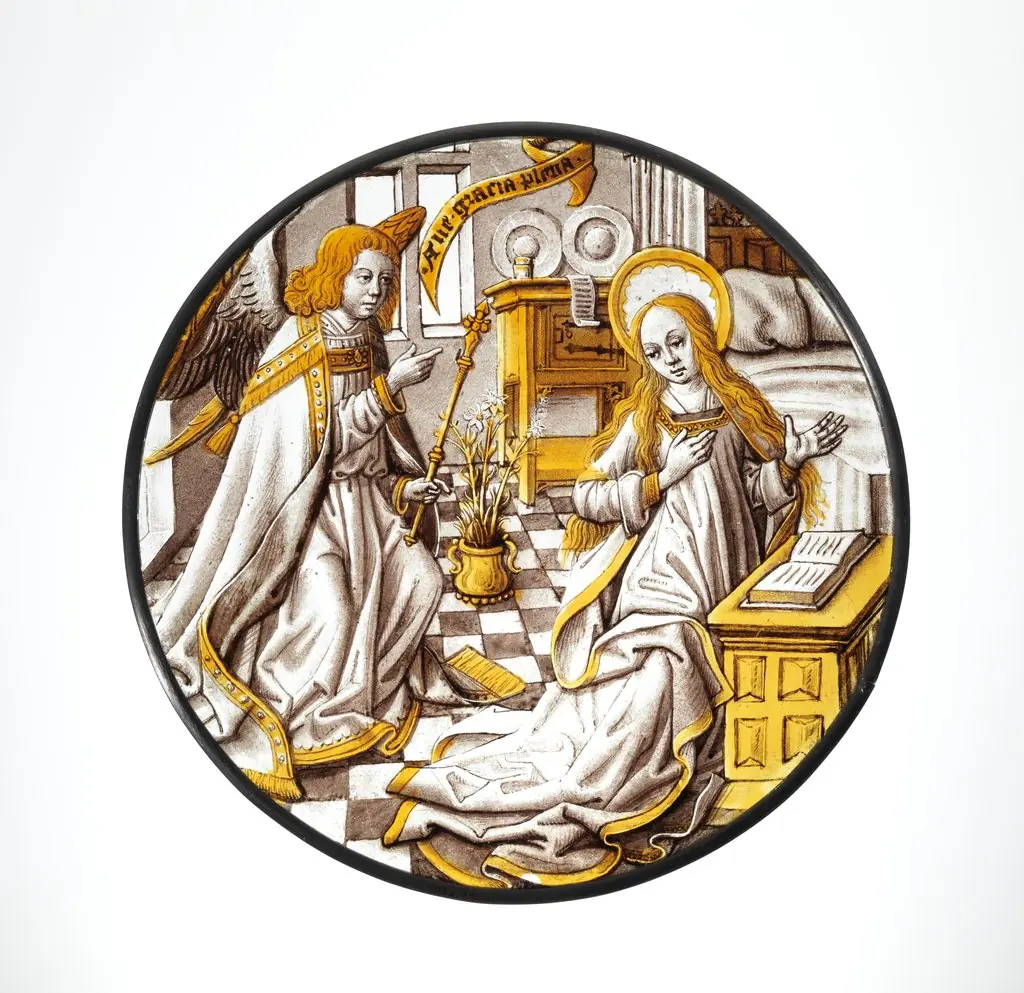 Roundel with Annunciation to the Virgin
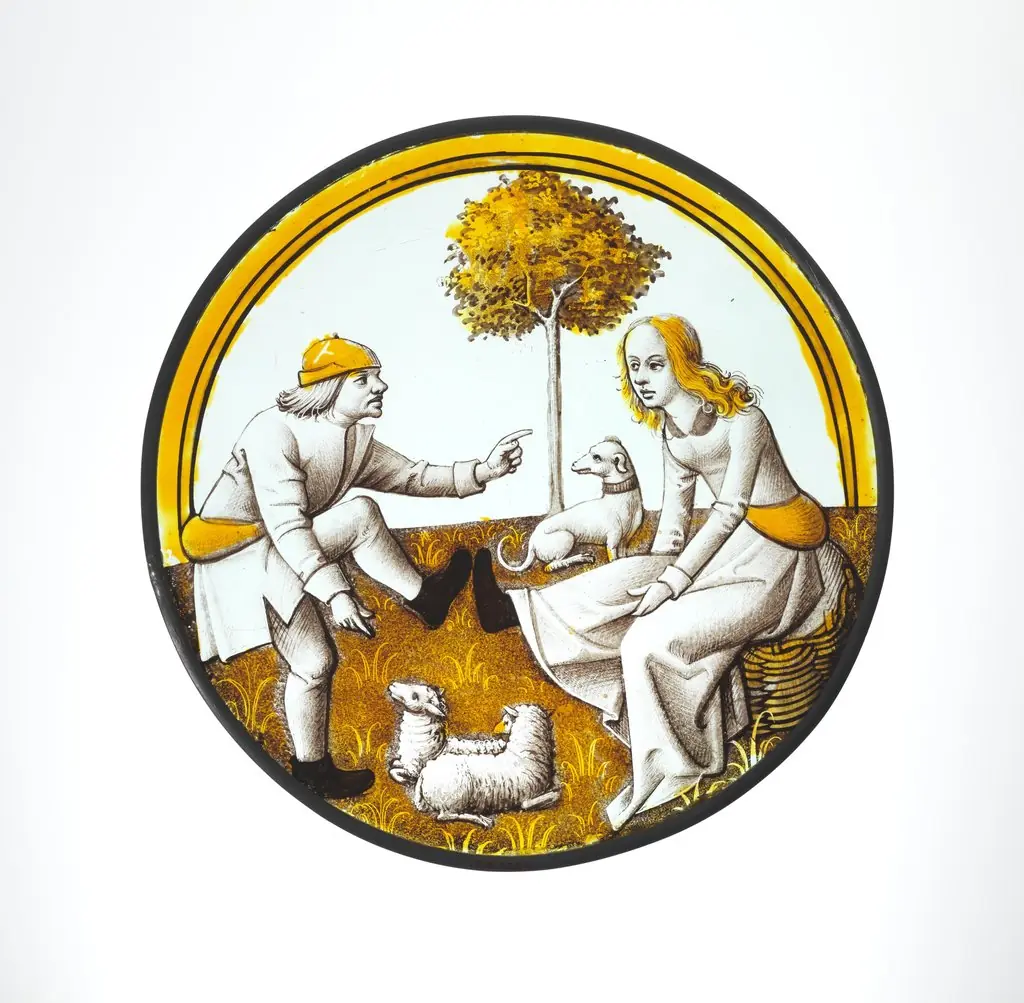 Roundel with Playing at Quintain
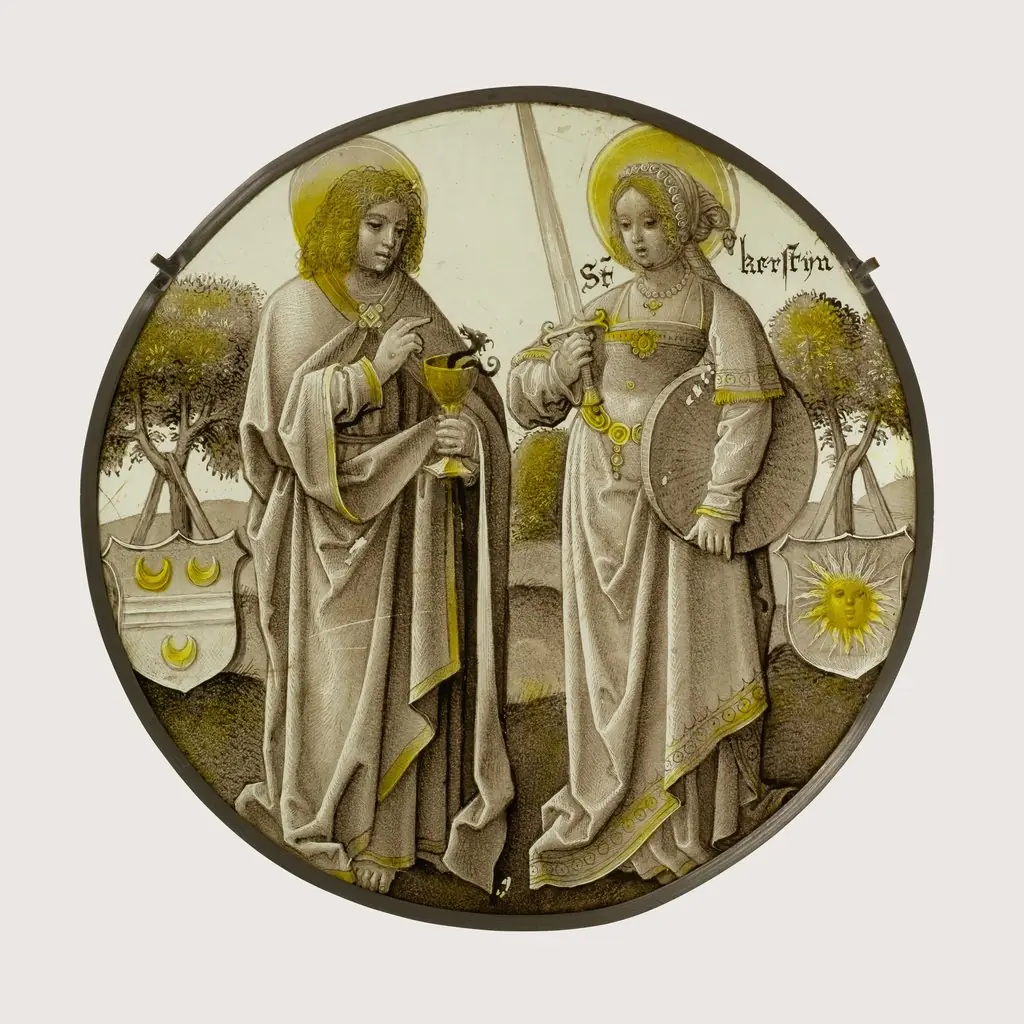 Heraldic Roundel with Saints John the Evangelist and Christina
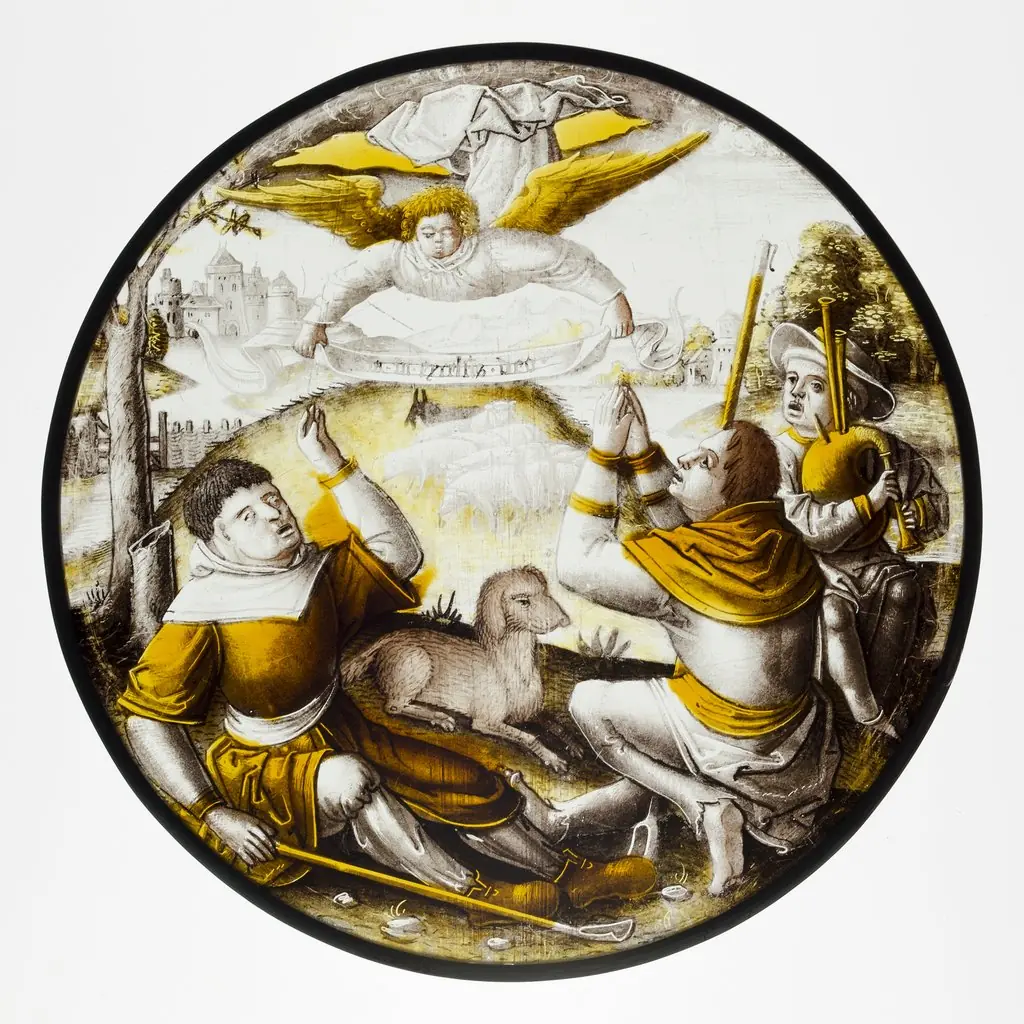 Roundel with Annunciation to the Shepherds
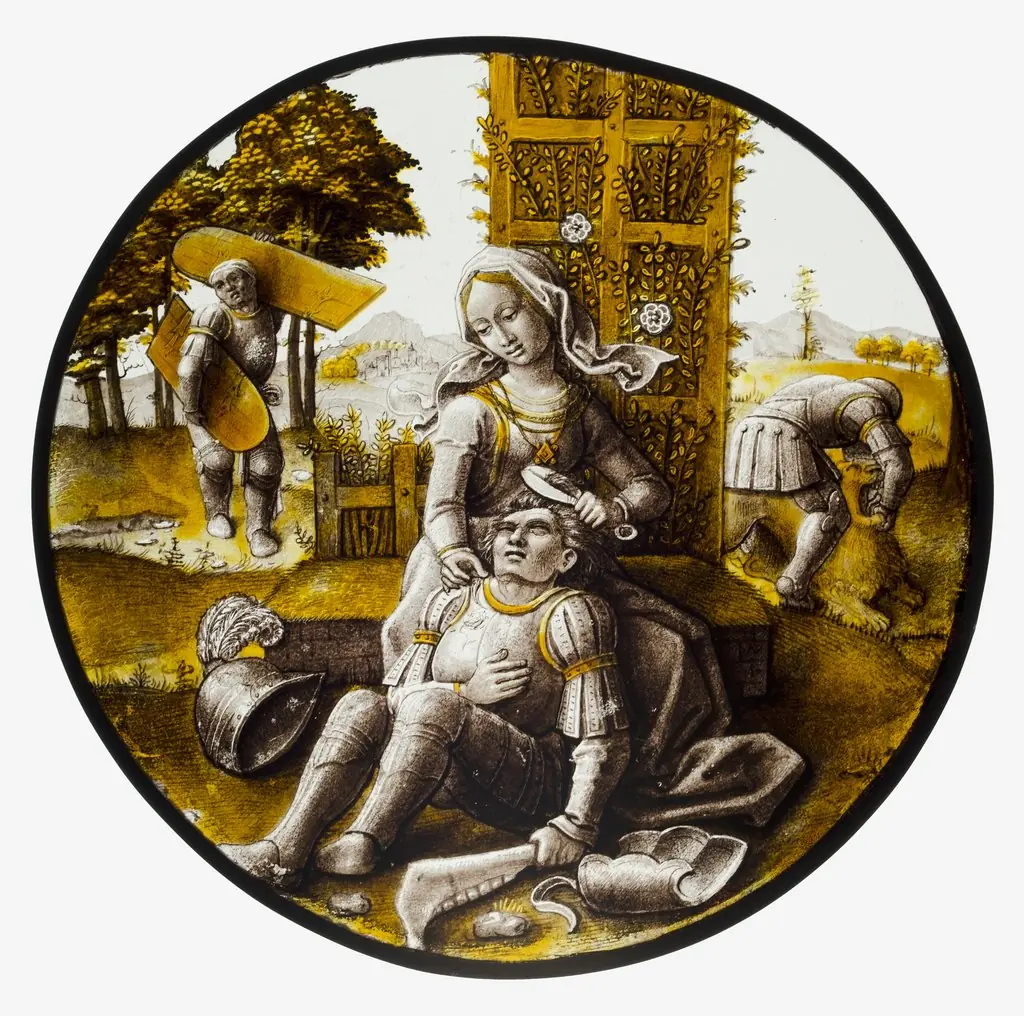 Roundel with Delilah Cutting the Hair of Samson
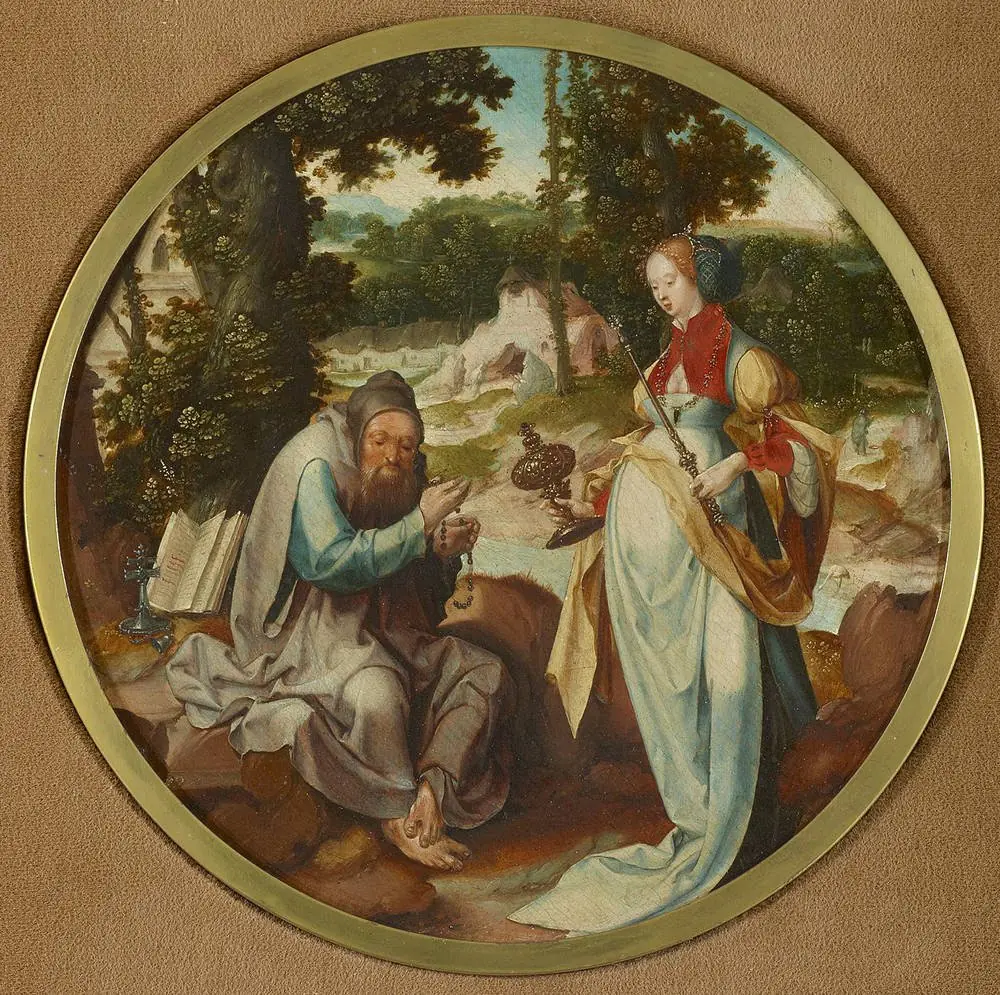 The temptation of Saint Antony
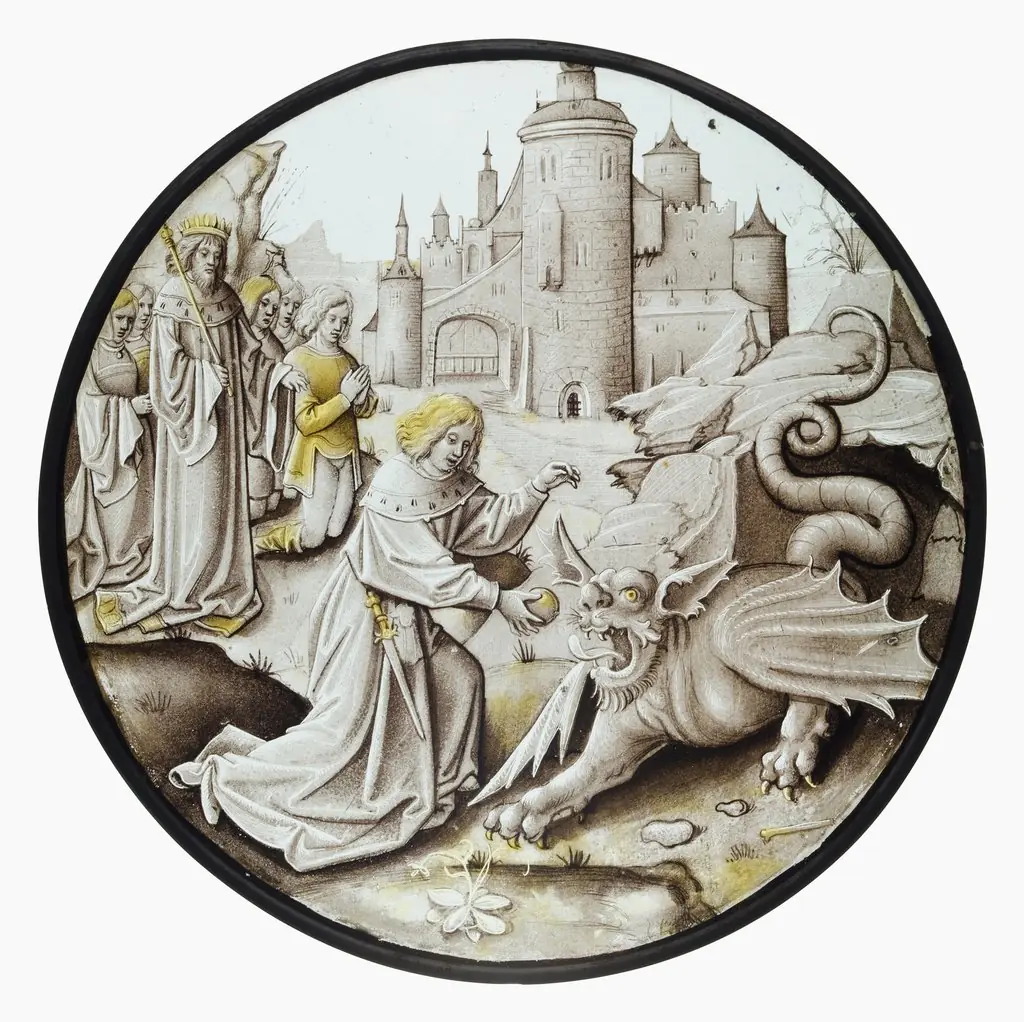 Roundel with Daniel Slaying the Dragon
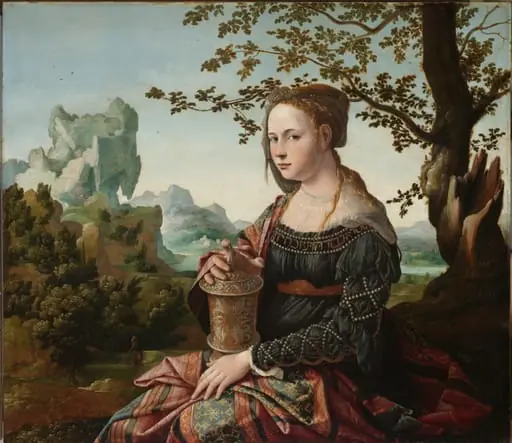 Maria Magdalena
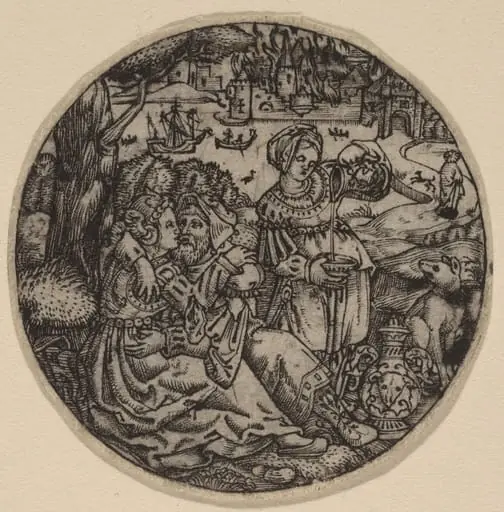 Lot and His Daughters
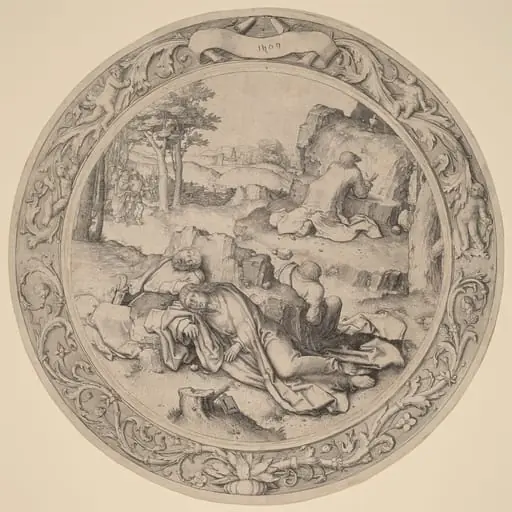 Christ in Gethsemane (Agony in the Garden)
 An Allegory of Pride
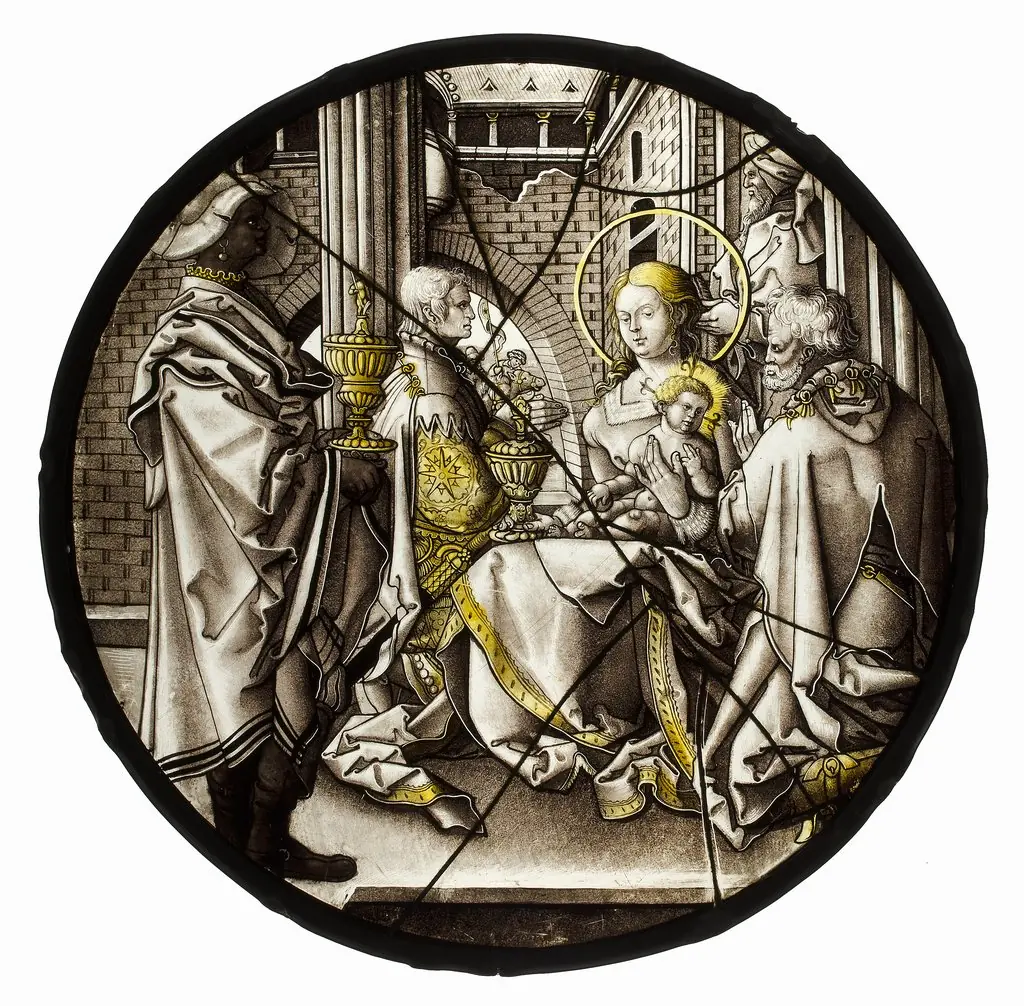
- Roundel with Adoration of the Magi